

18ct Gold Sapphire
18ct gold sapphire pieces combine durable high-carat metal with prized corundum, offering enduring jewellery that has captured collectors' attention for generations.
18ct Gold Sapphire
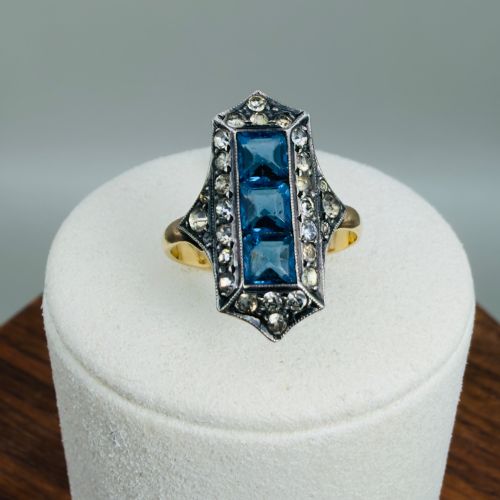
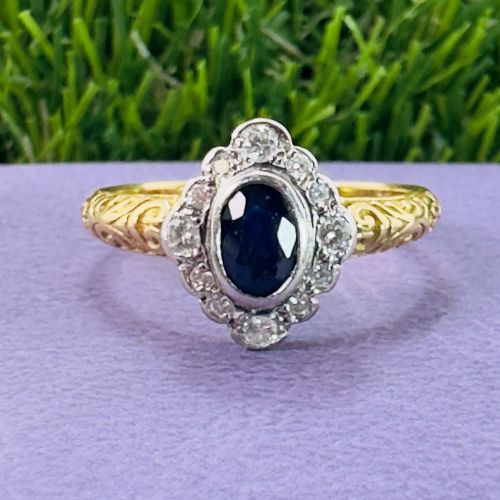
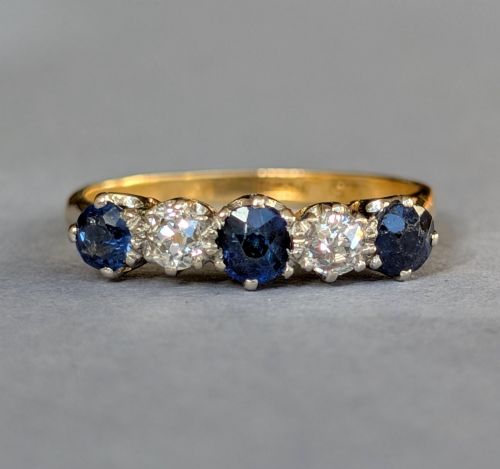
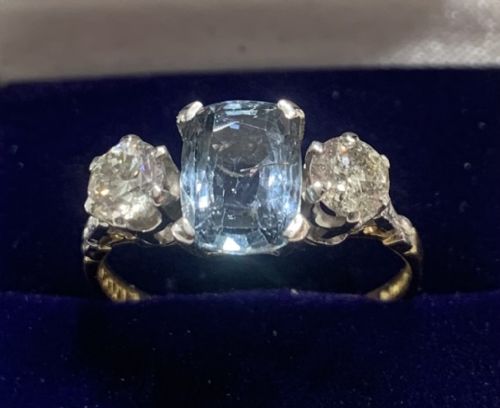
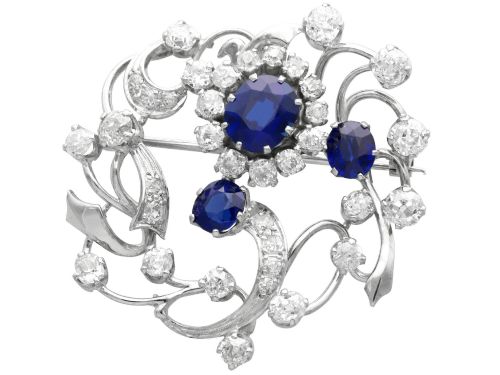
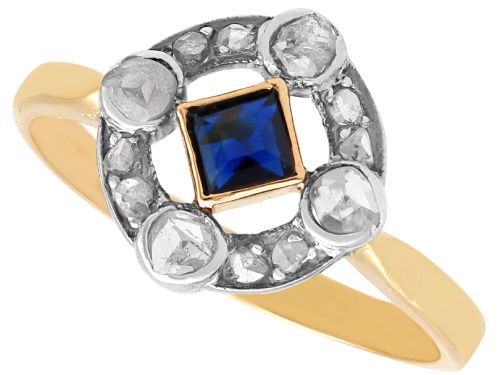
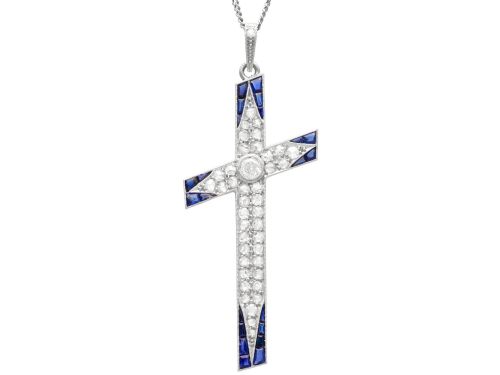
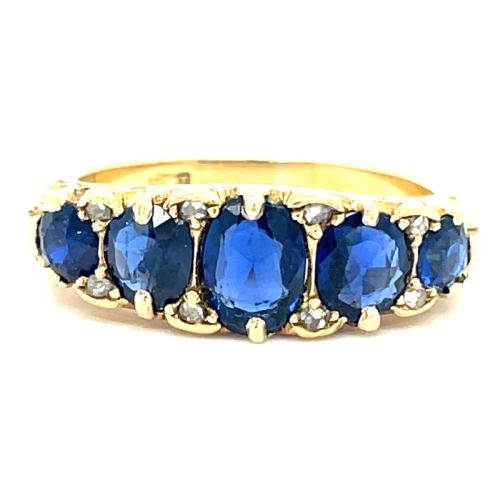
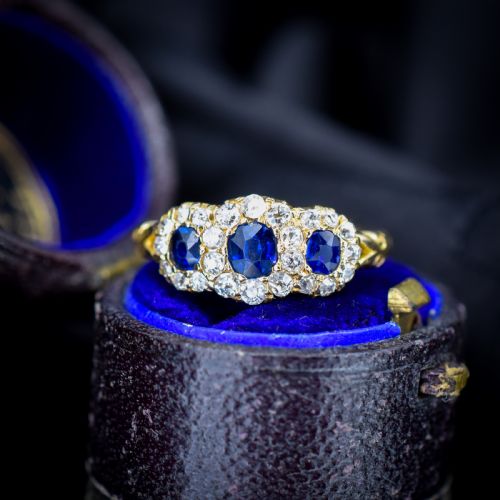
When searching for 18ct gold sapphire items, buyers encounter a diverse selection of jewellery spanning Victorian, Edwardian, Art Deco, and mid-century periods. Rings dominate the offerings, appearing as cluster, trilogy, boat, and gypsy designs alongside earrings, necklaces, pendants, brooches, and bracelets.
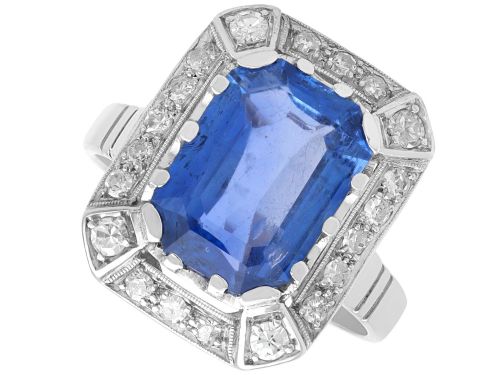
Pieces frequently pair the sapphire with diamonds, pearls, or alternative gemstones set in yellow or white 18ct gold, sometimes accented with platinum. The aesthetic shifts from the ornate scrollwork of the Victorian era to the geometric symmetry of the 1920s Art Deco movement.
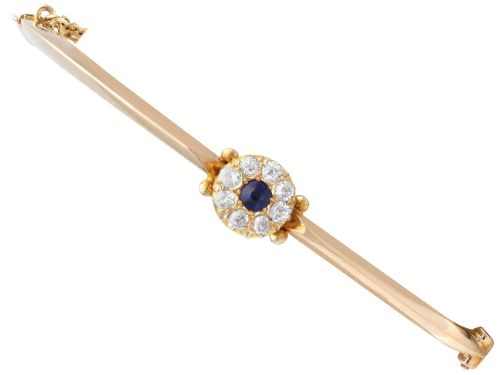
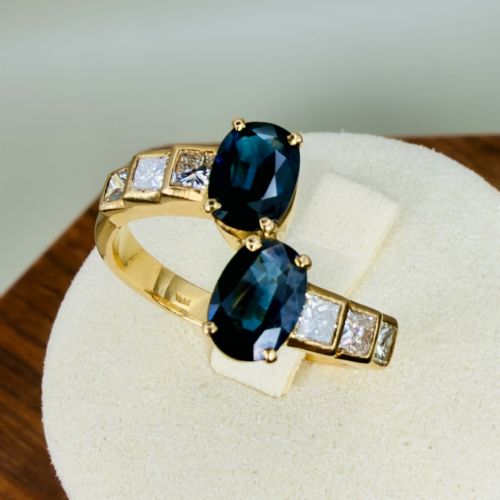
Buyers are most likely to meet cluster rings and dress rings on this page, representing the everyday luxury of early twentieth-century and mid-century design. These items reflect the shifting fashions of their respective decades, from delicate Edwardian daisy clusters to bolder mid-century crossover forms.
How They Were Made
Goldsmiths utilised 18ct yellow and white gold as the structural foundation for these jewels, often combining platinum with white gold during the Art Deco period to enhance the brilliance of surrounding diamonds. Stones were secured using delicate hand-carved settings, claw mounts, and flush gypsy settings that demanded precise metalwork.
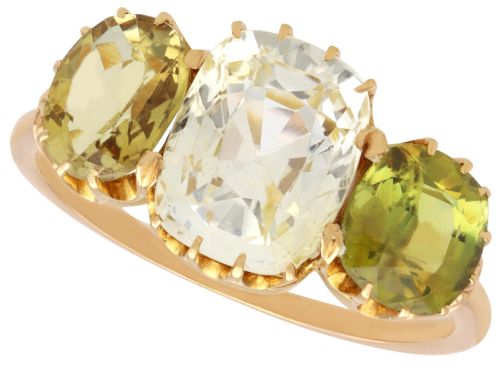
Gemstones including blue, yellow, and pink sapphires were shaped into oval, round, pear, and calibre cuts to fit specific geometric designs. Master jewellers integrated old-mined cut diamonds and seed pearls into the compositions, balancing colour contrast with structural integrity.
18ct Gold Sapphire Retail Price Guide 2026
Typical asking prices for 18ct gold sapphire among the pieces listed under this phrase on Sellingantiques today, from the lower quarter to the upper quarter. They describe what is for sale here now, not the wider market.
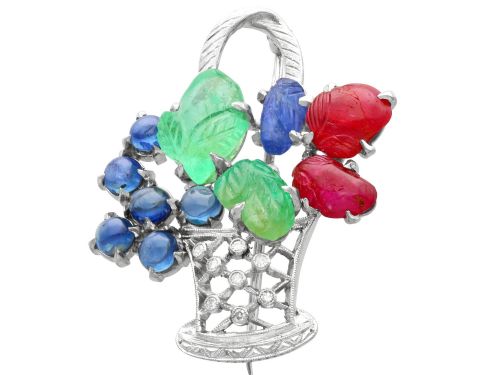
Some Edwardian fringe necklaces hide pink sapphires and garnets alongside seed pearls, proving that Victorians loved a colourful tassel just as much as we do.
What Varies in Quality
Quality rests upon the depth of the sapphire's natural colour saturation, the clarity of the accompanying diamonds, and the crispness of the surrounding metalwork. Original settings that retain their sharp architectural lines distinguish superior examples from pieces worn down by decades of polishing.
The sophistication of the design, such as intricate calibre-cut gemstone layouts or signed maker provenance, elevates a piece within the range. Preservation of original components, from fitted presentation cases to uncompromised shank widths, determines the collector standing of individual items.
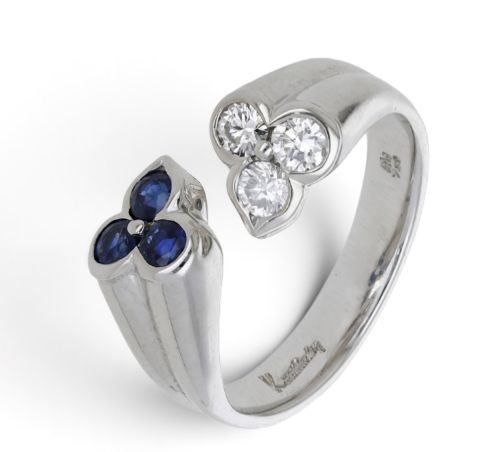
Kutchinsky
The 18ct Gold Sapphire Glossary
- Calibre cut
- Stones shaped specifically to fit tightly together in geometric patterns without visible metal between them. This technique defines high-end Art Deco jewellery.
- Cluster ring
- A central gemstone surrounded by a border of smaller stones, typically diamonds framing a sapphire. This layout maximises visual impact and perceived scale.
- Trilogy ring
- A mounting featuring three principal stones set in a row, often representing the past, present, and future. In these listings, sapphires and diamonds share the focal points.
- Boat ring
- A navette-shaped setting curving gently across the finger like a small vessel. Victorian and Edwardian makers favoured this silhouette for clustered gem arrangements.
- Gypsy ring
- A band where the gemstones are flush-set directly into the thick gold metal rather than held in raised claws. This style gained immense popularity during the late nineteenth century.
18ct Gold Sapphire: Frequently Asked Questions
What periods do these pieces come from?
The selection spans late Victorian, Edwardian, Art Deco, and mid-century eras, reflecting the evolving tastes of British and European jewellery design from the late nineteenth century onwards.
Buyers will find distinct stylistic markers associated with each decade, ranging from organic floral motifs in early pieces to strict geometric symmetry in 1920s creations.
Are the sapphires always natural?
While natural blue, yellow, and pink sapphires predominate across the selection, historical gemological standards varied and occasional synthetic stones appear with specific laboratory reports.
Consulting individual descriptions and gem reports helps verify the exact origin and treatment history of the corundum within each mounting.
How should I care for 18ct gold sapphire jewellery?
Eighteen-carat gold provides a durable yet workable alloy that resists tarnishing, while sapphire ranks high on the hardness scale, making it suitable for regular wear.
Gentle cleaning with warm soapy water and a soft brush maintains the brilliance of the stones, though professional inspection of the claws safeguards against accidental stone loss.
How do I identify an Art Deco sapphire ring?
Art Deco examples typically feature white gold or platinum mountings, sharp geometric lines, calibre-cut stones, and contrasting diamond borders arranged in target or cluster formats.
These designs discard Victorian sentimentality in favour of clean architectural symmetry, often incorporating millegrain edges along the metal bezels.