

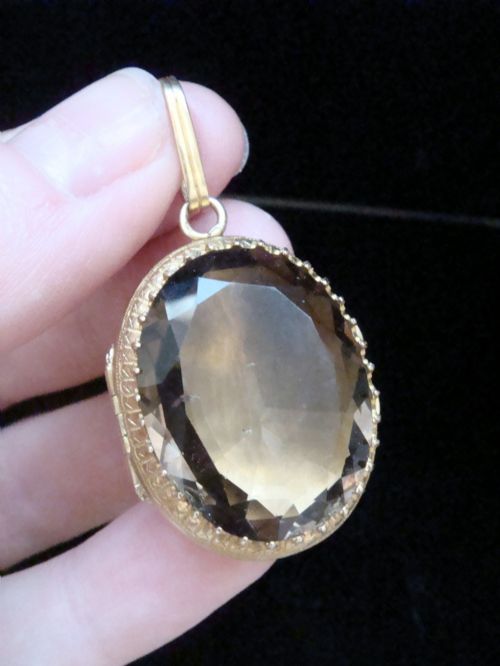


18ct Gold Charm Pendant
An 18ct gold charm pendant is a small, precious ornament worn on a chain, combining the sculptural detail of a charm with the presence of a pendant.
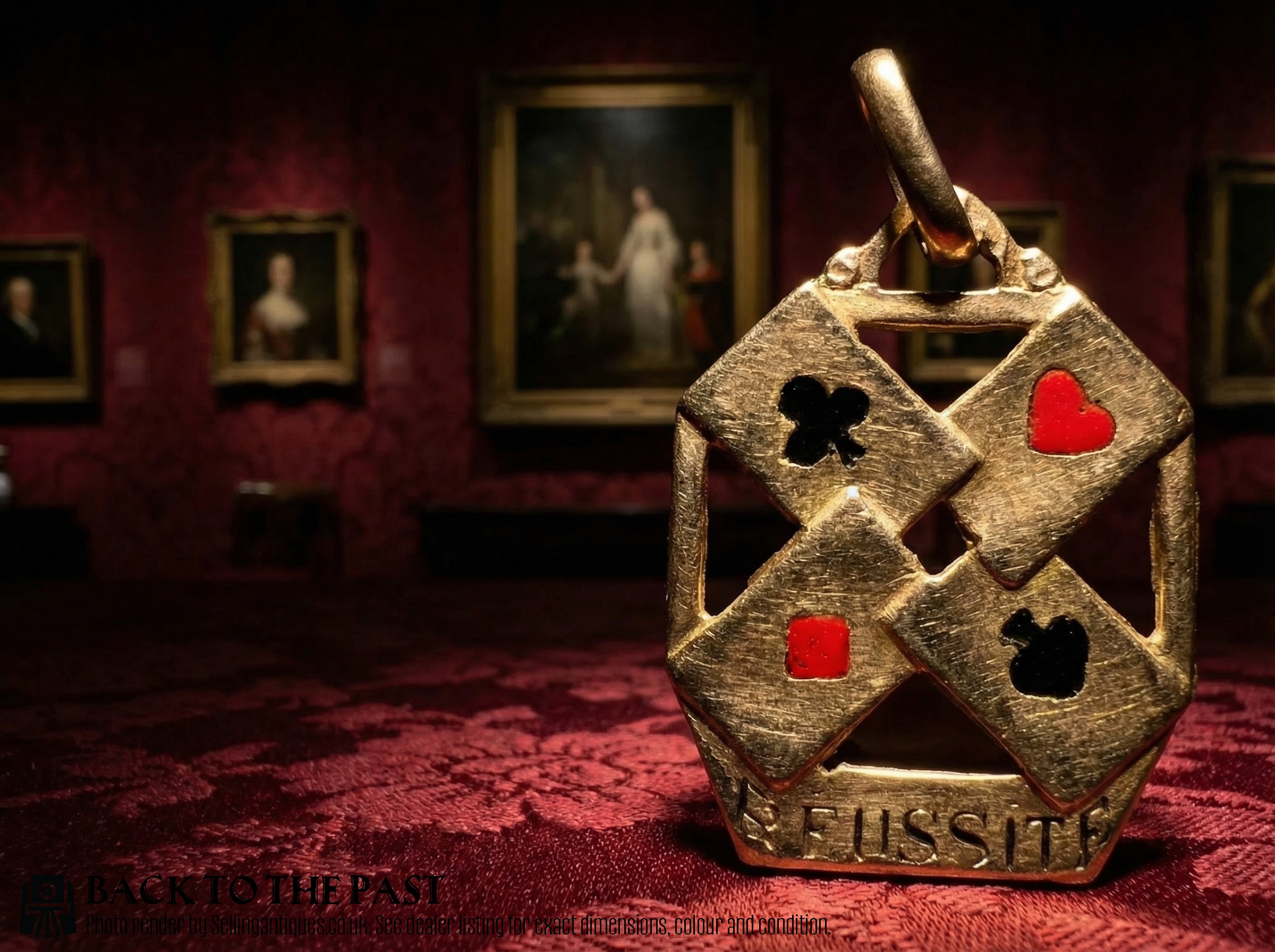
18ct Gold Charm Pendant
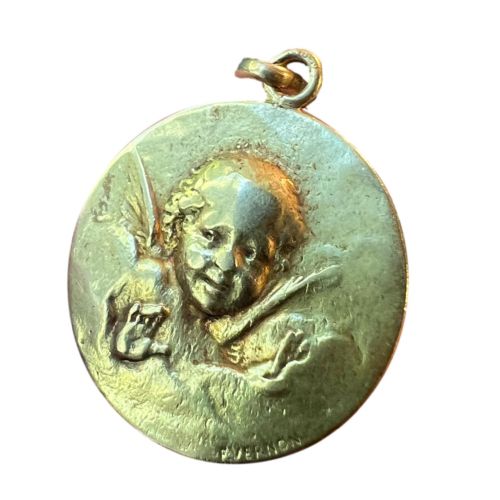
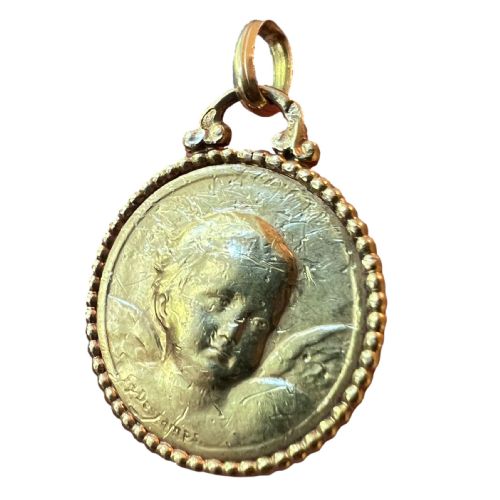
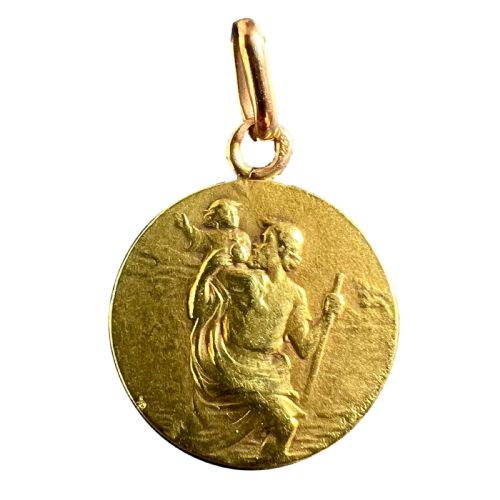
When you search for an 18ct gold charm pendant, you are looking at small personal tokens, lockets, and devotional medals designed to be worn around the neck. The pieces on this page span from the late nineteenth century through the Edwardian period and the mid-twentieth century, with a strong representation of French religious and pictorial medals.
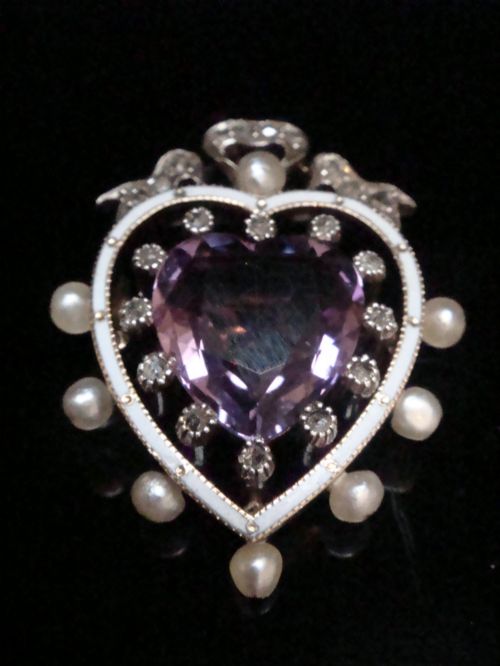
You will frequently encounter French yellow gold medals depicting figures such as the Virgin Mary and Madonna and Child, alongside heart-shaped lockets, zodiac signs, and gambling motifs. These items function simultaneously as charms and pendants, often featuring articulated suspension loops or large spring rings for attachment.
Materials and Technique
The material foundation is 18ct yellow, white, and rose gold, providing a rich metallic warmth that underpins detailed hand-work. Artisans employed techniques such as guilloche enamel, where translucent coloured enamel is laid over engine-turned metal, and delicate repousse work to raise motifs from the gold sheet.
Gemstones including diamonds, natural pearls, rubies, sapphires, and amethysts are flush-set, bezel-set, or clustered into the gold body. Enamelling in shades of red and blue frequently adds strong blocks of colour to the metal surfaces.
18ct Gold Charm Pendant Retail Price Guide 2026
Typical asking prices for 18ct gold charm pendant among the pieces listed under this phrase on Sellingantiques today, from the lower quarter to the upper quarter. They describe what is for sale here now, not the wider market.
French workshops produced numerous religious medals and zodiac charms in 18K gold during the early decades of the twentieth century.
Judging Quality
Quality rests upon the crispness of the stamping or hand-engraving on the gold body, particularly on figurative religious medals and zodiac pieces where facial expressions and lettering must remain sharp. The depth of the relief and the complexity of the secondary ornament, such as floral wreaths or radiating sunbursts, distinguish finer examples.
The integrity of applied materials also dictates worth, seen in the smoothness of intact guilloche enamel free from chipping and the secure, flush setting of small diamonds and pearls. Heavier gauge gold gives certain pendants a substantial weight in the hand that lighter stampings lack.
Perroud·Monier·Pageli Perriat·Emile Dropsy·Sellier·Ovide Yencesse·Guilbert·Mazzoni
The 18ct Gold Charm Pendant Glossary
- Guilloche enamel
- Enamel applied over a metal surface that has been machine-turned with an intricate geometric pattern. This technique creates a shimmering wave effect beneath the translucent colour.
- Repousse
- A metalworking technique where the artisan hammers the gold from the reverse side to form a raised design in relief on the front. It allows for expressive pictorial scenes on thin gold sheet.
- Spring ring
- A circular hollow ring fastener featuring a small internal spring-loaded bolt operated by a tiny protruding thumb tab. It secures the pendant to a chain or functions as a connector.
- Solitaire pendant
- A single gemstone mounted independently in its own setting as the central focus of the piece. It is typically held by claws or a solid metal bezel.
18ct Gold Charm Pendant: Frequently Asked Questions
How were these pendants worn historically?
Historically, these gold pieces were suspended from chains around the neck, functioning as personal amulets, memorials, or expressions of faith and personality. Lockets held small portraits or locks of hair, while religious medals signified devotion.
Many incorporate sturdy rings or connectors that allowed them to be moved easily between charm bracelets and neck chains.
How do I care for my gold pendant?
Care for an 18ct gold pendant involves gentle cleaning with warm soapy water and a soft brush to remove everyday oils without scratching the metal. Avoid harsh chemical dips, particularly if the piece incorporates delicate enamel or pearls.
Store the pendant separately in a soft pouch to prevent it from rubbing against harder jewellery items in your collection.
How do I identify the period of a pendant?
Dating these pendants relies on examining the stylistic markers, such as the flowing organic lines characteristic of Art Nouveau or the geometric symmetry seen in Art Deco pieces. Material choices and subject matter also offer strong clues, alongside any maker marks stamped into the gold.
Comparing the manufacturing techniques, such as the style of engraving or enamel application, helps place the item within eras like the Edwardian period or the mid-twentieth century.