




18 Carat Engagement Ring
When choosing an 18 carat engagement ring, buyers secure a piece combining enduring precious metal with stones shaped by eras from Georgian times to the mid-century.
18 Carat Engagement Ring
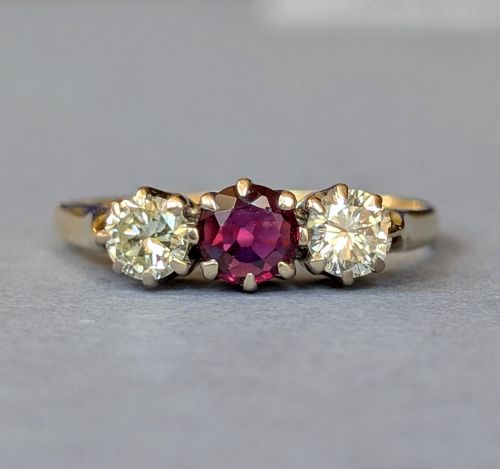
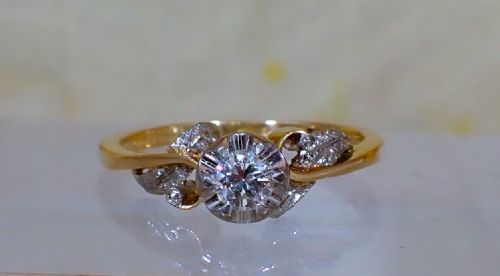
An 18 carat engagement ring encompasses centuries of design, spanning Georgian, Victorian, Edwardian, Art Deco, and mid-century periods. The selections available typically highlight either a single dominant diamond or a constellation of stones arranged alongside sapphires, rubies, or opals.
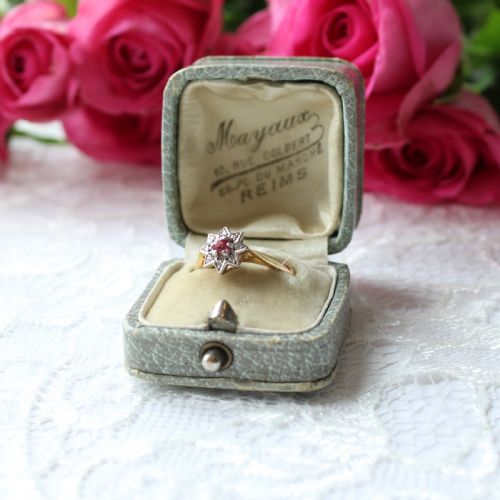
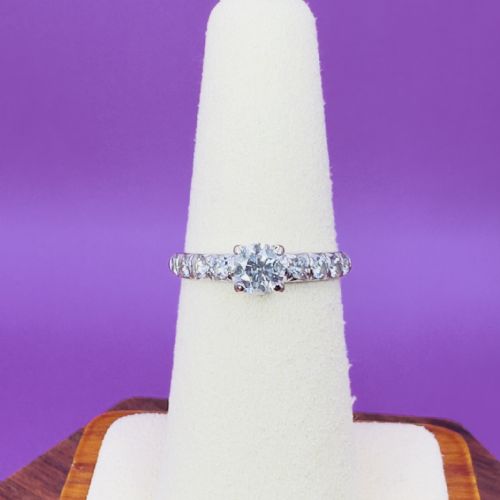
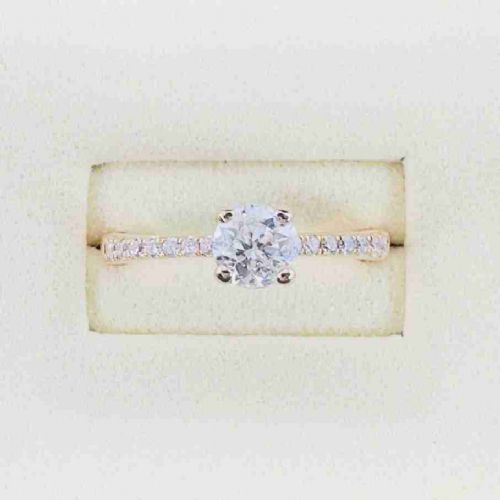
Solitaires and cluster formations dominate the items encountered on this page. Buyers frequently discover traditional yellow gold bands alongside white gold and platinum settings that reflect specific stylistic shifts across different decades.
Materials and Techniques
Metals such as 18ct yellow gold, 18ct white gold, and rose gold provide the structural foundation, often paired with platinum to secure precious stones firmly. Goldsmiths utilised traditional casting and hand-working methods, frequently mounting diamonds and coloured gemstones in illusion settings or intricate claw arrangements.
Gemstone cutting techniques evolved considerably across the periods represented, moving from early rose cuts and old European cuts to brilliant cuts and step cuts. Artisans combined these stones with durable gold alloys to create robust rings intended for daily wear.
Some Victorian rings secretly whisper of everlasting attachment by hiding tiny turquoise forget-me-nots beneath the main diamond.
Evaluating Quality
Distinction across the range relies heavily on the proportion, symmetry, and optical liveliness of the central diamond or accompanying sapphires and rubies. Superior examples display expert gemstone selection where inclusions remain minimal and cutting maximises brilliance.
Craftsmanship in the metalwork further separates pieces, evident in the precision of the setting claws, the crispness of millegrain edges in Art Deco items, and the structural integrity of the 18ct gold shank over decades of use.
The 18 Carat Engagement Ring Glossary
- Solitaire
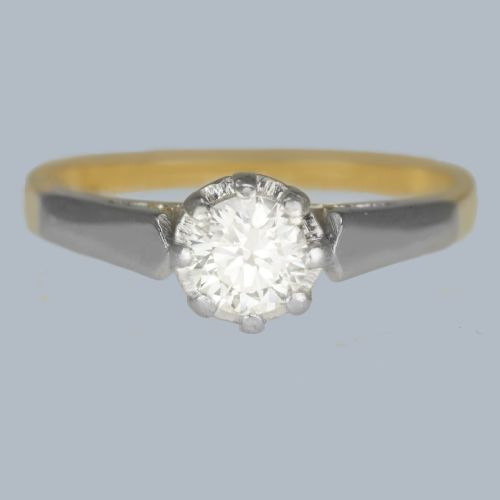
- A ring featuring a single prominent gemstone, most commonly a diamond mounted centrally on the band. This classic design focuses visual attention entirely on the main stone.
- Old European Cut
- An early form of brilliant-cut diamond popular from the late nineteenth into the early twentieth century. It is characterised by a small table, high crown, and large open culet.
- Trilogy Ring
- A ring set with three stones, traditionally symbolising the past, present, and future. Diamonds are often flanked by smaller matching diamonds or coloured gems.
- Millegrain
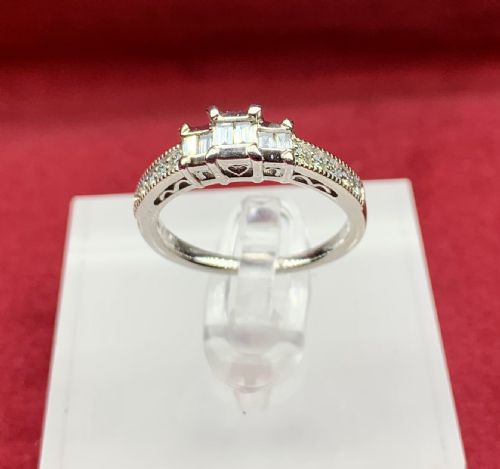
- A decorative technique involving a row of tiny raised metal beads along the edges of a setting. This detail is frequently seen on Edwardian and Art Deco jewellery.
- Boat Ring
- An antique ring style featuring a navette or boat-shaped setting that tapers toward the ends. These pieces typically house a row of graduated diamonds or gemstones.
18 Carat Engagement Ring: Frequently Asked Questions
How do I clean an antique 18 carat engagement ring?
Warm soapy water and a very soft brush gently remove everyday oils from the gold and diamonds without harming historic settings.
Harsh chemical dips and ultrasonic cleaners should be avoided, particularly with softer gems like opals or pearls found in older cluster designs.
Can an 18 carat engagement ring be resized easily?
Most solid gold bands allow a jeweller to alter the circumference by a small margin without compromising the structural integrity.
Intricate shoulder stones or continuous half-eternity channels require careful assessment because adjustment risks distorting the surrounding metal and settings.
Are these rings suitable for daily wear?
An eighteen carat gold alloy offers a robust balance of purity and durability, making it well-suited for everyday use.
Victorian and Edwardian pieces nonetheless benefit from mindful care during manual tasks to protect delicate claws and older stone cuts.
How can I tell the difference between Art Deco and Victorian rings?
Victorian designs tend to favour warmer yellow gold, romantic cluster arrangements, and organic motifs like boat shapes and star settings.
Art Deco pieces introduce geometric precision, platinum settings, white gold, and sharp symmetrical lines characteristic of the 1920s and 1930s.