


17th Century Wooden Panels
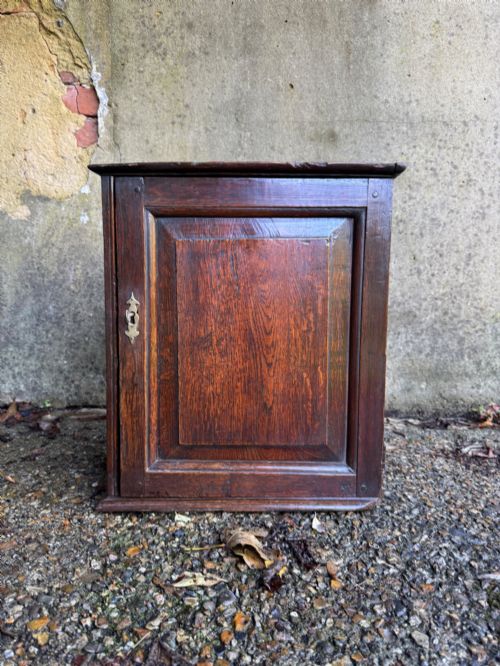
These 17th century wooden panels and related carved furniture pieces bring solid oak structure and centuries of texture into a room.
17th Century Wooden Panels
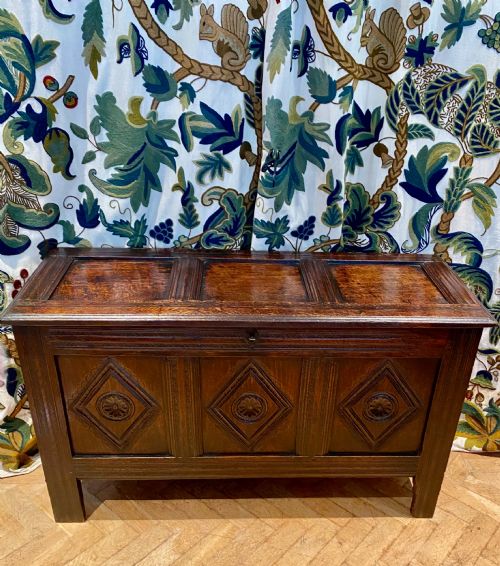
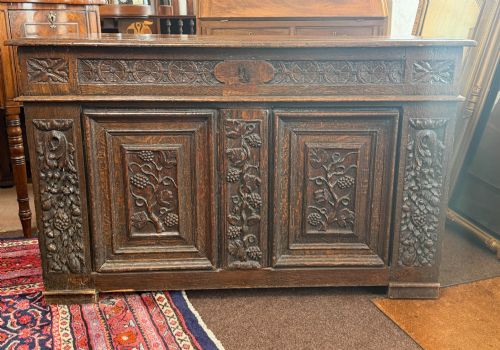
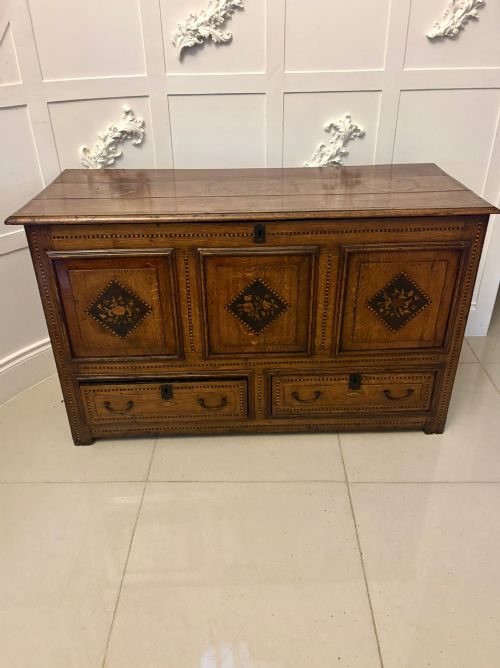
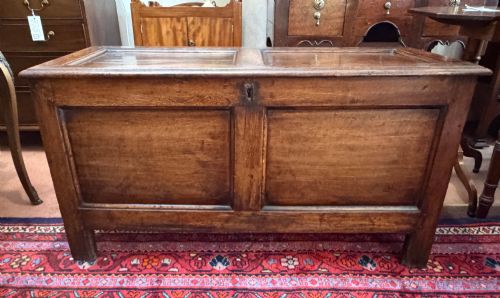
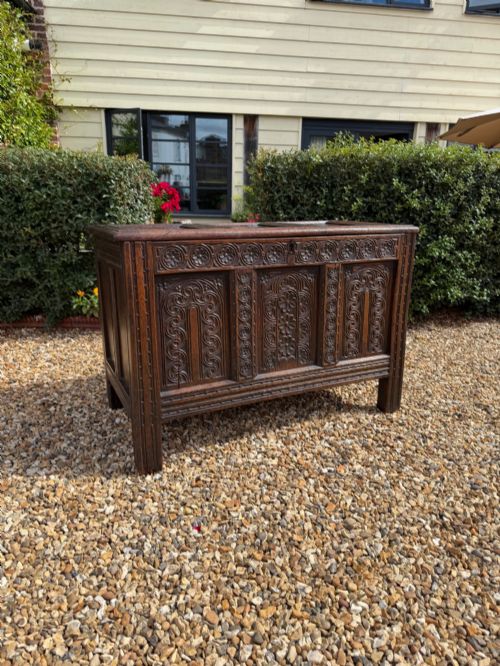
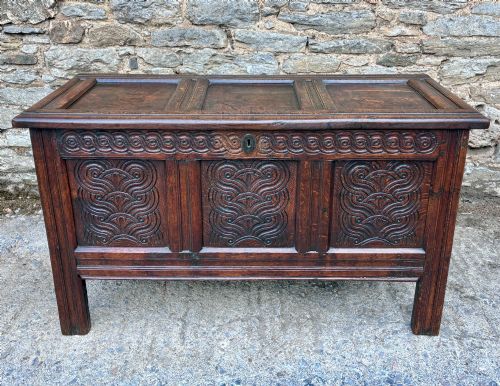
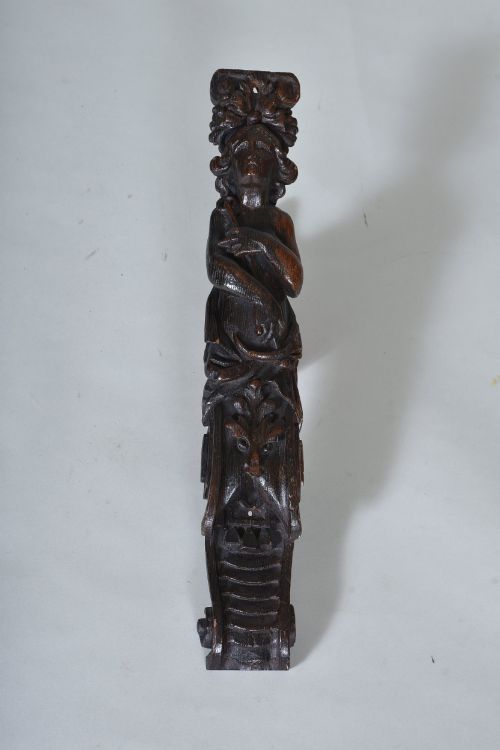
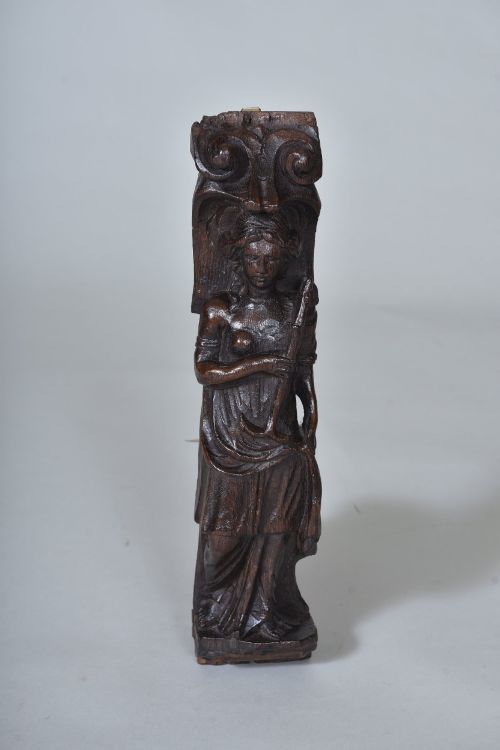
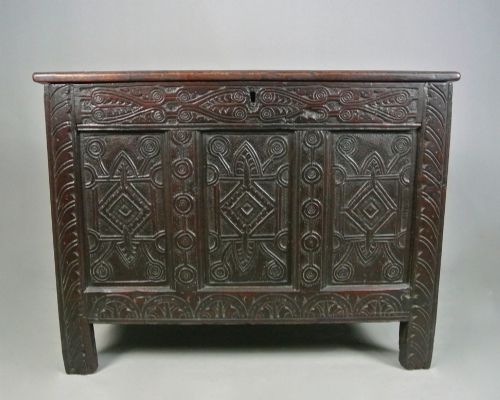
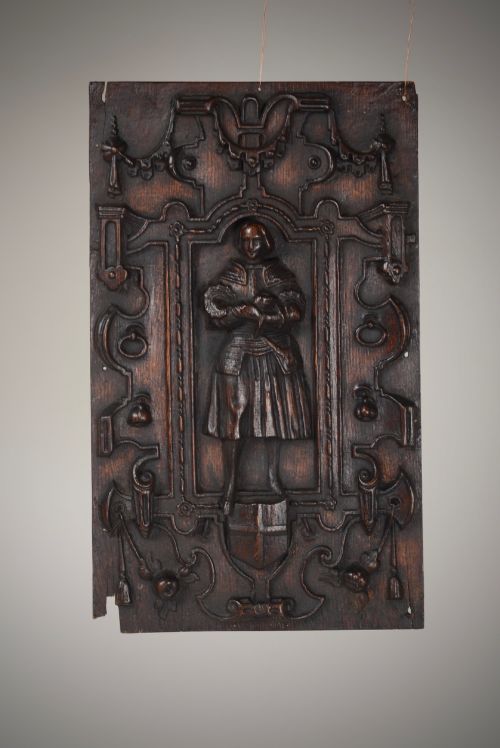
When you search for 17th century wooden panels, you encounter architectural fragments, standalone carved sections, and the panelled walls of large coffers, chests, and wainscot armchairs. The pieces on this page stem predominantly from the seventeenth century, alongside revival iterations and related periods.
The dominant material visible across these listings is solid oak, worked into heavy chests, seating, and flat or carved panels. Regional English styles appear frequently, alongside continental European pieces and marquetry work.
How they were made
Joiners and carvers shaped these pieces using solid oak, mahogany, chestnut, and ebonised wood, occasionally incorporating brass and iron hardware. Construction relied on traditional frame-and-panel techniques to accommodate the natural expansion and contraction of timber over decades.
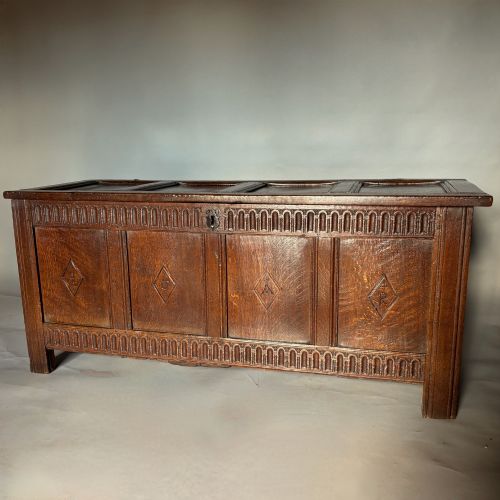
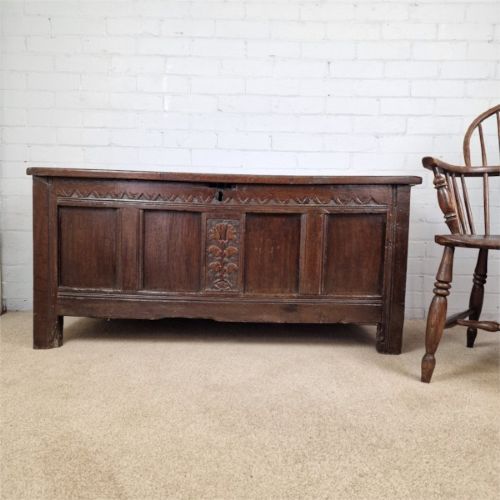
Carving, marquetry inlay, and linenfold detailing define the surface decoration on these panels and coffers. Master craftsmen worked the wood by hand, producing distinct regional motifs from Welsh, Scottish, English, and continental workshops.
Materials span solid oak, chestnut, and mahogany, accented with brass, iron, marquetry inlay, and ebonised wood.
What varies in quality
Quality rests in the crispness of the hand-carved detail and the integrity of the original timber frame. Depth of relief in figures and foliage separates standard surfaces from superior examples.
Patina and proportion dictate desirability, with smaller proportions and documented regional origins commanding particular attention. The survival of original surface finishes and early joinery elevates individual pieces above later revivals.
The 17th Century Wooden Panels Glossary
- Coffer
- A heavy wooden chest used traditionally for storage, constructed with panelled sides and a hinged lid. Many surviving examples date from the seventeenth century and display intricate front carvings.
- Wainscot chair
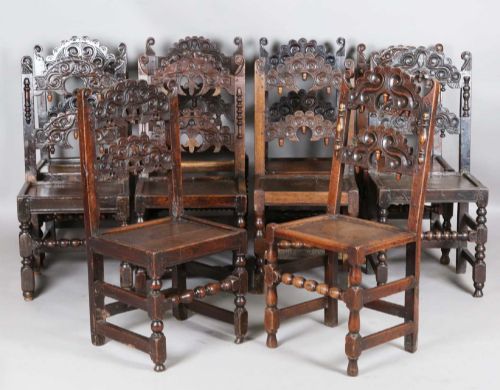
- A solid wooden armchair of sturdy proportions, typically constructed from oak with a panelled back. These chairs represent significant status in domestic interiors of the period.
- Linenfold
- A style of wood carving that imitates folded parchment or linen, commonly found on sixteenth and seventeenth-century panels. This technique creates a textured, vertical pattern across flat wooden surfaces.
- Marquetry
- The art of applying pieces of veneer to a structure to form decorative patterns and pictures. Examples in this category incorporate contrasting wood types onto chest fronts.
- Overmantle
- A decorative architectural fitting placed above a fireplace. Seventeenth-century versions frequently feature carved oak panels and frame assemblies.
17th Century Wooden Panels: Frequently Asked Questions
What were 17th century wooden panels used for?
These panels functioned primarily as decorative architectural elements within domestic and ecclesiastical interiors, lining walls or forming the structural components of large furniture. Carvers often depicted biblical scenes, historical figures, or floral motifs upon them.
Over time, many panels were repurposed into cabinets, fitted into later furniture, or collected as standalone works of art for display.
How do I identify a 17th century oak coffer?
Genuine seventeenth-century coffers feature heavy, pegged frame-and-panel construction using quarter-sawn oak that exhibits natural medullary rays. Hand-carved decoration, period ironwork hinges, and deep patination accumulated over centuries help distinguish them from later revivals.
Regional characteristics, such as specific carving styles associated with Welsh or Yorkshire workshops, provide further clues to their origin and date.
How should I care for antique oak panels?
Keep wooden panels away from direct heat sources and drastic humidity changes to prevent the timber from splitting or warping. Maintaining a stable indoor climate preserves the structural integrity of the oak.
Apply a light application of traditional beeswax occasionally to nourish the surface and maintain the natural patina without sealing the wood.
What is the difference between original and revival pieces?
Period pieces carry the authentic tool marks, wear patterns, and timber characteristics consistent with seventeenth-century joinery methods. They reflect the actual construction techniques and materials of the era.
Revival pieces, such as those from later centuries, mimic these earlier styles but typically display different wood preparation, machine sawing marks, or lighter structural wear.