


17th Century Style Joint Stool
These 17th century style joint stool examples offer sturdy timber construction and period character, bringing practical seating and historic form to any room.
17th Century Style Joint Stool
A 17th century style joint stool represents sturdy wooden seating built with pegged mortise and tenon joinery rather than traditional turned dowels. When exploring this search phrase, buyers encounter pieces spanning multiple eras, including authentic older examples as well as later revivals from the Victorian period, the nineteen-thirties, and nineteen-ten.
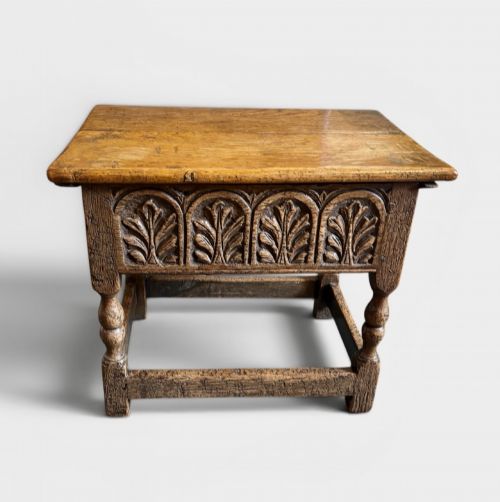
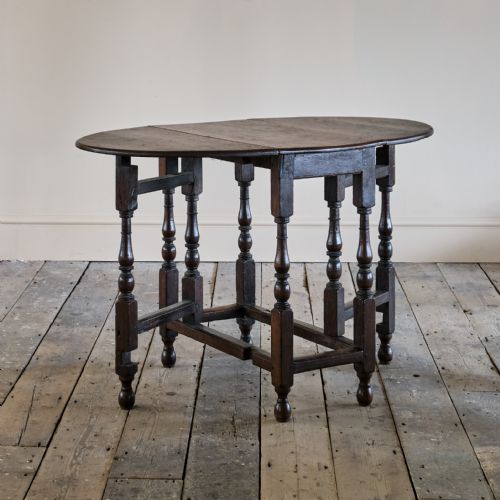
The predominant form on this page takes shape as a low wooden seat supported by four upright legs connected by stretcher rails near the floor. These items appear in various iterations, ranging from standard rectangular forms to smaller variants intended for specific uses.
Makers designed these items from solid timber, drawing on Jacobean, Gothic Revival, and William and Mary aesthetic traditions. They function equally well as occasional side tables or compact seats beside a fireplace.
Materials and construction methods
Carpenters relied primarily on oak and assorted hardwoods to build these sturdy frames. Timber selection dictated the structural integrity, ensuring the heavy legs and flat tops withstood daily domestic use.
Joinery relied on pegged joints and precise cutting rather than modern adhesives. Craftsmen utilised hand tools to shape the timber, sometimes incorporating carved details along the rails and friezes.
Among the heavy timber seating on offer, a miniature doll stool proves that seventeenth-century proportions appealed even to childhood toys.
Assessing quality in a joint stool
Quality rests in the crispness of the timber carving and the tightness of the original pegged joints. Superior examples exhibit well-seasoned wood with deep patination accumulated through decades of handling.
Lesser pieces may show clumsy later repairs or replaced timber components that disrupt the historic silhouette. The presence of original surface finishes elevates the standing of an item above heavily sanded or stripped alternatives.
The 17th Century Style Joint Stool Glossary
- Joint stool
- A sturdy wooden seat constructed using pegged joints rather than turned dowels. These pieces gained popularity for domestic seating and table placement.
- Mortise and tenon
- A woodworking joint where a projecting tongue fits snugly into a corresponding cavity. This method provides the primary structural strength for period frames.
- Stretcher
- A horizontal wooden rail connecting the legs of a stool to provide stability. These members often double as footrests.
- Jacobean
- An artistic style spanning the early seventeenth century characterised by solid proportions and linear carved decoration. Later revivals borrowed these heavy geometric motifs.
- Patina
- The surface sheen and colour acquired by wood through age and use. A rich patina indicates decades of touching and polishing.
17th Century Style Joint Stool: Frequently Asked Questions
What is a joint stool?
A joint stool is a sturdy wooden seat built by joiners using pegged mortise and tenon connections. Unlike chairs of the same era, they lack backs and were designed for general household utility.
People used them around the home for seating at dining tables or as portable platforms. Their robust construction allowed them to double as small side tables when needed.
How old are these stools?
The pieces listed under this style span several centuries of woodworking tradition. While some date to the seventeenth century, many examples originate from later revival periods in the Victorian era and the twentieth century.
Examining the timber movement, tool marks, and joinery helps determine the exact period of manufacture. Revival pieces often emulate earlier proportions while utilising nineteenth or twentieth-century building techniques.
How do I use a joint stool today?
These compact wooden items fit easily into modern interiors as flexible accent pieces. Their flat tops make them suitable for use as bedside tables, plant stands, or occasional seats.
Placing them in a hallway or living room introduces historic wooden texture without occupying much floor space. Their durability means they withstand everyday domestic use.
Are these stools comfortable?
Joint stools feature solid wooden seats designed for utility rather than lounging. Some specific variants include upholstery fabric, hessian, or brass tacks for added padding.
Buyers seeking soft seating can add loose cushions while preserving the visible timber frame. Their primary appeal lies in architectural form and sturdy construction rather than plush comfort.