

17th Century Portraiture
17th century portraiture captures nobility, officers and gentry through oil paintings on canvas and wood panel.
17th Century Portraiture
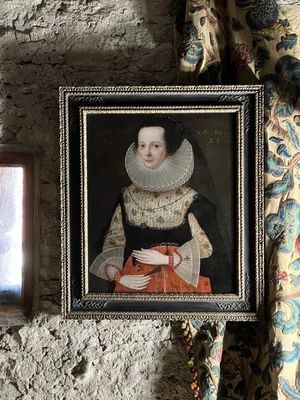
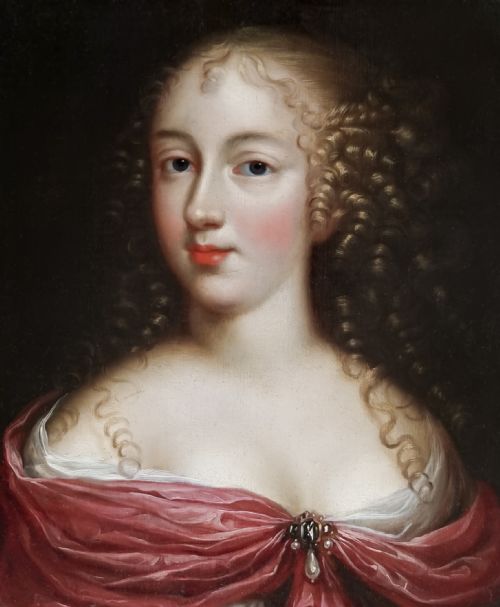
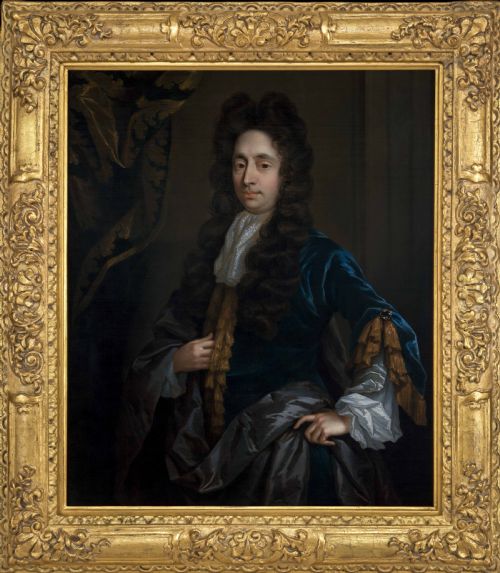
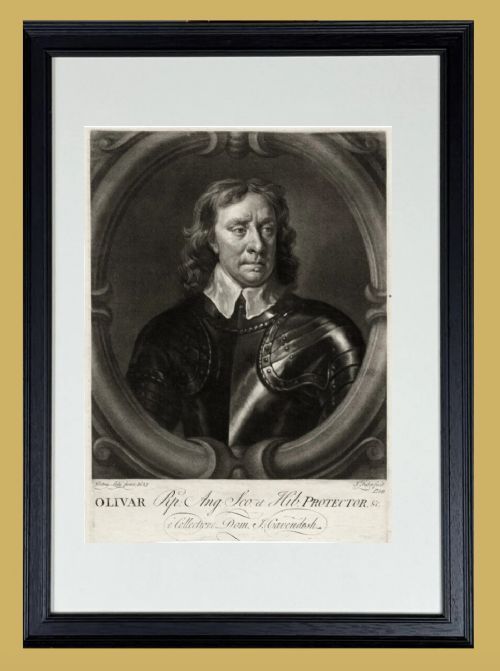
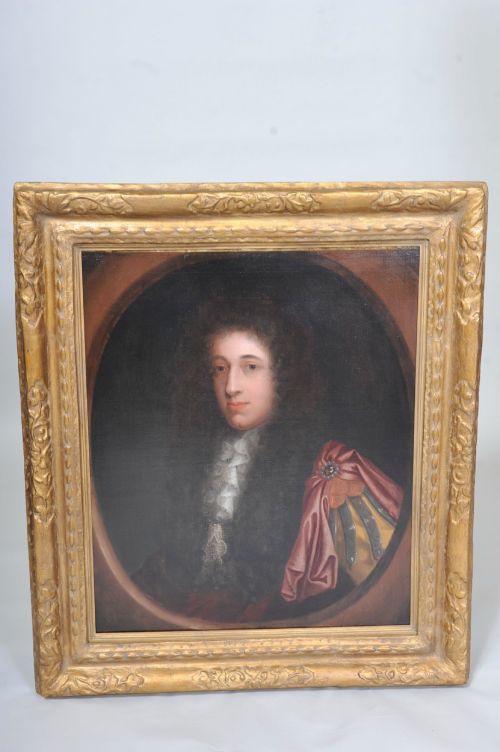
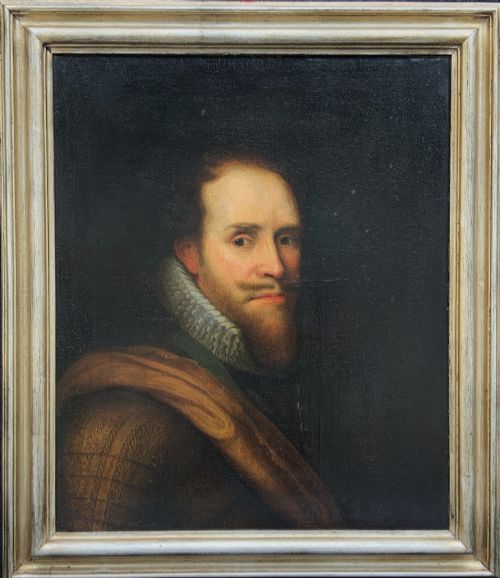
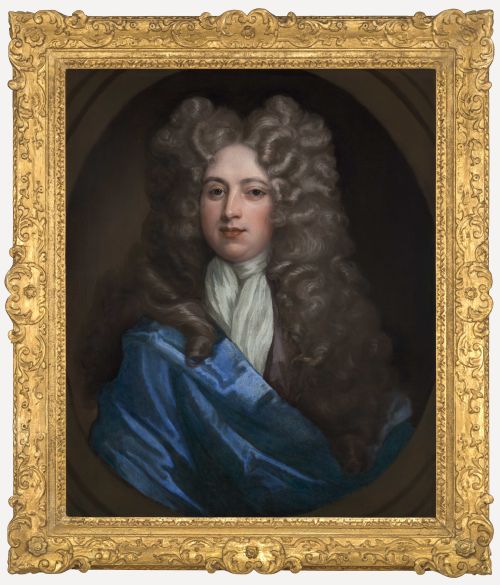
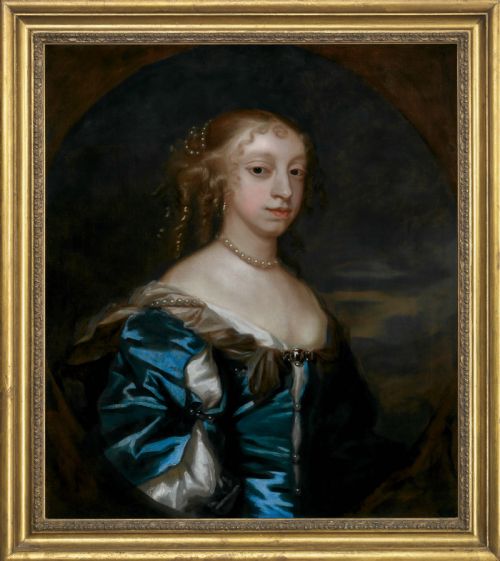
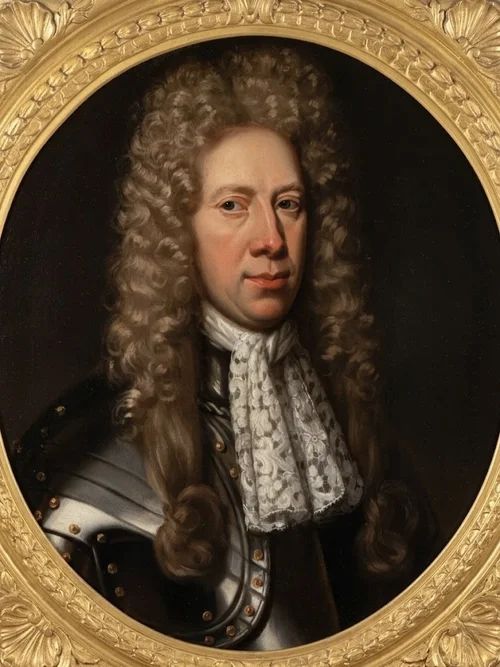
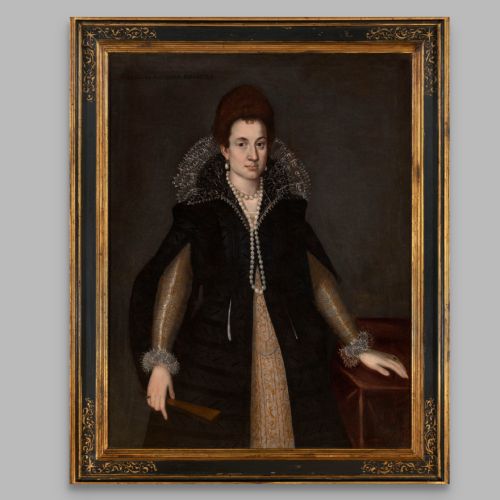
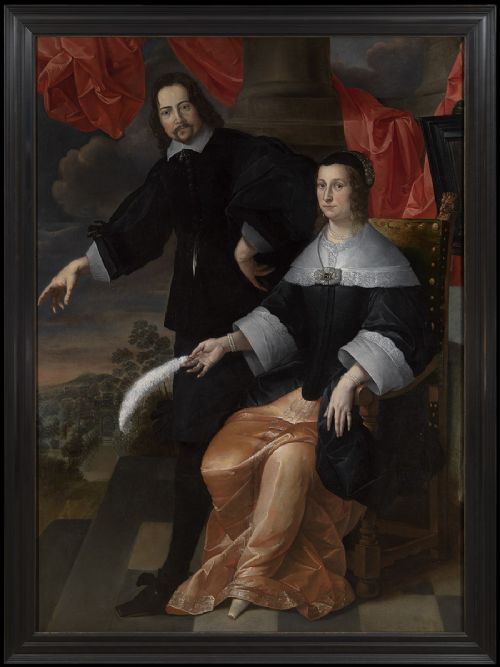
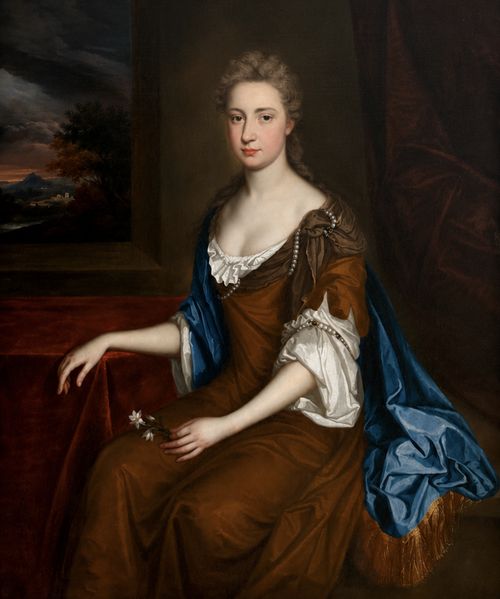
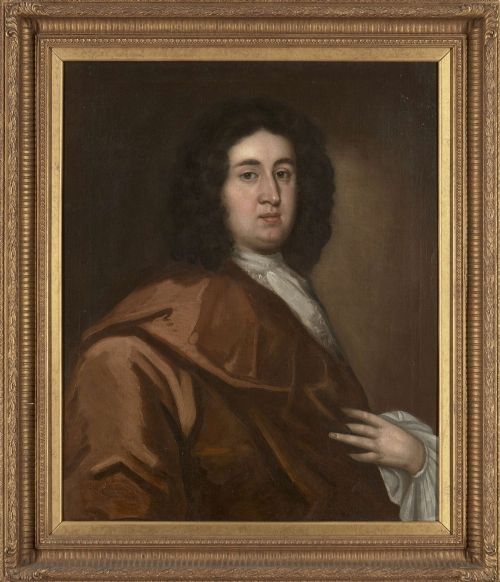
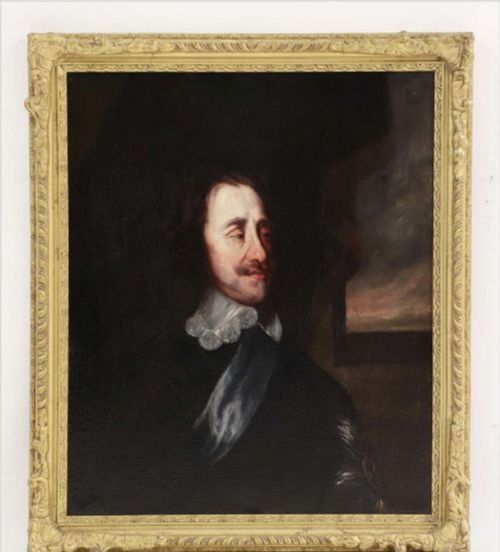
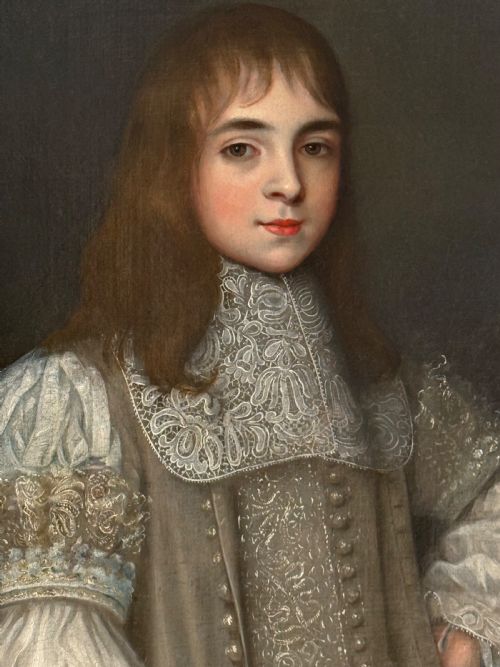
Buyers examining 17th century portraiture encounter representations of noblewomen, gentlemen, bishops and monarchs created during the Stuart, Jacobean and Baroque periods. These artworks record the likenesses of historical figures through oil painting mediums, often depicting elaborate costumes, lace, armour or periwigs.
The most common examples on this page are oil paintings on canvas or wood panel, originating from English and Dutch schools. Subjects range from named sitters like Philadelphia Parker or King William III to anonymous gentlemen and ladies painted by studio followers or regional portraitists.
Materials and technique
Many surviving pieces retain their original or period framing, frequently incorporating carved wood, giltwood and gold leaf to accent the painted canvas.
Several noble sitters wear lace so crisp you can almost hear it rustle against their velvet coats.
Variations in quality
Quality in these portraits depends upon the precision of the brushwork in rendering flesh tones, fabric folds and facial expression. Works executed by the primary hand of a recorded master generally display superior anatomical proportion and psychological depth compared to workshop copies.
Pierre Mignard·Constantyn Netscher·Thomas Murray·John Scougall·Pietro Fachetti·John Closterman·John Michael Wright·Cornelius Johnson·Sir Anthony van Dyck·John Greenhill·Sir Godfrey Kneller·Nicolaes Maes·John Riley·Johann Kerseboom
The 17th Century Portraiture Glossary
- Baroque
- An artistic style characterised by drama, rich detail and deep colour contrast, prominent in seventeenth-century European painting. It emerged in Italy and spread across northern Europe.
- Wood Panel
- A rigid support base made from timber used by painters before canvas became the dominant medium. Panels were often prepared with gesso before the application of oil paint.
- Mezzotint
- A printmaking process of the intaglio family where tones are created by roughening the copper plate with a rocker. It allowed for subtle gradations of light and shade in reproduced portraits.
- Giltwood
- Wood that has been treated with a thin layer of gold leaf or gold paint for decorative effect. It was frequently utilised for elaborate frames housing oil paintings.
17th Century Portraiture: Frequently Asked Questions
What subjects appear in these paintings?
The sitters include titled nobility, military officers in armour, bishops and prosperous members of the gentry. Many individuals are identified by name and title within the historical record.
Artists also depicted royal figures such as King Charles the First and King William the Third, alongside foreign nobility and anonymous sitters.
How do I identify the period?
Costume serves as a primary indicator for dating, showing shifts from stiff ruffs and elaborate lace in the early decades to flowing drapery and full periwigs by the late seventeenth century.
Inscribed dates, sitter biographies and attribution to specific painters or schools active during the Stuart and Baroque eras further narrow the timeline.
Were these painted on canvas or wood?
Artists utilised both canvas and timber panels as supports for their oil pigments. Wood panels are more frequently encountered in the earlier decades of the seventeenth century.
Canvas grew increasingly common as the preferred medium for larger formats, particularly for full-length and three-quarter portrait compositions.
How should I display these works?
These oil paintings require placement away from direct sunlight and excessive humidity to protect the canvas, wood panel and paint layers. Stable indoor environments prevent warping and pigment degradation.
Appropriate lighting highlights the rich tones of the oil paint and the carved details of period giltwood frames without generating heat.