
17th Century Baroque Canvas
A 17th century baroque canvas brings dramatic portraiture and rich tonal depth into a room, offering a direct physical link to seventeenth-century European courts and domestic interiors.
17th Century Baroque Canvas
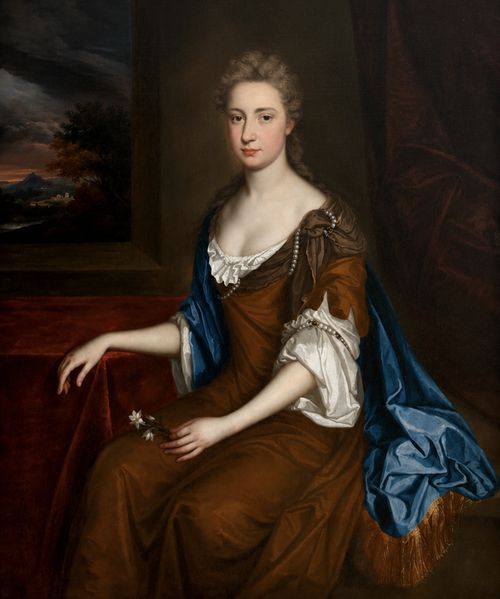
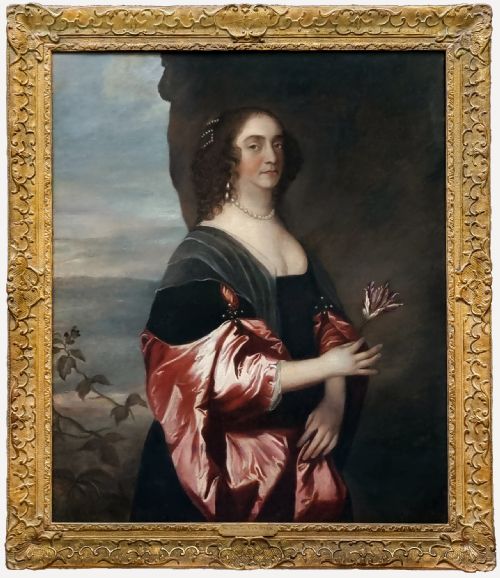
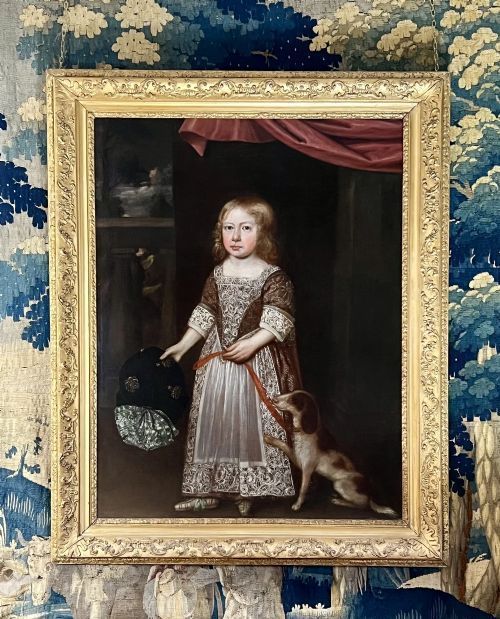
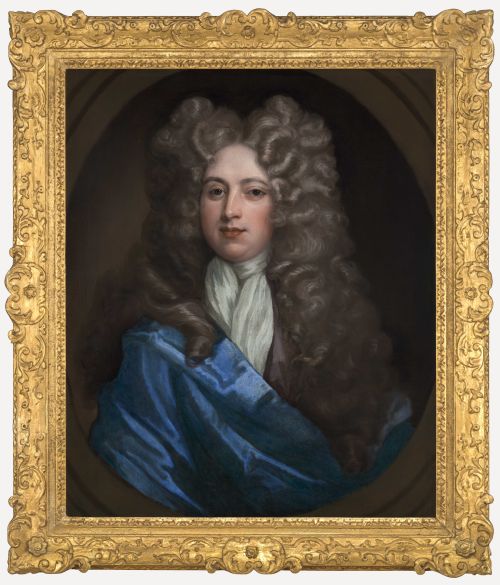
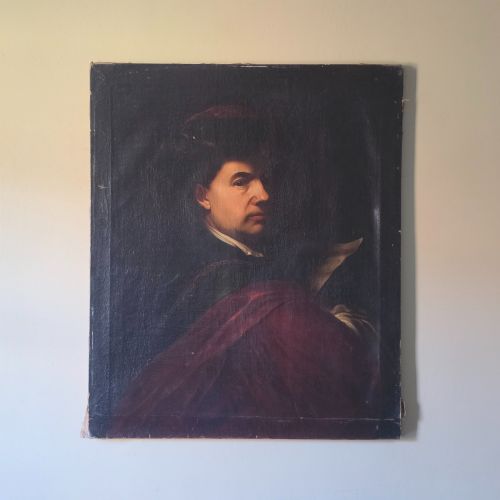
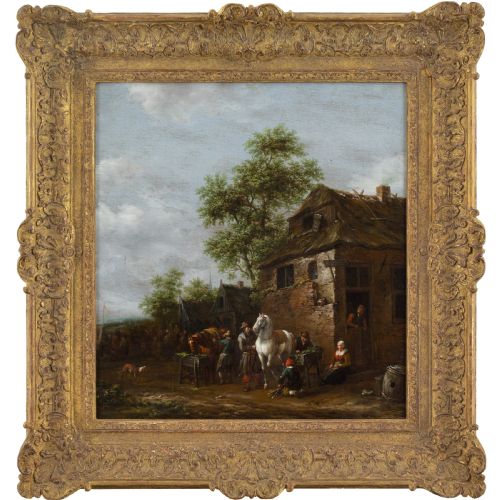
When searching for a 17th century baroque canvas, collectors encounter fine art oil paintings dominated by portraiture, landscapes, and narrative scenes rooted in the artistic traditions of the seventeenth century. The pieces available on this page span Dutch, Flemish, Italian, Spanish, German, and British schools, reflecting the expansive geographic reach of the baroque movement.
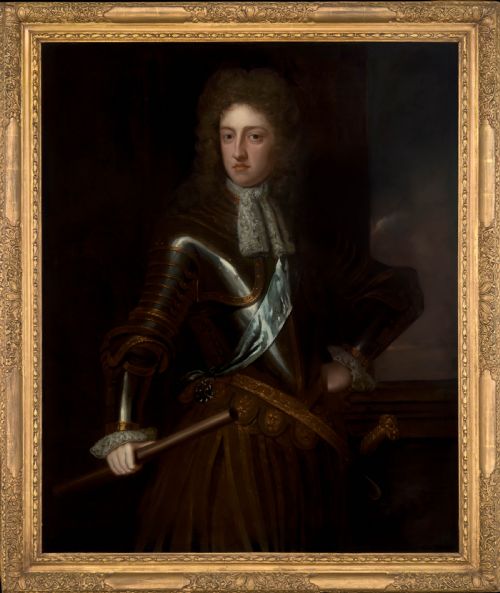
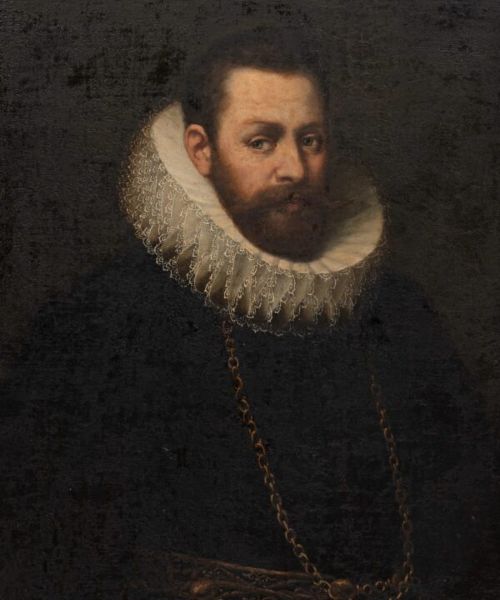
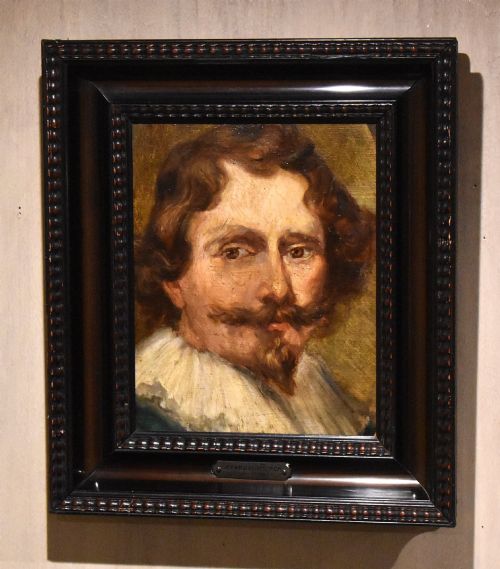
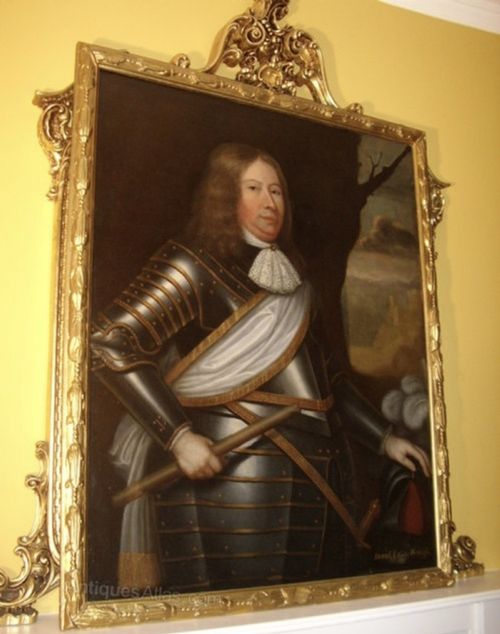
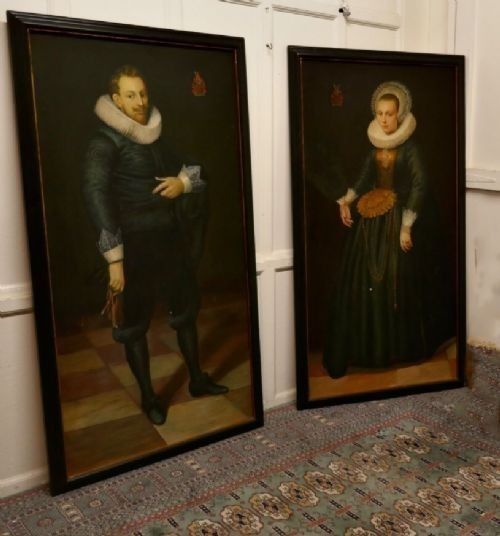
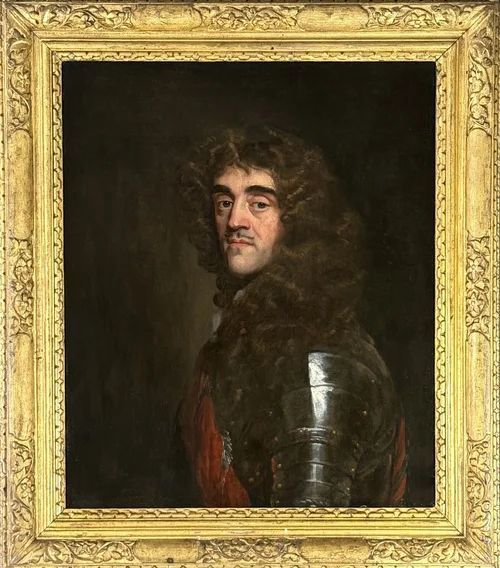
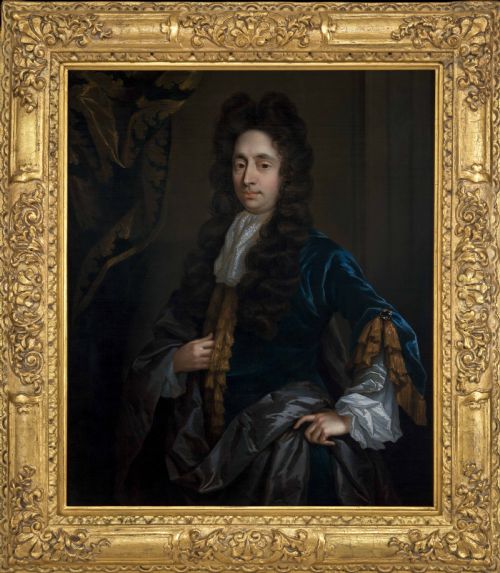
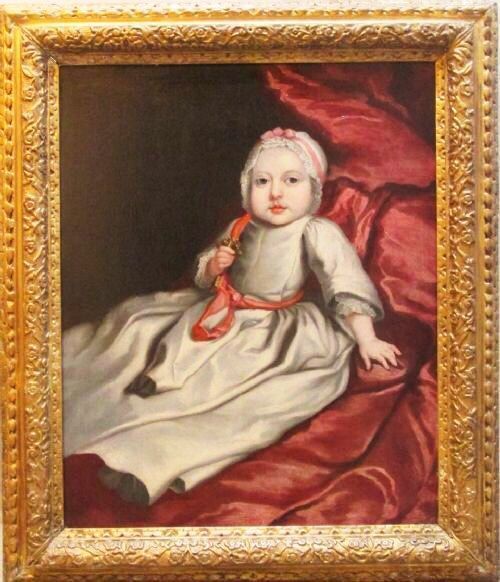
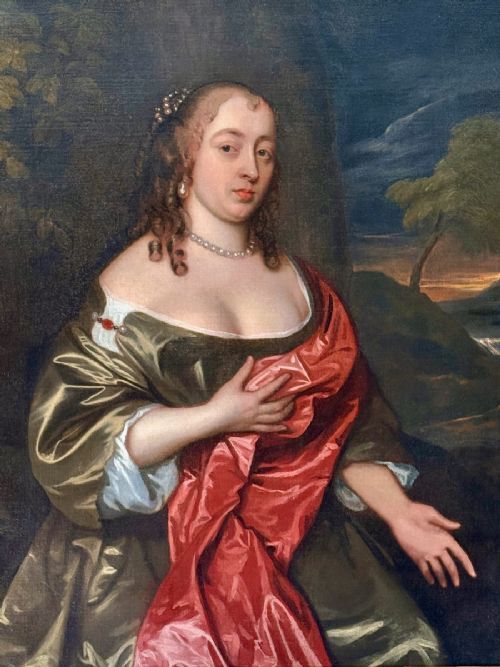
Portrait paintings of noblemen, ladies, military officers, and monarchs form the majority of the works encountered here. These oil paintings frequently capture subjects in elaborate costume, armour, or with detailed drapery characteristic of the period.
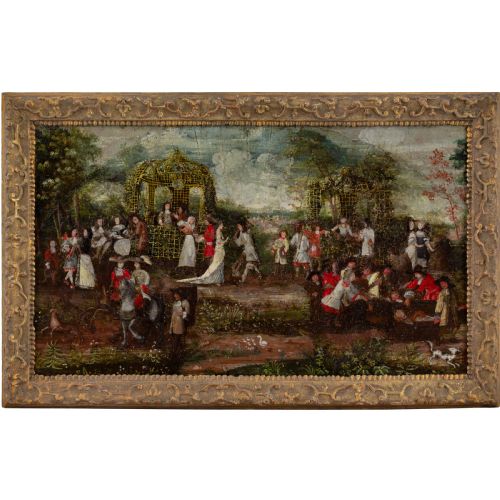
Alongside formal portraits, buyers will find landscape paintings, still life arrangements featuring fruit and fowl, and classical or religious subjects. The primary period represented is the seventeenth century, supplemented by later nineteenth-century interpretations created in the historical style.
How They Were Made
Artists built these works using oil paint applied to a woven canvas support, occasionally mounted over a wooden stretcher or frame. The technique relies on layered oil pigments to achieve deep shadows, luminous highlights, and rich textures in fabrics such as satin, velvet, and lace.
Frames associated with these works frequently utilise giltwood or gold leaf applied over a wood base to complement the opulent character of the paintings. The integration of oil and canvas allowed painters to manipulate light and shadow with the high contrast typical of the baroque aesthetic.
Listings feature works spanning the seventeenth, eighteenth, and nineteenth centuries, utilising oil on canvas with giltwood frames.
What Varies in Quality
Attribution also plays a role in the standing of a painting, distinguishing between direct works by recognised seventeenth-century painters, pieces produced within their immediate circle, and interpretations by later schools.
Sir Peter Lely·Angelo Maria Crivelli·Sir Godfrey Kneller·Constantyn Netscher·Pieter Borseler·Thomas Murray·John Scougall·Pietro Fachetti·John Greenhill·John Closterman·John Michael Wright·Guillaume Courtois·Gaspar Peeter Verbruggen·Sir Anthony van Dyck
The 17th Century Baroque Canvas Glossary
- Baroque
- An artistic style originating in the seventeenth century characterised by drama, deep shadow, and rich detail. This movement emphasised emotional intensity and grand scale across European painting.
- Oil on Canvas
- A traditional painting medium where pigment mixed with drying oil is applied to a stretched fabric support. This combination permits subtle blending and long-lasting colour saturation.
- Giltwood
- Wood that has been covered with a thin layer of gold leaf or gold paint. Frames utilising this material were designed to reflect candlelight and enhance the visual weight of the artwork.
- Studio of
- A designation indicating a work produced by assistants or pupils working under the direct supervision of a master artist. Such pieces typically follow the composition and methods of the primary master.
- Circle of
- A term used when a painting shows the distinct influence and stylistic traits of a known master without being attributed directly to them. It suggests a contemporary working within the same artistic milieu.
17th Century Baroque Canvas: Frequently Asked Questions
What is a 17th century baroque canvas?
These works are oil paintings created during the seventeenth century or in subsequent revival periods, capturing the dramatic lighting and rich textures of European baroque art. They primarily depict portraits of nobility, military figures, and religious or classical narratives.
Subjects are often shown wearing elaborate costumes, ruff collars, or armour, reflecting the social status and fashion of the period. The style prioritises emotional resonance and strong contrasts between light and dark.
How were these paintings originally displayed?
In the seventeenth century, large oil paintings were commissioned by nobility and the upper classes to furnish the walls of great houses, halls, and palaces. They served as expressions of political power, lineage, and cultural refinement.
Display spaces were designed to accommodate heavy giltwood frames that enhanced the grandeur of the artwork under natural light or candlelight.
How do I live with a baroque painting?
Integrating these works into a modern interior involves placing them on walls with stable humidity and away from direct, harsh sunlight to protect the oil pigments and canvas. Pairing them with dedicated picture lighting helps reveal the subtle tonal gradations in dark backgrounds.
Allowing the piece to serve as a focal point in a reception room or study lets the historical depth of the canvas anchor the surrounding decor without requiring heavy ornamentation.
How can I tell the original period?
Distinguishing the seventeenth-century originals from later nineteenth-century interpretations involves examining the preparation of the canvas, the ageing of the oil paint, and the stylistic conventions of the depicted clothing and hair. Signatures, inscriptions, and historical attribution records provide further guidance.
Comparing the handling of drapery and background elements against documented works from schools such as the Dutch Golden Age or Flemish baroque helps clarify the date of execution.