


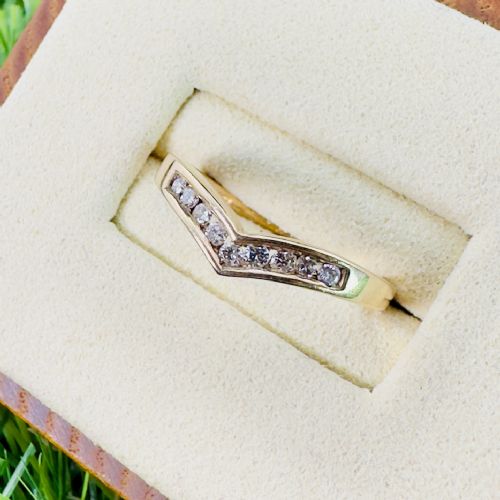


15ct Yellow Gold Band
A 15ct yellow gold band offers a rich, warm hue distinct from modern alloys, prized for its historical character and durability.
15ct Yellow Gold Band
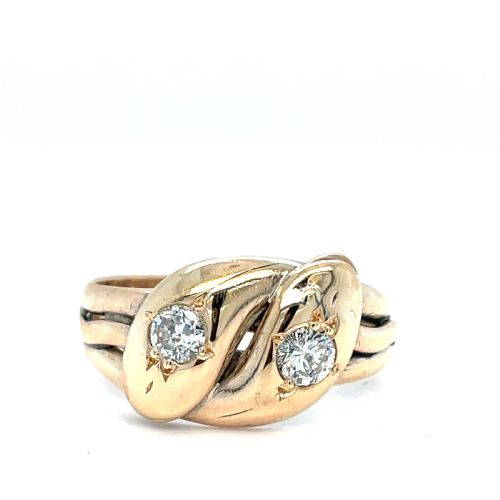
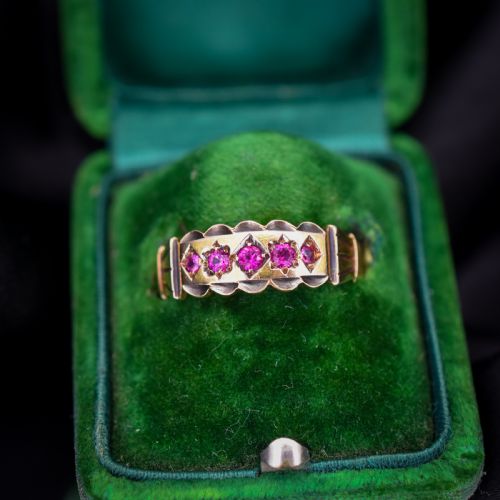
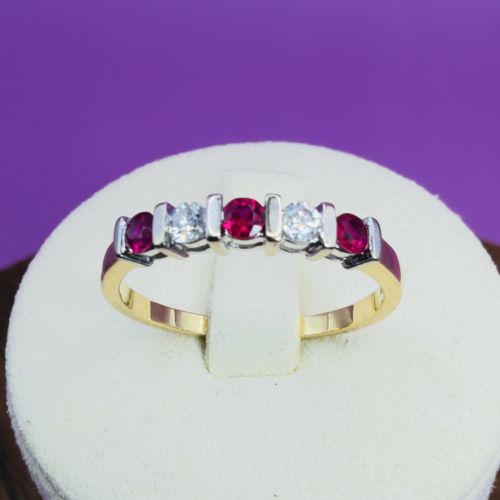
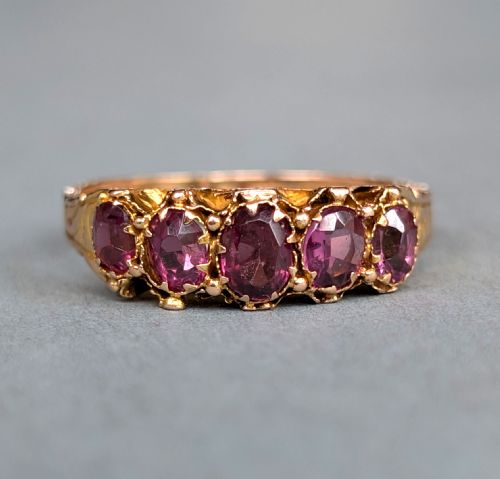
A 15ct yellow gold band is a historical ring type found in Victorian and Edwardian iterations on this page. These pieces span plain wedding bands to gem-set rings featuring turquoise, ruby, pearl, and diamond.
Buyers seeking this phrase encounter rings from the nineteenth and early twentieth centuries, alongside occasional earrings. The material standard represents a specific British fineness used before the shift to lower gold standards.
The selection ranges from engraved wedding bands and buckle rings to multi-stone arrangements like the five-stone ruby band. Each piece reflects the decorative priorities of its period, from floral motifs to sentimental memorial designs.
How they were made
These items utilise 15ct gold and 15ct yellow gold as the primary metal, shaped into solid bands or settings for gemstones. Stones such as diamonds, turquoise, rubies, pearls, and coral are flush-set, gypsy-set, or secured with tiny claws.
Craftsmen applied surface decoration through hand engraving, chasing, and patterning directly onto the gold. Structural elements like the buckle ring shape or domed profiles required skilled metal manipulation and soldering techniques.
The periods represented on this page span from the nineteenth century through the Edwardian era and into the twentieth century.
What varies in quality
Quality in these bands depends on the crispness of the original hand engraving and the structural integrity of the gold shank over time. Thicker bands retain their profiles better through decades of wear, preserving maker's marks and assay office stamps.
The choice and matching of stones also define the upper tier of pieces, particularly where natural coral, turquoise, or old-cut diamonds are securely integrated. Setting work that remains flush and even demonstrates superior workshop practice.
The 15ct Yellow Gold Band Glossary
- 15ct Gold
- A gold alloy containing fifteen parts pure gold out of twenty-four, yielding a distinctively warm colour common in British antique jewellery before the twentieth century standard change to nine carat or eighteen carat.
- Gypsy Ring
- A style where stones are flush-set directly into the thick metal band, sloping smoothly towards the finger. This form became popular during the Victorian era for both men and women.
- Buckle Ring
- A band formed in the shape of a buckled belt, laden with Victorian symbolism representing loyalty and eternal fidelity. These rings are typically cast and hand-chased in yellow gold.
- Assay Office
- An official body responsible for testing the purity of precious metals and stamping items with hallmarks. Marks often include symbols indicating the town of testing, such as Chester or Birmingham.
- Seed Pearl
- Very small natural or saltwater pearls utilised in Victorian jewellery for delicate floral or geometric patterns. They are typically half-drilled and glued or pegged onto gold settings.
15ct Yellow Gold Band: Frequently Asked Questions
How do I care for a 15ct yellow gold band?
Clean these rings gently using warm soapy water and a soft brush, avoiding harsh chemical dips that damage soft gems like turquoise or pearl.
Store them separately in fabric pouches to prevent the harder gold or diamonds from scratching softer materials.
Can I resize an antique 15ct gold ring?
Most plain bands and certain patterned rings can be altered by a skilled jeweller who works with antique gold alloys.
Intricately engraved or fully gem-set bands require careful consideration so the adjustment does not disrupt the pattern or loosen the stones.
What does the 15ct hallmark mean?
The 15ct mark indicates that the metal contains fifteen parts gold by weight out of twenty-four parts total. This standard was used in Britain until the legal standard changed in nineteen thirty-one.
Finding this stamp usually confirms the piece dates from the Victorian or Edwardian periods.
Are these rings suitable for daily wear?
Solid gold bands without protruding stones withstand daily wear well if the band retains adequate thickness. Pieces set with pearls, turquoise, or coral need extra care because these organic materials are softer than gold.