




14ct Gold Solitaire Ring
A 14ct gold solitaire ring offers a classic setting that showcases a single stone, combining durability with elegance across various historical periods.
14ct Gold Solitaire Ring
A 14ct gold solitaire ring centres upon a single prominent stone held securely within a precious metal mount. Pieces meeting this description appear across Victorian, Edwardian, Art Deco, and Mid-Century periods.
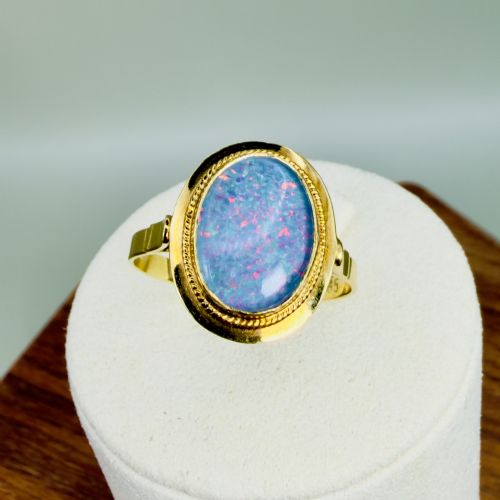
The material composition spans traditional 14ct yellow gold, 14ct white gold, and platinum combinations. Stones range from traditional diamonds to bloodstone, ruby, aquamarine, amethyst, and black boulder opal.
Examples date from nineteen hundred through to nineteen sixty, capturing shifts in design from ornate Edwardian motifs to streamlined Mid-Century Modern styles.
How they were made
Goldsmiths utilised fourteen-carat gold and platinum to construct robust settings capable of holding substantial stones securely. Metalwork often involved casting and hand-finishing techniques suited to the aesthetic of each specific decade.
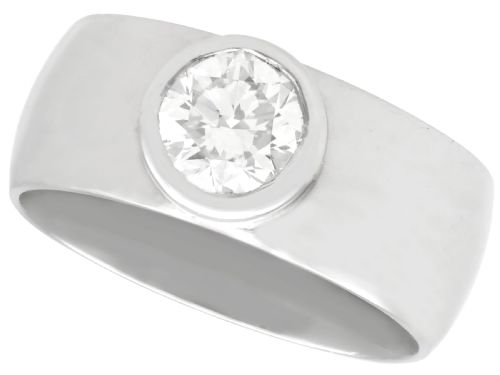
Gemstones underwent various cuts including old cushion, elongated fancy oval, and brilliant cuts to maximise light return and colour expression within the single-stone layout.
Some vintage rings feature amethysts weighing over twenty-eight carats, proving that subtlety was occasionally abandoned in favour of impressive geological bulk.
What varies in quality
Quality differences emerge in the weight, clarity, and cut precision of the central stone, whether diamond, opal, or coloured gemstone. Proportion and balance between the stone and the 14ct gold band dictate the overall visual harmony.
The integrity of the metalwork, prong execution, and preservation of original hallmarks contribute significantly to the distinction between standard and superior examples.
The 14ct Gold Solitaire Ring Glossary
- Solitaire
- A ring featuring a single set gemstone rather than multiple stones. This design directs undivided attention to the characteristics of the central mineral.
- 14ct Gold
- An alloy containing fourteen parts gold and ten parts other metals for increased strength. This composition balances rich colour with practical durability for daily wear.
- Platinum
- A dense, white precious metal utilised alongside 14ct gold in ring construction. It offers exceptional security for stone settings due to its high tensile strength.
- Boulder Opal
- An opal type consisting of precious opal intergrown with its natural ironstone host rock. It displays vibrant play-of-colour across a dark matrix.
- Old Cut
- A historic diamond cutting style preceding modern brilliant cuts. These stones typically exhibit smaller tables and higher crowns, producing a distinctive candlelit sparkle.
14ct Gold Solitaire Ring: Frequently Asked Questions
What is a 14ct gold solitaire ring?
A 14ct gold solitaire ring is a piece of jewellery featuring a single gemstone mounted on a band made from fourteen-carat gold. This design focuses attention entirely on the central mineral.
Such rings span multiple historical eras from the Victorian period through to the mid-twentieth century, incorporating diamonds, opals, and coloured stones.
How do I care for my ring?
Care involves gentle cleaning with warm soapy water and a soft brush to remove everyday debris from beneath the stone setting. Harsh chemicals should be avoided to protect both the metal and softer gems.
Regular inspection by a professional jeweller ensures the prongs holding the central stone remain secure and tight.
Are these rings suitable for daily wear?
Fourteen-carat gold provides a durable alloy suitable for everyday use, balancing pure gold content with strengthening metals. This makes the band robust enough for routine activities.
However, softer stones like opals require extra caution compared to diamonds or rubies to prevent surface scratching during vigorous tasks.
How can I tell the period of a ring?
Dating relies on stylistic clues such as the decorative motifs of the Edwardian era or the geometric lines typical of Art Deco design. Hallmarks stamped inside the band also offer clues to the manufacturing date and origin.
Cut styles of gemstones further assist in identifying whether a piece originates from the early twentieth century or the mid-century period.