


14ct Gold Sapphire Ring
A 14ct gold sapphire ring brings together deep blue stones and warm metal in designs spanning from the Edwardian era to the mid-century.
14ct Gold Sapphire Ring
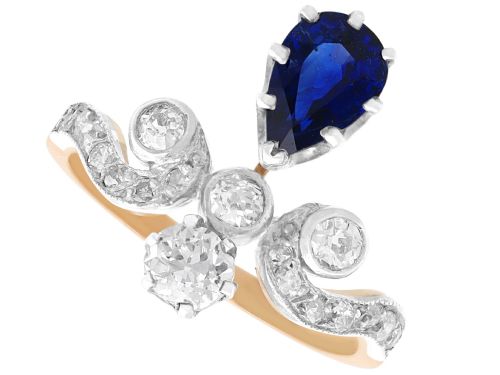
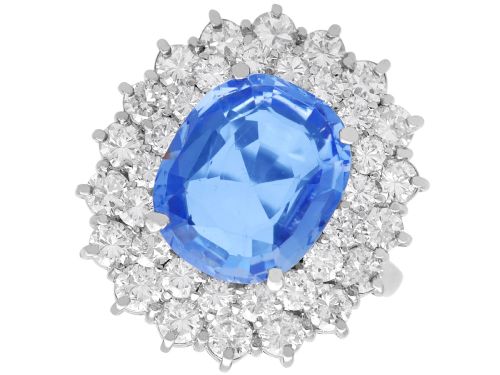
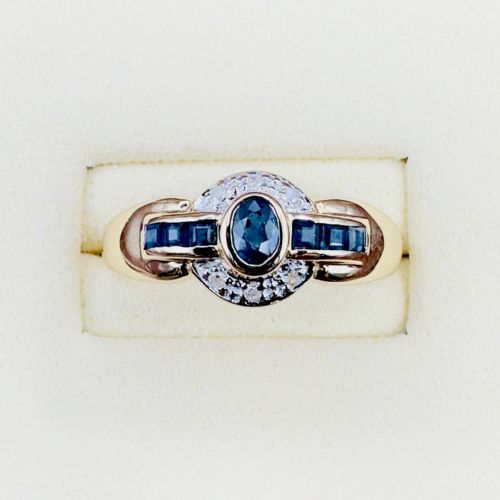
A 14ct gold sapphire ring spans several distinct periods, with Edwardian, Art Deco, and mid-century examples appearing frequently. Buyers encounter various forms, from cluster and multi-stone arrangements to dress rings and cocktail styles.
The materials paired with sapphires in these pieces typically include diamonds, opals, and occasionally silver or alternative gemstones set in yellow, white, or rose gold. Most examples draw upon classic cluster designs or geometric motifs characteristic of the early to mid-twentieth century.
How they were made
Goldsmiths utilised 14ct gold in yellow, white, and rose hues to form the bands and settings, often combining silver for specific gemstone mounts in earlier periods. Stones were secured using claw, bezel, or flush settings tailored to the cut of the sapphire.
Cutting styles for the central stones vary across the inventory, ranging from traditional princess and oval cuts to marquise and rose cuts. Gemstones are frequently arranged in tight clusters or stepped geometric layouts supported by the durable 14ct alloy.
Thai princess rings bring an extra layer of royal title charm to the vintage sapphire selection.
What varies in quality
The calibre of a piece rests upon the depth of colour and clarity within the sapphire, alongside the precision of the surrounding gemstone arrangement. Finer examples display balanced stone proportions and secure, refined setting work that complements the metal.
Design execution and period integrity set finer items apart, particularly in pieces reflecting distinct Art Deco or Edwardian aesthetics. The harmony between the central blue stone and secondary diamonds or opals dictates the overall visual strength of the ring.
The 14ct Gold Sapphire Ring Glossary
- Cluster ring
- A ring design featuring a central stone surrounded by a group of smaller gems, typically diamonds framing a sapphire. This layout maximises the perceived sparkle and presence of the piece.
- Art Deco
- A design style spanning the 1920s and 1930s characterised by geometric symmetry, clean lines, and stylised motifs. Pieces from this period often utilise strong contrasts in colour and shape.
- Edwardian
- A period spanning the early 20th century known for delicate, intricate metalwork and lighter overall proportions. Jewellery from this era frequently incorporates platinum or silver-topped gold alongside gemstones.
- Marquise cut
- An elliptically shaped gemstone with pointed ends, designed to maximise carat weight visually and elongate the finger. This faceted cut appears in both vintage and antique dress rings.
14ct Gold Sapphire Ring: Frequently Asked Questions
How do I care for a 14ct gold sapphire ring?
Sapphires are durable stones, but the 14ct gold setting benefits from gentle cleaning with warm soapy water and a soft brush. Regular checks by a jeweller ensure the claws holding the stones remain secure.
Avoid exposing the ring to harsh household chemicals or ultrasonic cleaners, particularly if the piece incorporates softer gems like opal alongside the sapphire.
What periods do these rings come from?
The inventory encompasses pieces from the Edwardian era, the 1920s, 1930s, and mid-century decades up to the 1960s. Earlier 19th-century examples also appear.
Stylistic markers such as filigree work, geometric cluster layouts, or tank ring profiles help identify the specific era of manufacture.
Are all these rings made of yellow gold?
No, while yellow 14ct gold is common, the selection also includes white gold, rose gold, and pieces that incorporate silver alongside the gold components.
Different metal colours often align with specific periods, such as white gold and platinum-topped designs prevailing during the Art Deco years.
What stones are usually paired with sapphires?
Diamonds are the most frequent companion to sapphires, arranged as single stones, borders, or cluster frames. Opals and tanzanite also appear in specific multi-gemstone configurations.
These combinations alter the overall visual texture, balancing the deep blue of the sapphire with brilliance or iridescent play of colour.