8,356  PAGES BROWSED TODAY PAGES TODAY 36  ANTIQUES UPLOADED TODAY NEW ARRIVALS
ID #SA784756
FOR SALE
£13,750
Email Buy
Save
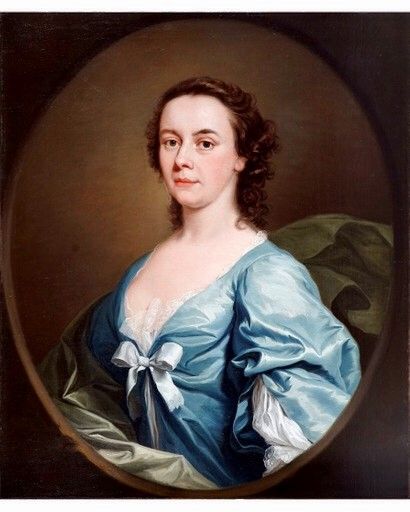
Portrait, Probably, of Lady Dorothy Sherard C.1745, by Andrea Soldi.
Roy Precious - Antiques & Fine Art
for sale €16,088     $17,463
£13,750
Roy Precious - Antiques & Fine Art

Roy Precious - Antiques & Fine Art

Sellingantiques Verified Since Mar 2003
View Dealers Stock Page
  • About Us
    Roy and nadine precious: specialists in portraiture from the 16th to the 20th century. Established in 1972.
Id #SA784756
PDF SHARE
SAVE

Portrait, Probably, of Lady Dorothy Sherard C.1745, by Andrea Soldi.

18th century
Description

Oil on canvas in a fine period frame. This is a superb painting, an example of Soldi's finest work, with an excellent aristocratic provenance.

John Ingamells attributed this portrait to Soldi during his Directorship of the Wallace Collection (1977–92). Stylistically the portrait is very similar to a portrait of Lady Graham (d.1763) signed and dated 1743 (John Ingamells, ‘Andrea Soldi—a check-list of his work’, 'Walpole Society', XLVII, 1978–80, p. 10, cat. no. 33, pl. 2d). Philip Sherard, 2nd Earl of Harborough (d.1758) was painted at three-quarter length by Soldi at about the same time and this supports the suggestion that the sitter was perhaps his wife, Anne Pedley (Ingamells 1978–80, p. 11, cat. no. 35A, pl. 3b).
However, recent work by our researcher says:

"Starting (as one must) from the Soldi expertise of Ingamells, he suggests this should be dated to the mid-1740s and notes that Philip Sherard, 2nd Earl of Harborough sat to Soldi around that time.
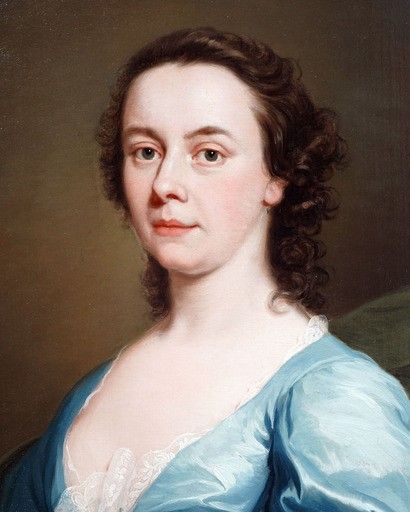
Philip was born c1680 and died in 1750. As he married Anne Pedley in 1703, she would have been over 60 at this point, so the suggestion that the sitter is his wife really doesn't hold water: we need to drop down a generation...
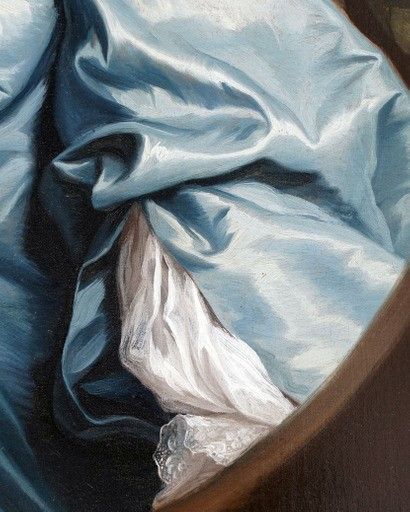
There would seem to be two plausible contenders:

* Bennet Sherard, 3rd Earl of Harborough and son of the above, married (on 28 June 1748) Lady Elizabeth Verney, daughter of Ralph Verney, 1st Earl Verney of Middle Claydon Bucks, and Catherine Paschall. Elizabeth was born 2 May 1710, so this would fit (the sitter looks to be in her thirties), She bore multiple sons and daughters, but none survived infancy. She died in 1756. If you Google 'Manfamily.org' and find the pdf 'The Palmer Family of Roydon and Chelsea', there is a picture of the Countess on p251, a rather undistinguished work apparently by Thomas Hudson. It is supposed to be at Claydon House, but strangely doesn't appear on the NT register of contents! A possible likeness, but inconclusive in my opinion.
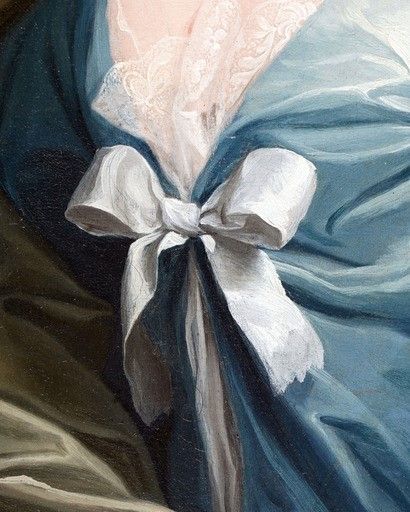
* Lady Dorothy Sherard, Bennet's sister, who married the Revd James Torkington, member of a gentry family with their seat at Stukeley Hall, Great Stukeley. James was Rector of King's Ripton and Little Stukeley, Hunts. Lady Dorothy was born 10 Nov 1707, married 1731 and died 1780. Their daughter Ann married religious and political reformer John Jebb and was herself a radical writer.
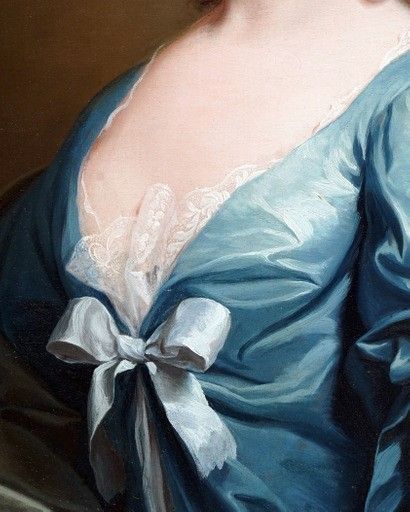
If you go to the Wikipedia page for the 2nd Earl, footnote 5 at the bottom takes you to "An 18th Century Leicestershire Squarson", a fascinating biography of the 4th Earl which provides chapter and verse about the earlier Sherard family's feuds and financial challenges. It also makes it clear that Dorothy and her husband remained very much at the heart of the family circle.
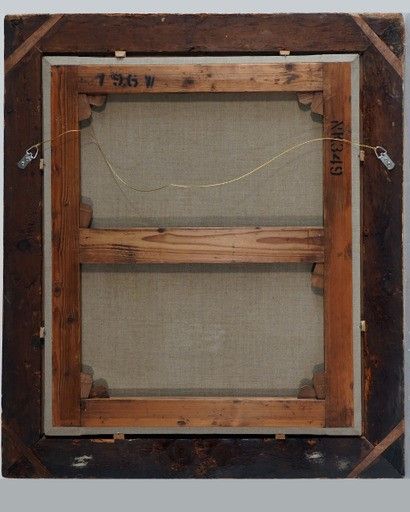
I would go for Lady Dorothy."

ANDREA SOLDI (1703-1771) was an Italian portraitist active in Britain.

Born in Florence and had come to England in about 1736 on the advice of British merchants belonging to the Levant Company, who had commissioned their portraits from him during his travels in the Middle East. From 1738 to 1744 he won much success in London's art market and among Italophile noblemen back from their Grand Tour, being preferred to both English portrait practice (fluctuating between Rococo and Kneller-like styles) and to other Italian portraitists in England at the time, such as the Cavaliere Rusca (worked in London 1738–39), and Andrea Casali (worked in London 1741–66). Beginning "above thirty portraits" from April to August 1738 alone (according to Vertue), Soldi's only serious rival was Jean-Baptiste van Loo (in London 1737–42). Particular rival was Jean-Baptiste van Loo (in London 1737–42). Particular patrons included the 2nd Duke of Manchester, 3rd Duke of Manchester, 3rd Duke of Beaufort and 4th Viscount Fauconberg. Soldi died in London.

SIZE: 37 x 31.75 inches including the frame.

PROVENANCE: The Earls of Harborough, Stapleford, Leicestershire, and by descent.

Physical Dimensions
Height
94cm (37.01")
Width
80.5cm (31.69")
Depth
5cm (1.97")
Declaration

Roy Precious - Antiques & Fine Art has dated this 18th Century Oil Portrait to the 18th Century.

Reference Numbers
Sellingantiques Reference
SA784756
Dealers Internal Reference
9207
Description
Oil on canvas in a fine period frame.
This is a superb painting, an example of Soldi's finest work, with an excellent aristocratic provenance.
Roy Precious - Antiques & Fine Art

John Ingamells attributed this portrait to Soldi during his Directorship of the Wallace Collection (1977–92). Stylistically the portrait is very similar to a portrait of Lady Graham (d.1763) signed and dated 1743 (John Ingamells, ‘Andrea Soldi—a check-list of his work’, 'Walpole Society', XLVII, 1978–80, p. 10, cat. no. 33, pl. 2d). Philip Sherard, 2nd Earl of Harborough (d.1758) was painted at three-quarter length by Soldi at about the same time and this supports the suggestion that the sitter was perhaps his wife, Anne Pedley (Ingamells 1978–80, p. 11, cat. no. 35A, pl. 3b).

fig 1. An 18th-century oil portrait of a woman in a blue satin gown, displayed inside a rectangular carved giltwood frame.
fig 1. Portrait, Probably, of Lady Dorothy Sherard C.1745, by Andrea Soldi.

However, recent work by our researcher says:

"Starting (as one must) from the Soldi expertise of Ingamells, he suggests this should be dated to the mid-1740s and notes that Philip Sherard, 2nd Earl of Harborough sat to Soldi around that time.

fig 2. An 18th-century oil portrait of a woman in a blue satin gown, displayed inside a rectangular carved giltwood frame.
fig 2. Portrait, Probably, of Lady Dorothy Sherard C.1745, by Andrea Soldi.

Philip was born c1680 and died in 1750. As he married Anne Pedley in 1703, she would have been over 60 at this point, so the suggestion that the sitter is his wife really doesn't hold water: we need to drop down a generation...

fig 3. An 18th-century oil portrait of a woman in a blue satin gown, displayed inside a rectangular carved giltwood frame.
fig 3. Portrait, Probably, of Lady Dorothy Sherard C.1745, by Andrea Soldi.

There would seem to be two plausible contenders:

Bennet Sherard, 3rd Earl of Harborough and son of the above, married (on 28 June 1748) Lady Elizabeth Verney, daughter of Ralph Verney, 1st Earl Verney of Middle Claydon Bucks, and Catherine Paschall. Elizabeth was born 2 May 1710, so this would fit (the sitter looks to be in her thirties), She bore multiple sons and daughters, but none survived infancy. She died in 1756. If you Google 'Manfamily.org' and find the pdf 'The Palmer Family of Roydon and Chelsea', there is a picture of the Countess on p251, a rather undistinguished work apparently by Thomas Hudson. It is supposed to be at Claydon House, but strangely doesn't appear on the NT register of contents! A possible likeness, but inconclusive in my opinion.

fig 4. An 18th-century oil portrait of a woman in a blue satin gown, displayed inside a rectangular carved giltwood frame.
fig 4. Portrait, Probably, of Lady Dorothy Sherard C.1745, by Andrea Soldi.

Lady Dorothy Sherard, Bennet's sister, who married the Revd James Torkington, member of a gentry family with their seat at Stukeley Hall, Great Stukeley. James was Rector of King's Ripton and Little Stukeley, Hunts. Lady Dorothy was born 10 Nov 1707, married 1731 and died 1780. Their daughter Ann married religious and political reformer John Jebb and was herself a radical writer.

fig 5. An 18th-century oil portrait of a woman in a blue satin gown, displayed inside a rectangular carved giltwood frame.
fig 5. Portrait, Probably, of Lady Dorothy Sherard C.1745, by Andrea Soldi.

If you go to the Wikipedia page for the 2nd Earl, footnote 5 at the bottom takes you to "An 18th Century Leicestershire Squarson", a fascinating biography of the 4th Earl which provides chapter and verse about the earlier Sherard family's feuds and financial challenges. It also makes it clear that Dorothy and her husband remained very much at the heart of the family circle.

fig 6. An 18th-century oil portrait of a woman in a blue satin gown, displayed inside a rectangular carved giltwood frame.
fig 6. Portrait, Probably, of Lady Dorothy Sherard C.1745, by Andrea Soldi.

I would go for Lady Dorothy."

ANDREA SOLDI (1703-1771) was an Italian portraitist active in Britain.

Born in Florence and had come to England in about 1736 on the advice of British merchants belonging to the Levant Company, who had commissioned their portraits from him during his travels in the Middle East. From 1738 to 1744 he won much success in London's art market and among Italophile noblemen back from their Grand Tour, being preferred to both English portrait practice (fluctuating between Rococo and Kneller-like styles) and to other Italian portraitists in England at the time, such as the Cavaliere Rusca (worked in London 1738–39), and Andrea Casali (worked in London 1741–66). Beginning "above thirty portraits" from April to August 1738 alone (according to Vertue), Soldi's only serious rival was Jean-Baptiste van Loo (in London 1737–42). Particular rival was Jean-Baptiste van Loo (in London 1737–42). Particular patrons included the 2nd Duke of Manchester, 3rd Duke of Manchester, 3rd Duke of Beaufort and 4th Viscount Fauconberg. Soldi died in London.

SIZE: 37 x 31.75 inches including the frame.

PROVENANCE: The Earls of Harborough, Stapleford, Leicestershire, and by descent.

Height
94cm (37.01")
Width
80.5cm (31.69")
Depth
5cm (1.97")
Date of Manufacture

Roy Precious - Antiques & Fine Art has dated this 18th Century Oil Portrait to the 18th Century.

Reference Numbers
Sellingantiques Ref
SA784756
Dealers Internal Ref
9207
Roy Precious - Antiques & Fine Art
Sellingantiques verified Since Mar 2003

Roy and nadine precious: specialists in portraiture from the 16th to the 20th century. Established in 1972.

Dealer Profile

You can view the stock and full dealer information on the Roy Precious - Antiques & Fine Art Profile Page

PDF SHARE
SAVE
An 18th-century oil portrait of a woman in a blue satin gown, displayed inside a rectangular carved giltwood frame.
1 / 7
Archive I An 18th-century oil portrait of a woman in a blue satin gown, displayed inside a rectangular carved giltwood frame.

Portrait, probably, of Lady Dorothy Sherard c.1745, by Andrea Soldi.

Archive II An 18th-century oil portrait of a woman in a blue satin gown, displayed inside a rectangular carved giltwood frame. View II
Archive III An 18th-century oil portrait of a woman in a blue satin gown, displayed inside a rectangular carved giltwood frame. View III
Archive IV An 18th-century oil portrait of a woman in a blue satin gown, displayed inside a rectangular carved giltwood frame. View IV
Archive V An 18th-century oil portrait of a woman in a blue satin gown, displayed inside a rectangular carved giltwood frame. View V
Archive VI An 18th-century oil portrait of a woman in a blue satin gown, displayed inside a rectangular carved giltwood frame. View VI
Archive VII An 18th-century oil portrait of a woman in a blue satin gown, displayed inside a rectangular carved giltwood frame. View VII
FURTHER BROWSING

Visitors also looked at these ⇣

Enlarged Archival View
Location
Wiltshire
United Kingdom
Dealer Profile Page sellingantiques.co.uk/rp
Verified Since Mar 2003
Items For Sale 95
Items Sold 679
Roy Precious - Antiques & Fine Art
Verified Since Mar 2003
View Dealer Info
Location: Wiltshire, United Kingdom
Verified
Mar 2003
For Sale
95
Sold
679
An 18th-century oil portrait of a woman in a blue satin gown, displayed inside a rectangular carved giltwood frame.
Portrait, probably, of Lady Dorothy Sherard c.1745, by Andrea Soldi.
Ref: SA784756
An 18th-century oil portrait of a woman in a blue satin gown, displayed inside a rectangular carved giltwood frame.
Detail View 1
Detail View 2
Detail View 3
Detail View 4
Detail View 5
Detail View 6
Archival Detail
Every single antique dealer on our platform is individually approved by our internal team. We verify their professional trade history, ethical standards, and photographic quality to ensure a secure, high-standard buying environment. Upon joining, every dealer agrees to a strict 9-point code of conduct. While issues can occasionally arise, our dealers typically resolve them swiftly and directly with the buyer. In fact, since our founding in 2002, Sellingantiques has only had to step in to help resolve an issue on roughly five occasions—a true testament to the quality of our dealers and their dedication to your happiness.
Our dealers are highly experienced in packing and shipping fragile, high-value antiques. Because you are in direct contact with the dealer, you will be able to easily go through all available shipping and insurance options together to ensure your item arrives safely.
Antiques are the ultimate green purchase. By choosing historical pieces over newly manufactured goods, you completely eliminate the carbon footprint of modern mass production while preserving exceptional, timeless craftsmanship.

Georgian portraiture from the mid-18th century frequently features formal compositions, smooth brushwork, and detailed rendering of fabric and attire. Sitters were often depicted against understated dark or architectural backgrounds, sometimes framed within a feigned oval format.

Paintings from this period were predominantly executed using oil pigments applied to hand-stretched linen canvases. Frames were typically constructed from carved timber coated in gesso and finished with water-gilded gold leaf.

Authentic period paintings display natural craquelure patterns across the paint surface, original timber stretcher bars, and signs of aged oxidation on the reverse of the canvas. Analysis of pigments, canvas weave, and hand-carved frame joinery further confirms period origin.

A period oil portrait serves as a focal point when positioned above a fireplace mantelpiece, sideboard, or console table. It can be displayed independently or integrated into an eclectic gallery wall to contrast classical art with contemporary decor.

Keep the canvas away from direct sunlight, extreme humidity, and direct heat sources to prevent cracking and canvas tension changes. Clean the gilded frame gently with a soft dry brush, avoiding liquid cleaners or water.
items
Add keywords to the filter
Price
£100
£250000
Era
Movements
Material
Origin
Stock Location
Freshness
Online Payments
Categories