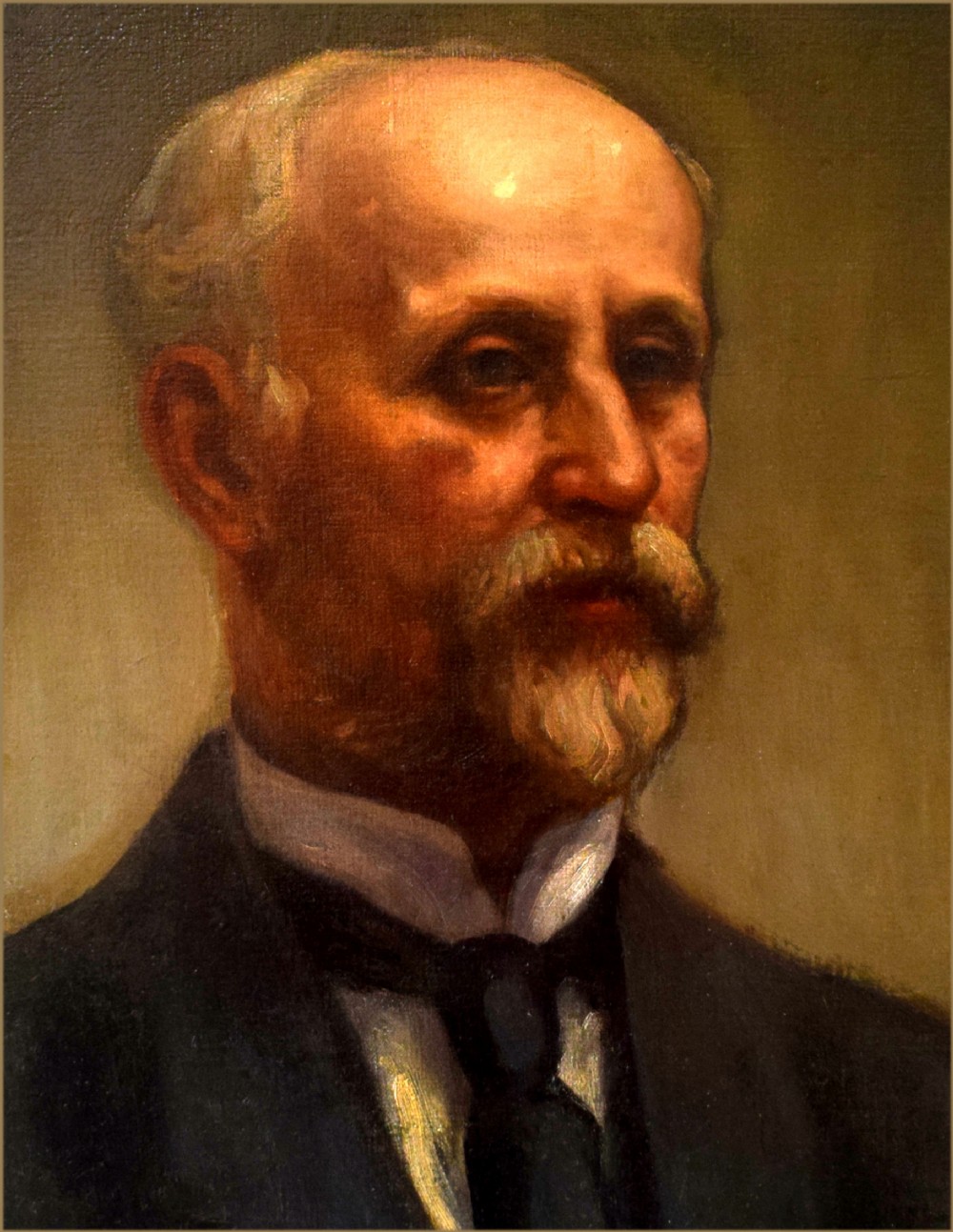
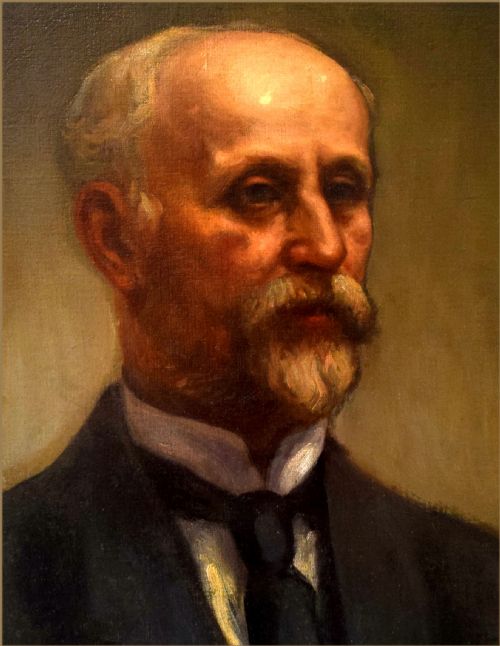
Artware Fineart has dated this Antique Portrait Oil Painting to the 1920s.
Portrait of the sculptor Isidore Konti 1862-1938
oil on canvas
62 x 51 cm. ( 24.3/4 x 20.1/4in.)
Isidore Konti (July 9, 1862 – January 11, 1938) was a Vienna-born (of Hungarian parents) sculptor.
In 1886 he won a scholarship that allowed him to study in Rome for two years. While there he developed a love of Renaissance art that was to affect the nature of his mature sculpture. Upon returning to Austria, Konti worked as an architectural modeler.
In 1890, 1891 or 1892 (depending on the source) Konti moved, permanently as it turned out, to America, there going straight to Chicago, where he began working on sculptural decorations for the 1893 World's Columbian Exposition. When the work there was completed, he moved to New York City and commenced working as an assistant for fellow Austrian expatriate Karl Bitter. Konti's skills as a modeler kept him in much demand—for the 1900 Pan American Exposition in Buffalo, New York; for the 1904 Louisiana Purchase Exposition in St. Louis; and for the 1915 Panama Pacific Exposition in San Francisco. In 1906 he was elected into the National Academy of Design as an Associate member and became a full Academician in 1909.
Isidore Konti, was a highly skilled practitioner of the Beaux-Arts tradition. He lived in Yonkers from 1906 until his death, even moving his studio from New York City in 1914. Konti became a key member of the Yonkers cultural scene, co-founding the Yonkers Art Association, serving as commissioner of the Yonkers Museum of Science and Arts (Hudson River Museum), and producing four commissions for public statuary.
Konti earned an international reputation for works such as " the Genius of Immortality", with it sensuous and sinuous lines and tactile surfaces, was one of his most admired sculptures. The Metropolitan Museum of Art acquired a copy in 1916, the next year another was lent to the Detroit Institute of Art by one if its major donors. Overseas, the Italian government owned a copy. Like many of Konti’s subjects, the poetic title of the Genius is not directly narrative, but suggests a variety of allegorical associations.
In 1908, Isidore Konti, busy with several commissions, hired Paul Manship as an assistant. Though Manship, a herald of Art Deco Modernism, is better remembered, both artists achieved international renown in their day, when their statues adorned the lavishly landscaped gardens of Samuel Untermyer’s Greystone estate. Their sculptures bracket the long years spent by Untermyer landscaping and embellishing his elaborate Yonkers estate, a portion of which is now preserved as a public park.
Samuel Untermyer’s mansion, Greystone, is Yonkers grandest “lost” house, originally built in the 1860s for hat manufacturer John Waring. The second owner was former New York governor Samuel Tilden, who retired to Yonkers after losing the 1876 Presidential election to Rutherford Hayes. Untermyer (1858-1940) purchased Greystone in 1899. A graduate of Columbia Law School and a moderate Zionist, he is best known for his trust-busting activities and for his early and vociferous opposition to Hitler.
Isidore Konti (1862-1938) was born in Austria, but came to the United States in his early thirties and from about 1893 until the turn of the century worked in Karl Bitter's studio (having likely met Bitter while they were both working in Chicago for the World's Columbian Exposition). Konti would become an important figure in the Yonkers art community, achieving prominence primarily through architectural and memorial commissions, including works for the Pan-American Building in Washington, DC, friezes for the renowned Gainsborough Studio Building in New York City, statues of Justinian and Alfred the Great a
Artware Fineart has dated this Antique Portrait Oil Painting to the 1920s.
You can view the stock and full dealer information on the Artware Fineart Profile Page
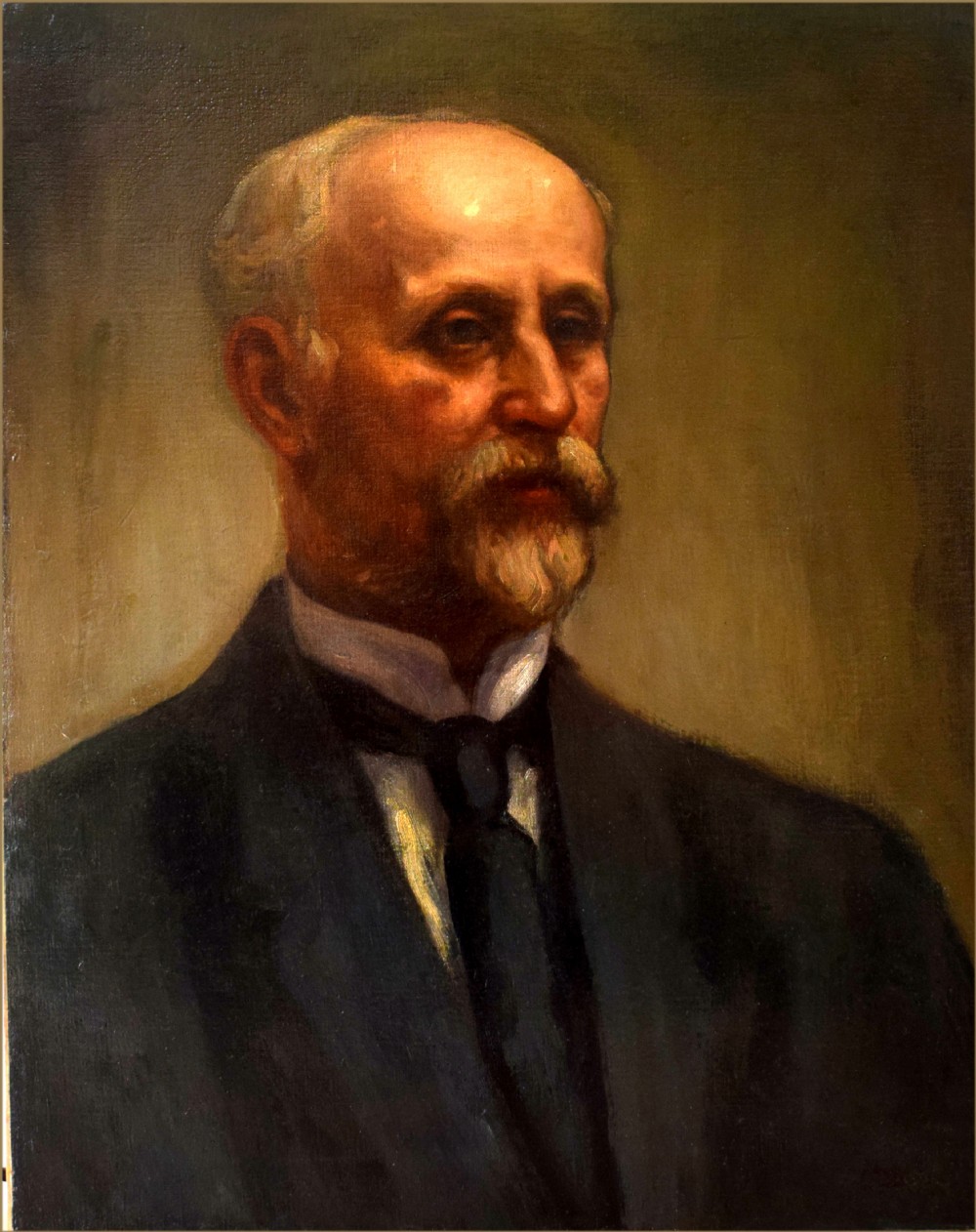
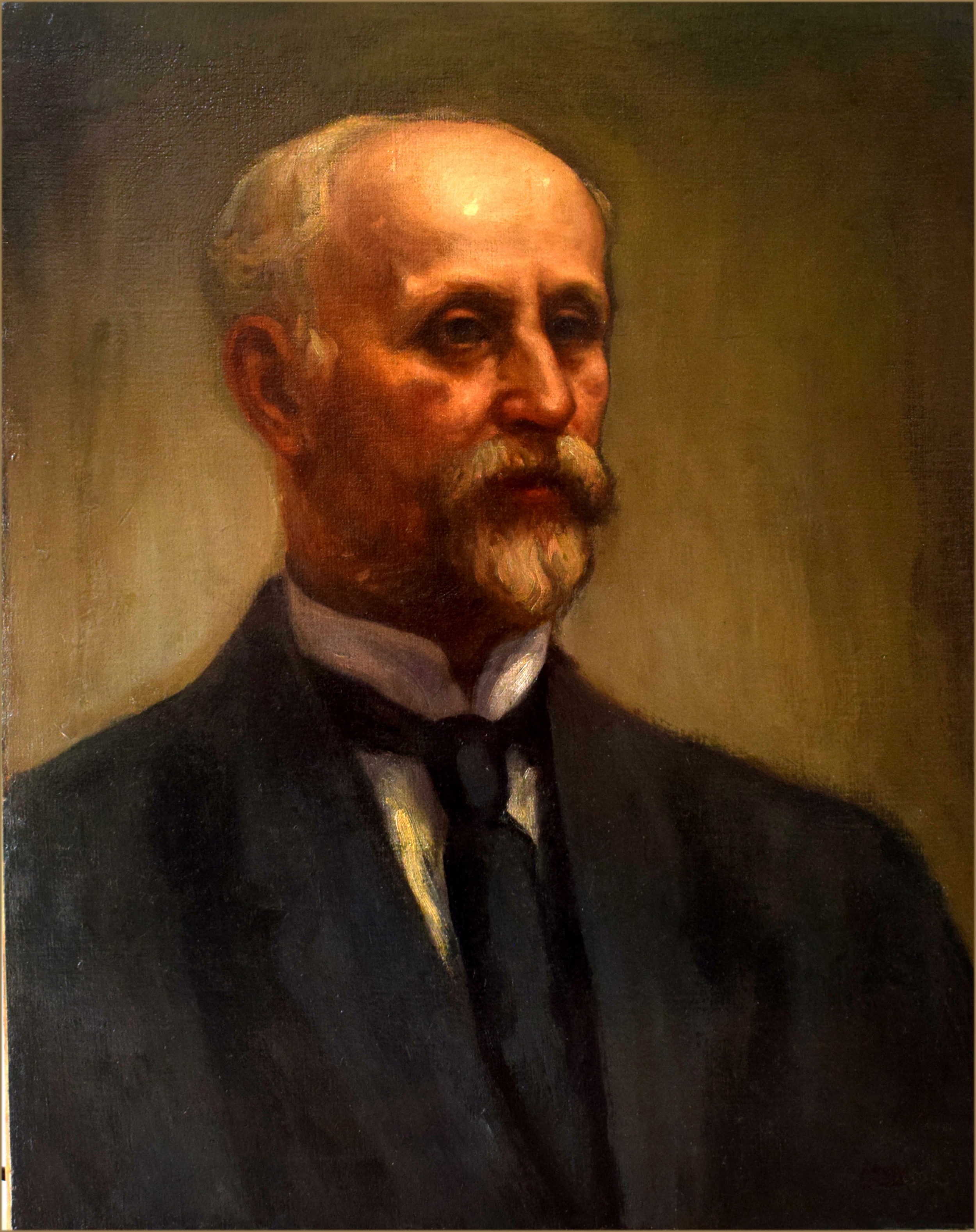
Otto Rothenburgh, 1893-1992 Portrait of the Sculptor Isidore Konti 1862-1938