57,264  PAGES BROWSED TODAY PAGES TODAY 0  ANTIQUES UPLOADED TODAY NEW ARRIVALS
Sort Order
Items Per Page
ID #SA1230921
FOR SALE
£1,250
Email Buy
Save
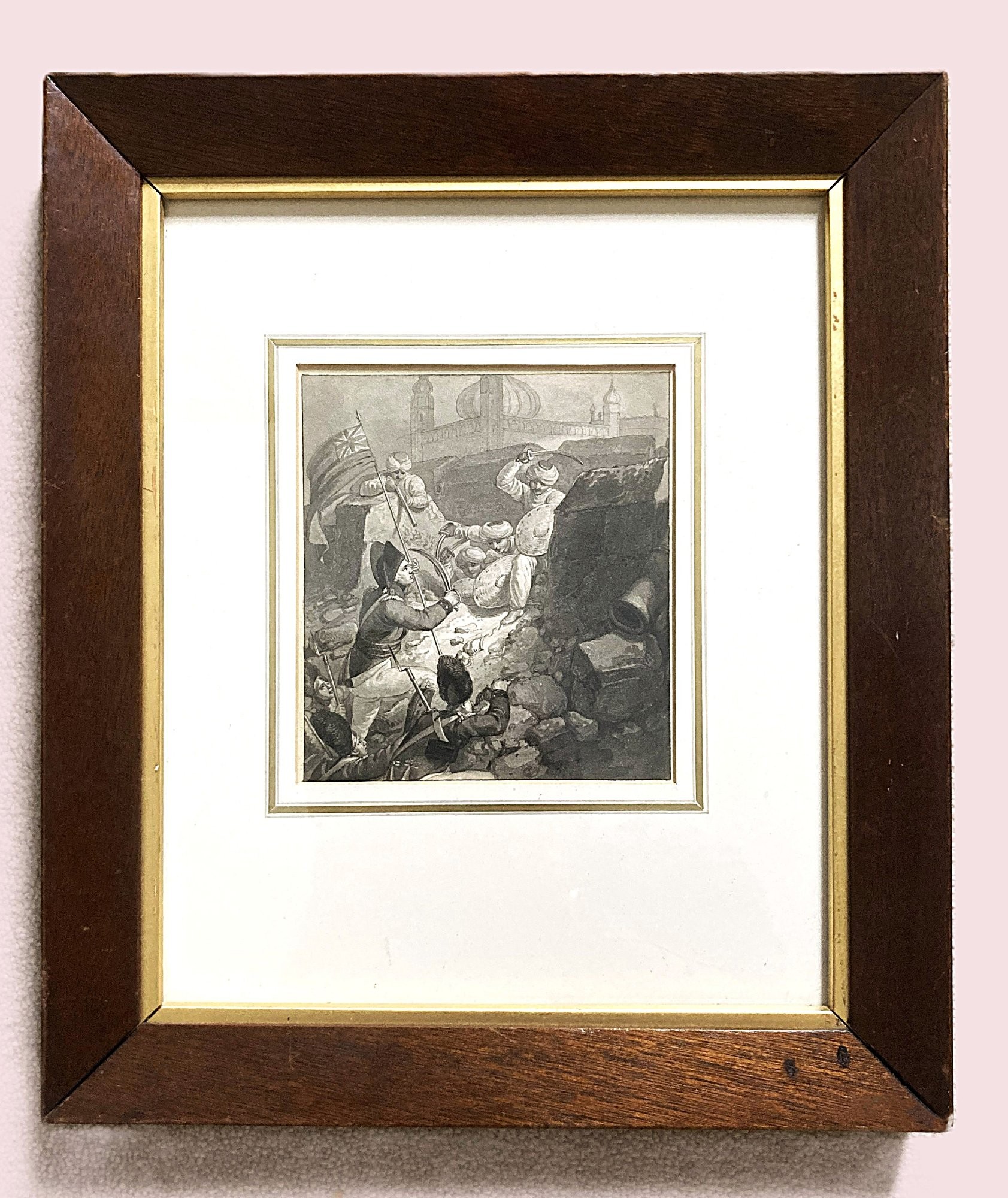
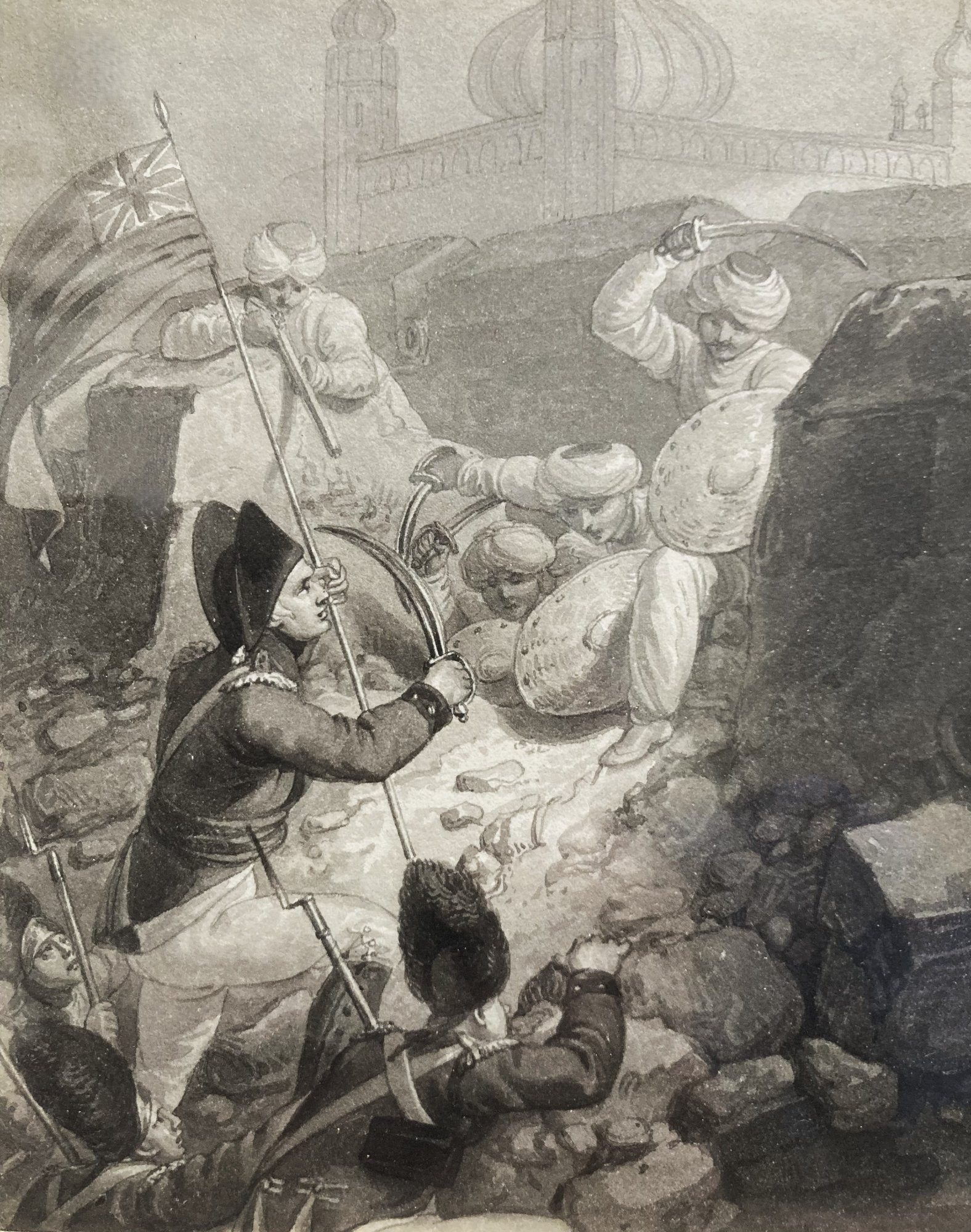
The Storming of Seringapatam by William Marshall Craig (C.1763- 1827) Circa 1799 Pen & Wash Drawing
Miles Barton Art and Interiors
for sale €1,463     $1,588
£1,250

Miles Barton Art and Interiors

Sellingantiques Verified Since Aug 2026
View Dealers Stock Page
  • About Us
    British and european pictures and works of art from the 17th to 20th century
Id #SA1230921
PDF SHARE
SAVE

The Storming of Seringapatam by William Marshall Craig (C.1763- 1827) Circa 1799 Pen & Wash Drawing

18th century
Description

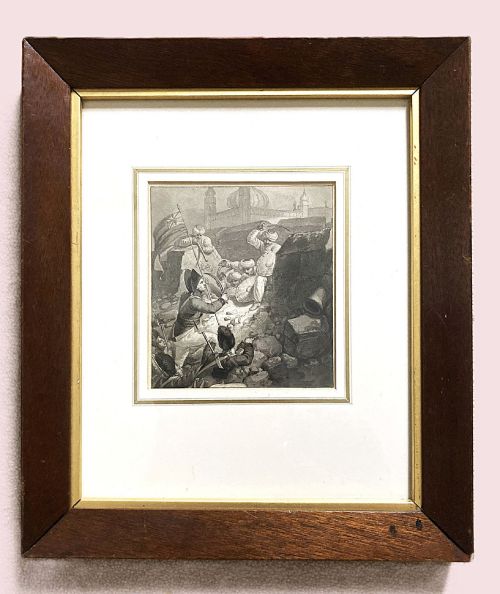
Pen and sepia wash; held in card mount within period mahogany and gilt slip frame

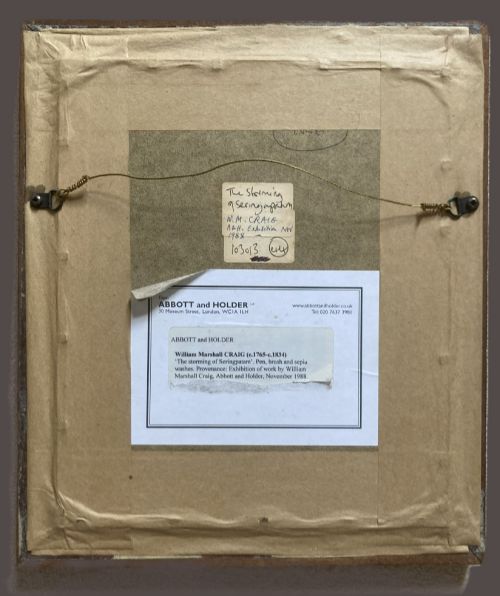
Provenance: Abbott & Holder, Winter Exhibition, 1988; private collection, England

Paper size: 15 x 14 cm (6 x 5 ¾ in)

Frame size: 33 x 28 cm (13 by 11in)

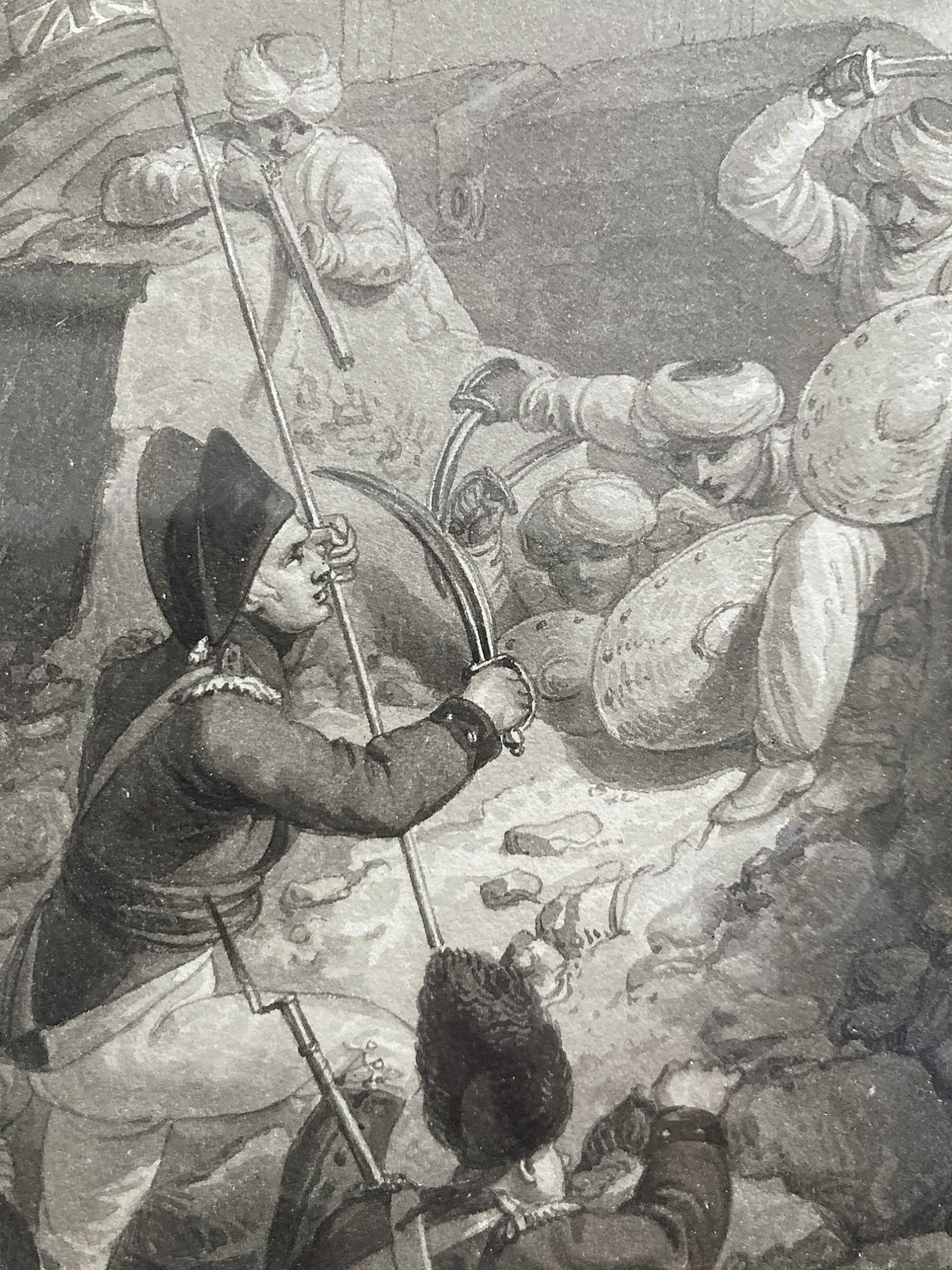
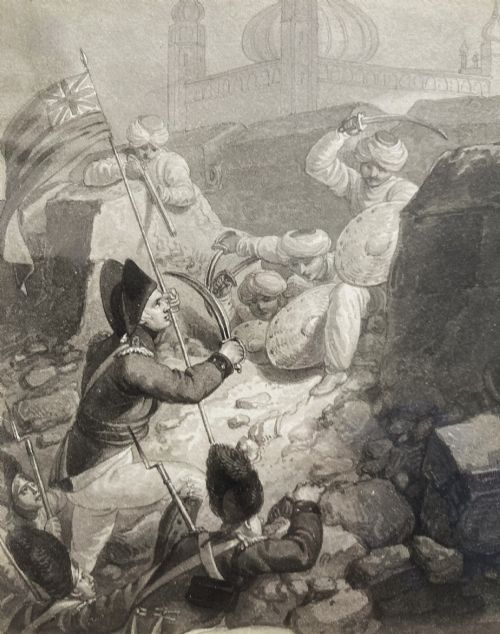
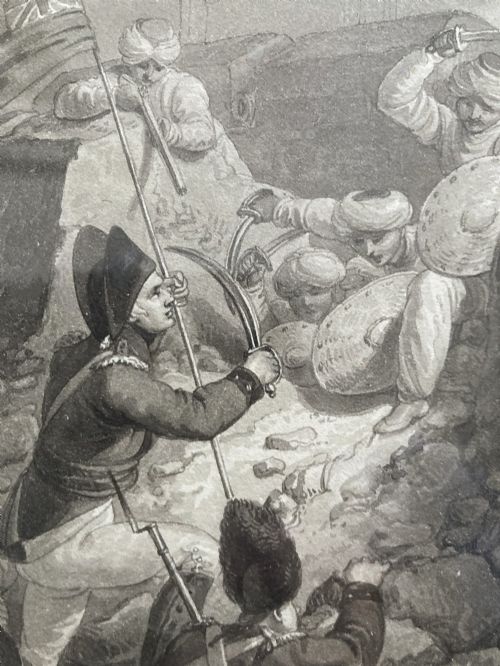
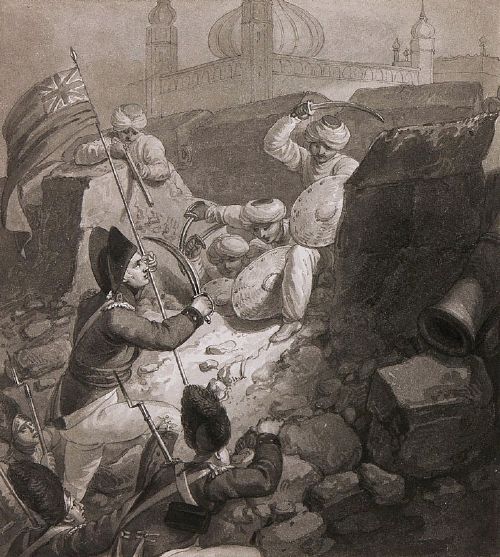
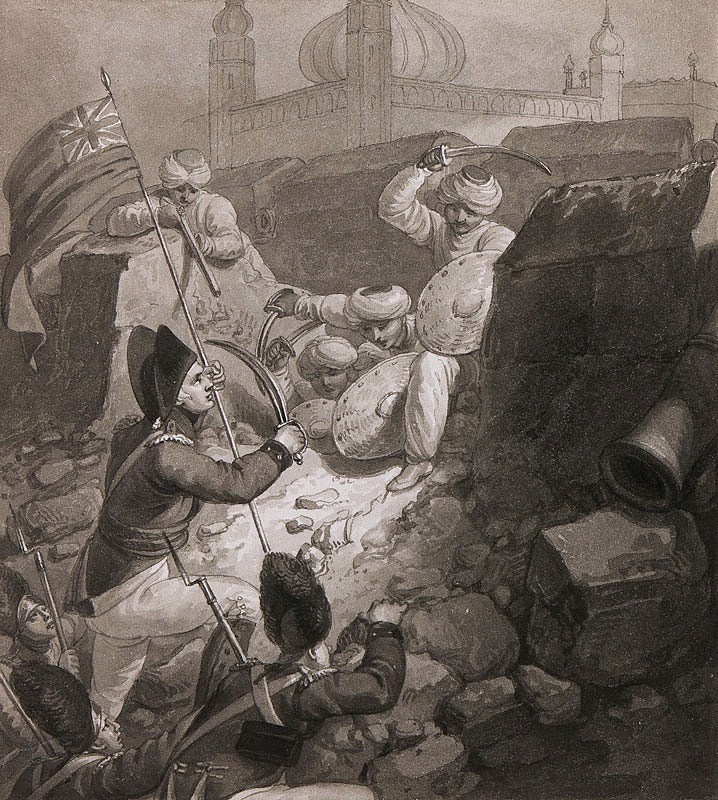
The subject of Seringapatam was one that inspired an outpouring of visual imagery in Britain after 1799. Whilst imperial in tone many depict the resisting forces of Mysoreans as heroic adversaries. William Marshall Craig depicts a moment when the defences of the fortress have been breached and both forces fearlessly engage.
The ancient fortress city of Seringapatam (now called Srirangapatna or Srirangapatnam) was the capital for the Muslim rulers of the kingdom of Mysore, Haidar Ali (c.1722 - 1782) and his eldest son, Tipu Sultan (1753 -1799). It was located on an island in the Cauvery River and derived its name from the ancient Hindu temple of Sri Ranganatha Swami which is located at the western end of the the island. The city became the site of two of the most famous sieges of the Anglo-Mysore Wars in 1792 and 1799.
The assault against the island fortress in 1799 was a military operation involving two British armies and East India Company forces totalling approximately 40,000 soldiers, including contingents of troops sent by the Nizam of Hyderabad. The campaign strategy was based upon the need to approach the city simultaneously from the east - the Grand Army, under the command of General George Harris from Madras, and from the west - the Bombay Army, under the command of Lieutenant-General James Stuart from the Malabar coast.
This campaign culminated in the storming and capture of the fortress city on 4th May 1799. Tipu Sultan, the ‘Tiger of Mysore’ led a stout defence that saw nearly 10,000 Mysoreans killed, including Tipu himself who may have been betrayed by one of his own confidants. His body was dragged from beneath a pile of dead by the city's northern gate, suggesting that he had continued fighting to the very end. Following his death, Mysore was partitioned and the rump of the state given to a British client ruler. Tipu was one of the most formidable Indian opponents the British ever faced and his death removed one of the chief obsticles to their conquest of the subcontinent.
William Marshall Craig began exhibiting at the Royal Academy in 1788, and moved to London shortly afterwards. He began working as a miniature and portrait painter, varying this with occasional rustic figures, domestic scenes and landscapes in watercolours. Notably he was drawing master to Princess Charlotte of Wales, miniature painter to the Duke and Duchess of York, and painter in watercolours to Queen Charlotte.

Physical Dimensions
Height
33cm (12.99")
Width
28cm (11.02")
Depth
3cm (1.18")
Declaration

Miles Barton Art and Interiors has dated this Georgian Pen Wash Drawing to the 18th Century.

Reference Numbers
Sellingantiques Reference
SA1230921
Description
Pen and sepia wash; held in card mount within period mahogany and gilt slip frame

Provenance: Abbott & Holder, Winter Exhibition, 1988; private collection, England

Paper size: 15 x 14 cm (6 x 5 ¾ in)

Frame size: 33 x 28 cm (13 by 11in)

The subject of Seringapatam was one that inspired an outpouring of visual imagery in Britain after 1799.
Miles Barton Art and Interiors

Whilst imperial in tone many depict the resisting forces of Mysoreans as heroic adversaries. William Marshall Craig depicts a moment when the defences of the fortress have been breached and both forces fearlessly engage.

fig 1. A late 18th-century monochromatic pen and wash drawing depicting soldiers engaged in the storming of a fortified position.
fig 1. The Storming of Seringapatam by William Marshall Craig (C.1763- 1827) Circa 1799 Pen & Wash Drawing

The ancient fortress city of Seringapatam (now called Srirangapatna or Srirangapatnam) was the capital for the Muslim rulers of the kingdom of Mysore, Haidar Ali (c.1722 - 1782) and his eldest son, Tipu Sultan (1753 -1799). It was located on an island in the Cauvery River and derived its name from the ancient Hindu temple of Sri Ranganatha Swami which is located at the western end of the the island. The city became the site of two of the most famous sieges of the Anglo-Mysore Wars in 1792 and 1799.

fig 2. A late 18th-century monochromatic pen and wash drawing depicting soldiers engaged in the storming of a fortified position.
fig 2. The Storming of Seringapatam by William Marshall Craig (C.1763- 1827) Circa 1799 Pen & Wash Drawing

The assault against the island fortress in 1799 was a military operation involving two British armies and East India Company forces totalling approximately 40,000 soldiers, including contingents of troops sent by the Nizam of Hyderabad. The campaign strategy was based upon the need to approach the city simultaneously from the east - the Grand Army, under the command of General George Harris from Madras, and from the west - the Bombay Army, under the command of Lieutenant-General James Stuart from the Malabar coast.

fig 3. A late 18th-century monochromatic pen and wash drawing depicting soldiers engaged in the storming of a fortified position.
fig 3. The Storming of Seringapatam by William Marshall Craig (C.1763- 1827) Circa 1799 Pen & Wash Drawing

This campaign culminated in the storming and capture of the fortress city on 4th May 1799. Tipu Sultan, the ‘Tiger of Mysore’ led a stout defence that saw nearly 10,000 Mysoreans killed, including Tipu himself who may have been betrayed by one of his own confidants. His body was dragged from beneath a pile of dead by the city's northern gate, suggesting that he had continued fighting to the very end. Following his death, Mysore was partitioned and the rump of the state given to a British client ruler. Tipu was one of the most formidable Indian opponents the British ever faced and his death removed one of the chief obsticles to their conquest of the subcontinent.

fig 4. A late 18th-century monochromatic pen and wash drawing depicting soldiers engaged in the storming of a fortified position.
fig 4. The Storming of Seringapatam by William Marshall Craig (C.1763- 1827) Circa 1799 Pen & Wash Drawing

William Marshall Craig began exhibiting at the Royal Academy in 1788, and moved to London shortly afterwards. He began working as a miniature and portrait painter, varying this with occasional rustic figures, domestic scenes and landscapes in watercolours. Notably he was drawing master to Princess Charlotte of Wales, miniature painter to the Duke and Duchess of York, and painter in watercolours to Queen Charlotte.

Height
33cm (12.99")
Width
28cm (11.02")
Depth
3cm (1.18")
Date of Manufacture

Miles Barton Art and Interiors has dated this Georgian Pen Wash Drawing to the 18th Century.

Reference Numbers
Sellingantiques Ref
SA1230921
Miles Barton Art and Interiors
Sellingantiques verified Since Aug 2026

British and european pictures and works of art from the 17th to 20th century

Dealer Profile

You can view the stock and full dealer information on the Miles Barton Art and Interiors Profile Page
PDF SHARE
SAVE
A late 18th-century monochromatic pen and wash drawing depicting soldiers engaged in the storming of a fortified position.
1 / 5
Archive I A late 18th-century monochromatic pen and wash drawing depicting soldiers engaged in the storming of a fortified position.

The Storming of Seringapatam by William Marshall Craig (C.1763- 1827) Circa 1799 Pen & Wash Drawing
Archive II A late 18th-century monochromatic pen and wash drawing depicting soldiers engaged in the storming of a fortified position. View II
Archive III A late 18th-century monochromatic pen and wash drawing depicting soldiers engaged in the storming of a fortified position. View III
Archive IV A late 18th-century monochromatic pen and wash drawing depicting soldiers engaged in the storming of a fortified position. View IV
Archive V A late 18th-century monochromatic pen and wash drawing depicting soldiers engaged in the storming of a fortified position. View V
Enlarged Archival View
Telephone 07941 233015
Location
London and Somerset
United Kingdom
Verified Since Aug 2026
Items For Sale 6
Miles Barton Art and Interiors
Verified Since Aug 2026
View Dealer Info
Location: London and Somerset, United Kingdom
Verified
Aug 2026
For Sale
6
A late 18th-century monochromatic pen and wash drawing depicting soldiers engaged in the storming of a fortified position.
The Storming of Seringapatam by William Marshall Craig (c.1763- 1827) circa 1799 Pen & Wash Drawing
Ref: SA1230921
A late 18th-century monochromatic pen and wash drawing depicting soldiers engaged in the storming of a fortified position.
Detail View 1
Detail View 2
Detail View 3
Detail View 4
Archival Detail
Every single antique dealer on our platform is individually approved by our internal team. We verify their professional trade history, ethical standards, and photographic quality to ensure a secure, high-standard buying environment. Upon joining, every dealer agrees to a strict 9-point code of conduct. While issues can occasionally arise, our dealers typically resolve them swiftly and directly with the buyer. In fact, since our founding in 2002, Sellingantiques has only had to step in to help resolve an issue on roughly five occasions—a true testament to the quality of our dealers and their dedication to your happiness.
Our dealers are highly experienced in packing and shipping fragile, high-value antiques. Because you are in direct contact with the dealer, you will be able to easily go through all available shipping and insurance options together to ensure your item arrives safely.
Antiques are the ultimate green purchase. By choosing historical pieces over newly manufactured goods, you completely eliminate the carbon footprint of modern mass production while preserving exceptional, timeless craftsmanship.

During the late 18th century, pen and wash drawings were utilised by military artists and topographers to document historical battles and colonial campaigns. These works combined precise ink outlines with fluid monochromatic washes to create dramatic tonal contrast and narrative detail.

Artists executed these works on laid or wove rag paper using iron gall or India ink applied with dip pens or small brushes. Monochromatic washes, often derived from sepia or bistre pigments, were applied to establish shading, atmospheric depth, and shadow.

Authentic Georgian drawings display natural age toning, historic laid lines or period watermarks in the paper, and evidence of hand-applied ink strokes. Examination under magnification reveals original brushwork and pigment absorption rather than mechanical printing dots.

Framed original drawings function well as focal points in traditional studies, libraries, or hallway gallery walls. Pairing monochromatic artwork with dark wood panelling, muted wall tones, or minimalist modern framing creates a clear historical contrast.

Keep works on paper framed behind UV-protective glass using acid-free, conservation-grade mounting materials to prevent mount burn. Display the artwork away from direct sunlight, radiators, and high-humidity areas to avoid foxing and paper degradation.
items
Add keywords to the filter
Price
£100
£250000
Era
Movements
Material
Origin
Stock Location
Freshness
Online Payments
Categories