16,711  PAGES BROWSED TODAY PAGES TODAY 36  ANTIQUES UPLOADED TODAY NEW ARRIVALS
ID #SA1222547
FOR SALE
£16,850
Email Buy
Save
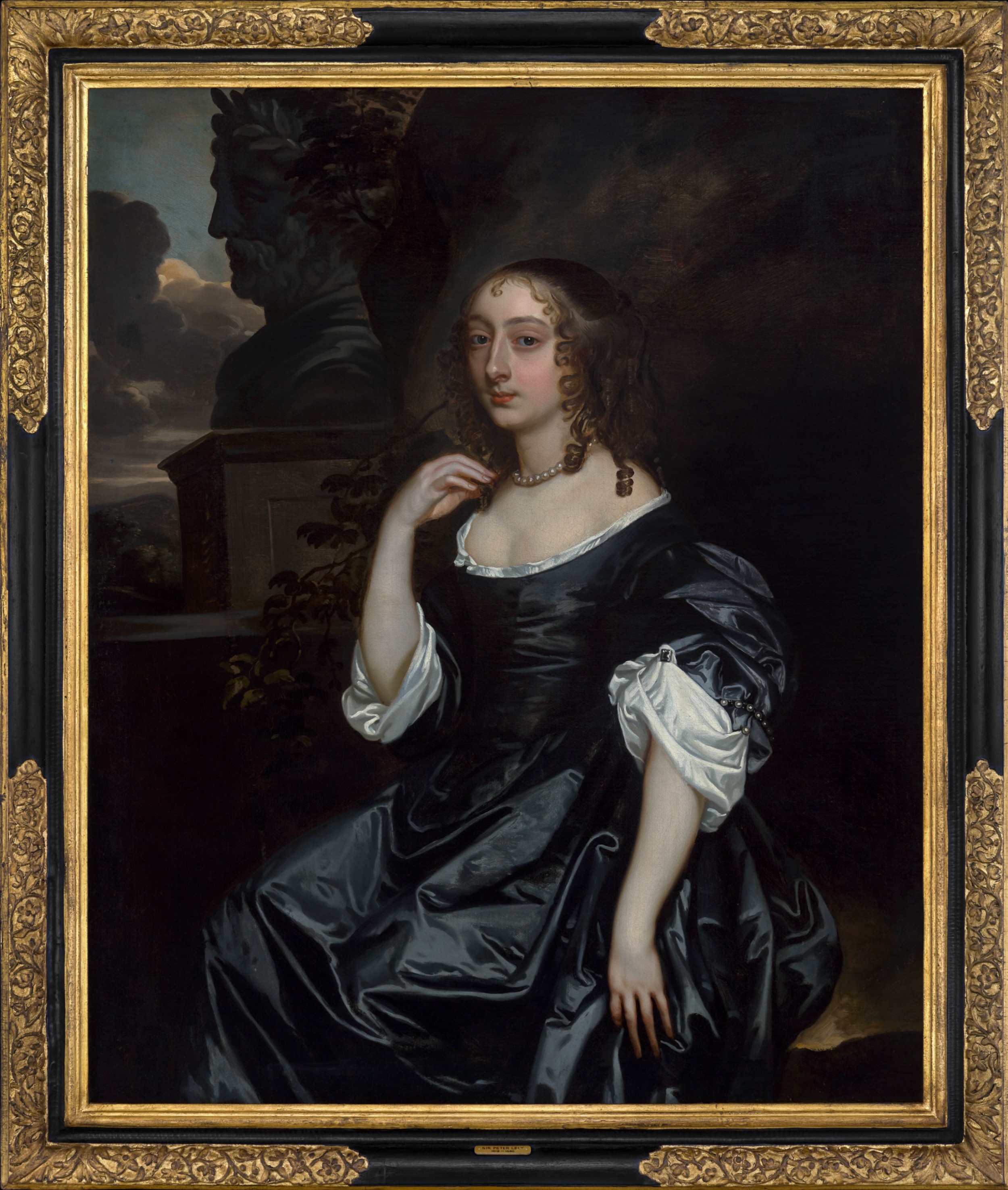
Portrait of a Lady, Possibly Elizabeth Percy, Countess of Essex (1636–1718) C.1660-1665; Studio of Sir Peter Lely (1618–1680), Oil on Canvas Painting
Titan Fine Art
for sale €19,715     $21,400
£16,850
Titan Fine Art

Titan Fine Art

Sellingantiques Verified Since Jul 2016
View Dealers Stock Page
  • About Us
    Specialist in 17th & 18thc portraits. Highly curated selection, museum-level research & pro conservation. Exceptional art, expertly vetted.
Id #SA1222547
PDF SHARE
SAVE

Portrait of a Lady, Possibly Elizabeth Percy, Countess of Essex (1636–1718) C.1660-1665; Studio of Sir Peter Lely (1618–1680), Oil on Canvas Painting

17th century
For Sale by Titan Fine Art
Description

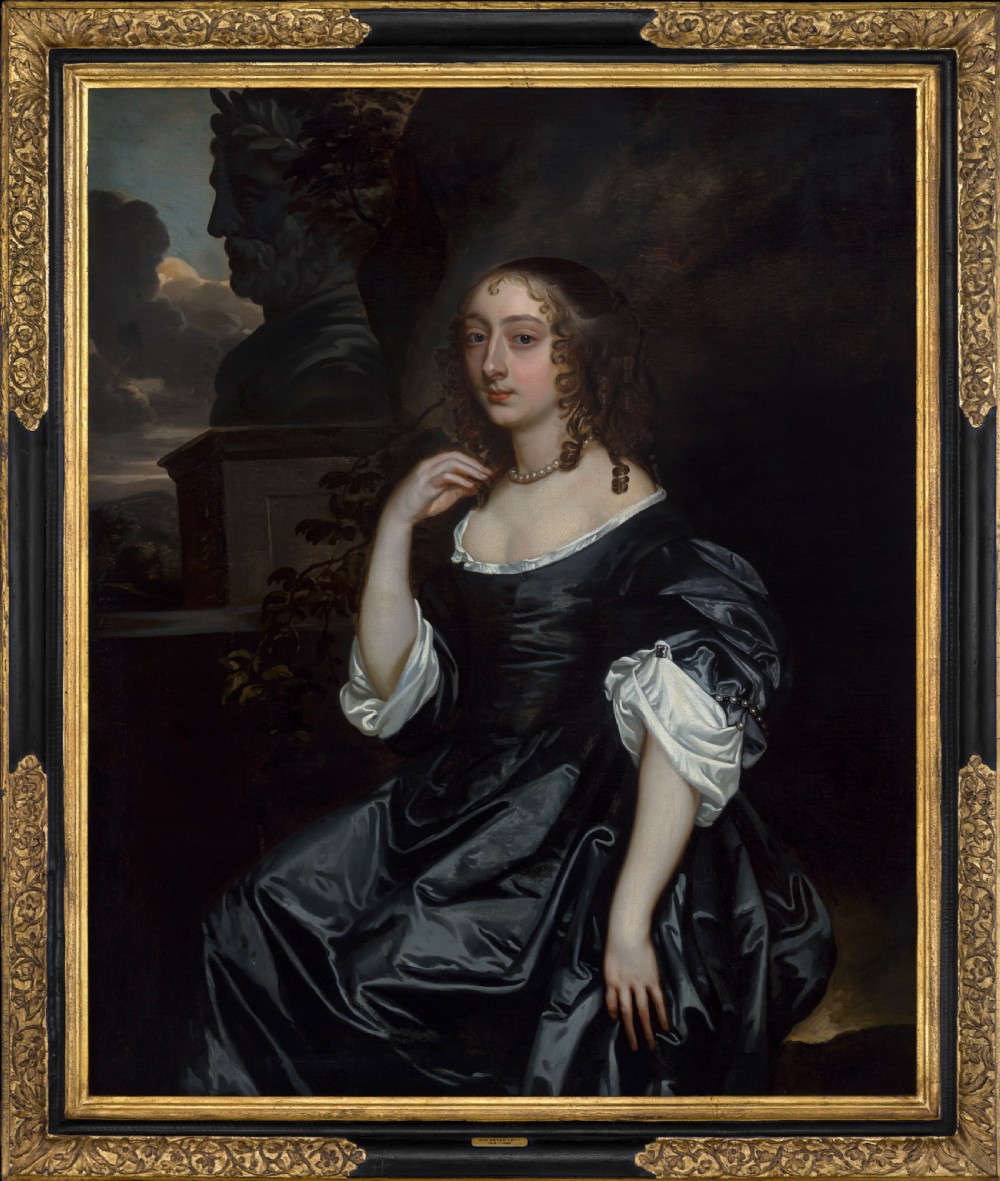
This portrait is a refined and atmospheric example of Restoration portraiture from the studio of Sir Peter Lely, preserved in notably good condition with luminous flesh tones and richly handled drapery. It depicts a young aristocratic woman seated beside a classical bust, her figure enveloped in shimmering satin. The serene expression, poised posture and elegant composition reflect the sophisticated visual language that dominated English portraiture in the years immediately following the Restoration of 1660, when Lely’s style became the preferred expression of elite status.
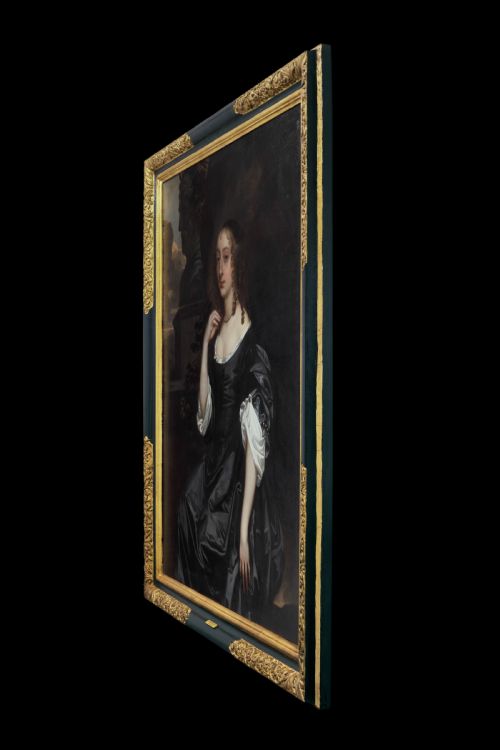
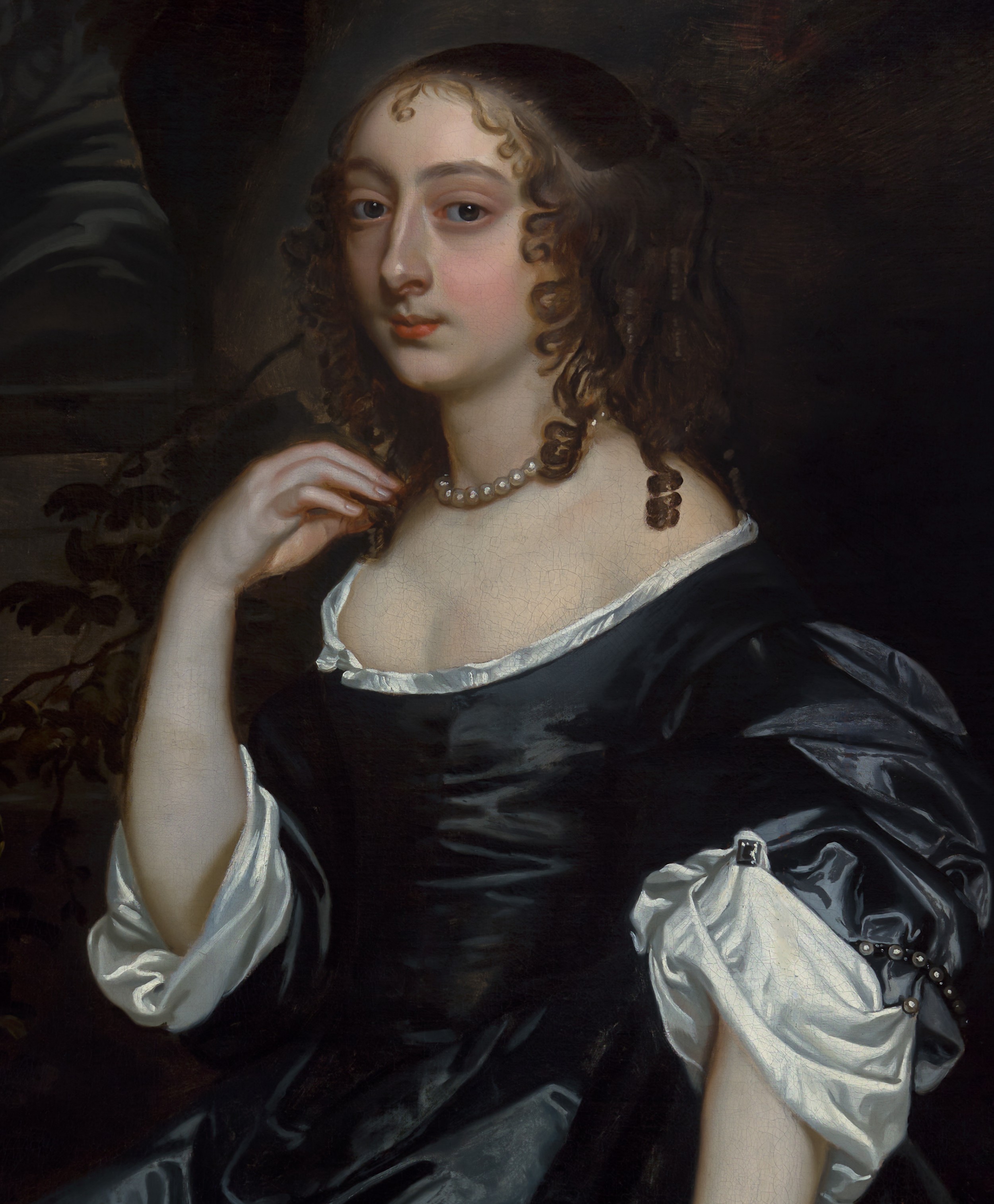
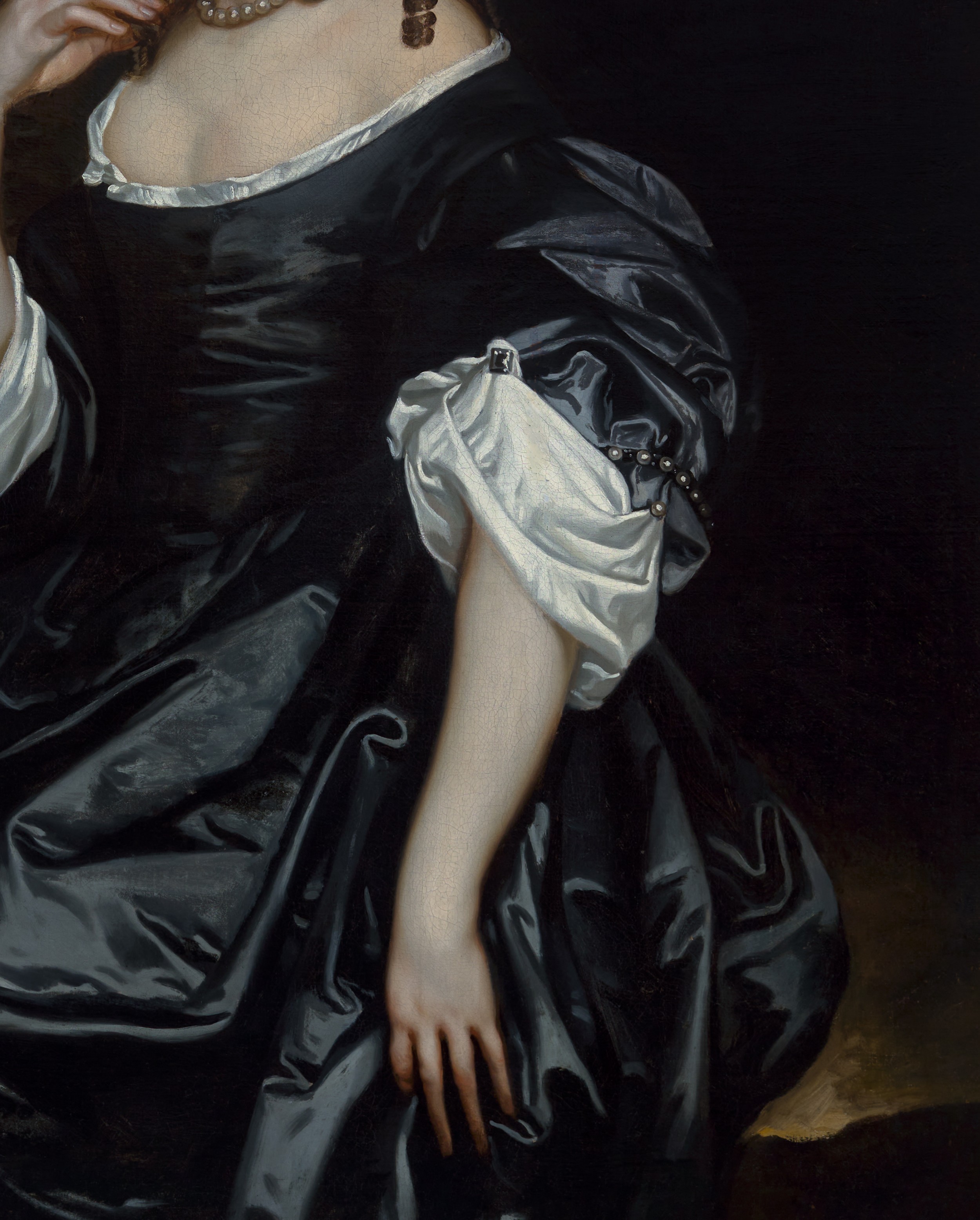
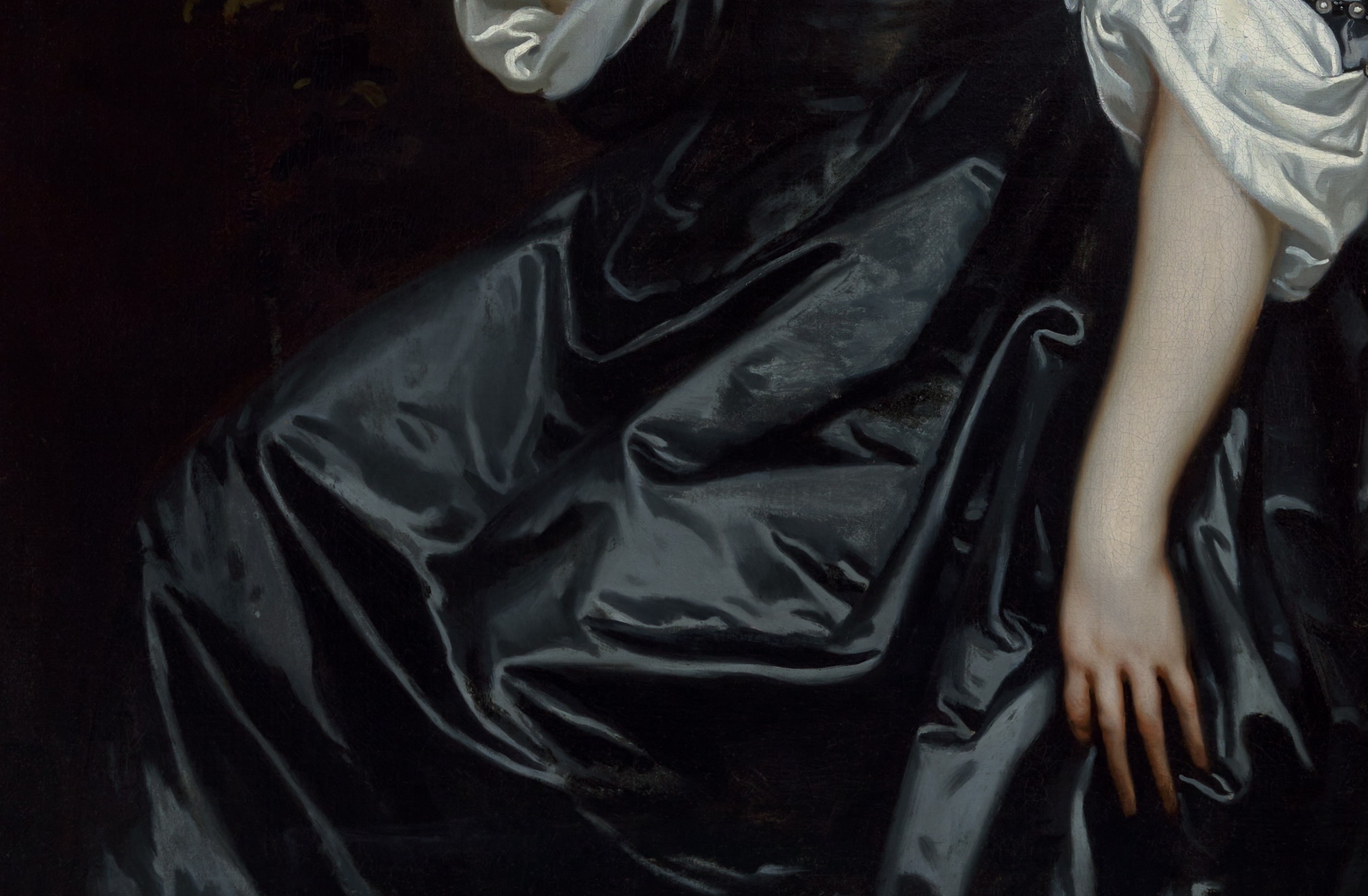
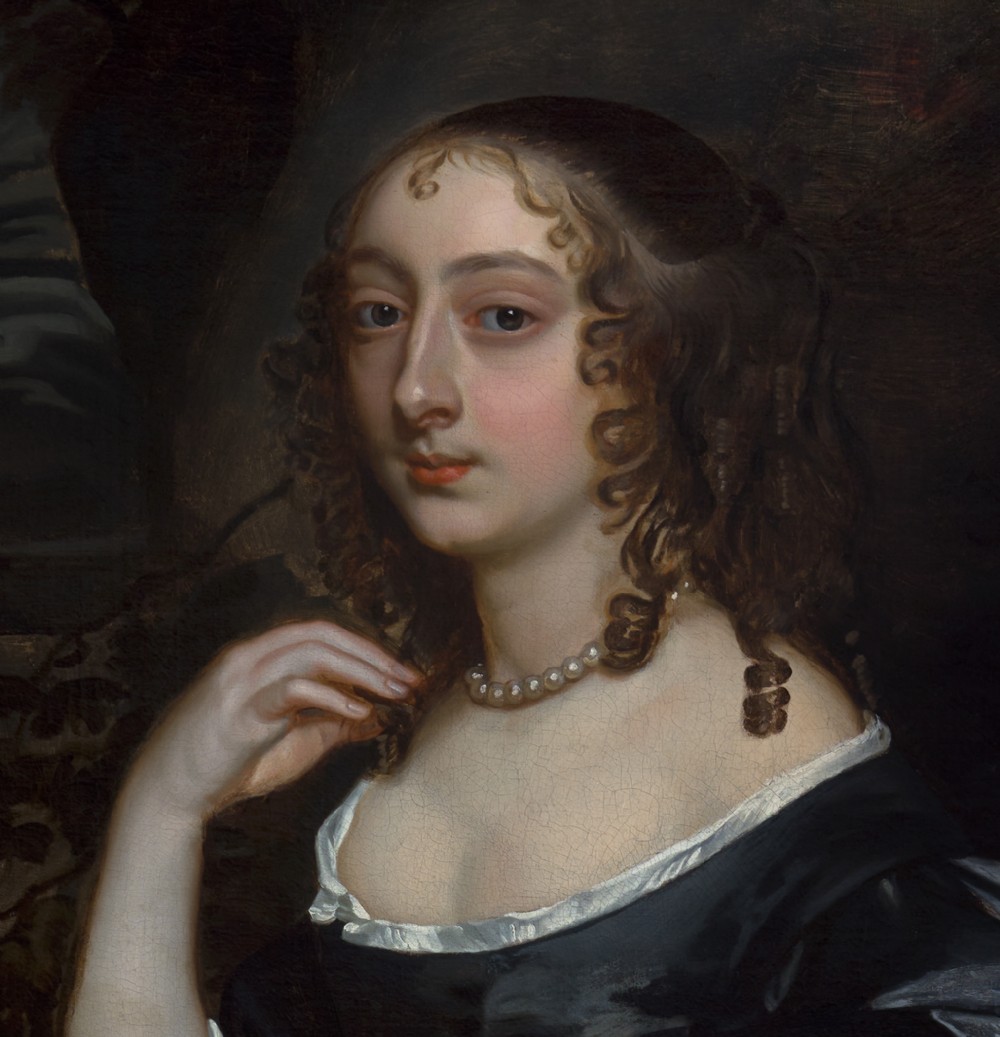
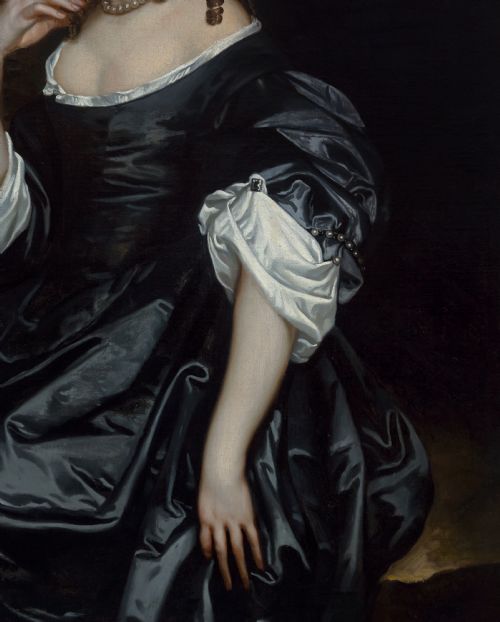
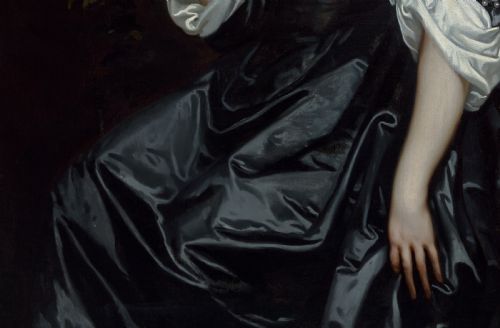
The sitter wears a silvery-grey satin gown with soft white chemise sleeves, a fashion typical of c.1660–1665, when looser, sensuous fabrics replaced the stiff bodices of earlier decades. The triangular highlights in the satin are characteristic of Lely’s studio, often executed by his drapery specialist John Baptist Gaspars. A simple pearl necklace reinforces themes of purity and aristocratic refinement, while the sitter’s spiral ringlets—falling in corkscrew curls along the temples and shoulders—mirror the hairstyles favoured at court in the early 1660s.
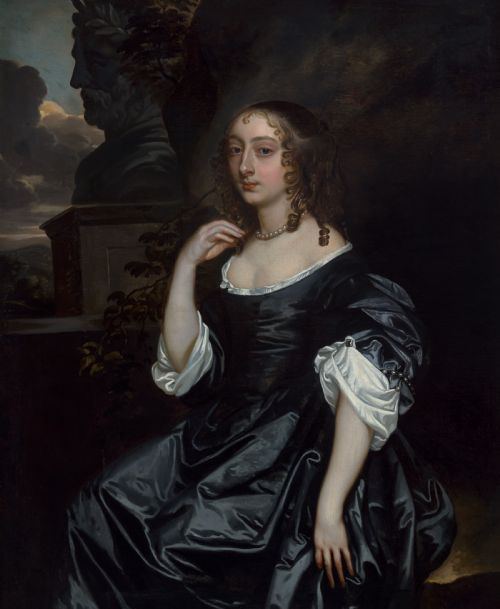
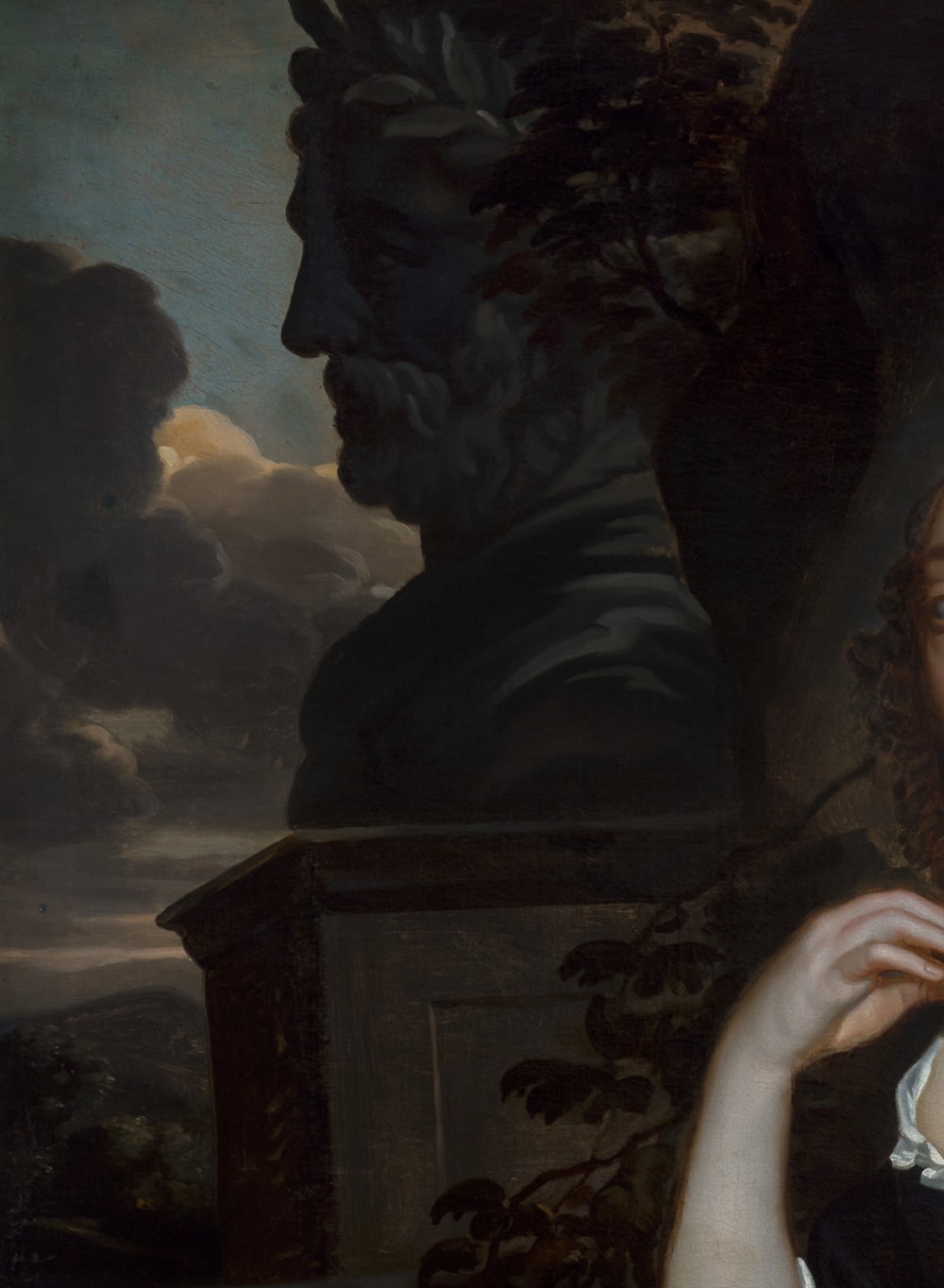
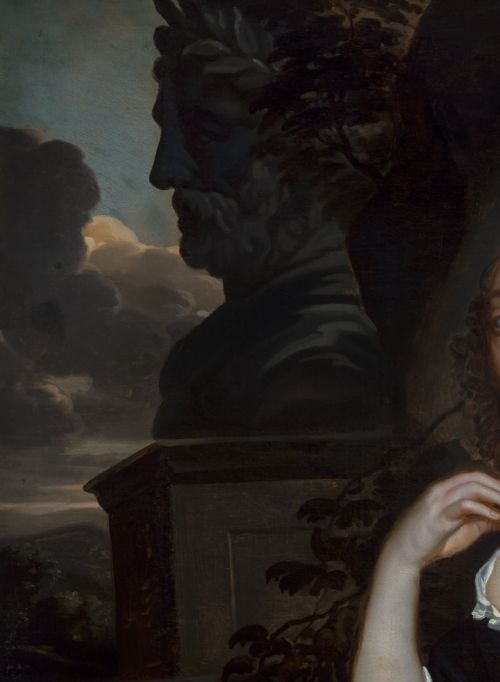
The portrait was likely commissioned to mark marriage, lineage or rising social status during the cultural revival that followed the Civil War and Interregnum. Classical sculpture in the background aligns the sitter with learning and virtue, reflecting the intellectual tastes of the Restoration elite. The composition closely parallels Lely’s portrait of Catherine Stone (née Carleton) in the Government Art Collection, suggesting a sitter from similar gentry or noble circles. Although the identity remains unconfirmed, the facial features strongly resemble those of Elizabeth Percy, Countess of Essex, one of the most prominent women of the Restoration court. Her long oval face, widely spaced eyes and delicate mouth closely match known portraits.
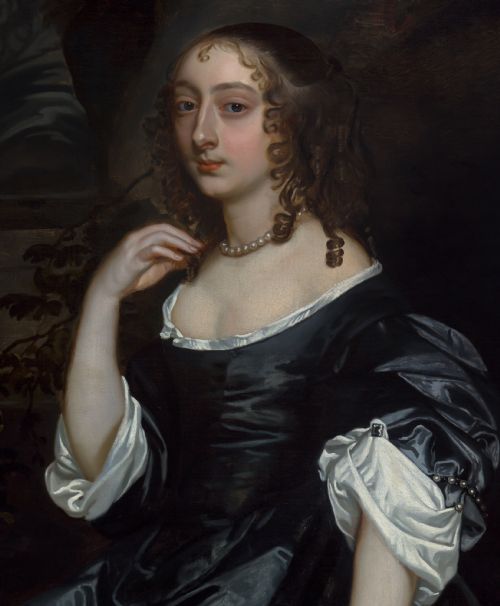
Elizabeth Percy, daughter of Algernon Percy, 10th Earl of Northumberland, married Arthur Capel, 1st Earl of Essex in 1653. After the Restoration, Capel rose to high office, including Lord Lieutenant of Ireland, and the couple became influential figures within Charles II’s political world. They lived chiefly at Cassiobury House, one of England’s grandest estates, while maintaining close ties to the London court.
Stylistically, the painting aligns with Lely’s early-1660s studio practice: the head is delicately modelled with subtle transitions of flesh tone, while the drapery is confidently executed—precisely the division of labour typical of Lely’s well-organised London workshop. The portrait is housed in an elegant carved and gilded frame whose scrolling foliage complements the composition.
Today the work offers collectors a rare and appealing example of Restoration portraiture, combining beauty, historical resonance and strong connections to Lely’s artistic circle. It captures the grace and poise associated with aristocratic femininity in the early years of Charles II’s reign and stands as a vivid reminder of the cultural renewal that followed the Restoration.
Sir Peter Lely (1618–1680), born in Westphalia and trained in the Dutch tradition, became England’s leading portraitist after Van Dyck’s death. Appointed Principal Painter to Charles II, he produced portraits of the royal family and the celebrated Windsor Beauties, shaping the visual identity of Restoration society and exerting a lasting influence on British portraiture.

Full description at: www.titanfineart.com

Physical Dimensions
Height
140.5cm (55.31")
Width
118.5cm (46.65")
Depth
8cm (3.15")
Declaration

Titan Fine Art has dated this 17th Century Portrait Painting to the 17th Century.

Reference Numbers
Sellingantiques Reference
SA1222547
Dealers Notes

Much more info about this item at: www.titanfineart.com

In a market saturated with available paintings, Titan Fine Art offers a distinct advantage: we sift through thousands of works to provide a specially curated selection. Each piece is meticulously chosen based on technical merit, provenance, and decorative appeal, ensuring our clients view only the finest examples of British and European art.

With over 20 years of expertise and 1,000+ works placed with collectors and institutions, we are one of the most prolific specialists in 17th and 18th-century portraiture. We combine a scholarly approach with museum-level rigor to replace the uncertainty of the open market with absolute confidence.

Why Buy From Titan Fine Art?

• Expertly Curated Selection

We act as your expert eye, selecting only high-quality works that offer genuine historical and artistic value.

• Museum-Level Research

Each portrait is supported by extensive academic research, often exceeding 40 hours, to establish attribution, sitter identity, and historical context.

• Professional Conservation

All paintings are carefully cleaned and stabilised by professional conservators, and are presented ready to hang.

• Transparent Pricing

No buyer’s premium or hidden fees—unlike auction houses, where additional costs can add 25–35%.

• Export Pricing Advantage

Reduced pricing is available for works exported outside the UK.

• Specialist Global Shipping

We manage the entire process, including custom crating, export documentation, and fully tracked delivery worldwide.

• Buy with Confidence

A 7-day return policy and the option to pay in GBP, USD, or EUR for convenience and transparency.

• Original Period Frames

Many works retain their original carved and gilded frames, which are works of art in their own right and enhance both historical authenticity and decorative impact.

• Personal Advisory Service

We work directly with collectors and interior designers, offering guidance on selection, scale, and placement—including bespoke room mock-ups on request.

Subscribe to our monthly 'new item alert' to be the first to hear about new works

Description
This portrait is a refined and atmospheric example of Restoration portraiture from the studio of Sir Peter Lely, preserved in notably good condition with luminous flesh tones and richly handled drapery.
It depicts a young aristocratic woman seated beside a classical bust, her figure enveloped in shimmering satin.
Titan Fine Art

The serene expression, poised posture and elegant composition reflect the sophisticated visual language that dominated English portraiture in the years immediately following the Restoration of 1660, when Lely’s style became the preferred expression of elite status.

fig 1. An oil painting depicting a 17th-century woman in a black dress with white satin sleeves and a pearl necklace, set against a dark backdrop with a stone bust sculpture inside a dark frame with gilded corners.
fig 1. Portrait of a Lady, Possibly Elizabeth Percy, Countess of Essex (1636–1718) C.1660-1665; Studio of Sir Peter Lely (1618–1680), Oil on Canvas Painting

The sitter wears a silvery-grey satin gown with soft white chemise sleeves, a fashion typical of c.1660–1665, when looser, sensuous fabrics replaced the stiff bodices of earlier decades. The triangular highlights in the satin are characteristic of Lely’s studio, often executed by his drapery specialist John Baptist Gaspars. A simple pearl necklace reinforces themes of purity and aristocratic refinement, while the sitter’s spiral ringlets—falling in corkscrew curls along the temples and shoulders—mirror the hairstyles favoured at court in the early 1660s.

fig 2. An oil painting depicting a 17th-century woman in a black dress with white satin sleeves and a pearl necklace, set against a dark backdrop with a stone bust sculpture inside a dark frame with gilded corners.
fig 2. Portrait of a Lady, Possibly Elizabeth Percy, Countess of Essex (1636–1718) C.1660-1665; Studio of Sir Peter Lely (1618–1680), Oil on Canvas Painting

The portrait was likely commissioned to mark marriage, lineage or rising social status during the cultural revival that followed the Civil War and Interregnum. Classical sculpture in the background aligns the sitter with learning and virtue, reflecting the intellectual tastes of the Restoration elite. The composition closely parallels Lely’s portrait of Catherine Stone (née Carleton) in the Government Art Collection, suggesting a sitter from similar gentry or noble circles. Although the identity remains unconfirmed, the facial features strongly resemble those of Elizabeth Percy, Countess of Essex, one of the most prominent women of the Restoration court. Her long oval face, widely spaced eyes and delicate mouth closely match known portraits.

fig 3. An oil painting depicting a 17th-century woman in a black dress with white satin sleeves and a pearl necklace, set against a dark backdrop with a stone bust sculpture inside a dark frame with gilded corners.
fig 3. Portrait of a Lady, Possibly Elizabeth Percy, Countess of Essex (1636–1718) C.1660-1665; Studio of Sir Peter Lely (1618–1680), Oil on Canvas Painting

Elizabeth Percy, daughter of Algernon Percy, 10th Earl of Northumberland, married Arthur Capel, 1st Earl of Essex in 1653. After the Restoration, Capel rose to high office, including Lord Lieutenant of Ireland, and the couple became influential figures within Charles II’s political world. They lived chiefly at Cassiobury House, one of England’s grandest estates, while maintaining close ties to the London court.

fig 4. An oil painting depicting a 17th-century woman in a black dress with white satin sleeves and a pearl necklace, set against a dark backdrop with a stone bust sculpture inside a dark frame with gilded corners.
fig 4. Portrait of a Lady, Possibly Elizabeth Percy, Countess of Essex (1636–1718) C.1660-1665; Studio of Sir Peter Lely (1618–1680), Oil on Canvas Painting

Stylistically, the painting aligns with Lely’s early-1660s studio practice: the head is delicately modelled with subtle transitions of flesh tone, while the drapery is confidently executed—precisely the division of labour typical of Lely’s well-organised London workshop. The portrait is housed in an elegant carved and gilded frame whose scrolling foliage complements the composition.

fig 5. An oil painting depicting a 17th-century woman in a black dress with white satin sleeves and a pearl necklace, set against a dark backdrop with a stone bust sculpture inside a dark frame with gilded corners.
fig 5. Portrait of a Lady, Possibly Elizabeth Percy, Countess of Essex (1636–1718) C.1660-1665; Studio of Sir Peter Lely (1618–1680), Oil on Canvas Painting

Today the work offers collectors a rare and appealing example of Restoration portraiture, combining beauty, historical resonance and strong connections to Lely’s artistic circle. It captures the grace and poise associated with aristocratic femininity in the early years of Charles II’s reign and stands as a vivid reminder of the cultural renewal that followed the Restoration.

fig 6. An oil painting depicting a 17th-century woman in a black dress with white satin sleeves and a pearl necklace, set against a dark backdrop with a stone bust sculpture inside a dark frame with gilded corners.
fig 6. Portrait of a Lady, Possibly Elizabeth Percy, Countess of Essex (1636–1718) C.1660-1665; Studio of Sir Peter Lely (1618–1680), Oil on Canvas Painting

Sir Peter Lely (1618–1680), born in Westphalia and trained in the Dutch tradition, became England’s leading portraitist after Van Dyck’s death. Appointed Principal Painter to Charles II, he produced portraits of the royal family and the celebrated Windsor Beauties, shaping the visual identity of Restoration society and exerting a lasting influence on British portraiture.

Full description at: www.titanfineart.com

Height
140.5cm (55.31")
Width
118.5cm (46.65")
Depth
8cm (3.15")
Date of Manufacture

Titan Fine Art has dated this 17th Century Portrait Painting to the 17th Century.

Reference Numbers
Sellingantiques Ref
SA1222547
Titan Fine Art
Titan Fine Art
Sellingantiques verified Since Jul 2016

Specialist in 17th & 18thc portraits. Highly curated selection, museum-level research & pro conservation. Exceptional art, expertly vetted.

Dealer Profile

You can view the stock and full dealer information on the Titan Fine Art Profile Page
PDF SHARE
SAVE
An oil painting depicting a 17th-century woman in a black dress with white satin sleeves and a pearl necklace, set against a dark backdrop with a stone bust sculpture inside a dark frame with gilded corners.
1 / 8
Archive I An oil painting depicting a 17th-century woman in a black dress with white satin sleeves and a pearl necklace, set against a dark backdrop with a stone bust sculpture inside a dark frame with gilded corners.

Portrait of a Lady, Possibly Elizabeth Percy, Countess of Essex (1636–1718) C.1660-1665; Studio of Sir Peter Lely (1618–1680), Oil on Canvas Painting
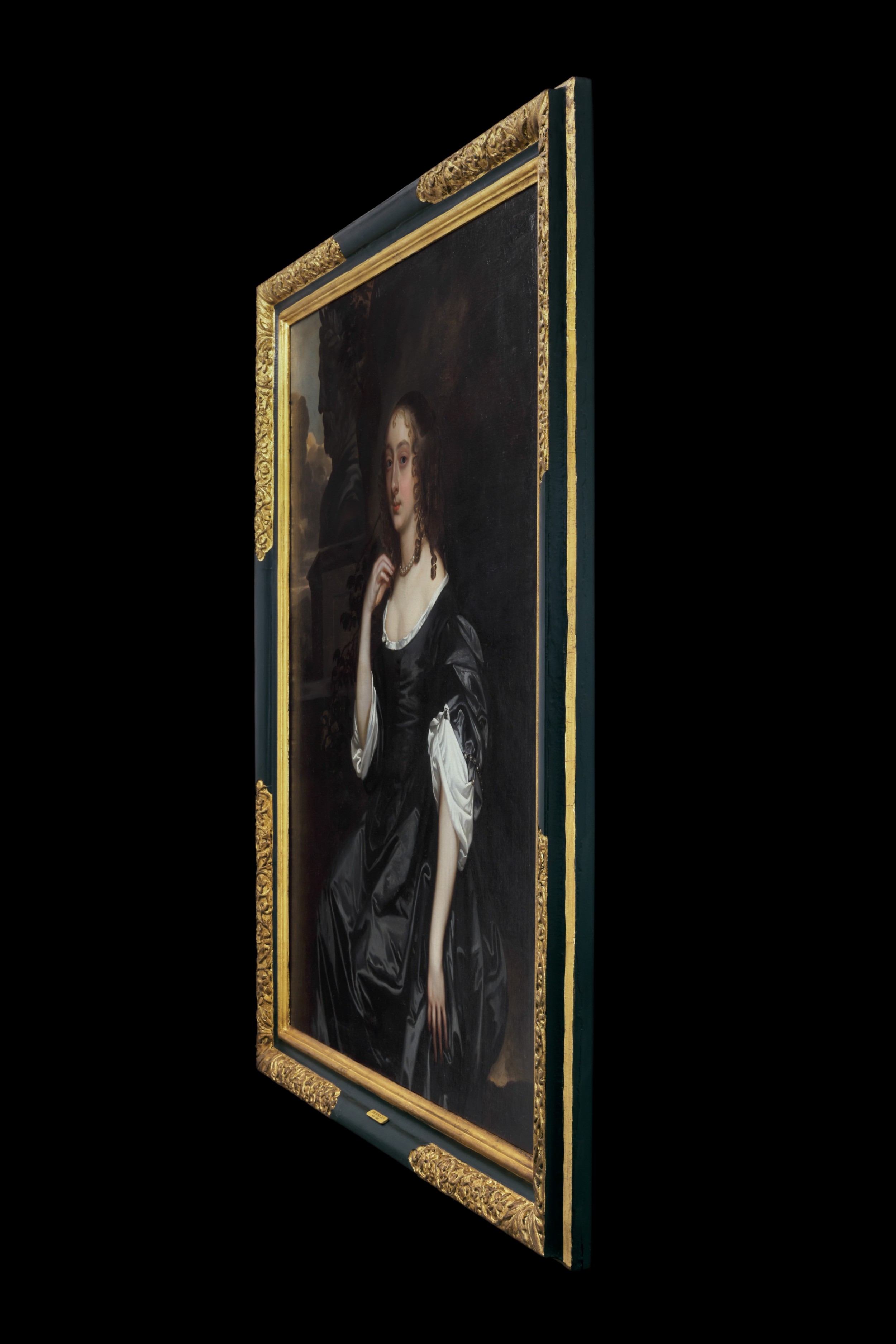
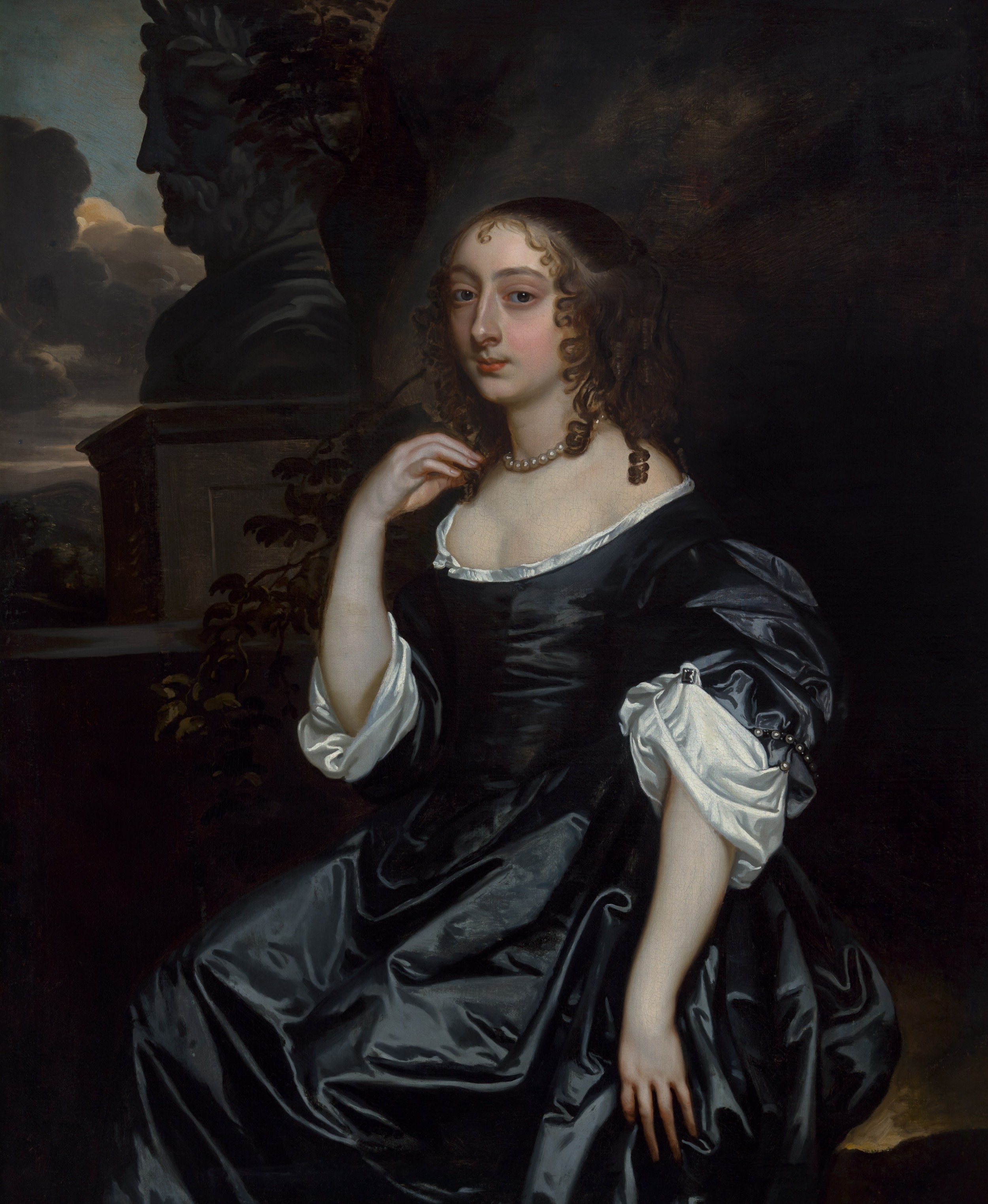
Archive II An oil painting depicting a 17th-century woman in a black dress with white satin sleeves and a pearl necklace, set against a dark backdrop with a stone bust sculpture inside a dark frame with gilded corners. View II
Archive III An oil painting depicting a 17th-century woman in a black dress with white satin sleeves and a pearl necklace, set against a dark backdrop with a stone bust sculpture inside a dark frame with gilded corners. View III
Archive IV An oil painting depicting a 17th-century woman in a black dress with white satin sleeves and a pearl necklace, set against a dark backdrop with a stone bust sculpture inside a dark frame with gilded corners. View IV
Archive V An oil painting depicting a 17th-century woman in a black dress with white satin sleeves and a pearl necklace, set against a dark backdrop with a stone bust sculpture inside a dark frame with gilded corners. View V
Archive VI An oil painting depicting a 17th-century woman in a black dress with white satin sleeves and a pearl necklace, set against a dark backdrop with a stone bust sculpture inside a dark frame with gilded corners. View VI
Archive VII An oil painting depicting a 17th-century woman in a black dress with white satin sleeves and a pearl necklace, set against a dark backdrop with a stone bust sculpture inside a dark frame with gilded corners. View VII
Archive VIII An oil painting depicting a 17th-century woman in a black dress with white satin sleeves and a pearl necklace, set against a dark backdrop with a stone bust sculpture inside a dark frame with gilded corners. View VIII
FURTHER BROWSING

Visitors also looked at these ⇣

Enlarged Archival View
Telephone 07875 412 111
Location
London
United Kingdom
Dealer Profile Page sellingantiques.co.uk/titan
Verified Since Jul 2016
Items For Sale 17
Items Sold 400
Titan Fine Art
Titan Fine Art
Verified Since Jul 2016
View Dealer Info
Location: London, United Kingdom
Verified
Jul 2016
For Sale
17
Sold
400
An oil painting depicting a 17th-century woman in a black dress with white satin sleeves and a pearl necklace, set against a dark backdrop with a stone bust sculpture inside a dark frame with gilded corners.
Portrait of a Lady, possibly Elizabeth Percy, Countess of Essex (1636–1718) c.1660-1665; Studio of Sir Peter Lely (1618–1680), Oil on canvas painting
Ref: SA1222547
An oil painting depicting a 17th-century woman in a black dress with white satin sleeves and a pearl necklace, set against a dark backdrop with a stone bust sculpture inside a dark frame with gilded corners.
Detail View 1
Detail View 2
Detail View 3
Detail View 4
Detail View 5
Detail View 6
Detail View 7
Archival Detail
Every single antique dealer on our platform is individually approved by our internal team. We verify their professional trade history, ethical standards, and photographic quality to ensure a secure, high-standard buying environment. Upon joining, every dealer agrees to a strict 9-point code of conduct. While issues can occasionally arise, our dealers typically resolve them swiftly and directly with the buyer. In fact, since our founding in 2002, Sellingantiques has only had to step in to help resolve an issue on roughly five occasions—a true testament to the quality of our dealers and their dedication to your happiness.
Our dealers are highly experienced in packing and shipping fragile, high-value antiques. Because you are in direct contact with the dealer, you will be able to easily go through all available shipping and insurance options together to ensure your item arrives safely.
Antiques are the ultimate green purchase. By choosing historical pieces over newly manufactured goods, you completely eliminate the carbon footprint of modern mass production while preserving exceptional, timeless craftsmanship.

Restoration portraiture from the mid-to-late 17th century is recognized for its relaxed posture, rich dark drapery, and subtle background elements such as classical statues. Promoted by court painters like Sir Peter Lely, the style emphasizes smooth brushwork and detailed rendering of fabric and pearls.

Artists applied hand-ground pigments bound in drying oils onto stretched linen canvas prepared with a gesso ground. Frames from this period were constructed from carved wood with gold leaf gilding and dark painted finishes.

Experts evaluate canvas construction, craquelure patterns, and pigment compositions using technical analysis. Stylistic markers such as ringlet hairstyles, drapery fold execution, and specific facial proportions assist in attributing works to specific studios or workshops.

Positioning a historical portrait above a fireplace mantel or console table creates a dramatic focal point in modern rooms. Juxtaposing dark oil tones against neutral walls or contemporary furniture establishes a balanced interior scheme.

Display paintings away from direct sunlight, heating vents, and high humidity to prevent pigment fading and canvas warping. Dust the frame and surface gently with a soft dry brush, reserving deep cleaning or varnish treatment for professional conservators.
items
Add keywords to the filter
Price
£100
£250000
Era
Movements
Material
Origin
Stock Location
Freshness
Online Payments
Categories