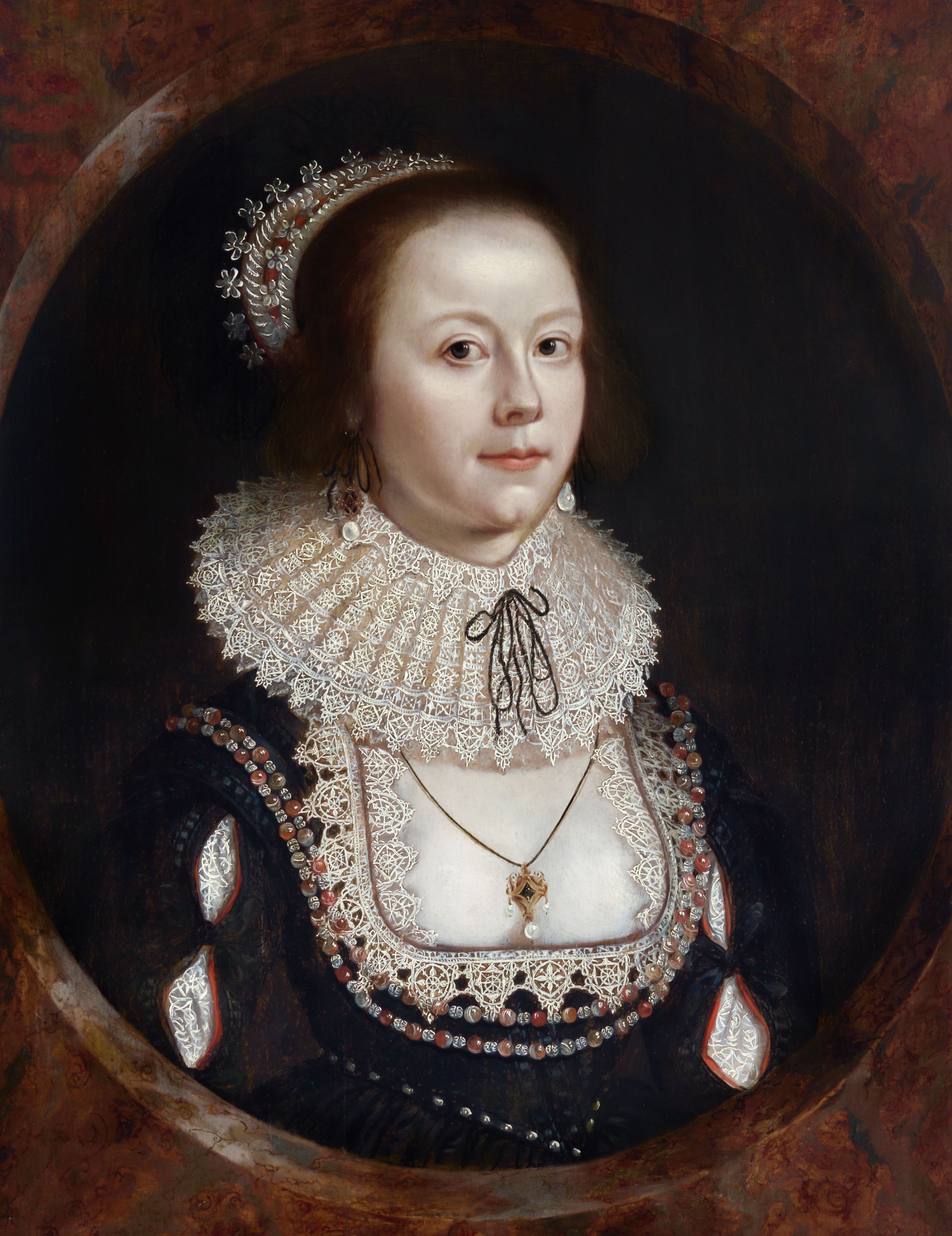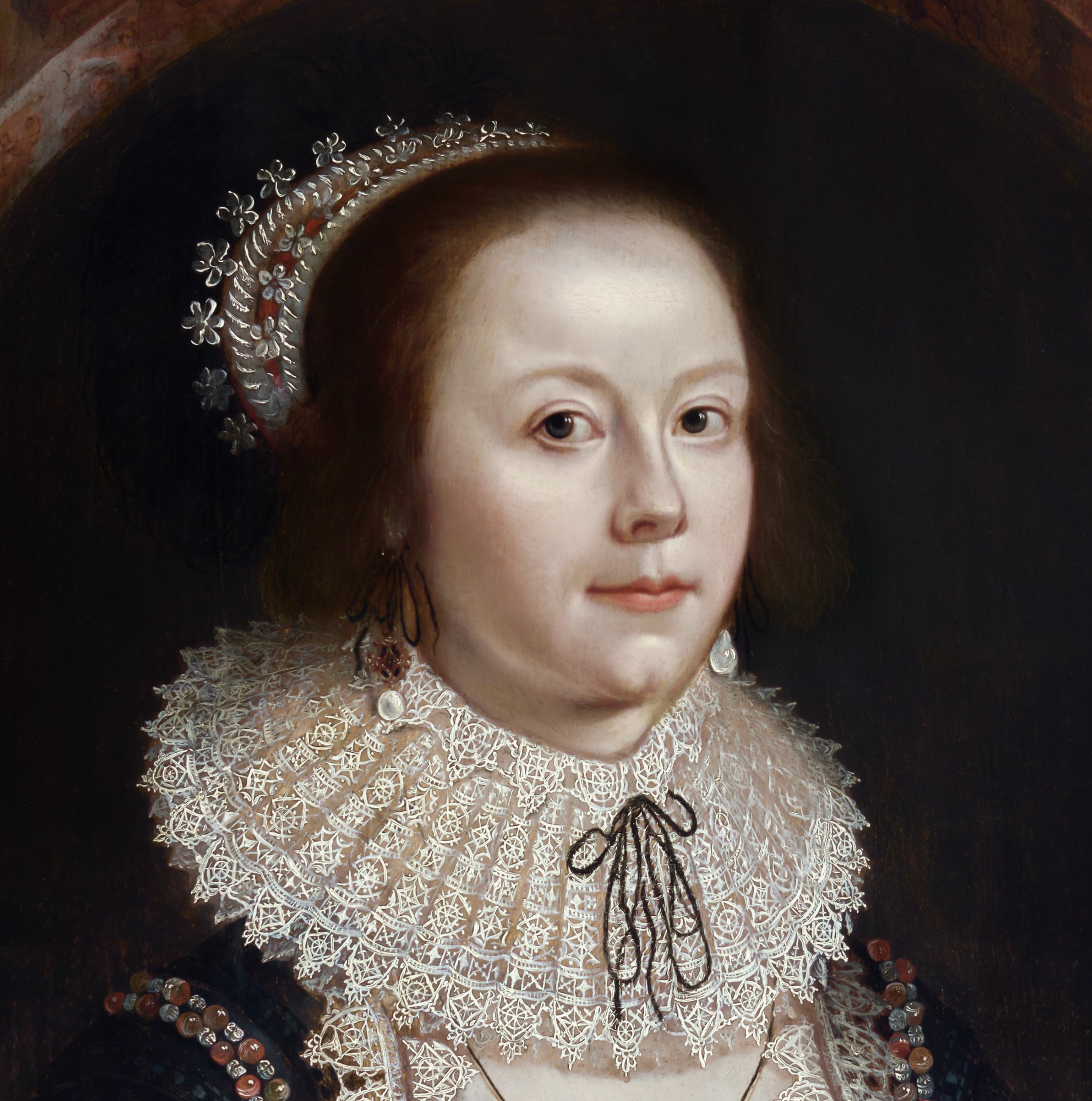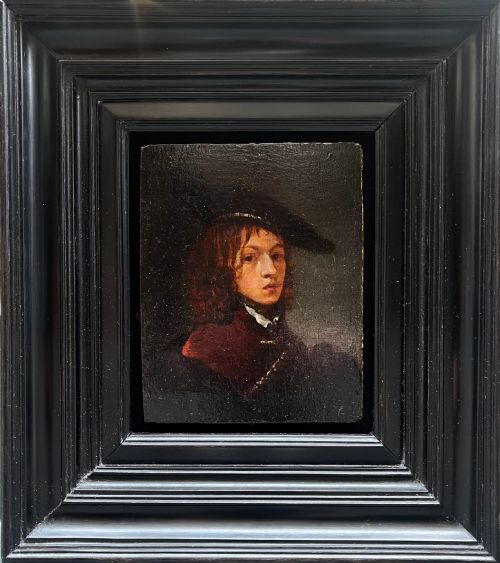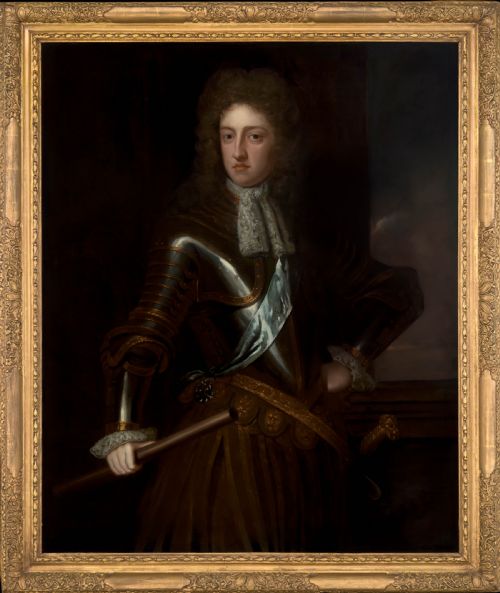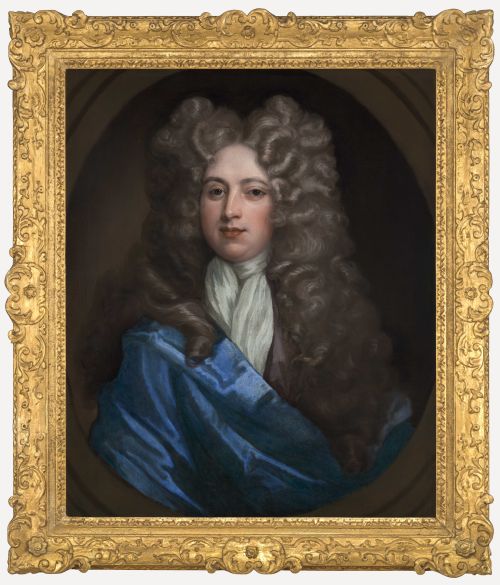
Titan Fine Art has dated this 17th Century Oil Portrait to the 17th Century.
Temple was a diplomat, essayist, philosopher, and the patron of Jonathan Swift. He was a key participate at an important period in English history, helping not only to negotiate the Triple Alliance, but also the marriage between William of Orange and Princess Mary. His collection at Moor Park was well known in its day, reflecting both his cultivated taste in art and literature and his international connections.
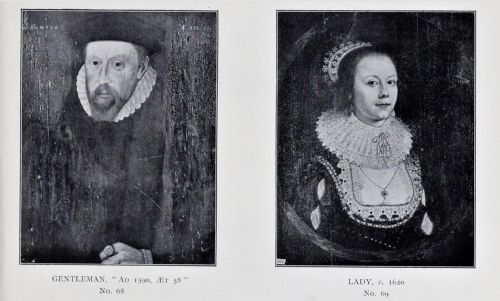
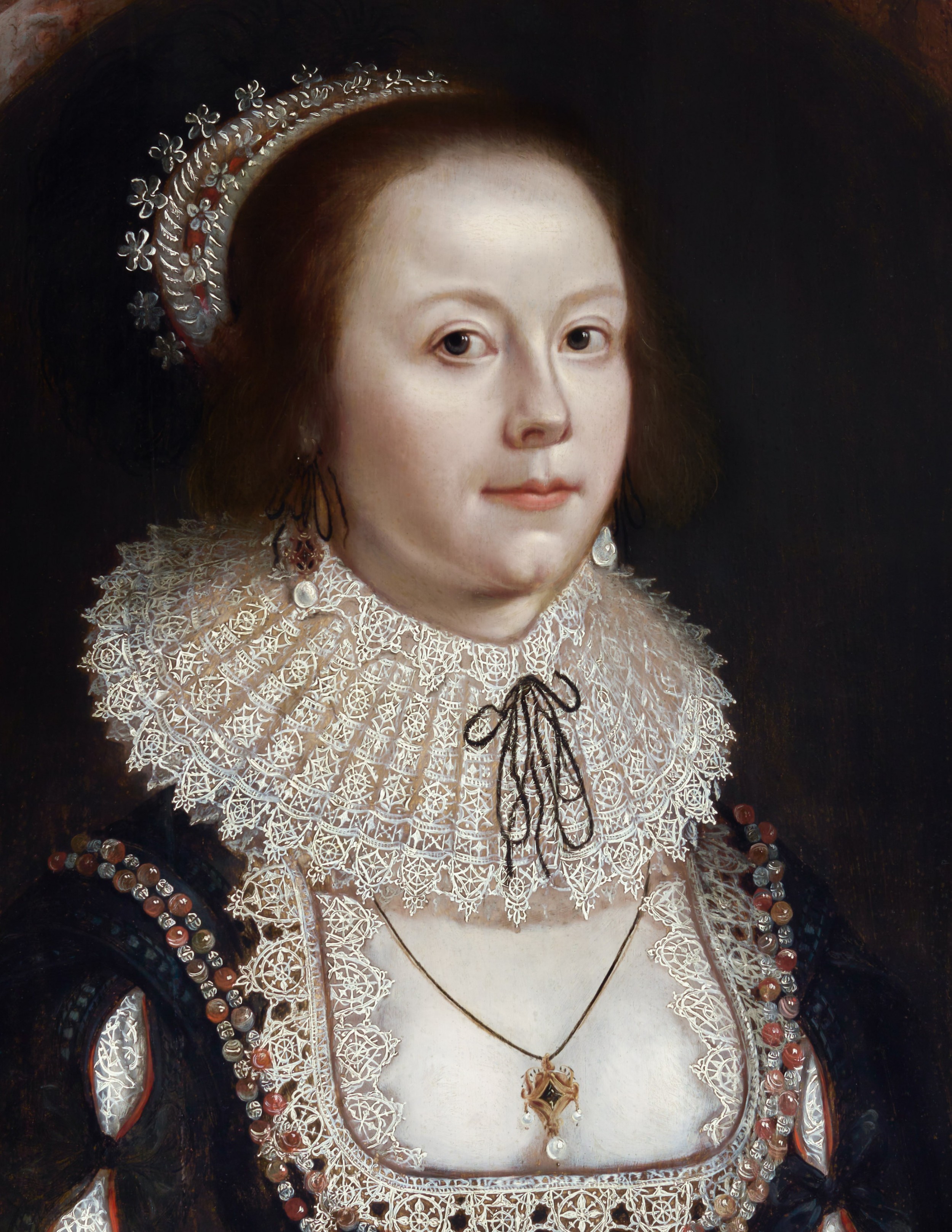
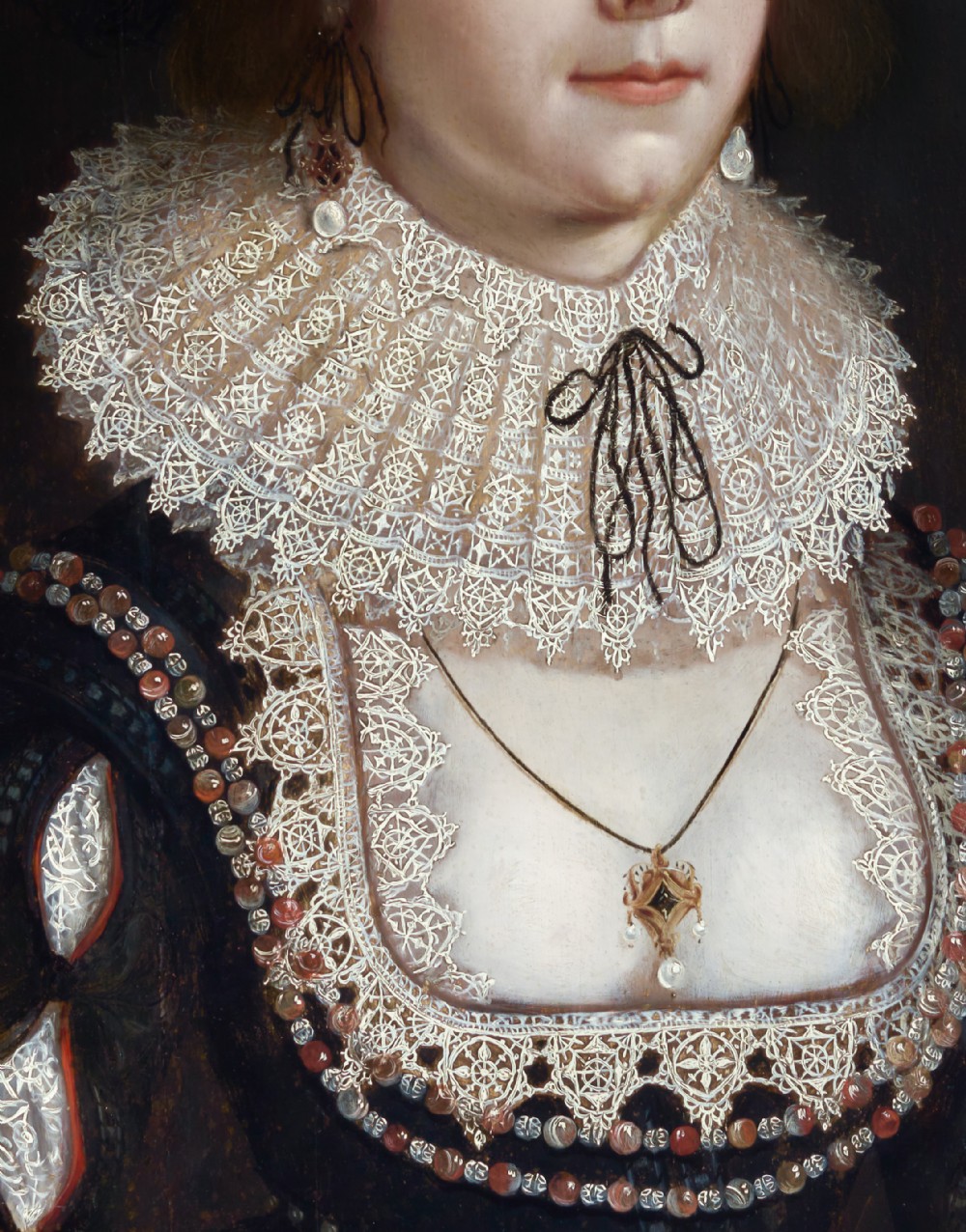
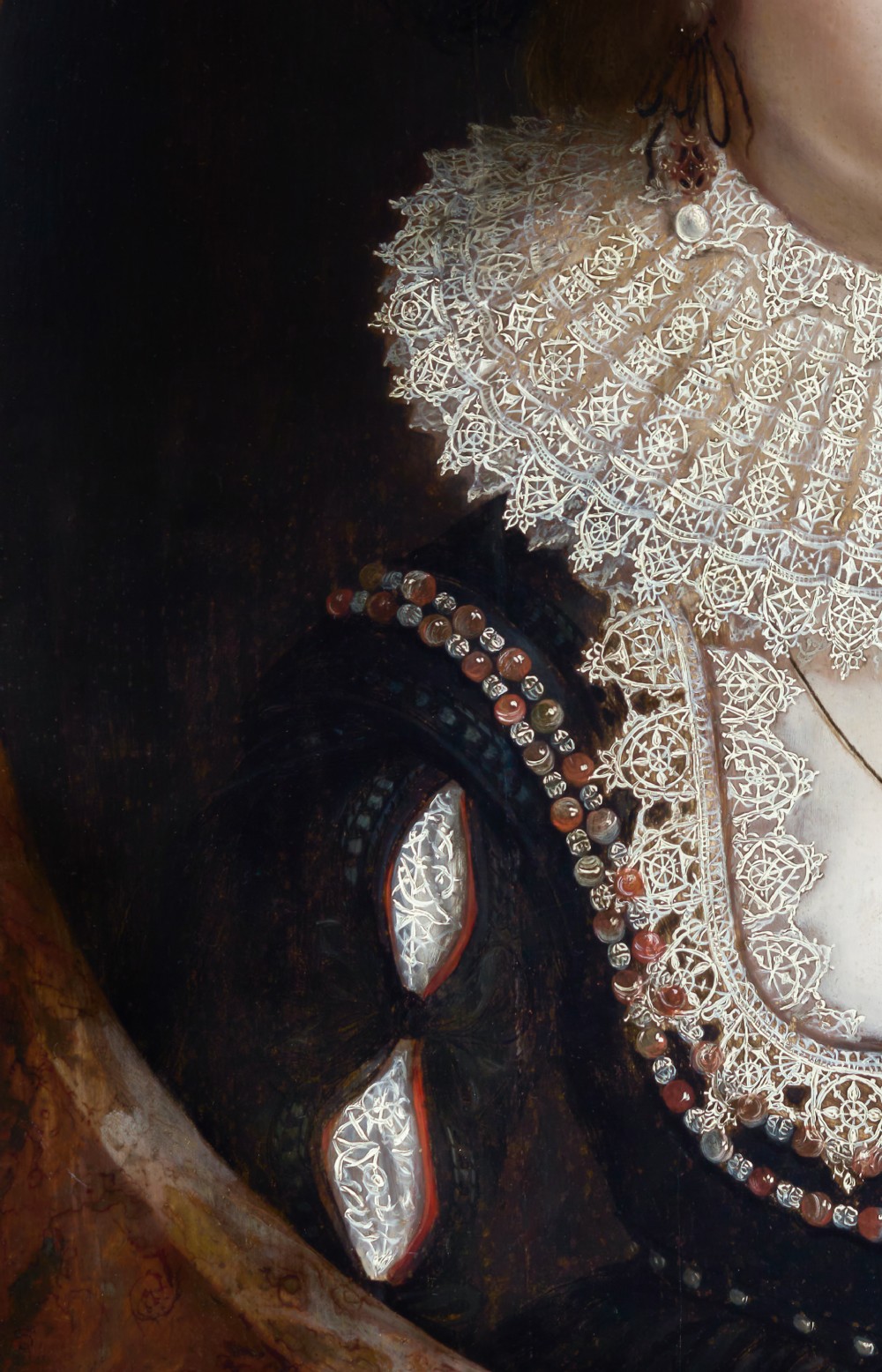
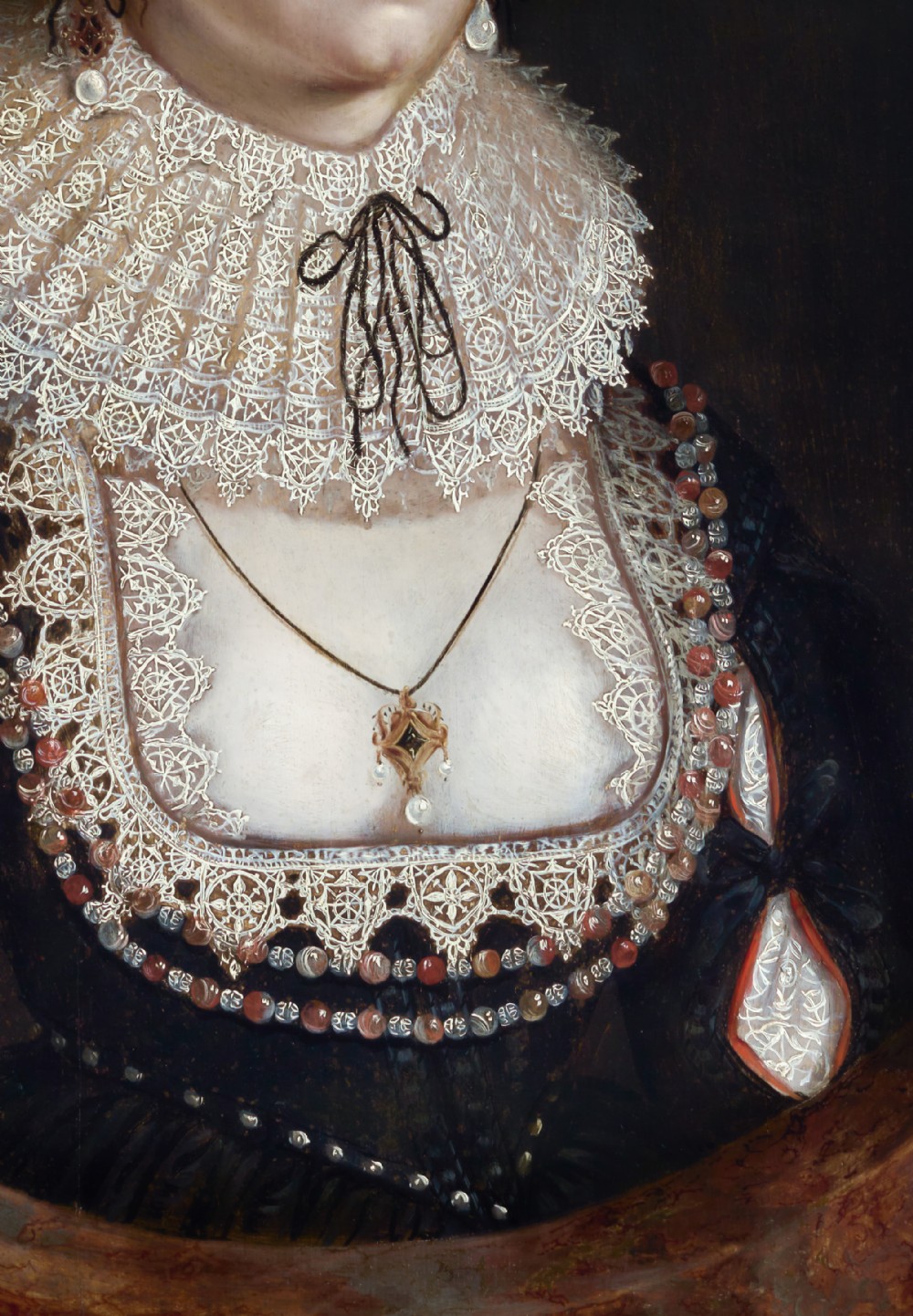
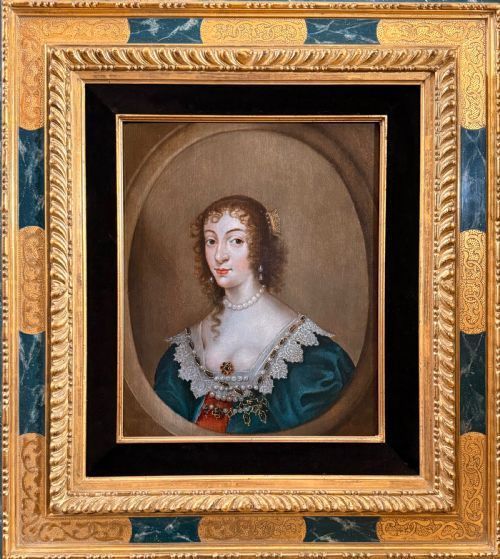
Its fabulous attire, rendered with almost microscopic attention, is not merely decorative but emblematic of a world in which visual display was a language of power. Its provenance, stretching from the English country house and Enlightenment scholarship to modernist circles, forms a microcosm of cultural exchange across four centuries. Thus, the portrait of Mary Hammond stands as both a masterpiece of early seventeenth-century craftsmanship and a witness to the grand narrative of collecting and connoisseurship—a testament to the enduring fascination of beauty, status, and history intertwined.
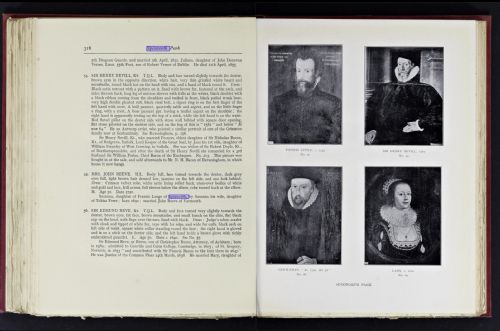
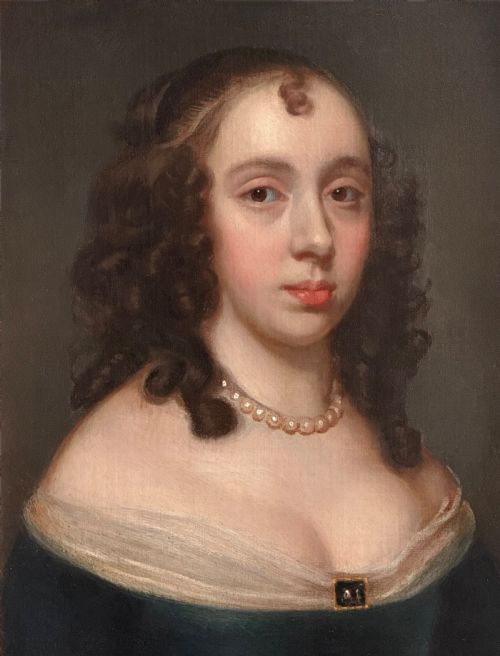
By tradition the portrait depicts Mary Hammond (born c.1602), who was Sir William Temple’s mother, and the daughter of the royal physician who served James I, Dr John Hammond (c.1555–1617) and whose family owned Chertsey Abbey in Surrey. The woman appears between 18 and 25 years old, and Mary would be about 18–20 when the portrait was painted circa 1620, therefore this matches the apparent age of the sitter and the fashion perfectly.
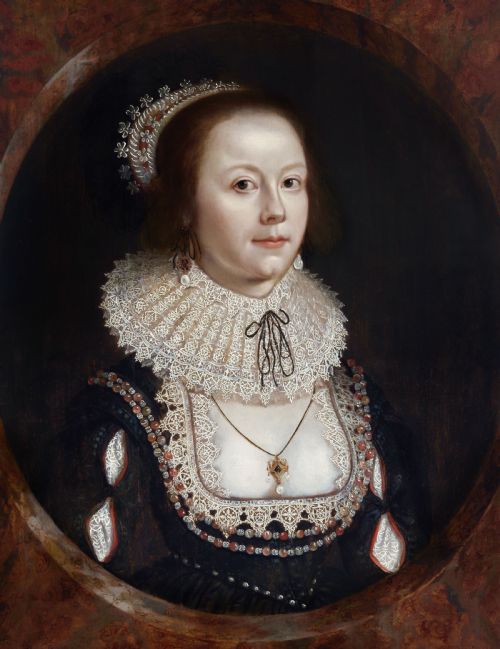
Mary stood at the intersection of learned/courtly and gentry worlds. On 22 June 1627 she married her first cousin (a common practice for consolidating family wealth and influence during that era.) Sir John Temple (1600-1677) at St Michael, Cornhill in the City of London. The couple resided nearby, at Blackfriars. Her marriage to Sir Temple placed her at the heart of the social and political circles that shaped British history.
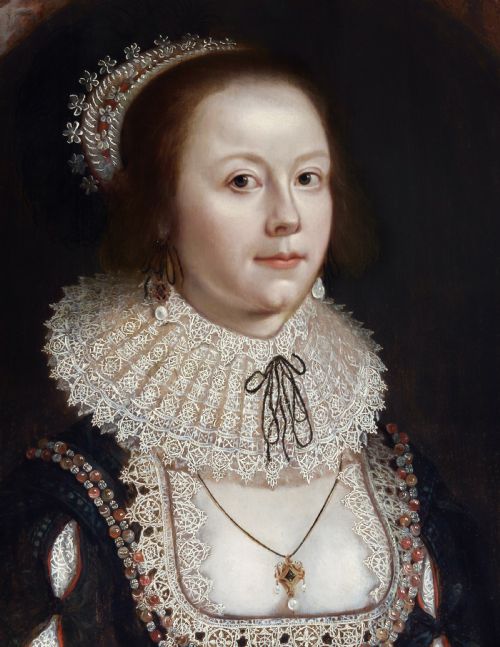
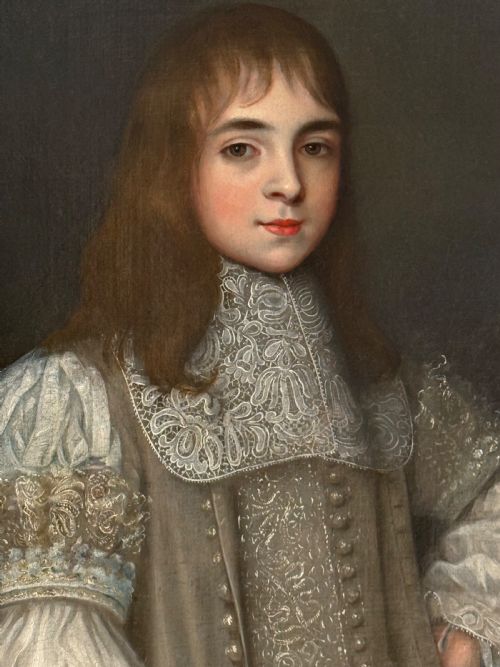
Cornelius Johnson (c. 1593–1661) was a highly regarded portrait artist, born in London, painting English gentry and professional families — including those with medical or legal ties (like the Hammonds and Temples). In 1632, he was appointed "picture-drawer" to King Charles I. The portrait is a very close stylistic and technical alignment — the enamel like surface, the fine stippling of the lace, and controlled lighting are typical of Johnson’s work at this time.
MUCH more information is at : www.titanfineart.com
Titan Fine Art has dated this 17th Century Oil Portrait to the 17th Century.
Specialist in 17th & 18thc portraits. Highly curated selection, museum-level research & pro conservation. Exceptional art, expertly vetted.
You can view the stock and full dealer information on the Titan Fine Art Profile Page
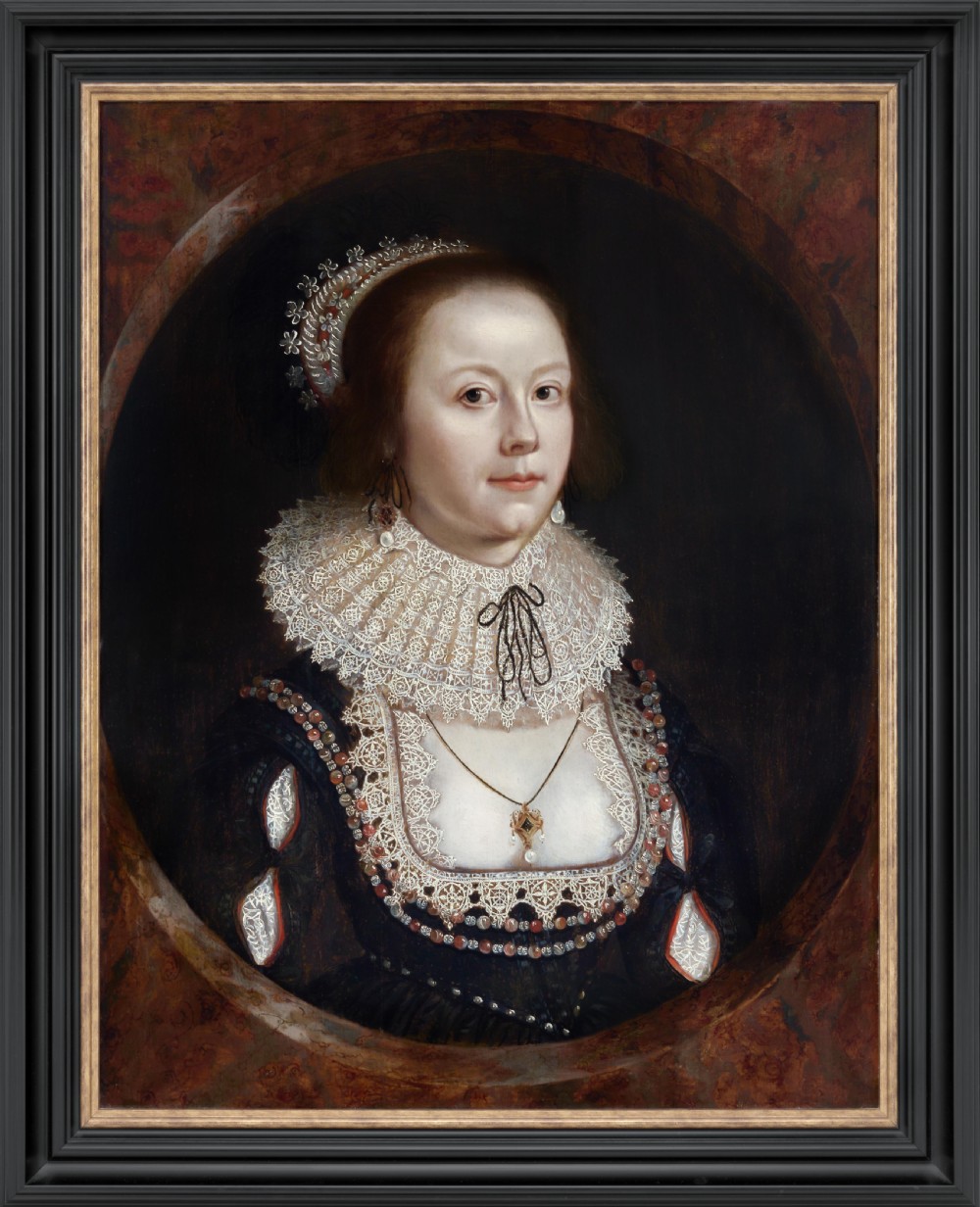
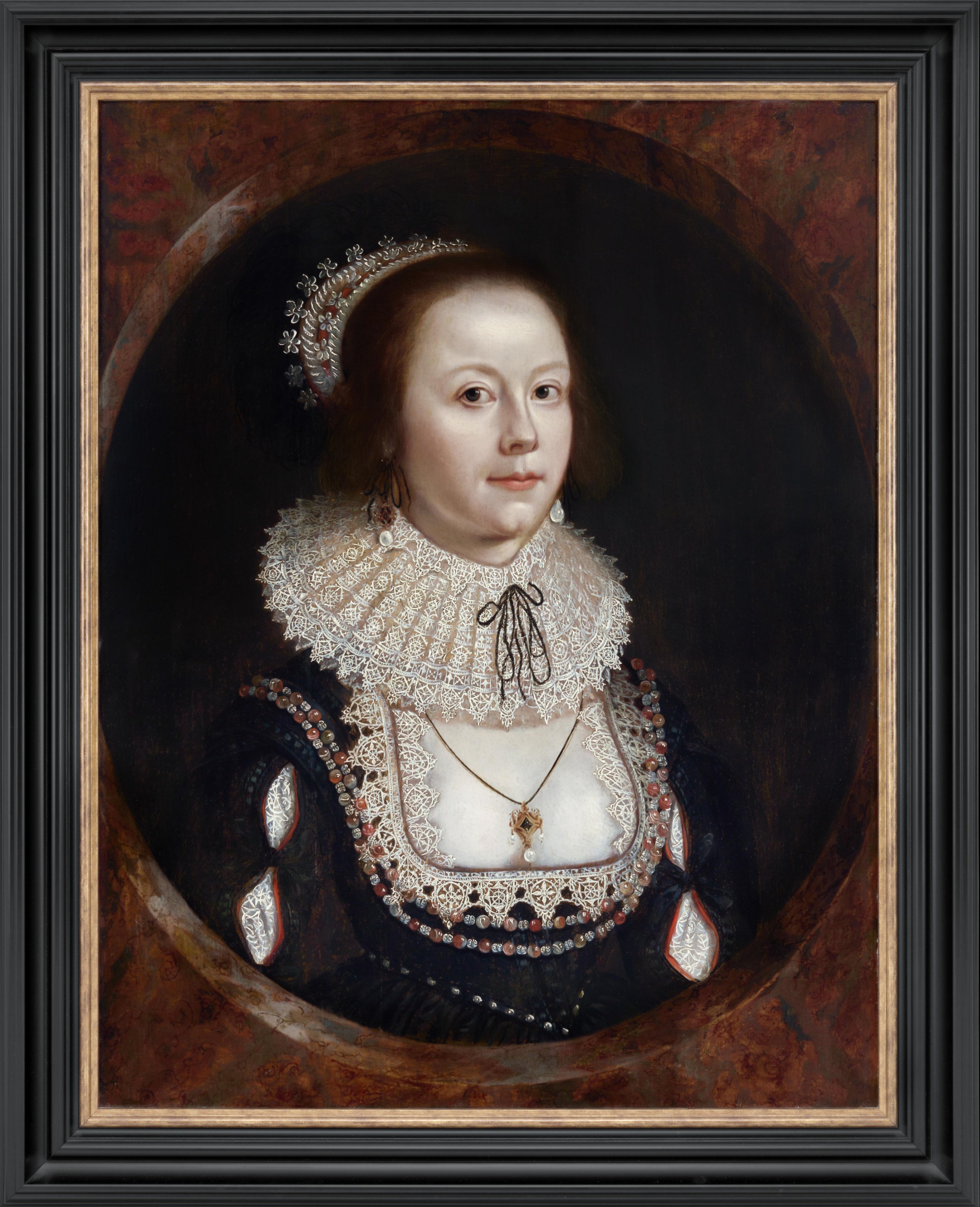
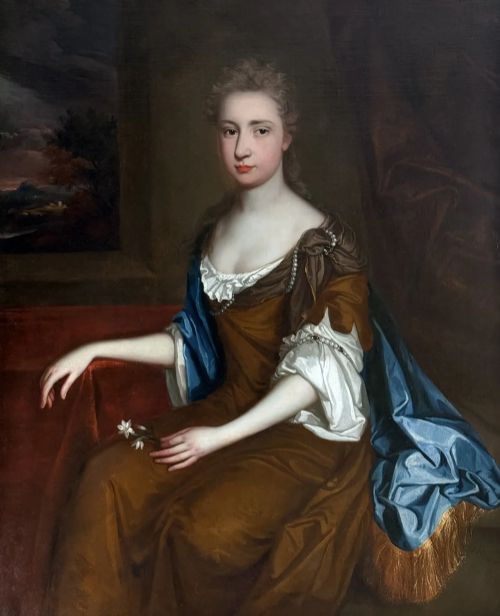
Portrait of a Lady, Mary Hammond in Sumptuous Attire, Jewels and Lace C.1618-22; Circle of Cornelius Johnson (1593-1661), Oil on Panel Painting