47,122  PAGES BROWSED TODAY PAGES TODAY 103  ANTIQUES UPLOADED TODAY NEW ARRIVALS
ID #SA1186823
FOR SALE
£1,950
Email
Save
Antique Ormolu Mounted Vitrine Display Cabinet C.1880 19th Century
Regent Antiques
for sale €2,282     $2,477
£1,950
Regent Antiques

Regent Antiques

Sellingantiques Verified Since Sep 2016
View Dealers Stock Page
  • About Us
    We specialise in english and continental furniture, silver, porcelain and decorative items.
  • Trade Associations
    Regent Antiques is a registered member of LAPADA  CINOA
Id #SA1186823
PDF SHARE
SAVE

Antique Ormolu Mounted Vitrine Display Cabinet C.1880 19th Century

19th century
For Sale by Regent Antiques
Description

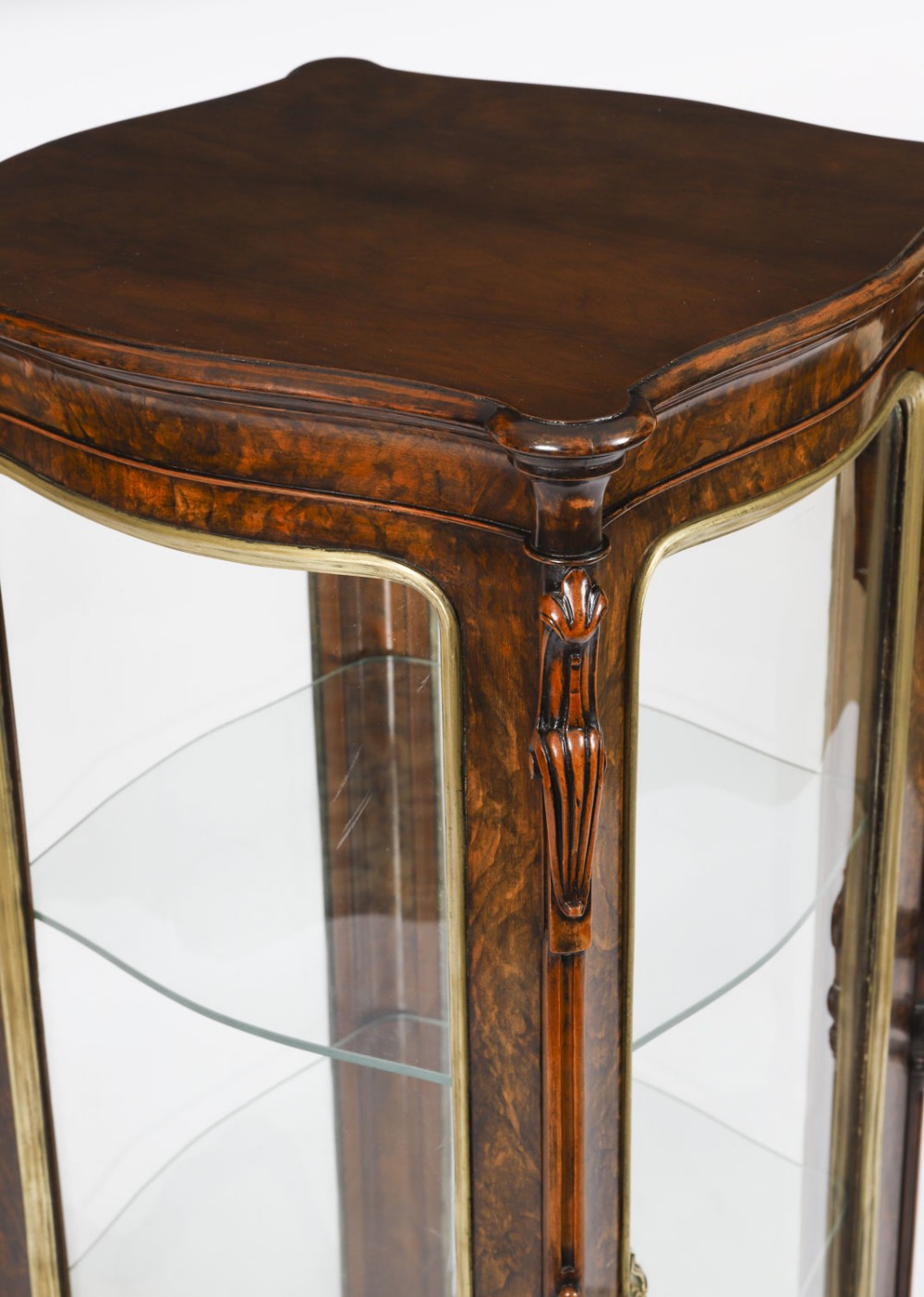
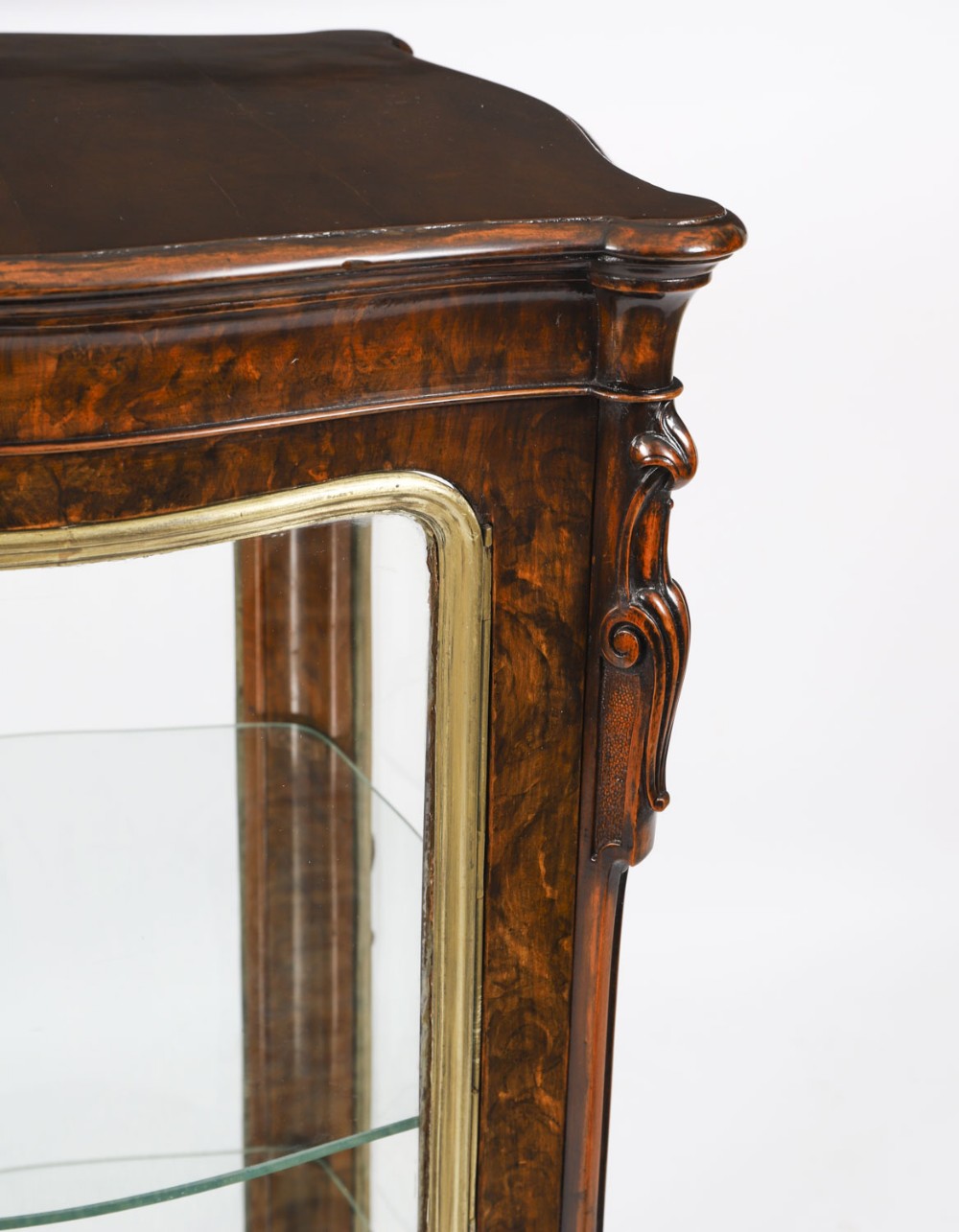
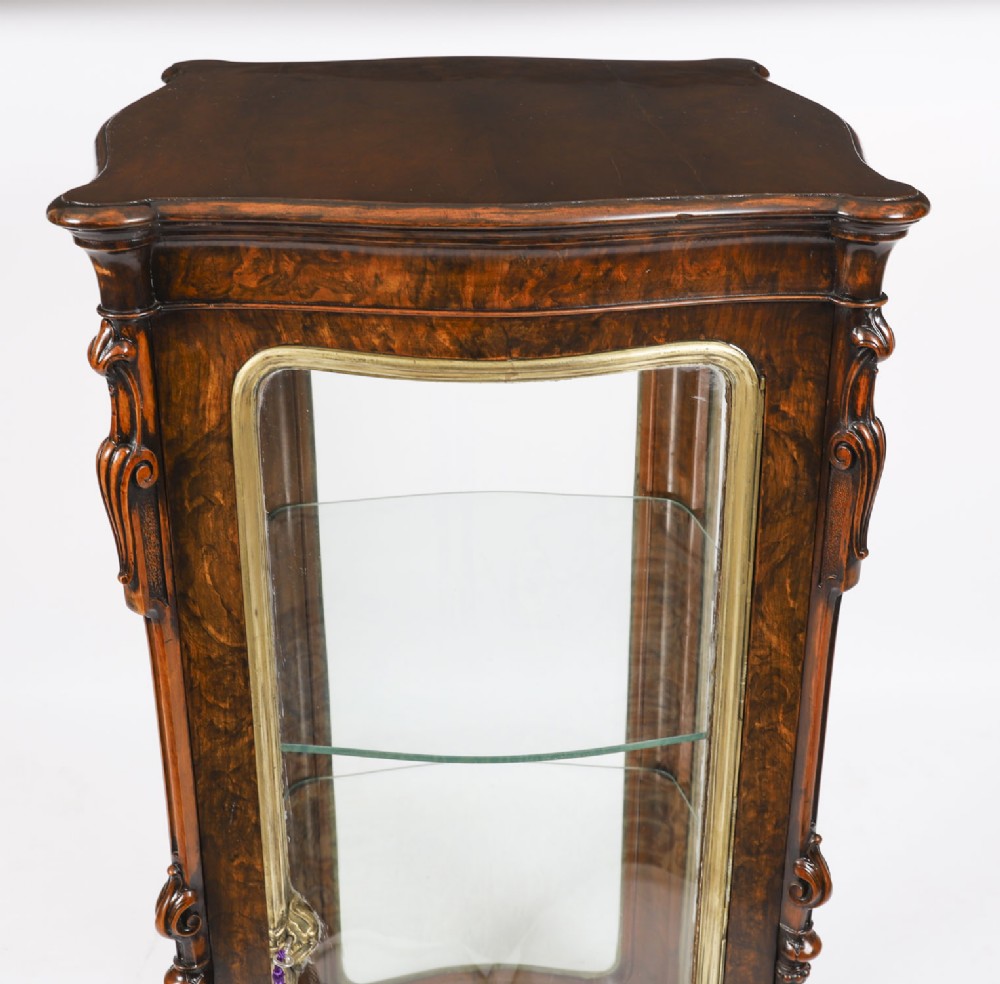
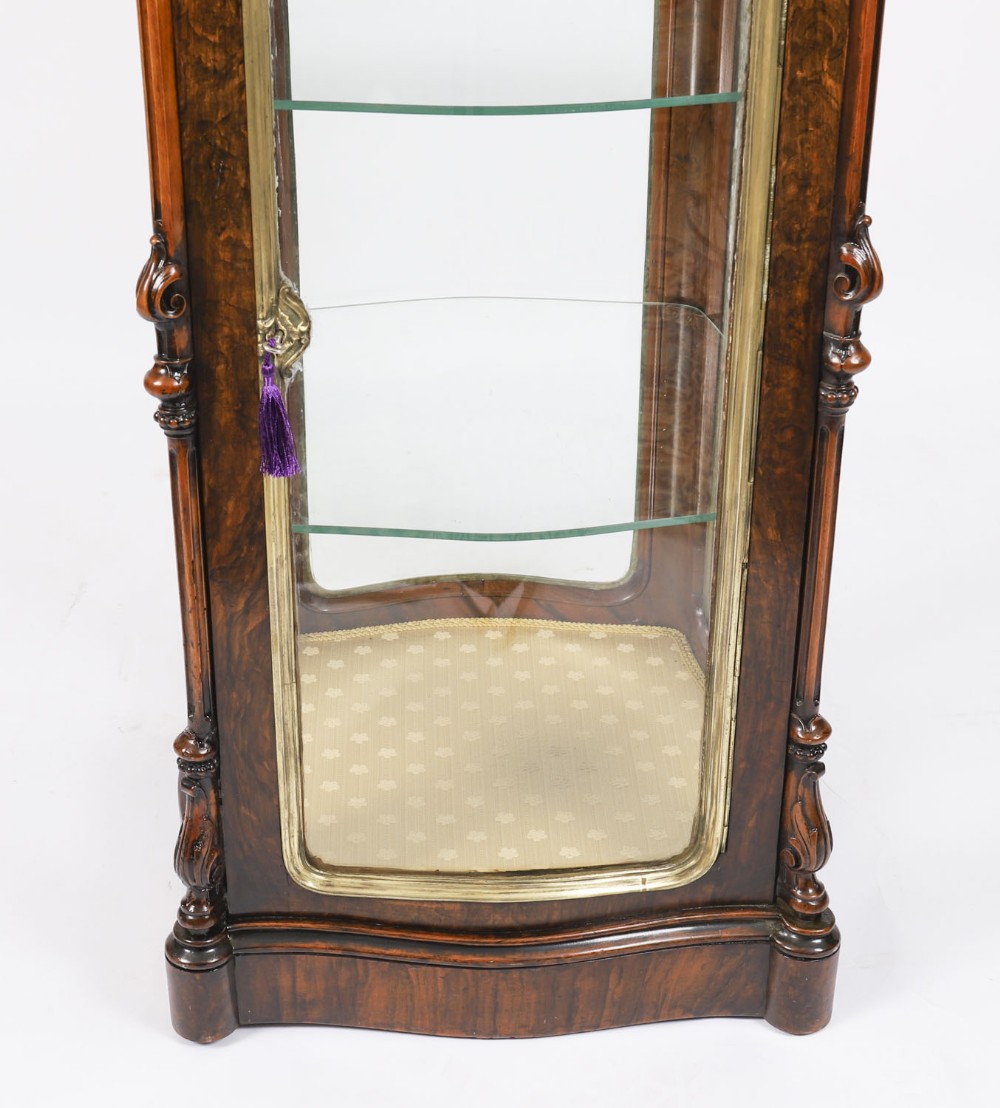
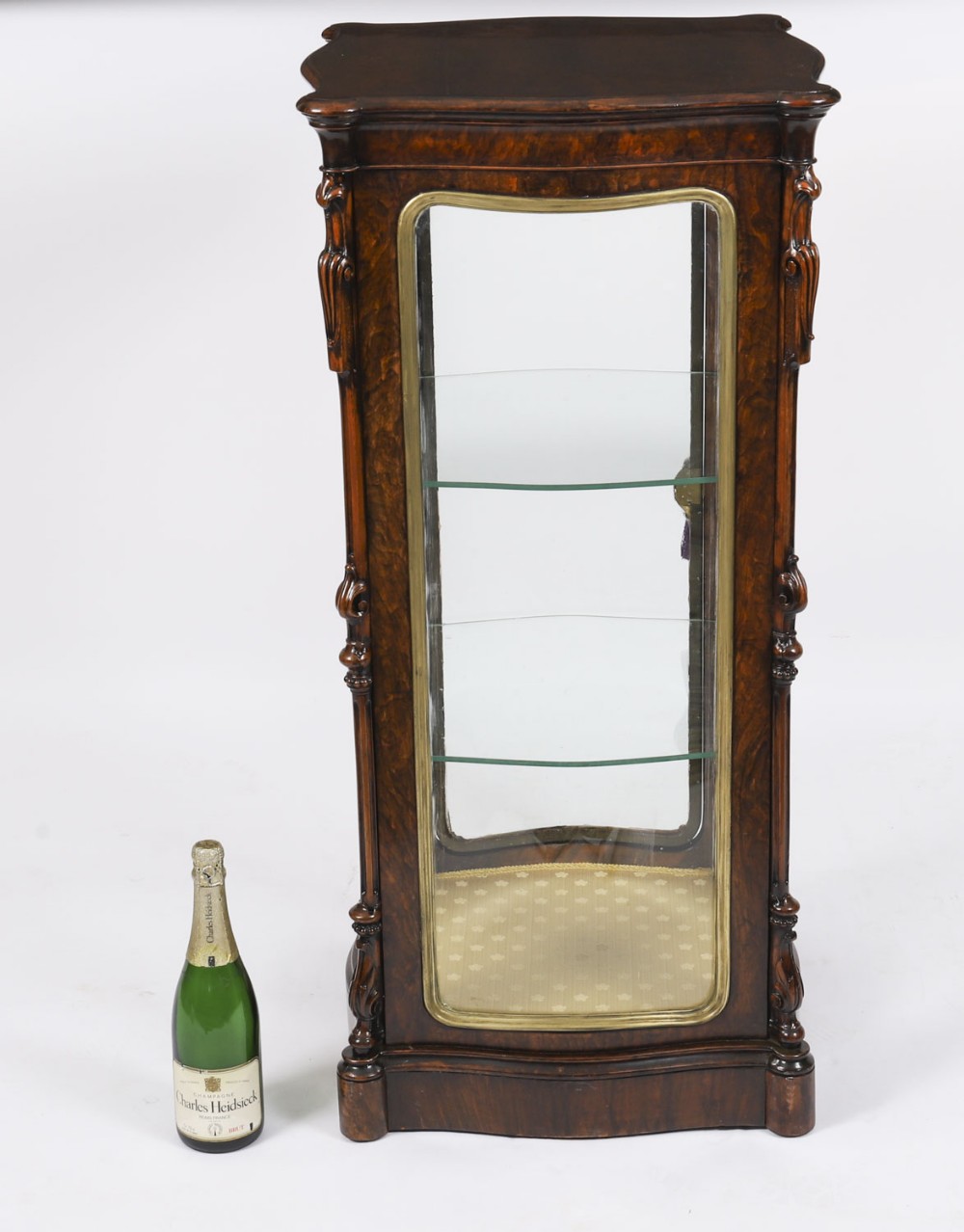
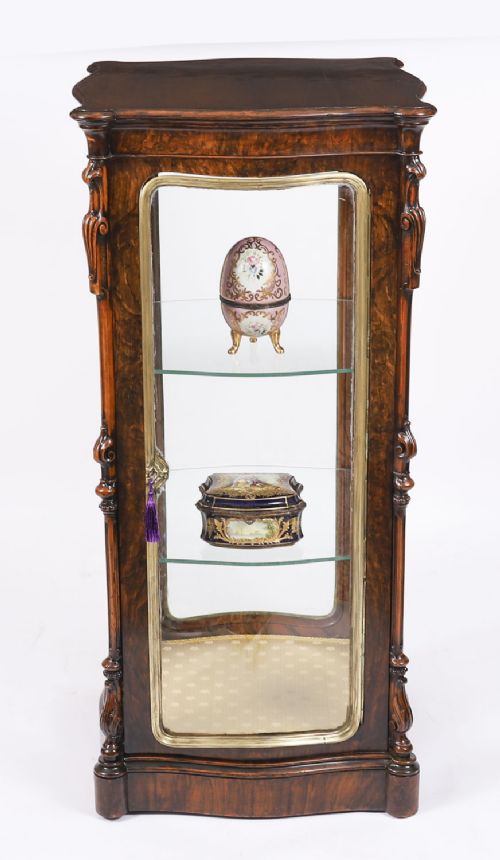
This is an understated elegant antique Victorian burr walnut vitrine of square shaped form with serpentine glazed sides and fabulous ormolu mounts, circa 1870 in date.


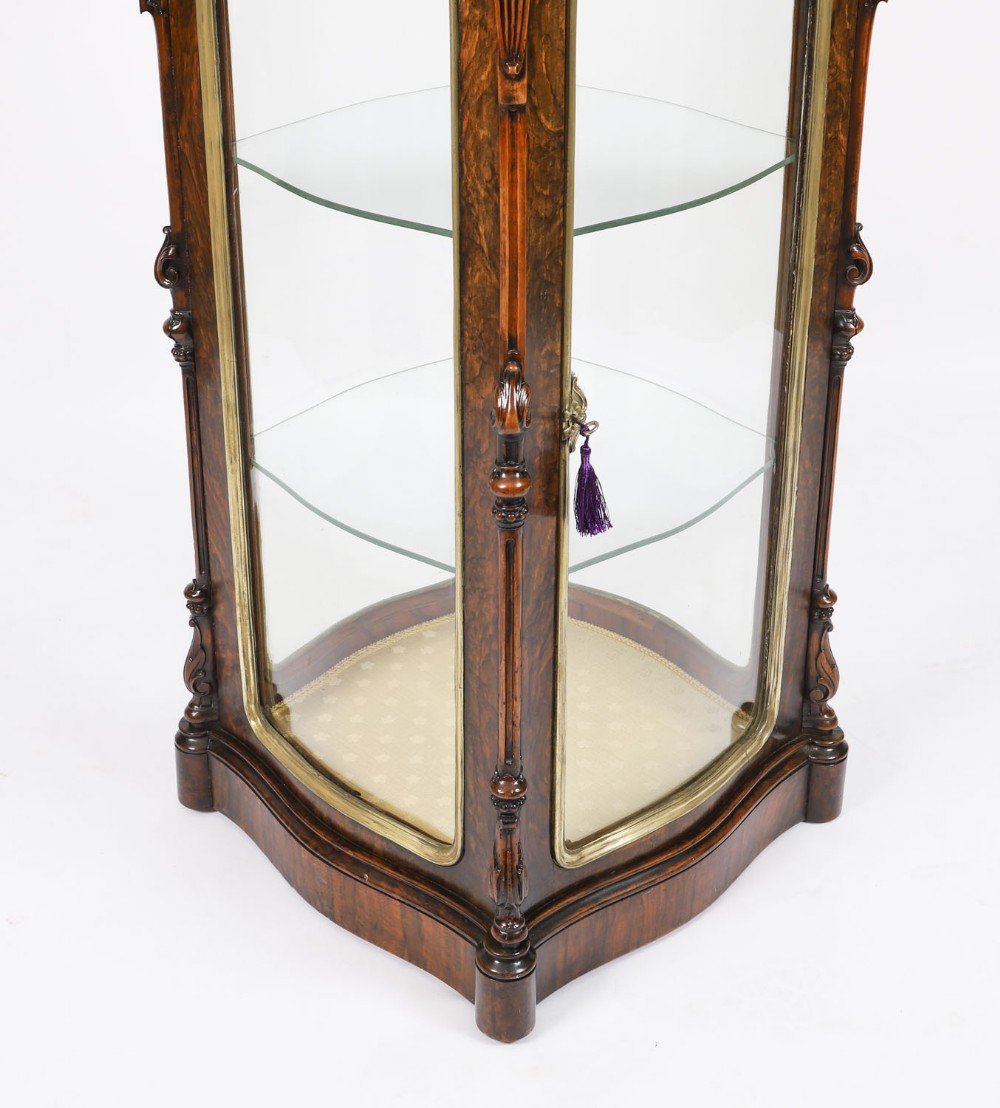
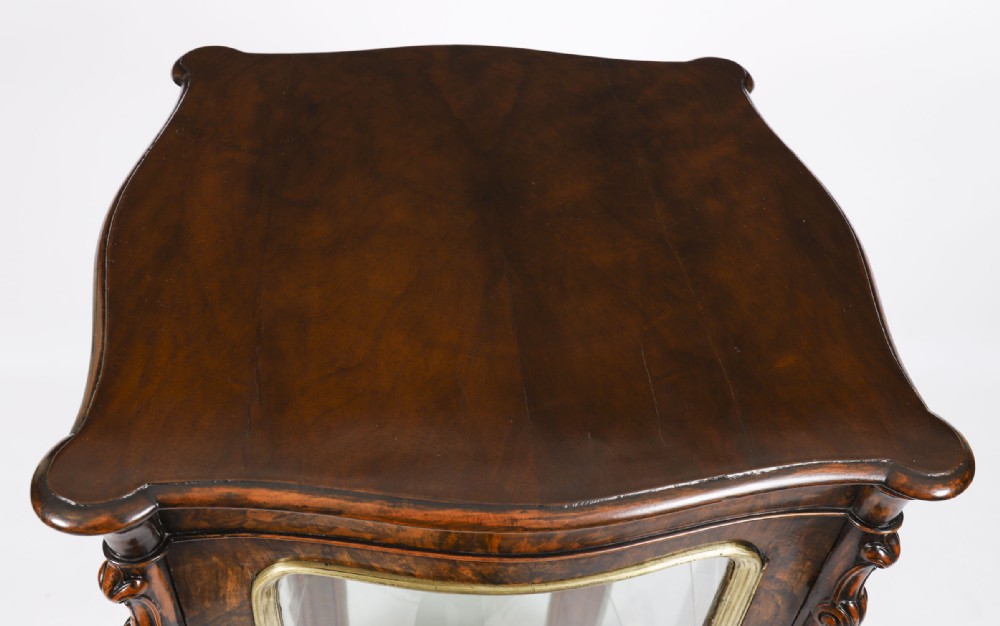
This cabinet is elegantly crafted from fabulous burr walnut, the shaped top over four serpentine  glazed panels that are framed with banded ormolu.

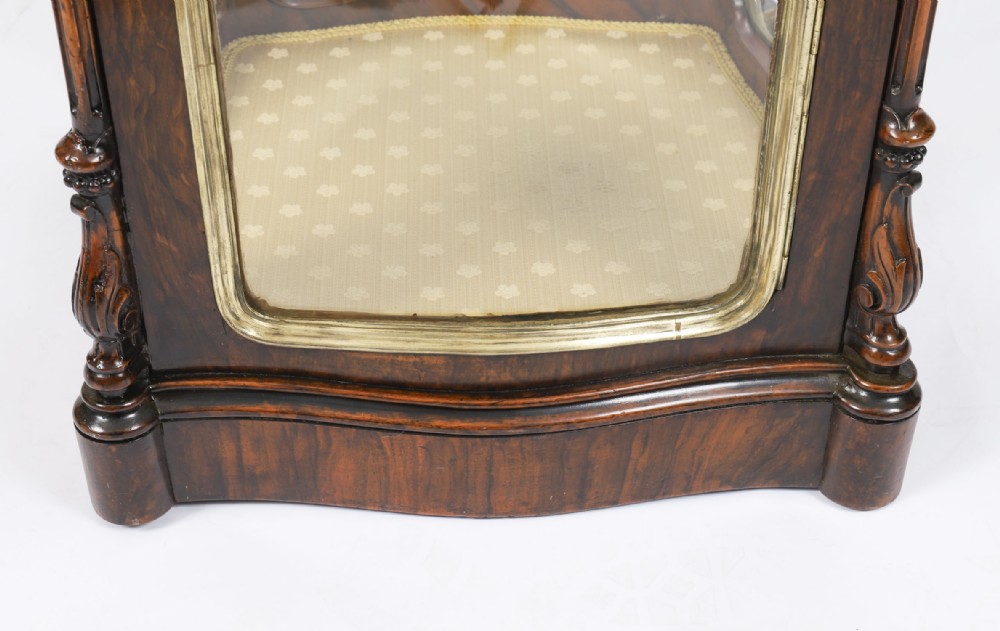
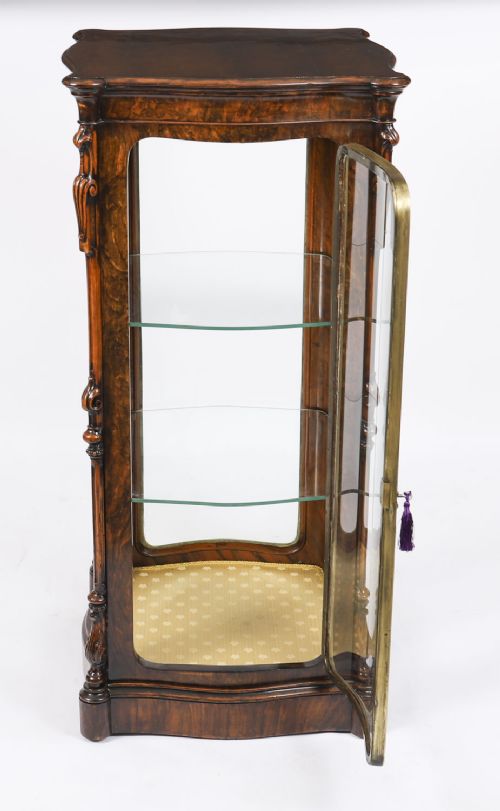
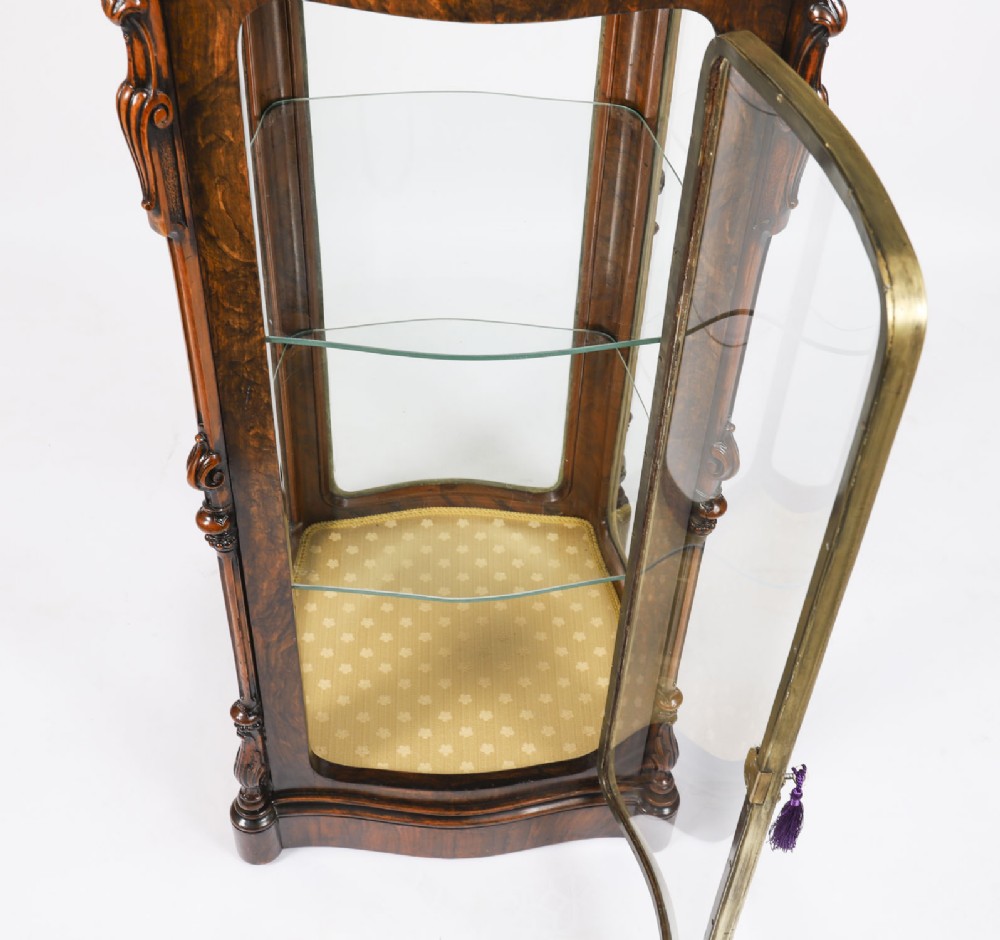
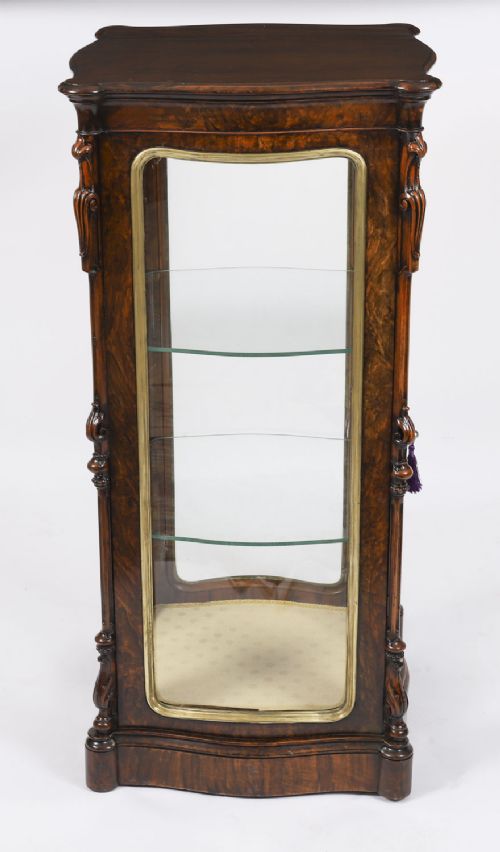
The cabinet with hinged door enclosing a pair of glass shelves.  The base has been lined in a sumptuous gold fabric and the cabinet is raised on concealed brass castors.

This elegant display cabinet will soon become the centerpiece of your furniture collection and can suitably house your most valued collectibles.

Condition:

In excellent condition, please see photos for confirmation.

Dimensions in cm:

Height 104 cm x Width 50 cm x Depth 50 cm

Dimensions in inches:

Height 3 foot, 5 inches x Width 1 foot, 8 inches x Depth 1 foot, 8 inches

Walnut & Burr Walnut

Walnut is a hard, dense, tight- grained wood that polishes to a very smooth finish. It is a popular and attractive wood whose colour ranges from near white in the sapwood to a dark hew in the heartwood. When dried in a kiln, walnut wood tends to develop a dull brown colour, but when air-dried can become a rich purplish-brown. Because of its colour, hardness and grain, it is a prized furniture and carving wood. Walnut veneer was highly priced and the cost would reflect the ‘fanciness’ of the veneer – the more decorative, then the more expensive and desirable.

Burr walnut refers to the swirling figure present in nearly all walnut when cut and polished, and especially in the wood taken from the base of the tree where it joins the roots. However the true burr is a rare growth on the tree where hundreds of tiny branches have started to grow. Burr walnut produces some of the most complex and beautiful figuring you can find.

Walnut "burrs" were often used to make fabulous furniture.  Veneer sliced from walnut burl is one of the most valuable and highly prized by cabinet makers and prestige car manufacturers and is also a favourite material for shotgun stocks.

Ormolu - Gilt Bronze (from French 'or moulu', signifying ground or pounded gold) is an 18th-century English term for applying finely ground, high-carat gold in a mercury amalgam to an object of bronze.The mercury is driven off in a kiln leaving behind a gold-coloured veneer known as 'gilt bronze'.

The manufacture of true ormolu employs a process known as mercury-gilding or fire-gilding, in which a solution of nitrate of mercury is applied to a piece of copper, brass, or bronze, followed by the application of an amalgam of gold and mercury. The item was then exposed to extreme heat until the mercury burned off and the gold remained, adhered to the metal object.

Our reference: A4579

Physical Dimensions
Height
104cm (40.94")
Width
50cm (19.69")
Depth
50cm (19.69")
Declaration

Regent Antiques has dated this Burr Walnut Vitrine Cabinet to the 1870s.
Reference Numbers
Sellingantiques Reference
SA1186823
Dealers Internal Reference
A4579
Description
This is an understated elegant antique Victorian burr walnut vitrine of square shaped form with serpentine glazed sides and fabulous ormolu mounts, circa 1870 in date.


This cabinet is elegantly crafted from fabulous burr walnut, the shaped top over four serpentine  glazed panels that are framed with banded ormolu.
Regent Antiques
fig 1. A late 19th-century burr walnut vitrine display cabinet featuring glazed curved sides, gilt-metal ormolu mounts, and internal glass shelves.
fig 1. Antique Ormolu Mounted Vitrine Display Cabinet C.1880 19th Century

The cabinet with hinged door enclosing a pair of glass shelves.  The base has been lined in a sumptuous gold fabric and the cabinet is raised on concealed brass castors.

This elegant display cabinet will soon become the centerpiece of your furniture collection and can suitably house your most valued collectibles.
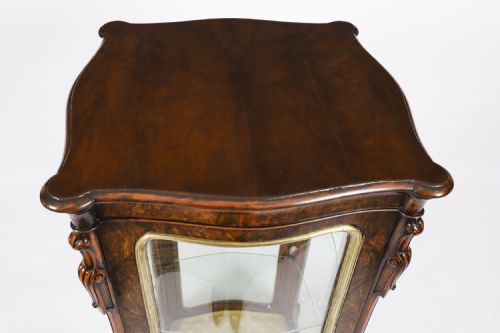
fig 2. A late 19th-century burr walnut vitrine display cabinet featuring glazed curved sides, gilt-metal ormolu mounts, and internal glass shelves.
fig 2. Antique Ormolu Mounted Vitrine Display Cabinet C.1880 19th Century

Condition:

In excellent condition, please see photos for confirmation.

Dimensions in cm:

Height 104 cm x Width 50 cm x Depth 50 cm

Dimensions in inches:

Height 3 foot, 5 inches x Width 1 foot, 8 inches x Depth 1 foot, 8 inches
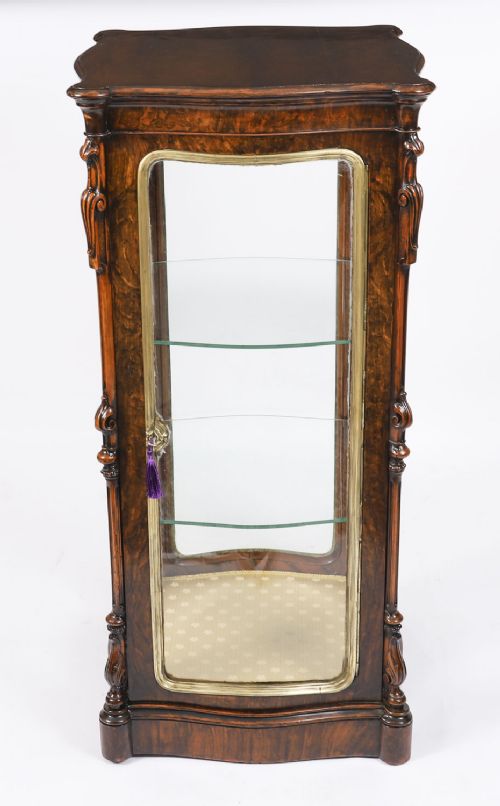
fig 3. A late 19th-century burr walnut vitrine display cabinet featuring glazed curved sides, gilt-metal ormolu mounts, and internal glass shelves.
fig 3. Antique Ormolu Mounted Vitrine Display Cabinet C.1880 19th Century

Walnut & Burr Walnut

Walnut is a hard, dense, tight- grained wood that polishes to a very smooth finish. It is a popular and attractive wood whose colour ranges from near white in the sapwood to a dark hew in the heartwood. When dried in a kiln, walnut wood tends to develop a dull brown colour, but when air-dried can become a rich purplish-brown. Because of its colour, hardness and grain, it is a prized furniture and carving wood. Walnut veneer was highly priced and the cost would reflect the ‘fanciness’ of the veneer – the more decorative, then the more expensive and desirable.
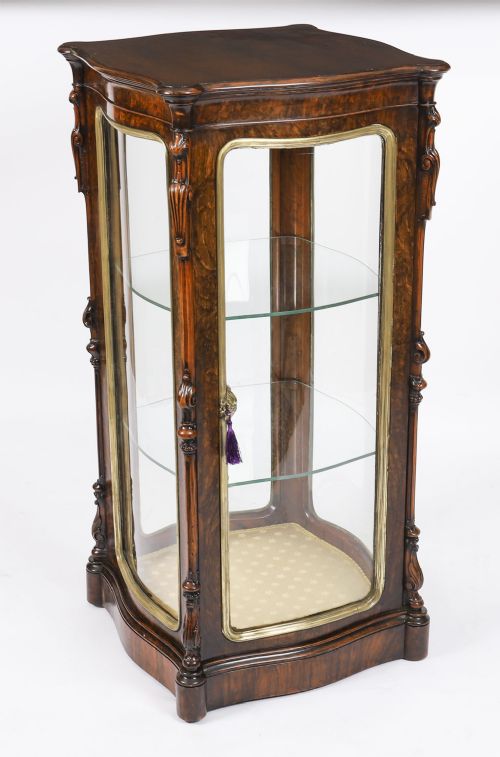
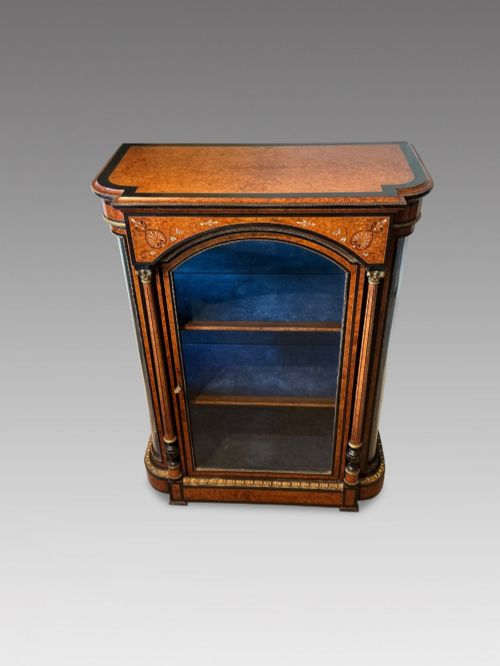
fig 4. A late 19th-century burr walnut vitrine display cabinet featuring glazed curved sides, gilt-metal ormolu mounts, and internal glass shelves.
fig 4. Antique Ormolu Mounted Vitrine Display Cabinet C.1880 19th Century

Burr walnut refers to the swirling figure present in nearly all walnut when cut and polished, and especially in the wood taken from the base of the tree where it joins the roots. However the true burr is a rare growth on the tree where hundreds of tiny branches have started to grow. Burr walnut produces some of the most complex and beautiful figuring you can find.
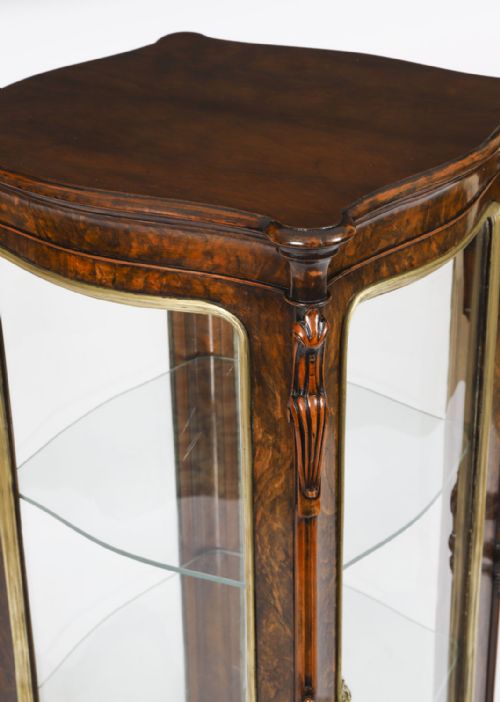
fig 5. A late 19th-century burr walnut vitrine display cabinet featuring glazed curved sides, gilt-metal ormolu mounts, and internal glass shelves.
fig 5. Antique Ormolu Mounted Vitrine Display Cabinet C.1880 19th Century

Walnut "burrs" were often used to make fabulous furniture.  Veneer sliced from walnut burl is one of the most valuable and highly prized by cabinet makers and prestige car manufacturers and is also a favourite material for shotgun stocks.
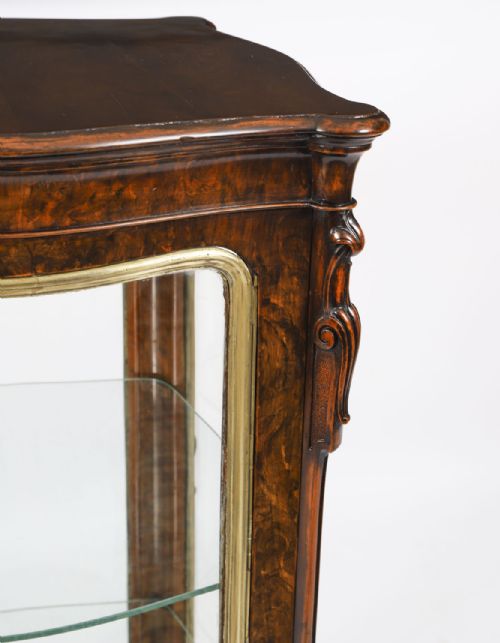
fig 6. A late 19th-century burr walnut vitrine display cabinet featuring glazed curved sides, gilt-metal ormolu mounts, and internal glass shelves.
fig 6. Antique Ormolu Mounted Vitrine Display Cabinet C.1880 19th Century

Ormolu - Gilt Bronze (from French 'or moulu', signifying ground or pounded gold) is an 18th-century English term for applying finely ground, high-carat gold in a mercury amalgam to an object of bronze.The mercury is driven off in a kiln leaving behind a gold-coloured veneer known as 'gilt bronze'.
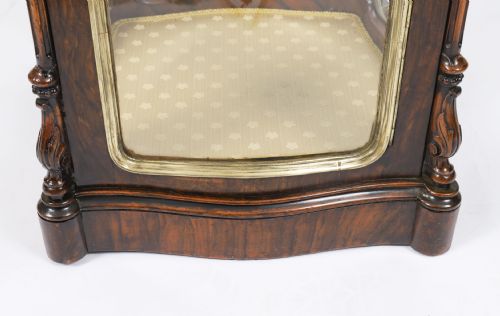
fig 7. A late 19th-century burr walnut vitrine display cabinet featuring glazed curved sides, gilt-metal ormolu mounts, and internal glass shelves.
fig 7. Antique Ormolu Mounted Vitrine Display Cabinet C.1880 19th Century

The manufacture of true ormolu employs a process known as mercury-gilding or fire-gilding, in which a solution of nitrate of mercury is applied to a piece of copper, brass, or bronze, followed by the application of an amalgam of gold and mercury. The item was then exposed to extreme heat until the mercury burned off and the gold remained, adhered to the metal object.

Our reference: A4579

Height
104cm (40.94")
Width
50cm (19.69")
Depth
50cm (19.69")
Date of Manufacture

Regent Antiques has dated this Burr Walnut Vitrine Cabinet to the 1870s.

Reference Numbers
Sellingantiques Ref
SA1186823
Dealers Internal Ref
A4579
Regent Antiques
Regent Antiques
Sellingantiques verified Since Sep 2016

We specialise in english and continental furniture, silver, porcelain and decorative items.

Dealer Profile

You can view the stock and full dealer information on the Regent Antiques Profile Page

Trade Associations

Regent Antiques is a registered member of LAPADA  CINOA

PDF SHARE
SAVE
A late 19th-century burr walnut vitrine display cabinet featuring glazed curved sides, gilt-metal ormolu mounts, and internal glass shelves.
1 / 16
Archive I A late 19th-century burr walnut vitrine display cabinet featuring glazed curved sides, gilt-metal ormolu mounts, and internal glass shelves.

Antique Ormolu Mounted Vitrine Display Cabinet C.1880 19th Century
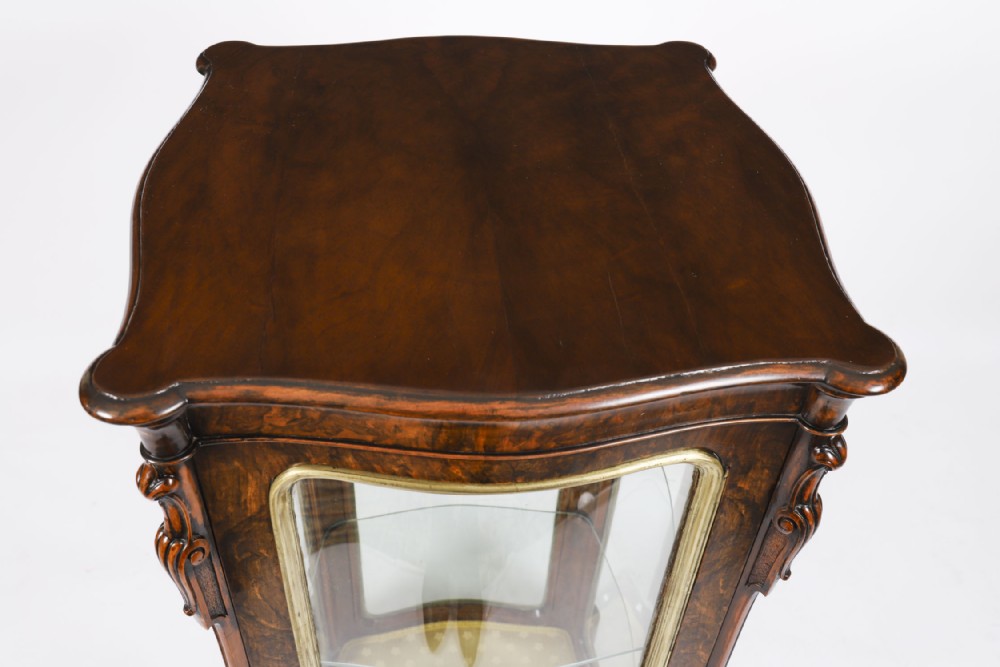
Archive II A late 19th-century burr walnut vitrine display cabinet featuring glazed curved sides, gilt-metal ormolu mounts, and internal glass shelves. View II
Archive III A late 19th-century burr walnut vitrine display cabinet featuring glazed curved sides, gilt-metal ormolu mounts, and internal glass shelves. View III
Archive IV A late 19th-century burr walnut vitrine display cabinet featuring glazed curved sides, gilt-metal ormolu mounts, and internal glass shelves. View IV
Archive V A late 19th-century burr walnut vitrine display cabinet featuring glazed curved sides, gilt-metal ormolu mounts, and internal glass shelves. View V
Archive VI A late 19th-century burr walnut vitrine display cabinet featuring glazed curved sides, gilt-metal ormolu mounts, and internal glass shelves. View VI
Archive VII A late 19th-century burr walnut vitrine display cabinet featuring glazed curved sides, gilt-metal ormolu mounts, and internal glass shelves. View VII
Archive VIII A late 19th-century burr walnut vitrine display cabinet featuring glazed curved sides, gilt-metal ormolu mounts, and internal glass shelves. View VIII
Archive IX A late 19th-century burr walnut vitrine display cabinet featuring glazed curved sides, gilt-metal ormolu mounts, and internal glass shelves. View IX
Archive X A late 19th-century burr walnut vitrine display cabinet featuring glazed curved sides, gilt-metal ormolu mounts, and internal glass shelves. View X
Archive XI A late 19th-century burr walnut vitrine display cabinet featuring glazed curved sides, gilt-metal ormolu mounts, and internal glass shelves. View XI
Archive XII A late 19th-century burr walnut vitrine display cabinet featuring glazed curved sides, gilt-metal ormolu mounts, and internal glass shelves. View XII
Archive XIII A late 19th-century burr walnut vitrine display cabinet featuring glazed curved sides, gilt-metal ormolu mounts, and internal glass shelves. View XIII
Archive XIV A late 19th-century burr walnut vitrine display cabinet featuring glazed curved sides, gilt-metal ormolu mounts, and internal glass shelves. View XIV
Archive XV A late 19th-century burr walnut vitrine display cabinet featuring glazed curved sides, gilt-metal ormolu mounts, and internal glass shelves. View XV
Archive XVI A late 19th-century burr walnut vitrine display cabinet featuring glazed curved sides, gilt-metal ormolu mounts, and internal glass shelves. View XVI
FURTHER BROWSING

Visitors also looked at these ⇣

Enlarged Archival View
Location
Manor Warehouse
318 Green Lanes
London
N4 1BX
United Kingdom
Verified Since Sep 2016
Items For Sale 659
Items Sold 2,608
Regent Antiques
Regent Antiques
Verified Since Sep 2016
View Dealer Info
Location: Manor Warehouse, 318 Green Lanes, London, N4 1BX, United Kingdom
Verified
Sep 2016
For Sale
659
Sold
2,608
A late 19th-century burr walnut vitrine display cabinet featuring glazed curved sides, gilt-metal ormolu mounts, and internal glass shelves.
Antique Ormolu Mounted Vitrine Display Cabinet c.1880 19th Century
Ref: SA1186823
A late 19th-century burr walnut vitrine display cabinet featuring glazed curved sides, gilt-metal ormolu mounts, and internal glass shelves.
Detail View 1
Detail View 2
Detail View 3
Detail View 4
Detail View 5
Detail View 6
Detail View 7
Detail View 8
Detail View 9
Detail View 10
Detail View 11
Detail View 12
Detail View 13
Detail View 14
Detail View 15
Archival Detail
Every single antique dealer on our platform is individually approved by our internal team. We verify their professional trade history, ethical standards, and photographic quality to ensure a secure, high-standard buying environment. Upon joining, every dealer agrees to a strict 9-point code of conduct. While issues can occasionally arise, our dealers typically resolve them swiftly and directly with the buyer. In fact, since our founding in 2002, Sellingantiques has only had to step in to help resolve an issue on roughly five occasions—a true testament to the quality of our dealers and their dedication to your happiness.
Our dealers are highly experienced in packing and shipping fragile, high-value antiques. Because you are in direct contact with the dealer, you will be able to easily go through all available shipping and insurance options together to ensure your item arrives safely.
Antiques are the ultimate green purchase. By choosing historical pieces over newly manufactured goods, you completely eliminate the carbon footprint of modern mass production while preserving exceptional, timeless craftsmanship.

A vitrine is a glazed display cabinet intended to display and protect small curios, porcelain, or silver items. Emerging in 18th-century France, vitrines typically feature glass panels on three or four sides and decorative woodwork or metalwork.

Late 19th-century vitrines were constructed using fine hardwoods such as walnut, rosewood, or mahogany, often finished with decorative veneers like burr walnut or kingwood. They feature glass glazing, cast brass or bronze ormolu mounts, and interior fabric or velvet linings.

Authentic pieces often exhibit hand-cut glass, natural surface wear on the timber, cast brass mounts showing slight oxidisation, and traditional mortise-and-tenon or dovetail joinery techniques.

A glazed vitrine serves as a focal point in a hallway, living room, or study, providing a secure space to curate modern ceramics, books, or natural history specimens alongside contemporary furnishings.

Dust timber regularly with a soft dry cloth and apply a clear beeswax polish occasionally to preserve the finish. Avoid abrasive metal cleaners on ormolu mounts, as they can remove the original gilt plating.
items
Add keywords to the filter
Price
£100
£250000
Era
Movements
Material
Origin
Stock Location
Freshness
Online Payments
Categories