34,966  PAGES BROWSED TODAY PAGES TODAY 158  ANTIQUES UPLOADED TODAY NEW ARRIVALS
ID #SA1029914
FOR SALE
£480
Email Buy
Save
A George II Mahogany Tripod Table
Ron Green
for sale €562     $610
£480
Ron Green

Ron Green

Sellingantiques Verified Since May 2012
View Dealers Stock Page
Id #SA1029914
PDF SHARE
SAVE

A George II Mahogany Tripod Table

18th century
For Sale by Ron Green
Description

With bird-cage mechanism.

England, c.1750

Physical Dimensions
Height
67cm (26.38")
Width
71cm (27.95")
Depth
70cm (27.56")
Declaration

Ron Green has dated this Georgian Mahogany Tripod Table to the Georgian era.

Reference Numbers
Sellingantiques Reference
SA1029914
Dealers Notes

If you would like any more information on this listing, please do not hesitate to contact us.

Description
With bird-cage mechanism.

England, c.1750

Height
67cm (26.38")
Width
71cm (27.95")
Depth
70cm (27.56")
Date of Manufacture

Ron Green has dated this Georgian Mahogany Tripod Table to the Georgian era.

Reference Numbers
Sellingantiques Ref
SA1029914
Ron Green
Ron Green
Sellingantiques verified Since May 2012
Dealer Profile

You can view the stock and full dealer information on the Ron Green Profile Page
PDF SHARE
SAVE
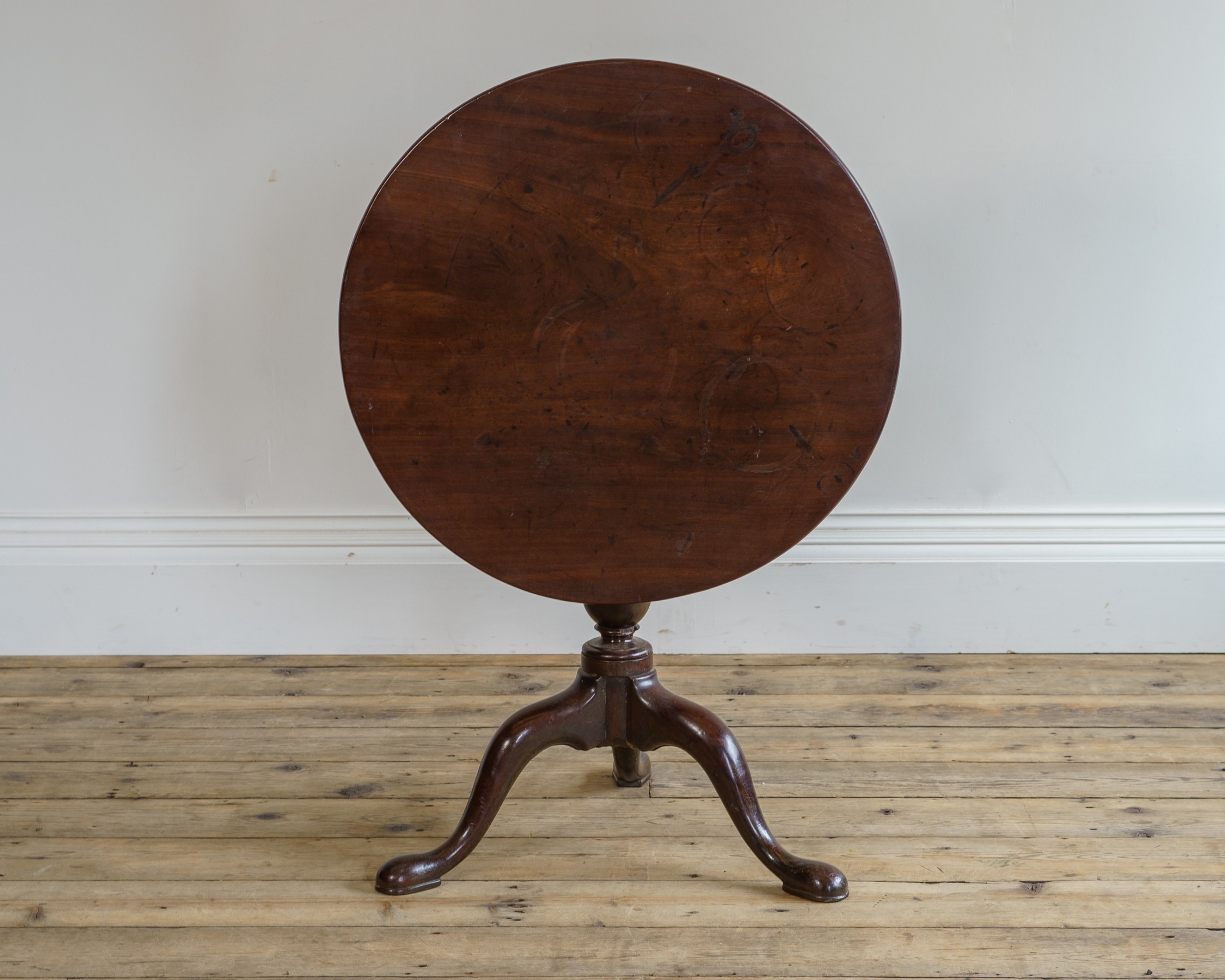
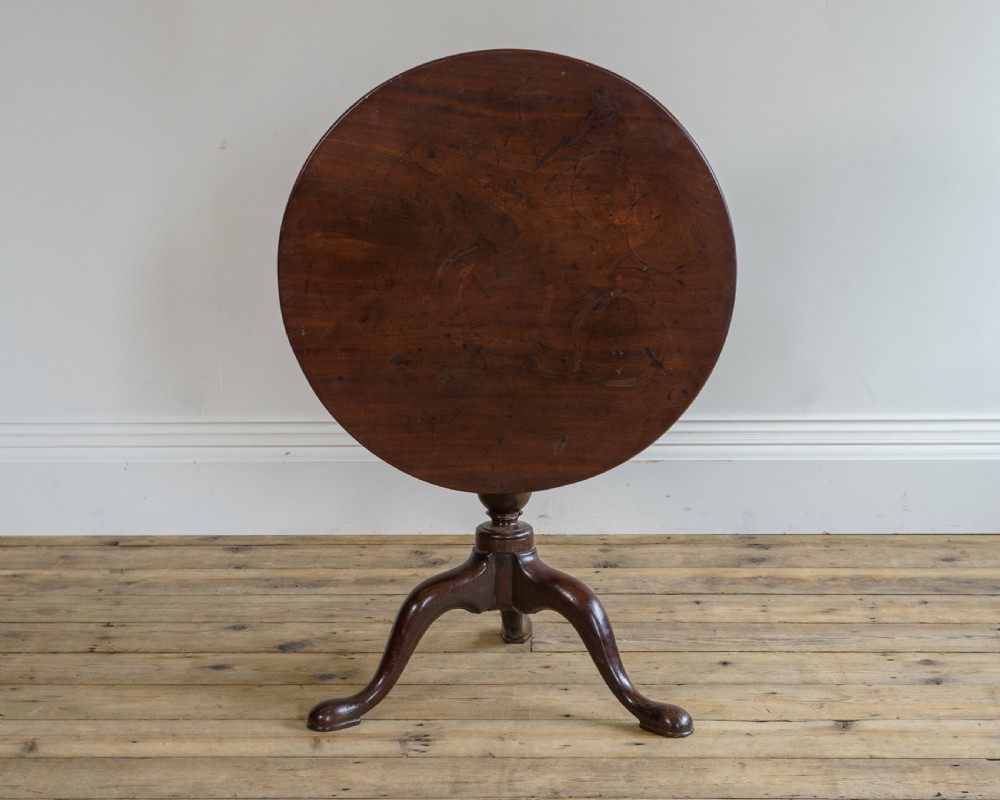
A George II mahogany tripod table featuring a circular tilt-top surface mounted on a turned pedestal stem and three cabriole legs with pad feet.
1 / 1
Archive I A George II mahogany tripod table featuring a circular tilt-top surface mounted on a turned pedestal stem and three cabriole legs with pad feet.

A George II mahogany tripod table

FURTHER BROWSING

Visitors also looked at these ⇣

Enlarged Archival View
Location
227, 237, 239 Watling Street West
Towcester
Northamptonshire
NN12 6DD
United Kingdom
Verified Since May 2012
Ron Green
Ron Green
Verified Since May 2012
View Dealer Info
Location: 227, 237, 239 Watling Street West, Towcester, Northamptonshire, NN12 6DD, United Kingdom
Verified
May 2012
A George II mahogany tripod table featuring a circular tilt-top surface mounted on a turned pedestal stem and three cabriole legs with pad feet.
A George II mahogany tripod table
Ref: SA1029914
A George II mahogany tripod table featuring a circular tilt-top surface mounted on a turned pedestal stem and three cabriole legs with pad feet.
Archival Detail
Every single antique dealer on our platform is individually approved by our internal team. We verify their professional trade history, ethical standards, and photographic quality to ensure a secure, high-standard buying environment. Upon joining, every dealer agrees to a strict 9-point code of conduct. While issues can occasionally arise, our dealers typically resolve them swiftly and directly with the buyer. In fact, since our founding in 2002, Sellingantiques has only had to step in to help resolve an issue on roughly five occasions—a true testament to the quality of our dealers and their dedication to your happiness.
Our dealers are highly experienced in packing and shipping fragile, high-value antiques. Because you are in direct contact with the dealer, you will be able to easily go through all available shipping and insurance options together to ensure your item arrives safely.
Antiques are the ultimate green purchase. By choosing historical pieces over newly manufactured goods, you completely eliminate the carbon footprint of modern mass production while preserving exceptional, timeless craftsmanship.

A George II tripod table is a British occasional table produced between 1727 and 1760, characterised by a central turned pedestal supported by three cabriole legs. These tables frequently incorporated a hinged top mechanism that allowed the surface to tilt vertically for compact storage along room perimeters.

Primary timber for mid-eighteenth-century English tripod tables was dense mahogany, often imported from the West Indies. Construction relied on traditional joinery including hand-cut dovetails for the catch block, iron or brass latches, and turned pedestal supports shaped on wood lathes.

Authentic pieces feature signs of age including natural timber shrinkage, hand-forged iron or cast brass tilt latches, and irregular tool marks on unpolished undersides. The joinery where the three legs meet the central column typically shows historic hand-cut construction rather than modern machine work.

These versatile pieces function well as accent side tables positioned beside upholstered armchairs or sofas. When not in active use for drinks or books, the table top can be tilted upright to display the wood grain and clear floor area in smaller rooms.

Preserve the finish by applying a high-quality beeswax polish once or twice a year, buffing gently with a clean cloth. Keep the item away from direct heat sources and sunlight, and avoid placing hot or wet objects directly onto the unsealed timber surface.
items
Add keywords to the filter
Price
£100
£250000
Era
Movements
Material
Origin
Stock Location
Freshness
Online Payments
Categories