


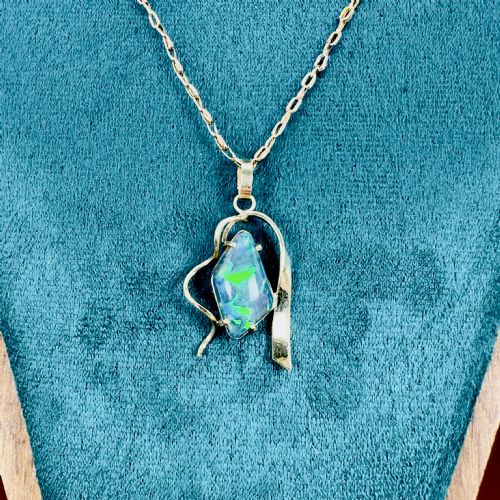

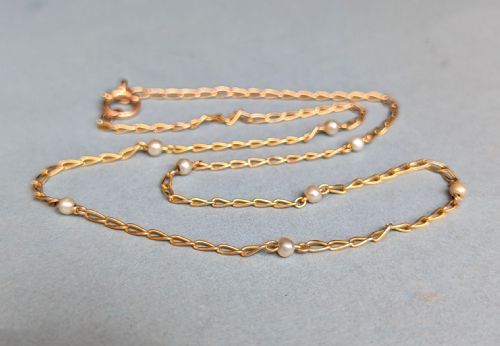


Yellow Gold Necklet
A yellow gold necklet brings together period craftsmanship and warm metal tones, offering a wearable piece of history for daily use.
Yellow Gold Necklet
When you search for a yellow gold necklet, you encounter a variety of forms spanning multiple centuries, from Victorian lockets to Edwardian pendants and mid-century chains. These items combine precious metalwork with gemstones, pearls, or enamel to create decorative pieces worn around the neck.
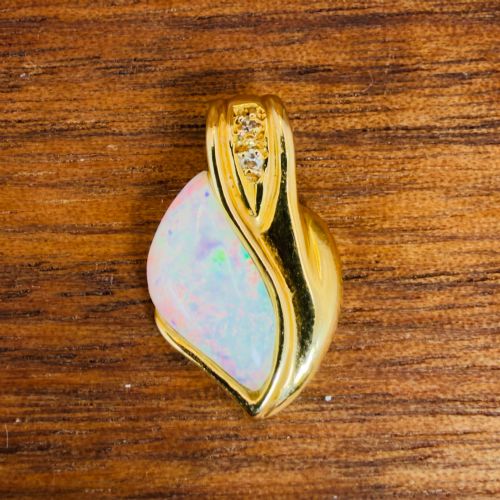
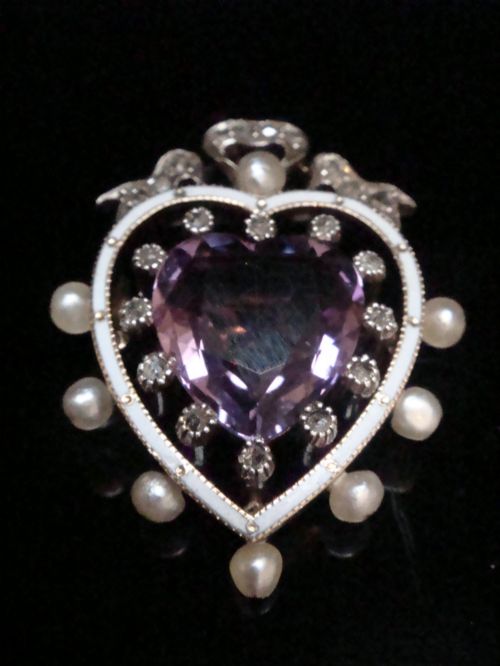
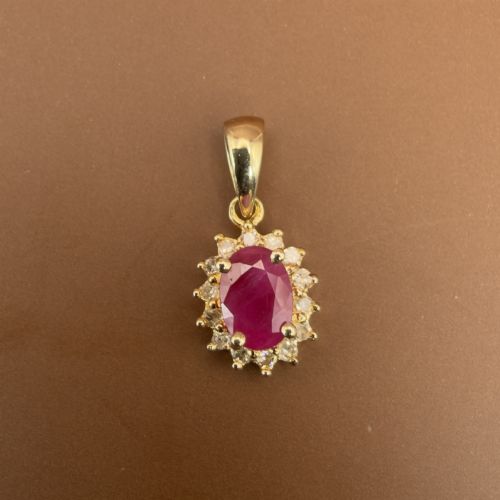
The versions most frequently met on this page range from simple chains to elaborate pendant necklaces featuring diamonds, pearls, rubies, and opals. Pieces originate from periods such as the Edwardian era, the Art Deco years, and the mid-twentieth century.
How they were made
Goldsmiths worked with varying purities of gold, including 9ct, 14ct, 15ct, and 18ct, often combining the metal with platinum for stone settings. Chains, lockets, and pendants were shaped by hand or machined, incorporating mechanisms like dog clips and bolt rings.
Gemstones such as diamonds, rubies, garnets, aquamarines, and tourmalines were set alongside natural pearls and enamel work. Artisans utilised techniques like guilloche enamelling, cluster arrangements, and lavalier designs to secure and display the stones.
Yellow Gold Necklet Retail Price Guide 2026
Typical asking prices for yellow gold necklet among the pieces listed under this phrase on Sellingantiques today, from the lower quarter to the upper quarter. They describe what is for sale here now, not the wider market.
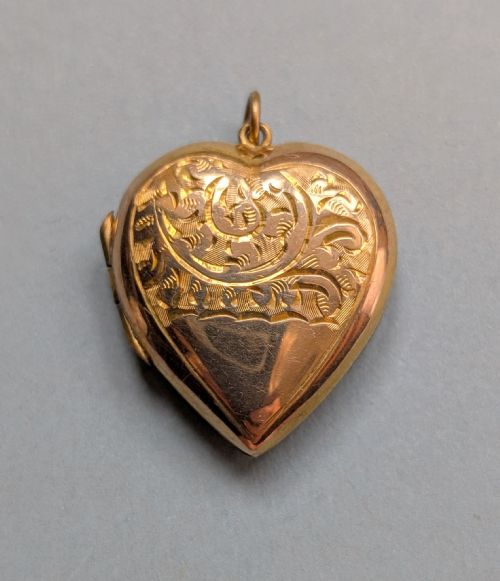
Several pieces incorporate secret spaces inside heart-shaped lockets designed to hold tiny portraits or locks of hair.
What varies in quality
The standard of a piece depends on the weight and purity of the gold, alongside the scale and matching of the set stones. Finer examples show precision in stone cutting and metal engraving, such as detailed floral patterns or complex enamel work.
Construction details also separate pieces, such as the robustness of integrated chain links, the security of clasps like dog clips, and the originality of components over successive decades of wear.
The Yellow Gold Necklet Glossary
- Guilloche enamel
- A decorative technique involving precise, intricate mechanical patterns under a translucent layer of enamel. It frequently appears on Edwardian pendants.
- Lavalier
- A necklace featuring a pendant that suspends one or more drops below the main setting. This style gained popularity during the early twentieth century.
- Dog clip
- A spring-loaded fastener commonly found on antique watch chains and necklaces. It provides a secure attachment for pendants or charms.
- Cluster pendant
- A jewellery setting where a central gemstone is surrounded by a ring of smaller stones, typically diamonds. This arrangement maximises visual impact and sparkle.
- Back and front locket
- A locket construction where the front and back plates consist of precious gold enclosing a base metal core for structural strength. This method was common in vintage pieces.
Yellow Gold Necklet: Frequently Asked Questions
How do I date a gold necklet?
Dating relies on stylistic markers, manufacturing techniques, and specific design movements associated with the piece. Edwardian items often feature delicate seed pearl garlands, whilst Art Deco pieces display geometric lines.
Material composition and hallmark evidence also assist in identifying whether a piece originates from the Victorian era or later decades.
What stones are set in these necklets?
A diverse array of gemstones appears across these listings, reflecting the preferences of different eras. Diamonds, pearls, rubies, and opals are frequent choices.
Other pieces incorporate aquamarine, tourmaline, garnet, peridot, moonstone, and citrine, often secured within 9ct or 18ct gold settings.
How should I wear an antique necklet?
Wearing an antique or vintage necklet requires consideration of its delicate nature and clasp security. Many pieces feature historic fixings like bolt rings or dog clips that function independently.
They suit both formal attire and everyday wear, provided they are handled with care and stored safely away from harder jewellery.