



Yellow Damask Seat
Yellow damask seat options bring traditional upholstery and rich colour to any room, offering classic seating forms from multiple historic periods.
Yellow Damask Seat
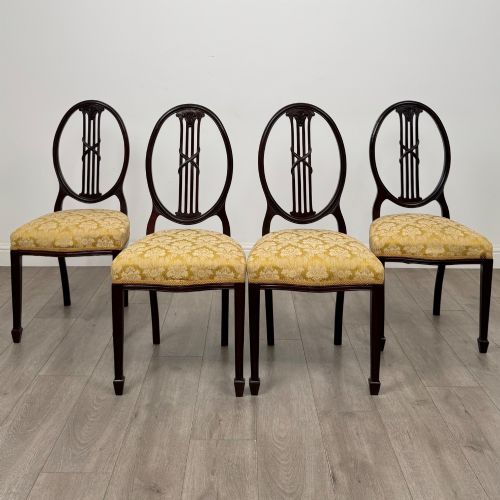
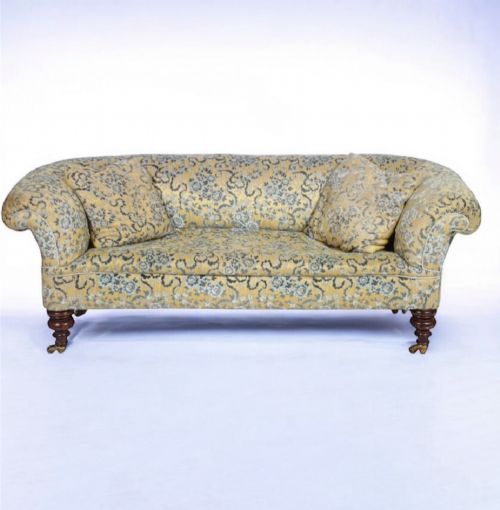
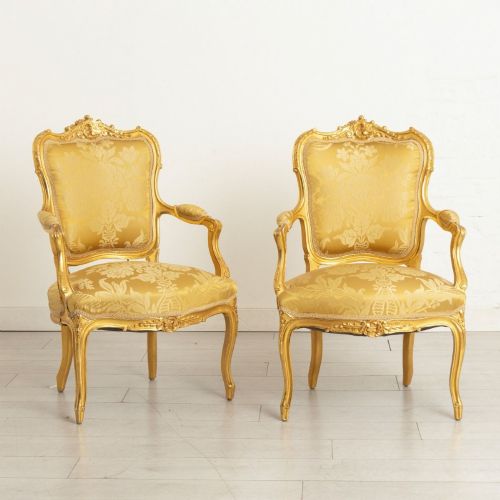
When you search for a yellow damask seat, you encounter a variety of traditional seating forms including armchairs, dining chairs, and settees. These pieces draw on historical styles ranging from Georgian and Victorian to Edwardian and revival periods.
Originating from diverse periods such as the 18th, 19th, and early 20th centuries, these items demonstrate enduring craftsmanship in wood and textile combination.
How they were made
Frames are constructed from solid timbers including mahogany, walnut, rosewood, and giltwood, often shaped through carving, turning, or joinery techniques typical of their respective eras.
Upholstery incorporates traditional textile work using damask fabric and silk, secured to frames that range from Victorian spoon-backs to Georgian-style frameworks.
Yellow Damask Seat Retail Price Guide 2026
Typical asking prices for yellow damask seat among the pieces listed under this phrase on Sellingantiques today, from the lower quarter to the upper quarter. They describe what is for sale here now, not the wider market.
Listings feature items spanning the 18th, 19th, and early 20th centuries, utilising mahogany, walnut, rosewood, and giltwood.
What varies in quality
The refinement of the timber carving and the architectural proportion of the frame separate standard examples from finer pieces. Superior items display crisp detail in woodwork and robust structural integrity.
The execution of the upholstery, the weight and weave of the fabric, and the fidelity to historical revival styles also determine the distinction between basic seating and exceptional examples.
Howard and Sons
The Yellow Damask Seat Glossary
- Damask
- A reversible figured fabric with patterns formed by weaving, traditionally utilised for upholstery and heavy curtains. It provides a subtle sheen and textured surface.
- Giltwood
- Timber treated with gold leaf or gilt gesso, commonly found on decorative European armchairs and salon suites from the 19th century.
- Fauteuil
- An open-armed upholstered armchair with exposed wooden armrests, originating in France and frequently seen in walnut or gilt finishes.
- Spoon-back
- A padded chair back shaped like the bowl of a spoon, designed to fit the contours of the human spine and popular during the Victorian era.
- Hepplewhite Revival
- A late 19th or early 20th-century reinterpretation of light, elegant furniture designs associated with the 18th-century cabinet maker George Hepplewhite.
Yellow Damask Seat: Frequently Asked Questions
What periods do these seats come from?
The listings span several centuries, including 18th-century Georgian designs, 19th-century Victorian and French Empire pieces, and early 20th-century Edwardian examples.
Revival styles from later dates also replicate earlier aesthetics, giving a broad chronological range.
Are these seats suitable for daily use?
Most pieces function as practical seating, though older frames and delicate giltwood structures require careful placement.
Library chairs and armchairs offer deep seating, while dining chair sets provide functional arrangement around a table.
What woods are used in the frames?
Makers utilised hard timbers such as mahogany, walnut, and rosewood, alongside softer giltwood finishes on French-influenced frames.
Wood choice often aligns with the period and regional origin of the piece.
How do I identify a revival style?
Revival pieces combine later manufacturing techniques with historical forms like Chippendale, Hepplewhite, or Louis XVI.
Construction details and timber conditioning generally reveal if a piece is a later interpretation rather than of the original period.