


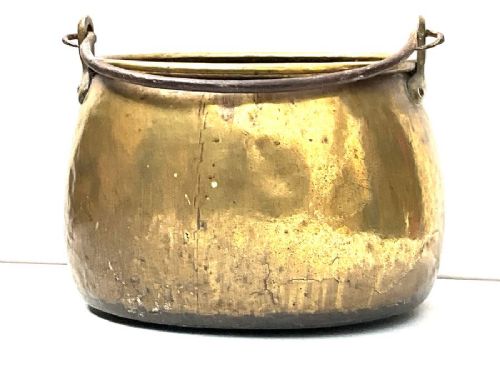


Wrought Iron Log Bucket
A wrought iron log bucket holds hearth fuel with robust utility, combining forged metal strength with honest fireside charm.
Wrought Iron Log Bucket
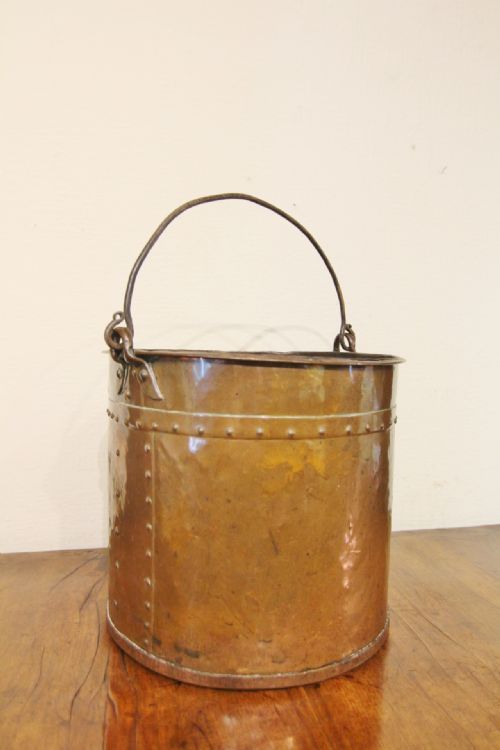
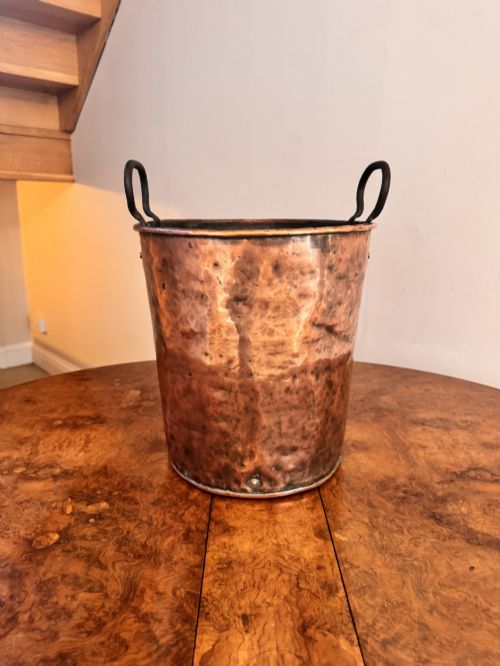
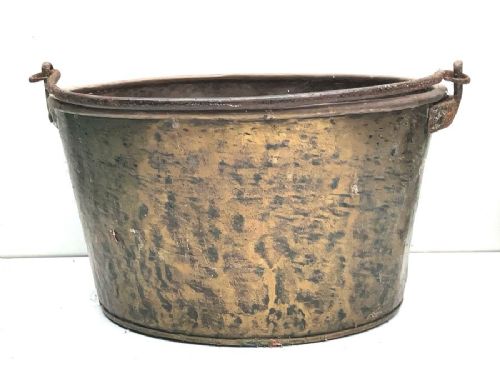
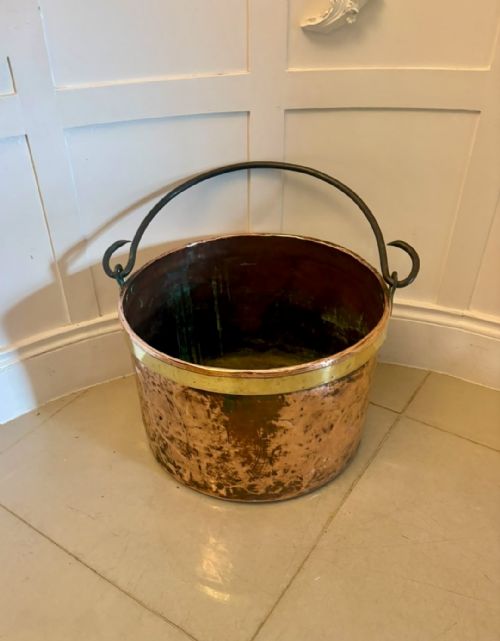
A wrought iron log bucket combines a sturdy metal frame or handle with materials such as copper, brass, and oak to serve both fuel storage and fireside display purposes. These pieces emerge from periods ranging from the eighteenth century through the Georgian, Victorian, and Arts and Crafts eras, reflecting practical domestic needs by the hearth.
The most common examples on this page pair hammered or riveted copper bodies with strong wrought iron handles, frames, or swing bails. Alongside these, buyers find solid oak vessels banded with iron, as well as distinct Arts and Crafts and Art Nouveau designs intended to sit prominently beside an open fire.
What varies in quality
Quality rests upon the heft of the materials and the integrity of the construction, distinguishing substantial domestic equipment from lighter decorative items. Thick-gauge copper bodies and solidly forged iron handles demonstrate superior durability compared to thinner, pressed metal alternatives.
The articulation of design details, such as hand-hammered surface textures and well-fitted iron framing, separates standard utility pieces from finer examples of Arts and Crafts or Georgian craftsmanship.
Wrought Iron Log Bucket Retail Price Guide 2026
Typical asking prices for wrought iron log bucket among the pieces listed under this phrase on Sellingantiques today, from the lower quarter to the upper quarter. They describe what is for sale here now, not the wider market.
Listings feature pieces spanning the Georgian, Victorian, and Arts and Crafts periods, combining wrought iron with copper, brass, and oak.
The Wrought Iron Log Bucket Glossary
- Wrought iron
- A tough, malleable form of iron easily shaped by a blacksmith into handles, stands, and structural bands. It displays a fibrous grain and substantial resistance to shock.
- Swing handle
- A movable bail handle attached to the sides of a bucket or cauldron via pivoting mounts. This allows the vessel to be lifted and tilted with ease.
- Cauldron
- A large, deep round pot with a wide opening, often fitted with a swing handle for hearth suspension or floor placement. These vessels served various household duties before becoming decorative log stores.
- Coopering
- The traditional craft of constructing stave-bound wooden vessels such as buckets and bins. Artisans shape wooden staves to fit tightly together within metal bands.
- Arts and Crafts
- A design movement valuing hand craftsmanship, natural materials, and visible construction methods over mass production. Pieces from this era often feature simple, honest forms with subtle hammered decoration.
Wrought Iron Log Bucket: Frequently Asked Questions
What is a wrought iron log bucket used for?
These vessels were originally designed to carry and store fuel like logs and coal beside the fireplace. Today, they serve a similar practical function while adding historic character to a hearth.
Beyond fireside use, many examples find new life indoors as large planters or decorative containers for dried botanicals.
How do I date a copper and iron log bin?
Dating relies on observing construction methods, material combinations, and stylistic markers recorded across different eras. Georgian and eighteenth-century pieces often feature heavy hand-beaten copper with simple iron bails.
Later Victorian and Arts and Crafts examples introduce more decorative styling, riveted frames, and distinct organic motifs associated with turn-of-the-century design.
Are these buckets waterproof?
Many copper and metal-banded wooden vessels were built to hold solid fuel rather than liquids, though some cauldrons and well buckets held water. Over decades of use, joints and seams may develop minor openings.
If you plan to use an antique bucket as a planter, it is wise to insert a modern liner to protect the historic interior from moisture.
How should I clean a copper log bucket?
Regular dusting and gentle wiping with a soft cloth maintain the natural surface without stripping character. Avoid harsh chemical cleaners that remove the aged patina accumulated over centuries.
Leaving the metal untouched preserves the rich tones developed through age and regular fireside use.