


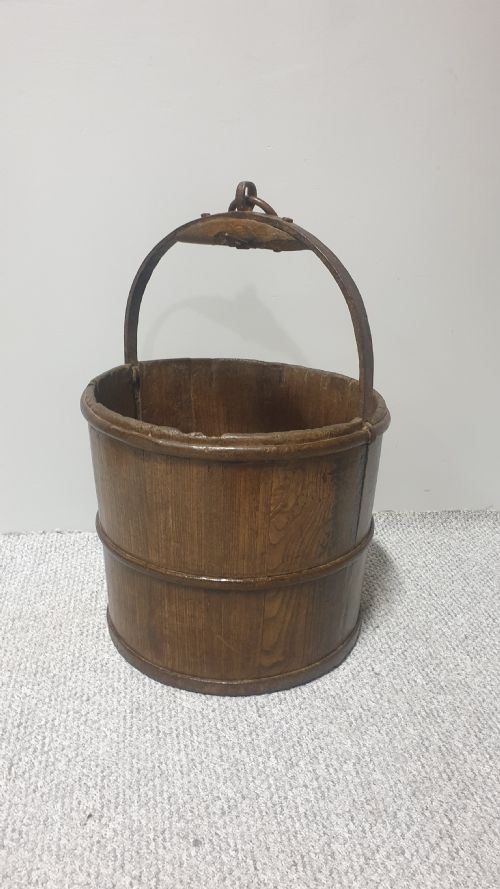
Wrought Iron Log Bin
A wrought iron log bin holds fuel beside the hearth, combining functional ironwork with durable vessels of copper, oak, and brass.
Wrought Iron Log Bin
A wrought iron log bin serves as a fireside accessory for storing fuel, appearing across Georgian, Victorian, and Arts and Crafts periods. The pieces meeting this description combine sturdy iron frames, handles, or stands with heavy vessels designed for coal or logs.
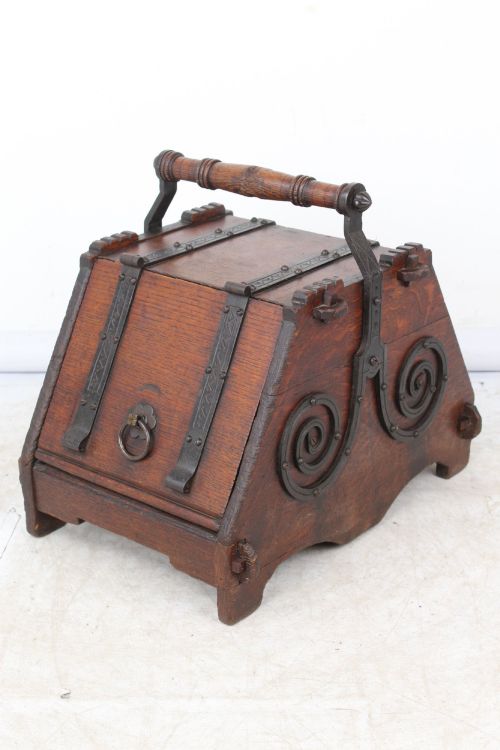
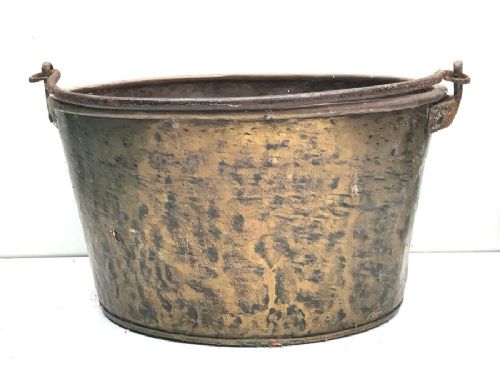
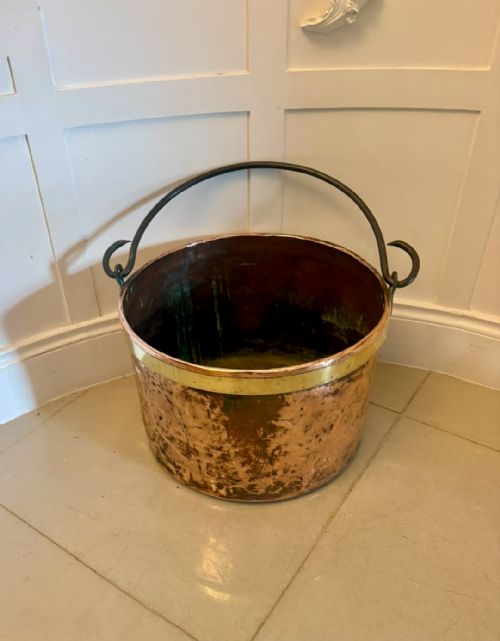
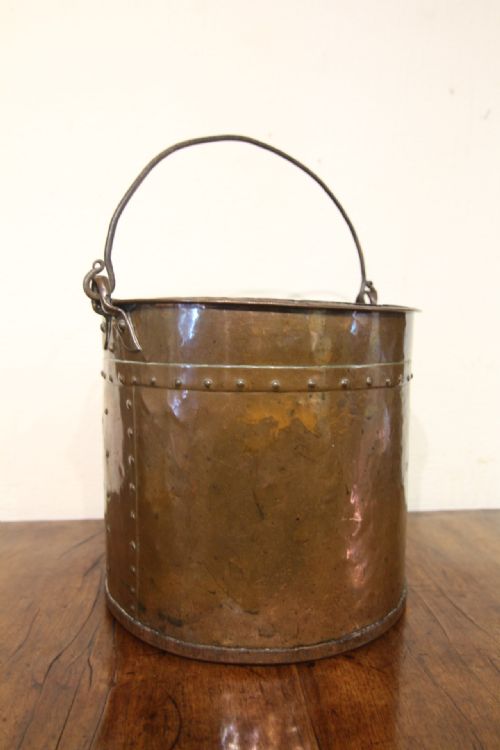
Most examples pair a hand-forged iron element with a body of hammered copper, riveted sheet, or solid oak. Forms range from deep cauldrons and coal buckets to low circular bins and structured stands built for heavy daily use.
Materials and construction
Blacksmiths shaped the iron components by hand, utilising traditional forging techniques to create rigid swing handles, riveted frames, and supportive stands. Wrought iron provides the structural strength needed to carry heavy loads of wood and coal without buckling.
The main bodies rely on sheet copper or heavy oak staves joined with visible rivets and seams. Copper vessels often feature hand-beaten surfaces that diffuse firelight, while iron mounts anchor the containers securely.
The listings span from the 18th century through the Arts and Crafts period, uniting copper vessels with wrought iron frames.
Judging quality and character
The distinction between ordinary utility items and finer pieces lies in the subtlety of the metalwork and the integration of the materials. Hand-forged iron with considered scrollwork or clean riveted joints demonstrates a higher level of craftsmanship than mass-produced alternatives.
Patina and proportion separate the best examples from lesser pieces. Retaining an original iron frame, unpolished copper surfaces, and honest signs of period use grants a piece greater visual weight beside the fireplace.
The Wrought Iron Log Bin Glossary
- Wrought iron
- A tough, malleable form of iron containing embedded slag fibres, beaten into shape by a blacksmith. It resists fatigue and corrosion better than modern cast steel.
- Arts and Crafts
- A design movement valuing handcraftsmanship and simple forms over machine production. Pieces from this style often display visible hammer marks and honest joinery.
- Gothic Revival
- An architectural and decorative style drawing inspiration from medieval forms. Objects of this period incorporate pointed arches, heavy strapwork, and ecclesiastical detailing.
- Coal scuttle
- A container designed for carrying and storing coal near the fire. They frequently share forms with log bins and fireside buckets.
- Cauldron
- A large round vessel with a swing handle, originally used for cooking over an open fire. Later examples served heavier storage duties by the hearth.
Wrought Iron Log Bin: Frequently Asked Questions
What is a wrought iron log bin?
A wrought iron log bin is a fireside accessory designed to hold fuel, combining a hand-forged iron frame or handle with a durable body of copper, brass, or oak.
These pieces served a practical role beside the hearth while displaying the decorative styles of the Georgian, Victorian, and Arts and Crafts periods.
How were these bins used?
They sat beside open fireplaces to store and transport logs, coal, or peat for immediate burning.
Their robust construction allowed them to withstand the heavy wear of daily loading and movement around the hearth.
How do I clean copper and iron?
Dust surfaces gently with a dry cloth to preserve the historic patina built up over generations of use.
Avoid harsh chemical polishes that strip away the dark oxidation and aged character valued by collectors.
Can I use these for logs today?
Many of these vessels remain entirely sturdy enough to hold firewood in a modern living space.
Placing a protective liner inside can prevent moisture from damaging historic timber or older metal bases.