




Wrought Iron Decor
These wrought iron decor pieces bring honest metalwork and utilitarian form into domestic spaces, prized for their genuine age and tactile surface texture.
Wrought Iron Decor
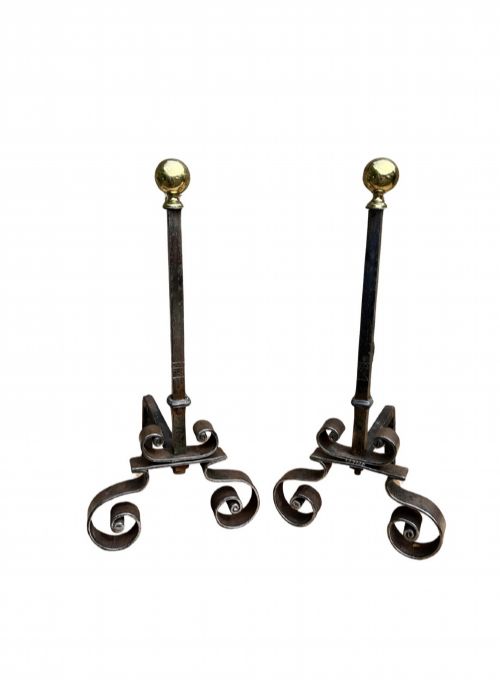
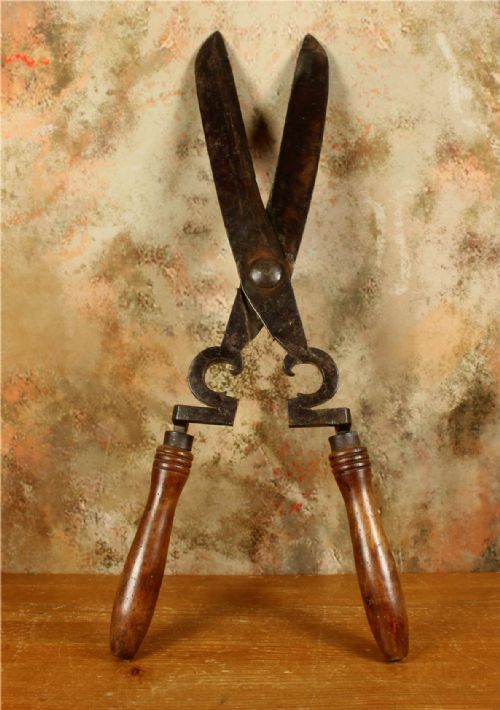
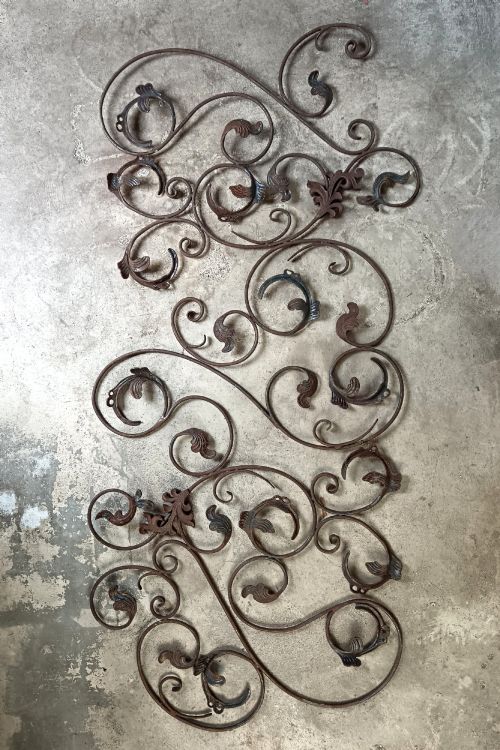
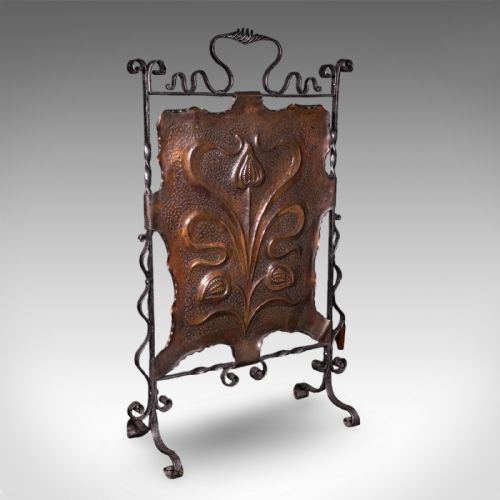
Wrought iron decor encompasses domestic furnishings, hearth equipment, and architectural salvage shaped by hand from iron and related metals. The selection ranges from Victorian fire screens and French fire dogs to architectural scroll panels and garden tools.
Buyers meet pieces primarily from the nineteenth and eighteenth centuries, alongside occasional twentieth-century Art Deco stick stands and Art Nouveau designs. Forms include umbrella stands, weather vanes, pricket sticks, and dairy maid's shoulder yokes incorporating beech or oak.
The aesthetic bridges rural practicality and decorative arts, drawing on styles such as French Provincial, Victorian Industrial, Georgian, and rustic agricultural traditions. Each item demonstrates functional origins that transitioned into decorative interior and garden display pieces.
How they were made
Blacksmiths shaped wrought iron and steel manually while hot, utilising hammers and anvils to forge structural elements, scrollwork, and functional tools. This hot-working method produced fibrous grain patterns and individual surface irregularities unique to each object.
Makers integrated mixed media such as brass, copper, beech, oak, and other hardwoods into specific forms like warming pans, fire reflectors, and shoulder yokes. Rivets, joints, and simple mechanical fixings held these diverse materials together without modern adhesives.
Wrought Iron Decor Retail Price Guide 2026
Typical asking prices for wrought iron decor among the pieces listed under this phrase on Sellingantiques today, from the lower quarter to the upper quarter. They describe what is for sale here now, not the wider market.
Listings span the eighteenth, nineteenth, and early twentieth centuries, incorporating wrought iron, brass, copper, steel, beech, and oak across functional forms.
What varies in quality
Quality rests in the fluidity of the hand-forged line and the harmony of proportion between structural iron and secondary elements like brass or hardwood. Pieces showing confident hammering and purposeful restraint outclass rigid or heavy-handed manufacturing.
Surface preservation defines upper-tier examples, where natural weathering, stable patination, and honest oxidation remain undisturbed by harsh cleaning or modern paint layers.
The Wrought Iron Decor Glossary
- Wrought iron
- A tough, malleable form of iron containing slag inclusions, traditionally worked by hand at a forge. It resists shock and accepts complex shaping without cracking.
- Pricket stick
- A candlestick featuring an upward-pointing spike or pricket that secures the base of a candle. These metal stands served liturgical and domestic lighting purposes.
- Architectural salvage
- Elements rescued from older buildings prior to demolition, including decorative scroll panels and weather vanes. They retain period craftsmanship suited for contemporary placement.
- Shoulder yoke
- A carved wooden beam shaped to fit across the shoulders for carrying buckets or loads, frequently reinforced with metal hooks. Examples incorporate dense timbers like beech and oak.
- Fire dogs
- Andirons placed in pairs on a hearth to support burning logs and improve airflow beneath the fire. They often feature decorative forged terminals and sturdy iron legs.
Wrought Iron Decor: Frequently Asked Questions
What is wrought iron decor?
Wrought iron decor comprises forged metal objects and salvaged architectural elements created for functional or decorative use in homes and gardens.
Items range from hearth accessories like fire dogs and screens to garden tools, weather vanes, and stick stands originating primarily across the eighteenth and nineteenth centuries.
How do I care for antique iron?
Antique iron requires minimal maintenance, relying on dry dusting and occasional applications of microcrystalline wax to protect the metal surface from moisture.
Avoid abrasive cleaners or water immersion, which can strip historic patination and encourage active oxidation on exposed areas.
How are different periods identified?
Periods are distinguished through manufacturing marks, tool signatures, stylistic details, and the integration of auxiliary materials like brass, copper, or specific hardwoods.
For instance, Art Nouveau and Art Deco pieces display distinct linear motifs from the late nineteenth and early twentieth centuries, whereas eighteenth-century items show earlier forge techniques.
Were these items purely decorative?
Most pieces served demanding practical roles in domestic, agricultural, or architectural contexts before becoming decorative objects.
Items like garden shears, miners' pick axes, dairy yokes, and hearth utensils performed heavy daily labour prior to retirement into interior display.