

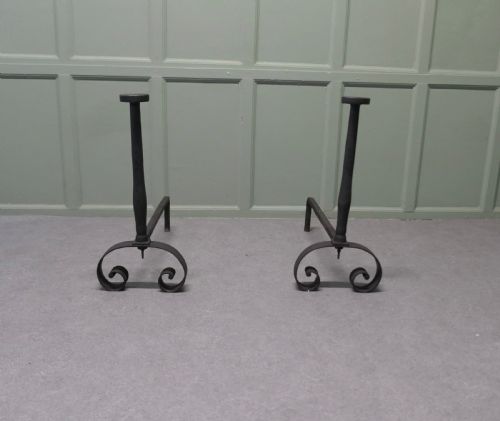


Wrought Iron Base
These wrought iron base items are forged metal supports built to anchor tables, lighting, and hearth equipment with utilitarian strength.
Wrought Iron Base
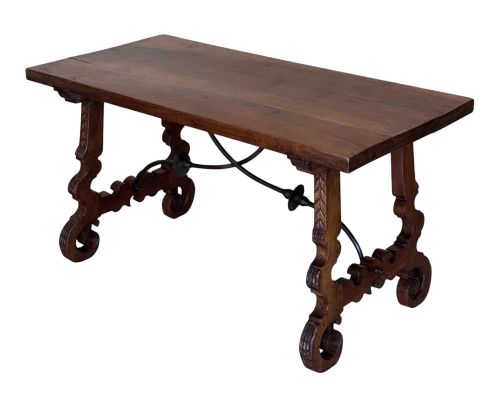
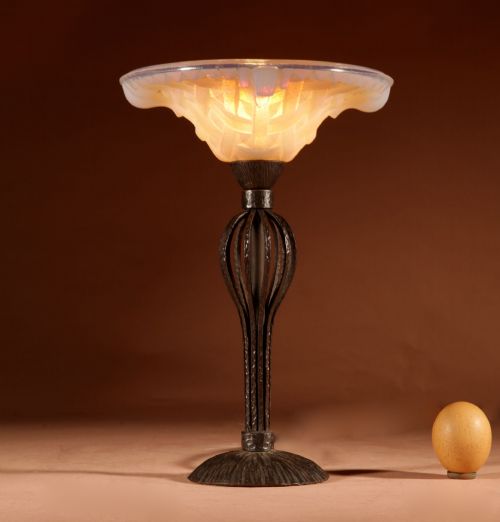
When you search for a wrought iron base, you encounter functional structural elements and pedestals that carry everything from heavy dining tables to delicate floor lamps. These items range from sturdy nineteenth-century garden furniture and bistro tables to seventeenth and eighteenth-century lighting stands and boot scrapers.
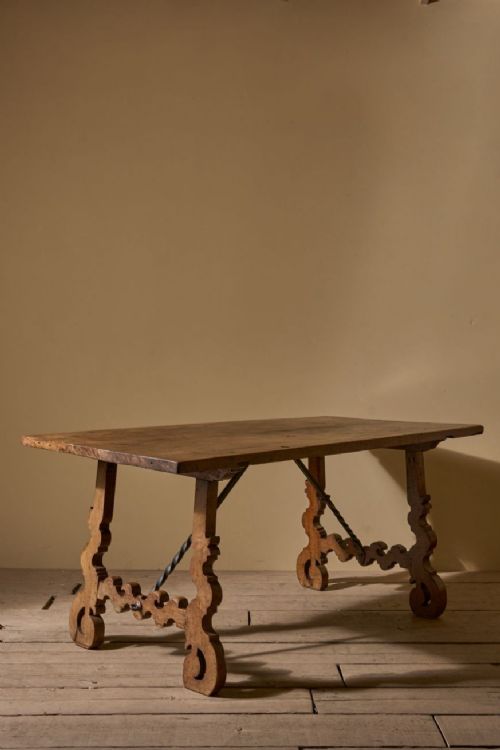
The version you are most likely to meet on this page is the nineteenth-century or Victorian table support, often paired with timber or marble tops. Alongside these, early lighting equipment like rushlight holders and candlesticks demonstrate how smiths turned basic iron into essential household gear.
How they were made
Blacksmiths shaped wrought iron while heated in a forge, using hammers and anvils to draw out, bend, and weld the metal into rigid supports. This manual forging process leaves subtle hammer marks and natural variations in thickness that separate hand-worked pieces from later cast alternatives.
Makers frequently combined the iron bases with native and continental woods such as oak, walnut, fruitwood, and pine, securing heavy stone elements like Yorkstone or marble for weight and surface utility.
Wrought Iron Base Retail Price Guide 2026
Typical asking prices for wrought iron base among the pieces listed under this phrase on Sellingantiques today, from the lower quarter to the upper quarter. They describe what is for sale here now, not the wider market.
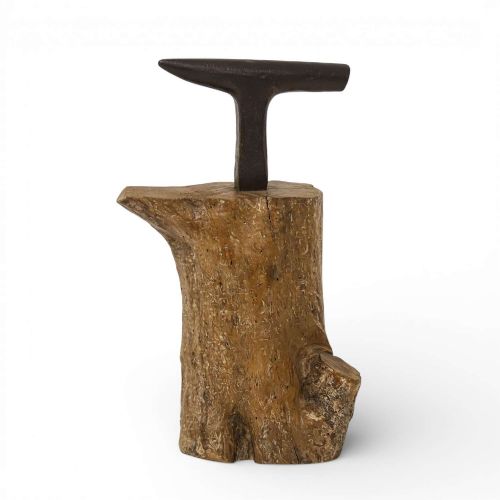
Farriers occasionally mounted heavy working anvils onto solid fruitwood trunks, creating sculptural vernacular pieces for everyday workshop use.
What varies in quality
The standard of a forged iron support depends upon the dexterity of the smith and the crispness of the hand-worked scrolls, twists, and joints. Pieces that retain their original physical integrity and surface texture show a superior standard of blacksmithing compared to heavily restored examples.
Proportion and utility also dictate the standing of a piece, as well-balanced trestles and tripod bases provide both visual harmony and steady physical support for the timber or stone tops they carry.
Lacroix Lalique·Schneider
The Wrought Iron Base Glossary
- Wrought iron
- Iron that has been heated and hammered into shape by hand, known for its fibrous texture and resilience. It differs from cast iron by showing individual forge marks rather than mould seams.
- Rushlight holder
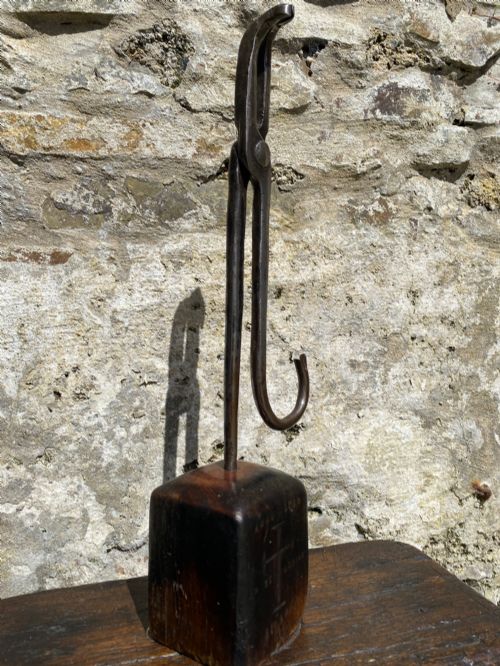
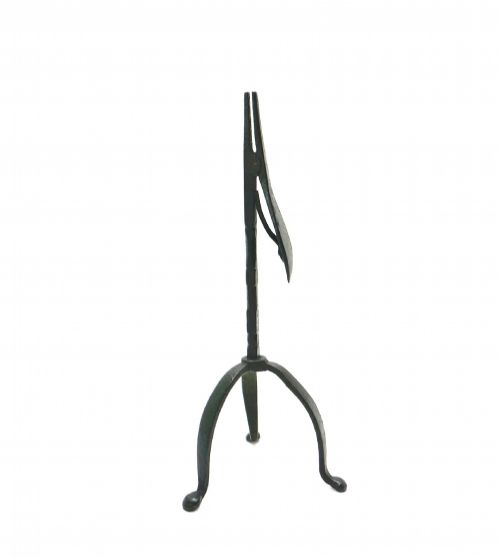
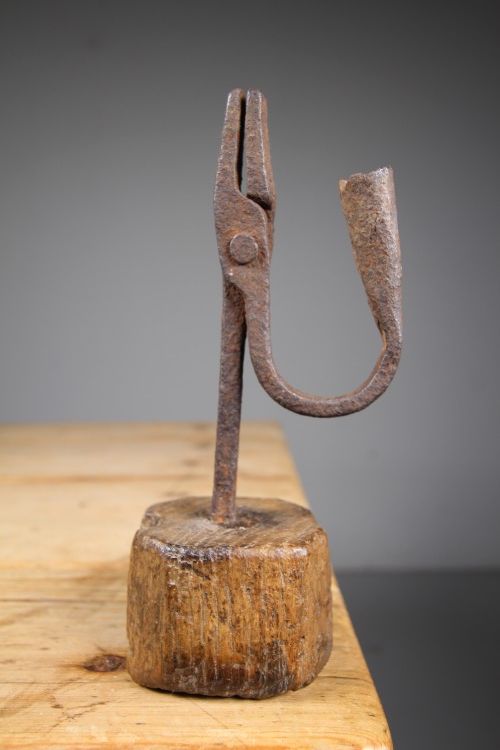
- A spring-action device designed to grip a dried rush dipped in animal fat for domestic illumination. These portable stands often utilise tripod bases for stability.
- Boot scraper
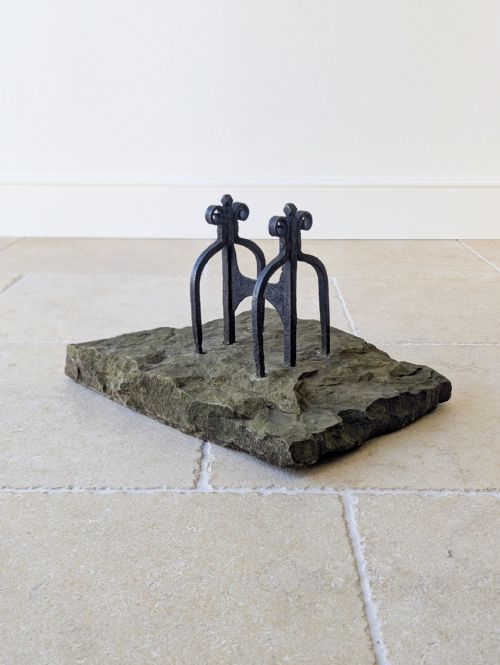
- An outdoor iron blade mounted on a heavy base or stone block, used for cleaning mud from footwear before entering a house. They are commonly found outside Georgian and Victorian country properties.
- Pricket candlestick
- A heavy metal candlestick featuring an upright spike that pushes directly into the base of a candle. They appear on various metal and timber stands from the eighteenth century onwards.
- Trestle
- A structural support consisting of a horizontal beam fixed to two splayed legs, providing a stable foundation for large tables and work benches.
Wrought Iron Base: Frequently Asked Questions
What is a wrought iron base used for?
These forged supports serve as the structural foundations for dining tables, coffee tables, standard lamps, and heavy decorative objects. They provide robust weight and rigid balance to elevate surfaces and lighting.
In earlier centuries, similar iron bases held rushlights and candles to illuminate domestic spaces. Today, collectors utilise them to anchor antique timber or stone table tops.
How do I date a wrought iron base?
Dating relies on observing the forging techniques, tool marks, and the accompanying materials like fruitwood, oak, or Yorkstone. Hand-hammered surfaces and primitive joints typically indicate eighteenth-century or earlier origins.
Later Victorian and early twentieth-century examples often incorporate cast elements or display more uniform machine-assisted manufacturing methods. Comparing the style of scrollwork to known periods helps narrow the timeframe.
Are these iron bases suitable for modern tables?
Many antique iron supports possess the structural strength required to carry heavy modern timber, glass, or stone table tops. Their robust construction handles daily use effectively.
Buyers should check the dimensions, weight capacity, and floor contact points to ensure stability with a chosen top. Professional fitting ensures the surface remains level and secure.
How do I care for antique wrought iron?
Maintain the metal by keeping it in a dry environment and dusting it regularly with a soft, dry cloth. Avoid using harsh chemical cleaners that strip the historic surface finish.
Applying a light coat of microcrystalline wax can help protect the iron from moisture and oxidation. This preserves the natural dark patina developed over centuries.