



Wooden Wingback Armchair
A wooden wingback armchair offers deep comfort and draught-proof seating, prized for its sheltering sides and sturdy timber frame.
Wooden Wingback Armchair
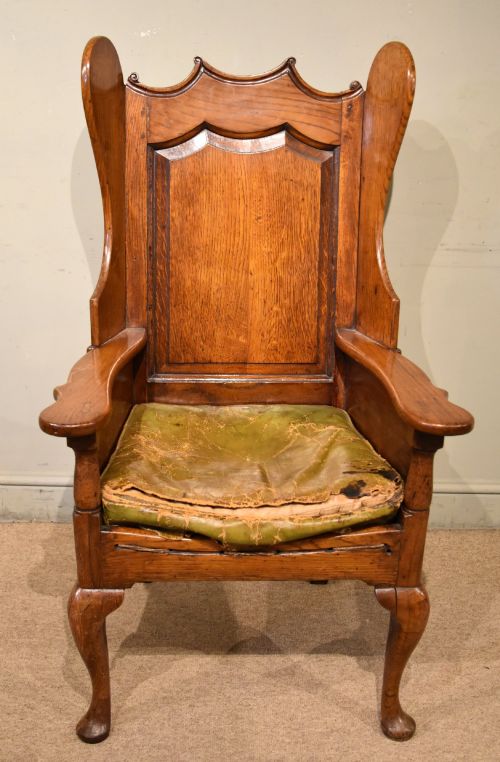
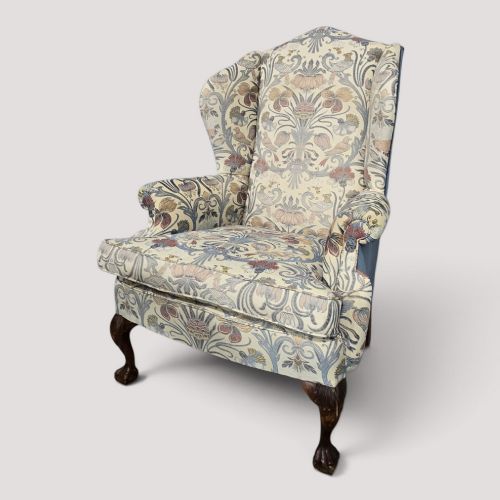
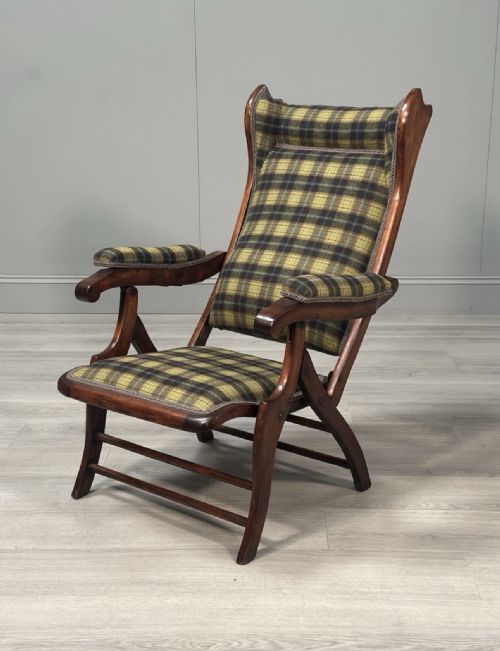
A wooden wingback armchair is a substantial seating form designed to block household draughts while keeping the sitter close to the hearth. These pieces range from substantial 18th century examples to lighter Edwardian interpretations.
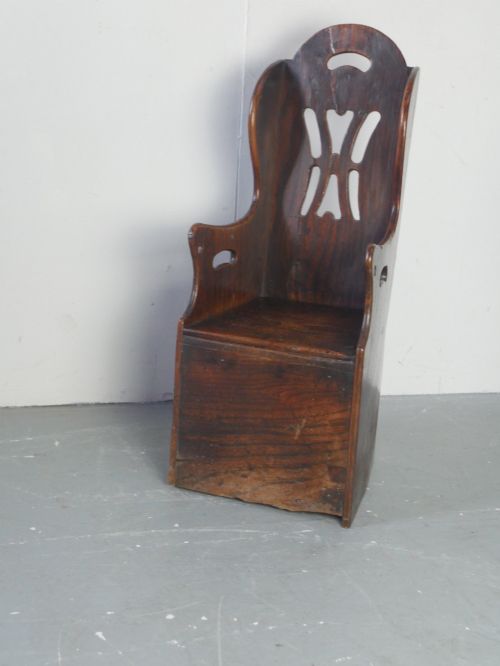
Buyers encountering this category will find various iterations, including vernacular country forms and formal period designs. The selection spans full-sized fireside seats down to small children's variants.
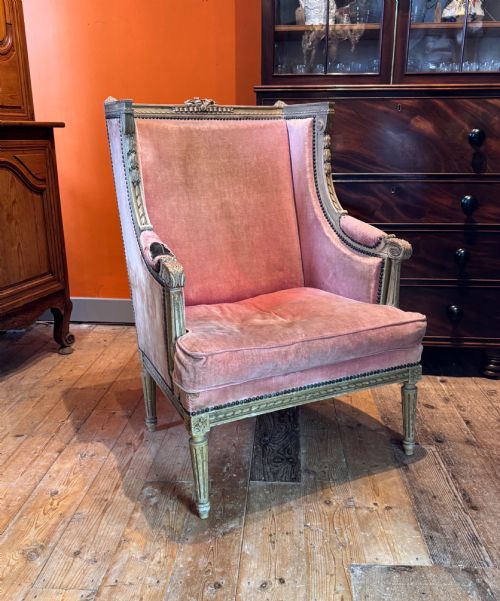
Origins stretch across English country houses and continental workshops, incorporating styles from Georgian vernacular to Louis XVI and Art Nouveau. Timber frames appear in oak, mahogany, walnut and giltwood beneath diverse upholstery.
How they were made
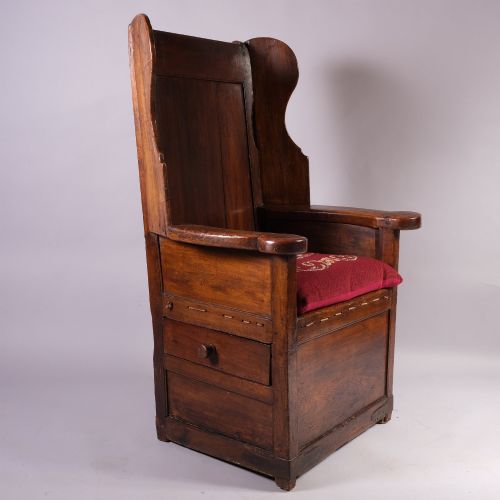
Makers constructed the structural frames of a wooden wingback armchair using hard timbers such as oak, mahogany and walnut. Joinery relied on traditional framing techniques to support the characteristic high back and projecting wings.
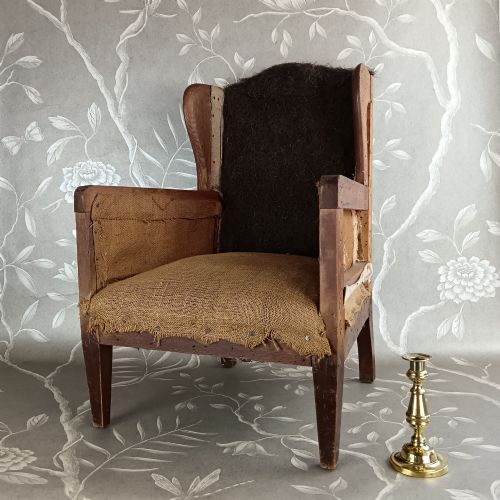
Upholstery layers historically involved hessian, fabric and velvet, sometimes secured with brass detailing. Frames exhibit carved ornamentation, inlay work or original paint finishes depending on the period and regional workshop.
Wooden Wingback Armchair Retail Price Guide 2026
Typical asking prices for wooden wingback armchair among the pieces listed under this phrase on Sellingantiques today, from the lower quarter to the upper quarter. They describe what is for sale here now, not the wider market.
Periods represented span from the 18th century through Victorian and Edwardian eras up to the 1920s.
What varies in quality
The integrity of the timber frame dictates the foundational worth of a wooden wingback armchair, separating sturdy period survivors from altered or weakened examples. Carving depth, timber selection and the preservation of original surfaces also separate standard pieces from superior ones.
The relationship between the wooden structure and its upholstery state influences how a piece is judged. Original paint finishes or untouched early frames carry distinct character compared to heavily restored or later adapted examples.
The Wooden Wingback Armchair Glossary
- Wingback
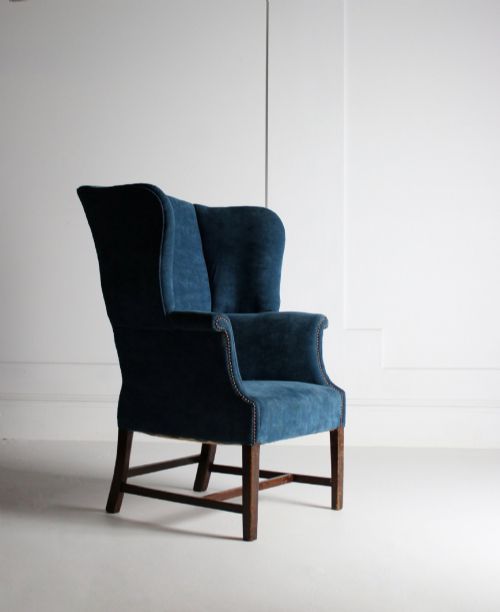
- A chair design featuring protective side panels attached to the arms or back to deflect cold draughts. These upholstered wings enclose the upper body for warmth.
- Vernacular
- Regional furniture made by local craftsmen using traditional methods rather than following metropolitan court styles. These pieces often utilise native timbers like oak.
- Giltwood
- Timber coated with a thin layer of gold leaf or metallic gilt gesso. This finish appears on decorative continental seating frames.
- Inlay
- A technique where contrasting pieces of wood or other materials are inserted into recesses in the primary timber surface to create decorative patterns.
Wooden Wingback Armchair: Frequently Asked Questions
What is a wingback armchair?
A wingback armchair is a fireside seat featuring projecting side panels designed to trap heat and block household draughts. The high back and sheltering sides create a private, comfortable enclosure for the sitter.
These chairs have evolved through various stylistic periods while retaining their fundamental protective silhouette. They remain practical seating choices for modern living spaces.
How old is my armchair?
Dating a wooden wingback armchair requires examining the timber species, joinery construction methods and stylistic details. Earlier examples often display vernacular oak framing, while later pieces incorporate mahogany or walnut.
Secondary indicators include upholstery materials, framing proportions and decorative motifs like inlay or carving. Comparing these elements against documented period pieces clarifies the manufacturing era.
How were lambing chairs used?
Lambing chairs served as functional seating for shepherds or farmers tending newborn livestock near the hearth. Their enclosed wooden sides provided essential shelter from severe indoor draughts in rural dwellings.
Over time, these utilitarian seats transitioned into domestic parlour and library furniture. Their compact proportions and solid timber construction made them enduring household fixtures.
Should I re-upholster a vintage armchair?
Deciding to re-upholster depends on the condition of the existing fabric and the historical significance of the materials. Many pieces require new upholstery to ensure structural longevity and comfortable daily use.
Consulting traditional upholsterers helps preserve the internal stuffing and frame integrity. Retaining remnants of early fabric beneath new covers maintains the historical record of the piece.