



Wooden Wing Chair
These wooden wing chairs bring centuries of seating history into a room, offering high-backed comfort and draught-excluding wings.
Wooden Wing Chair
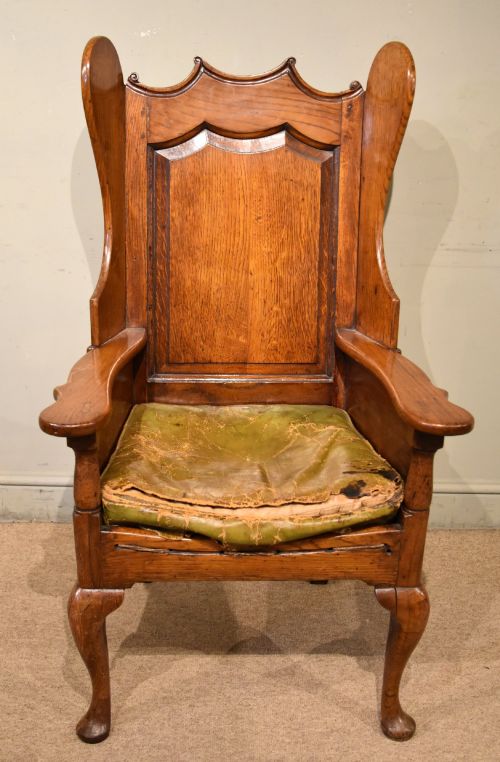
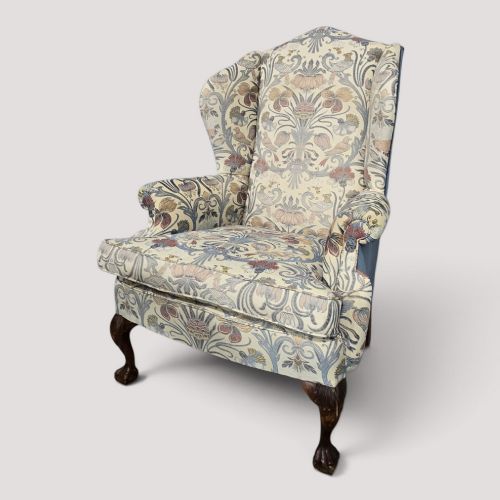
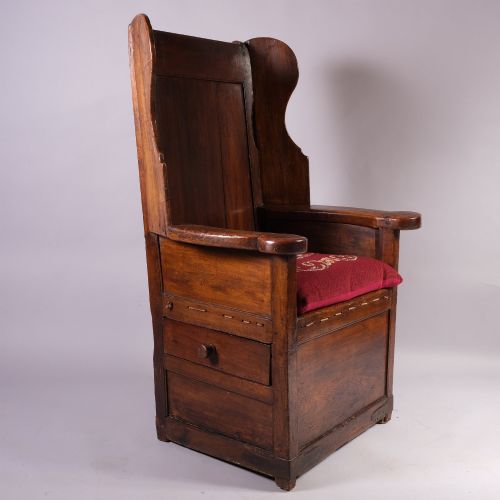
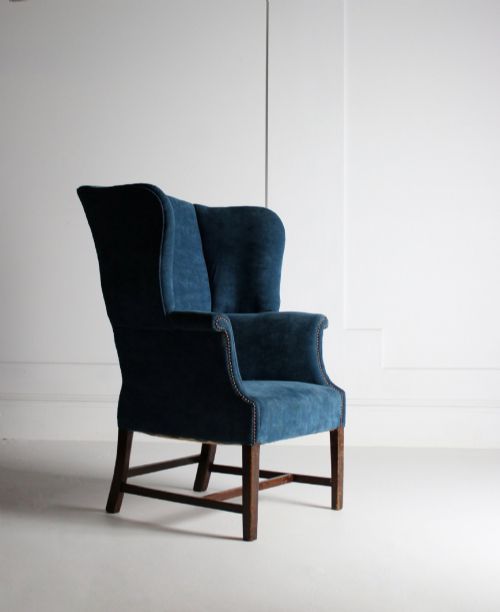
A wooden wing chair combines sturdy timber frames with upholstered comfort, designed originally to shield the sitter from draughts near open fires. The selection spans grand salon pieces to rustic country forms, encompassing tall armchairs and low nursery seats.
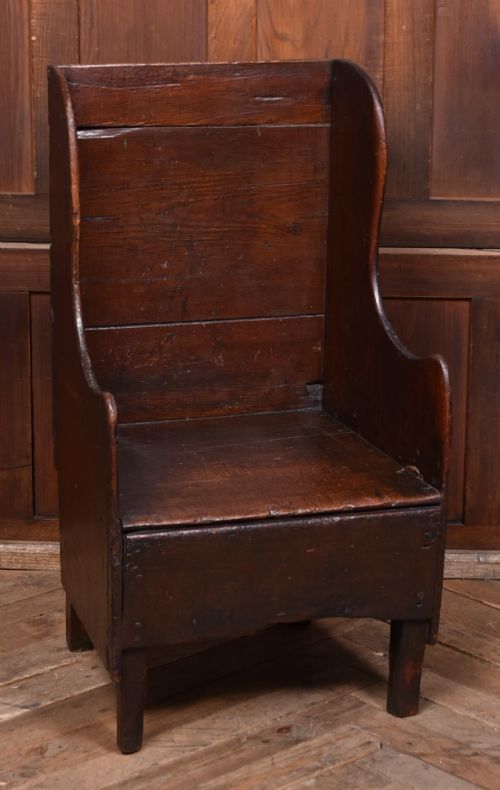
Buyers will encounter items ranging from seventeenth-century oak and fruitwood lambing chairs to eighteenth-century mahogany and elm designs, alongside later Victorian, Edwardian, and early twentieth-century interpretations. These vary from imposing library seats to diminutive child variants.
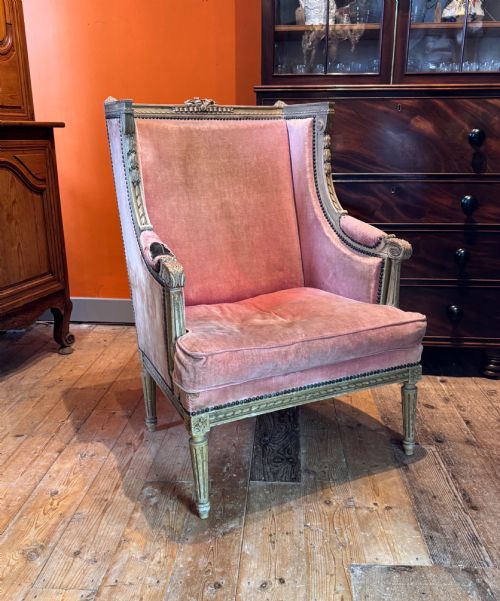
Regional and continental influences shape the offerings here, including French Louis XVI painted and giltwood armchairs, walnut bergere models, and distinctively British country house wingbacks.
Materials and construction
Makers utilised native and imported hardwoods for these frames, predominantly oak, mahogany, walnut, fruitwood, and elm. Timber selection dictated both the structural integrity and the decorative potential of the armchair.
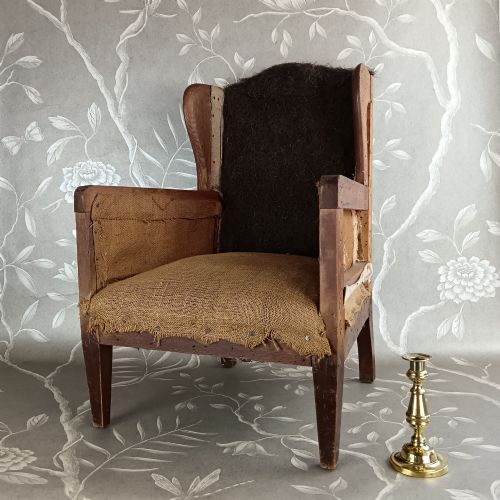
Upholstery methods evolved across the periods represented, relying on hessian, fabric, and velvet secured over supportive webbing and stuffing. Original finishes survive on certain French and English pieces, ranging from exposed grain to historic paint and giltwood.
Wooden Wing Chair Retail Price Guide 2026
Typical asking prices for wooden wing chair among the pieces listed under this phrase on Sellingantiques today, from the lower quarter to the upper quarter. They describe what is for sale here now, not the wider market.
The listings span from the 17th century through the Edwardian era, employing oak, mahogany, walnut, elm, fruitwood, and giltwood.
Assessing quality and character
The distinction between standard and superior pieces rests upon the crispness of timber carving, the proportion of the wings, and the integrity of the frame joints. Earlier examples demonstrate hand-shaped components and traditional joinery that distinguish them from later revival items.
Surface preservation significantly dictates desirability, particularly where original paint, patinated wood, or untouched upholstery materials remain intact. Alterations or replacement components diminish the historical coherence of antique seating.
The Wooden Wing Chair Glossary
- Lambing chair
- A traditional vernacular seat featuring a solid wooden hood or high wing configuration designed to keep out cold air in farmhouses. These typically employ oak, elm, or fruitwood.
- Bergere
- An enclosed upholstered armchair with wooden framing visible around the sides and back. The style frequently incorporates cane panels or rich fabric upholstery.
- Giltwood
- Timber treated with a thin layer of gold leaf or gilt finish. This decorative technique appears on formal French seating from the eighteenth and nineteenth centuries.
- Wingback
- An armchair featuring projecting side panels attached to the arms and back. The form emerged to deflect heat from fires and block room draughts.
- Inlay
- A decorative technique where contrasting woods or materials are inserted into recesses within the primary timber surface. This method appears on later mahogany pieces.
Wooden Wing Chair: Frequently Asked Questions
How do I date a wooden wing chair?
Dating relies on examining the timber species, construction joints, and stylistic details such as leg shapes and wing proportions. Earlier seventeenth and eighteenth-century pieces display hand-turned or joined solid woods, whereas nineteenth and twentieth-century examples often incorporate revival motifs.
Comparing the arm profiles and stretcher arrangements against documented period pieces helps clarify the timeline of manufacture.
Are these chairs comfortable for daily use?
Many period wing chairs offer deep seating and supportive high backs designed for relaxation. However, older upholstered examples may require professional reupholstery or internal webbing reinforcement to suit modern comfort preferences.
Evaluating the seat height and depth ensures the armchair matches your physical requirements for reading or fireside lounging.
How should I care for antique wood and fabric?
Maintain the timber frames by applying occasional appropriate wax polish and keeping them away from direct heat sources and strong sunlight. Fabric and velvet upholstery benefits from regular gentle vacuuming with a soft brush attachment to prevent dust accumulation.
Avoiding excessive moisture protects both the historic wood finishes and the internal stuffing materials from degradation.