




Wooden Wine Holder
A wooden wine holder serves wine storage and display, bringing traditional craft and functional period design to the table.
Wooden Wine Holder
A wooden wine holder encompasses a range of traditional drinking accessories, from George III bottle carriers and Regency cradles to Edwardian coopered buckets and cellarets. When you search for a wooden wine holder, you encounter varied forms designed to hold, pour, or cool bottles across multiple centuries.
Mahogany, oak, and walnut dominate the offerings on this page, often reinforced with brass bands or mounted with silver-plated and sterling silver elements. These pieces bridge the gap between practical cellar equipment and decorative dining room furnishings.
The selection ranges from multi-bottle caddies and treen holders to large floor-standing wine coolers and table coasters. Each piece reflects the social dining habits of Georgian, Victorian, and Edwardian households.
Materials and construction methods
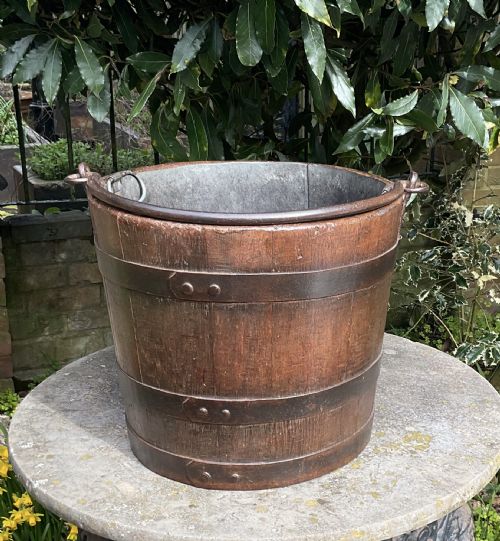
Coopering forms the structural base for many buckets, coolers, and barrel-shaped holders, utilising tight wooden staves bound by metal bands of brass or iron. Cabinetmakers constructed carriers, caddies, and cellarets using solid hardwoods such as mahogany and walnut, frequently incorporating carved details or polished finishes.
Metal mounts, liners, and handles appear across the range in brass, silver plate, and sterling silver to protect the wood from moisture and facilitate handling. Ormolu and turned spindle work add decorative contrast to the primary timber bodies.
Several oak vessels designed to hold wine or Guinness bottles started life as coopered barrels before finding duty in the dining room.
Quality factors in period pieces
The standard of timber selection and joinery separates standard containers from finer examples, with figured grain and tight stave construction marking superior work. Original metal mounts, intact liners, and period-appropriate brass banding elevate the integrity of a piece.
Proportion and execution of detail define the cabinetmaker's hand, whether in the turned handle of a bottle carrier or the scale of a brass-bound cellaret. Pieces retaining their structural cohesion and original surface patination demonstrate better survival through use.
The Wooden Wine Holder Glossary
- Cellaret
- A lockable cabinet or large container designed to store bottles of wine near the dining table. They frequently take the form of sarcophaguses or miniature chests with lead linings.
- Coopered
- Built from curved wooden staves fitted together and bound by metal hoops, much like a barrel. This method provides the strength needed for liquid-holding vessels.
- Coaster
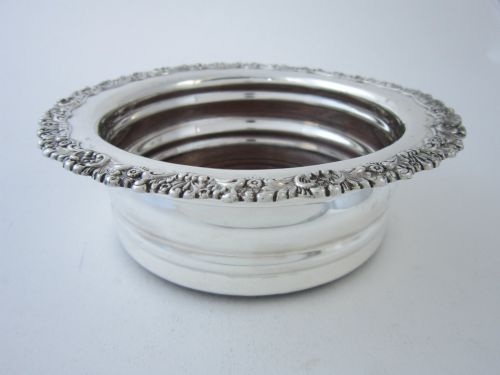
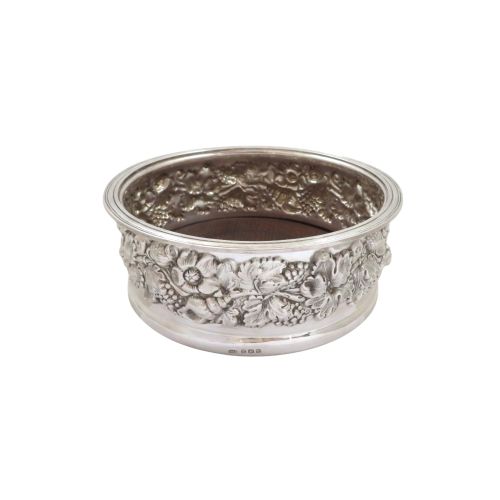
- A small, flat-bottomed tray or disc, often with raised sides, designed to hold a wine bottle and protect the table surface. Materials span turned wood paired with silver or brass.
- Jardiniere
- An ornamental pot or stand for holding plants or flowers. Several forms on this page share construction methods with wine buckets and coolers.
Wooden Wine Holder: Frequently Asked Questions
What is a wooden wine holder used for?
These pieces served to transport, store, or cool wine bottles at the dining table or within the cellar. They held single bottles or multiple sections depending on the specific social occasion.
Today, they function as practical bottle carriers or decorative containers for modern interiors.
How do I distinguish a cellaret from a wine cooler?
Cellarets generally function as enclosed, lockable cabinets or heavily built storage chests designed to sit on the floor or a stand. Wine coolers and buckets often feature open tops with metal liners for ice and water.
Both utilise robust timber construction, with cellarets tending towards formal cabinetmaking.
What woods were commonly used?
Mahogany, oak, and walnut form the primary materials for these drinking accessories. Cabinetmakers selected these dense hardwoods for their durability and attractive grain patterns.
Pine and box tree also appear in specific stands and utilitarian pieces.
How do I date a wooden wine holder?
Dating relies on identifying the prevailing style, construction techniques, and secondary metals such as brass or silver plate. Georgian and Regency pieces show different joinery and classical motifs compared to Edwardian examples.
Hallmarks on integrated silver components provide precise production years where present.
Can these pieces hold modern wine bottles?
Standard bottle carriers and coasters accommodate traditional wine and champagne formats comfortably. Multi-section caddies match the diameter of older bottle standards.
Larger buckets and cellarets offer generous space for contemporary bottles and ice.