





Wooden Walking Cane Silver
These wooden walking cane silver pieces are distinguished companions from the nineteenth and early twentieth centuries, blending sturdy timber shafts with decorative metal mounts.
Wooden Walking Cane Silver
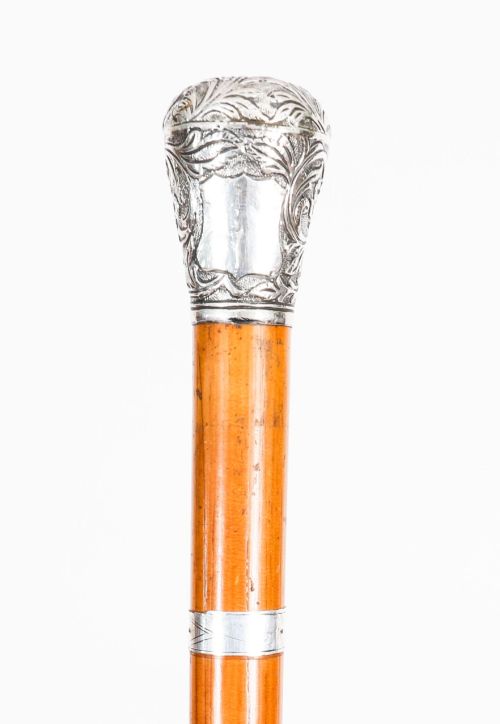
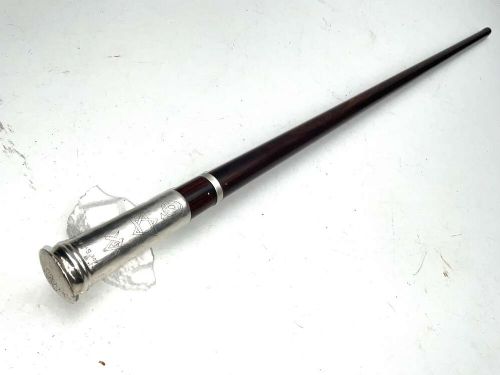
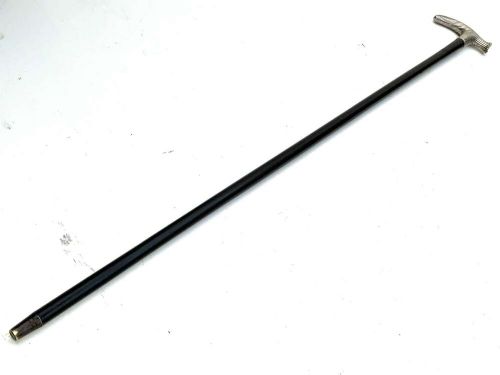
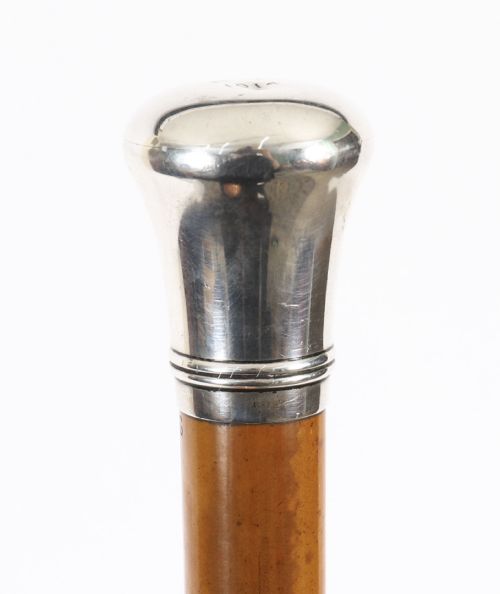
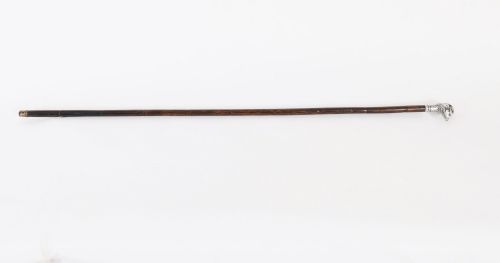
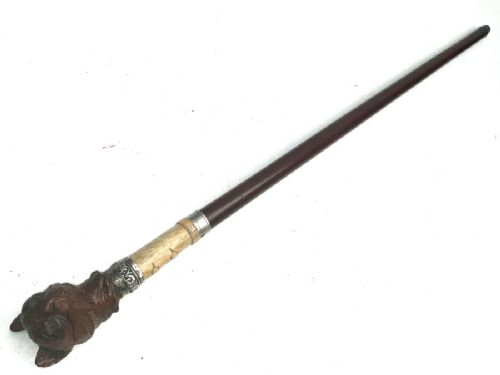
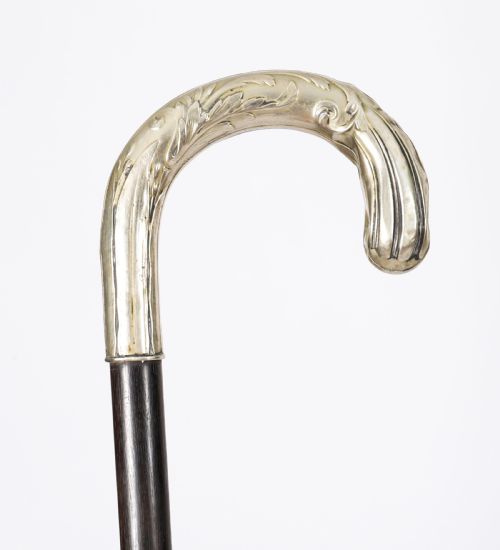
When you search for a wooden walking cane silver, you encounter functional accessories produced across the nineteenth and early twentieth centuries, including the Edwardian era. The most common versions feature a hardwood or malacca shaft paired with a sterling silver or silver-plated handle, often taking the form of animal heads such as swans, ducks, boars or rabbits.
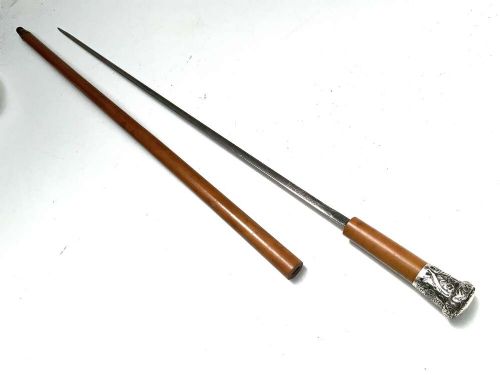
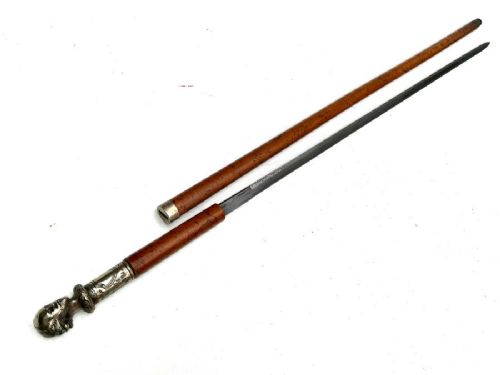
Beyond standard walking sticks and canes, this selection includes specialist forms like swagger sticks and covert sword sticks with concealed blades or corkscrews. Many pieces carry military, regimental or masonic associations, reflecting the formal attire and social standing of gentlemen during the Victorian and Edwardian periods.
Origins span British workshops, London assay offices, Continental Europe and Imperial Germany, providing a diverse range of maker marks and regional styles. Whether formed from natural wood or ebonized oak, these items combine utilitarian strength with intricate metalwork craftsmanship.
How they were made
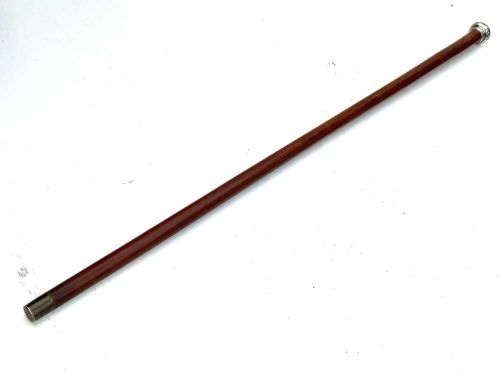
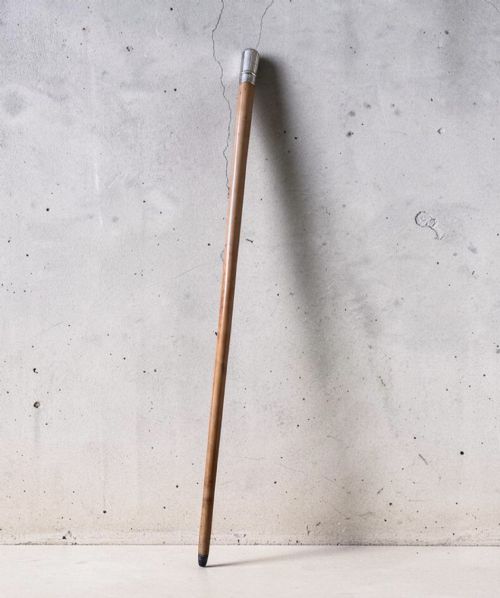
Shafts are shaped from natural woods, hardwood, rosewood, oak, or malacca cane, occasionally incorporating horn or steel components for added durability. These timbers are selected for straightness and strength before being paired with matching ferrules and collars.
Handles and collars utilise solid silver or silver plate, often shaped via casting or embossing to create detailed animal motifs and smooth hand grips. Metal elements are securely pinned or fitted directly to the wooden shafts to withstand daily use.
Wooden Walking Cane Silver Retail Price Guide 2026
Typical asking prices for wooden walking cane silver among the pieces listed under this phrase on Sellingantiques today, from the lower quarter to the upper quarter. They describe what is for sale here now, not the wider market.
What varies in quality
Quality reveals itself in the intricacy and depth of the metal embossing on the silver handles, distinguishing finely sculpted animal heads from simpler, plain caps. The choice of shaft material also dictates grade, with dense hardwoods and malacca canes holding higher regard than standard timbers.
Construction integrity separates standard daily supports from specialised gadget or sword sticks, where concealed mechanisms and Toledo blades require precise engineering. Maker marks, assay stamps and dated silver mounts further elevate the status and documented provenance of individual pieces.
The Wooden Walking Cane Silver Glossary
- Malacca Cane
- A slender, patterned stem derived from the rattan palm, prized for its flexibility and strength in nineteenth-century walking sticks.
- Swagger Stick
- A short, light cane carried by military officers as a symbol of authority rather than for physical support.
- Sword Stick
- A cane containing a concealed blade within the wooden shaft, released via a threaded or push-release collar.
- Hallmark
- An official stamp applied to silver items indicating the metal standard, assay office, and year of manufacture.
- Ferrule
- The protective metal cap fitted to the bottom of a walking stick to prevent wear on the wood.
Wooden Walking Cane Silver: Frequently Asked Questions
What woods were used for these canes?
Common shaft materials include dense hardwoods, ebonized oak, rosewood, and flexible malacca cane.
Natural forms and horn elements also appear frequently among Victorian and Edwardian examples.
Are these swords legal to own?
Regulations regarding concealed blades vary by region, so check local laws concerning antique edged weapons.
Many sword sticks feature historical Toledo steel blades that form part of their military or gentlemanly provenance.
What is a swagger stick?
A swagger stick is a short cane traditionally carried by military officers and NCOs as an insignia of rank.
Unlike full-length walking sticks, they are not intended for weight-bearing support during a walk.