



Wooden Vitrine Stand
These wooden vitrine stand examples combine glass and timber to display treasured objects, offering both elegance and practical visibility for collectors.
Wooden Vitrine Stand
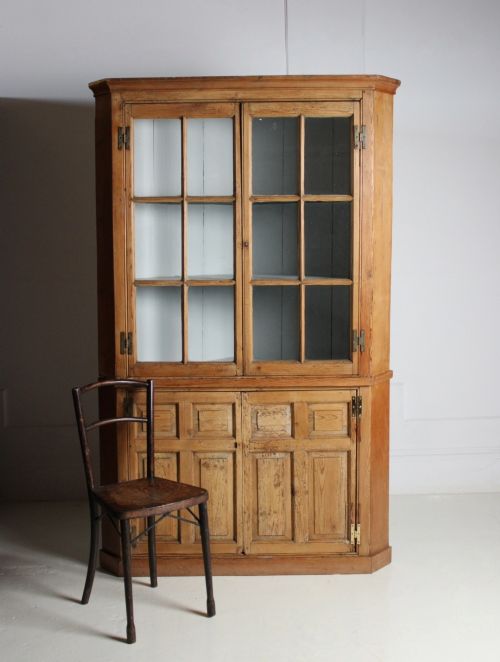
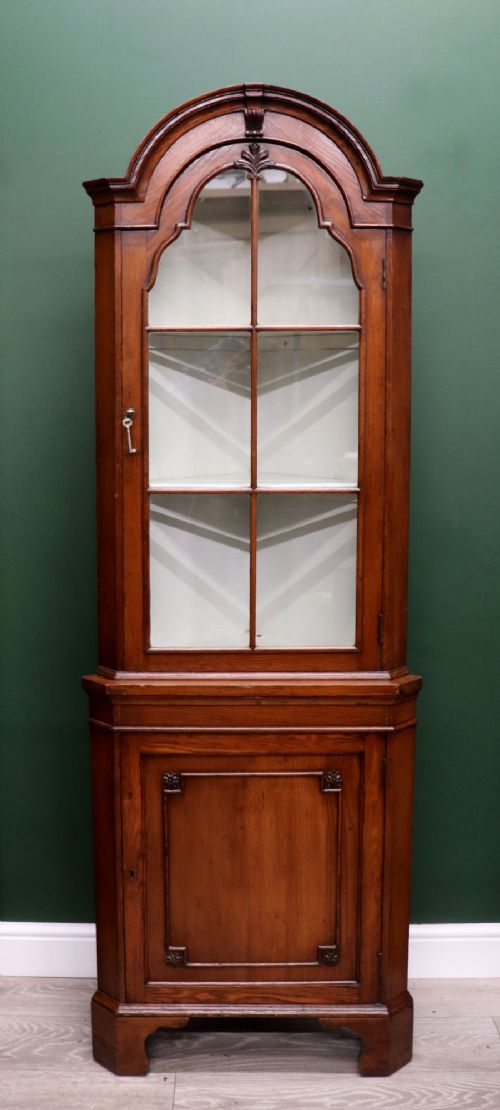
When you search for a wooden vitrine stand, you encounter a variety of display cabinets, corner cabinets, and bookcases designed to showcase belongings behind glass. These pieces span multiple eras, with Edwardian and nineteenth-century examples appearing frequently alongside earlier Georgian and later 1930s variations.
The forms range from floor-standing corner cupboards to demi-lune cabinets, breakfront bookcases, and tall display units. Mahogany is the predominant timber seen across these listings, accompanied by oak, satinwood, pine, and boxwood details.
Stylistic influences vary widely across the selection, featuring Edwardian Revival, Sheraton Revival, Chippendale Revival, Gothic Revival, and rustic farmhouse aesthetics. Most items incorporate glazed doors or panels to protect the contents while keeping them fully visible to the room.
How they were made
Cabinet makers utilised solid and veneered timbers such as mahogany, oak, and satinwood, frequently embellishing surfaces with delicate boxwood stringing and marquetry inlay. Structural strength was balanced with refined proportions, particularly in revival pieces that copied eighteenth-century elegance.
Glazing techniques required secure timber framing to hold glass panels safely within doors and side panels, sometimes supported by brass hardware. Interior shelving was constructed from matching wood, and select items incorporated fabric linings or multiple drawers beneath the primary display space.
Wooden Vitrine Stand Retail Price Guide 2026
Typical asking prices for wooden vitrine stand among the pieces listed under this phrase on Sellingantiques today, from the lower quarter to the upper quarter. They describe what is for sale here now, not the wider market.
Period pieces span the nineteenth century, the Edwardian era, and into the 1930s, encompassing both formal drawing-room furniture and farmhouse cupboards.
What varies in quality
The standard of timber selection and complexity of inlay work largely determine where a piece sits within its category. Finely figured mahogany and intricate satinwood breakfront designs represent a higher tier of craftsmanship compared to simpler pine farmhouse cupboards.
Proportion and decorative restraint also set finer examples apart, particularly in revival items where crisp carving and balanced brass fittings distinguish master cabinet work from standard commercial production.
Warings·Edwards & Roberts
The Wooden Vitrine Stand Glossary
- Vitrine
- A glass-fronted cabinet designed specifically for displaying fine objects or collections. They often feature glazed sides to maximise light penetration.
- Demi-lune
- A half-moon shape used for furniture surfaces and tabletops. This form allows cabinets to sit flush against a wall while maintaining a curved front profile.
- Breakfront
- A cabinet design where the central section projects forward from the flanking wings. This architectural arrangement creates depth and visual interest on large bookcases and display units.
- Inlay
- A decorative technique where contrasting woods or materials are inserted into recessed cavities on the surface. Boxwood and satinwood were commonly used for this linear ornamentation.
Wooden Vitrine Stand: Frequently Asked Questions
Where should I place a corner cabinet?
A corner cabinet fits neatly into unused room angles, making it an efficient choice for smaller spaces while drawing the eye upward.
Positioning it away from direct sunlight protects both the timber finish and the items displayed inside.
How do I care for mahogany timber?
Regular dusting with a soft, dry cloth preserves the polished surface of mahogany cabinets without damaging the grain.
Avoid placing wooden furniture near heat sources or damp areas to prevent warping and cracking over time.
What is the difference between Edwardian and Georgian styles?
Edwardian furniture often reinterprets earlier eighteenth-century aesthetics with lighter proportions and subtle inlay work.
Original Georgian pieces typically display heavier structural forms and distinct regional cabinet-making techniques from the eighteenth century.
Can these cabinets hold heavy books?
Floor-standing bookcases and sturdy display cabinets with wooden shelves generally support moderate book collections.
Checking the depth and fixed nature of the interior shelving ensures it can safely bear the weight of heavy volumes.