






Wooden Vitrine Cabinet
A wooden vitrine cabinet holds precious porcelain and curios behind glass, bringing polished timber and refined display into a room.
Wooden Vitrine Cabinet
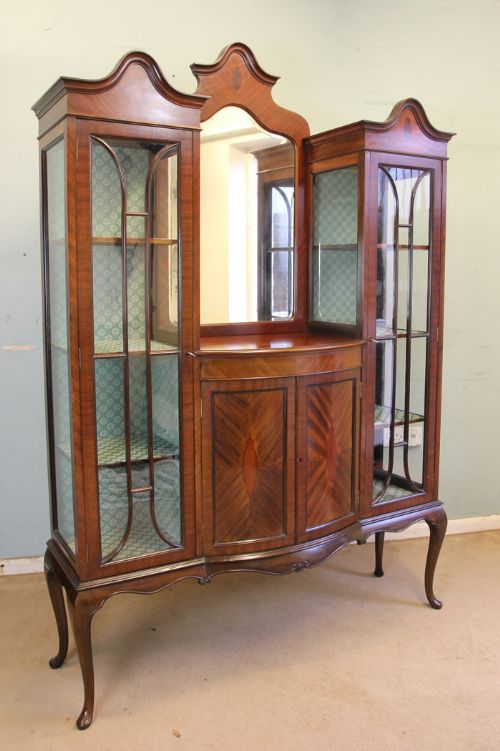
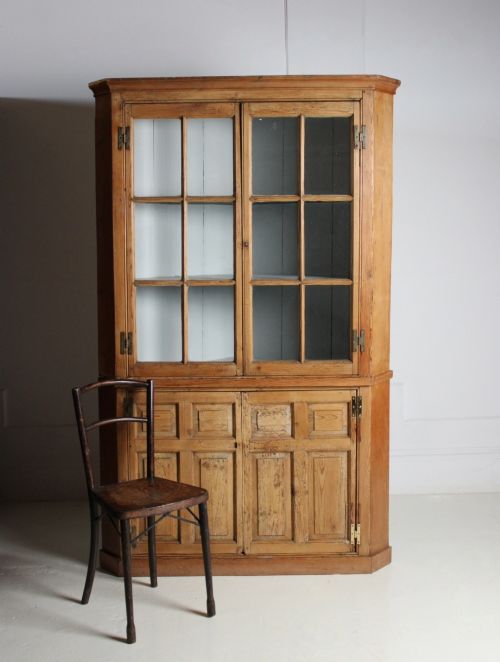
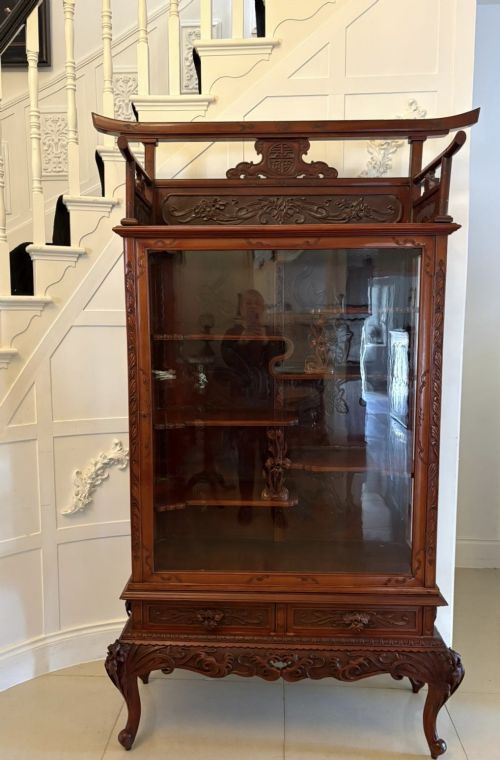
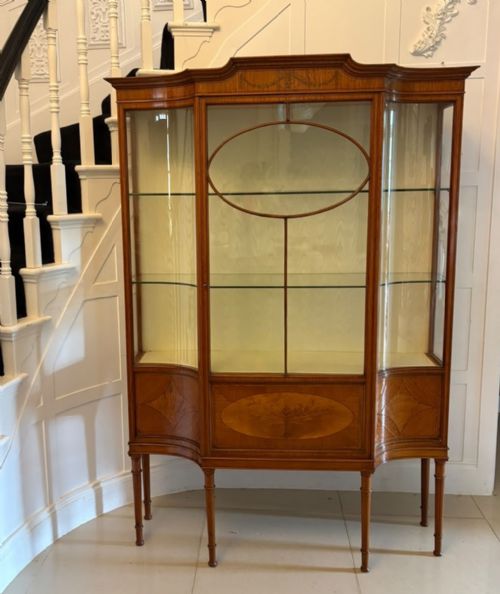
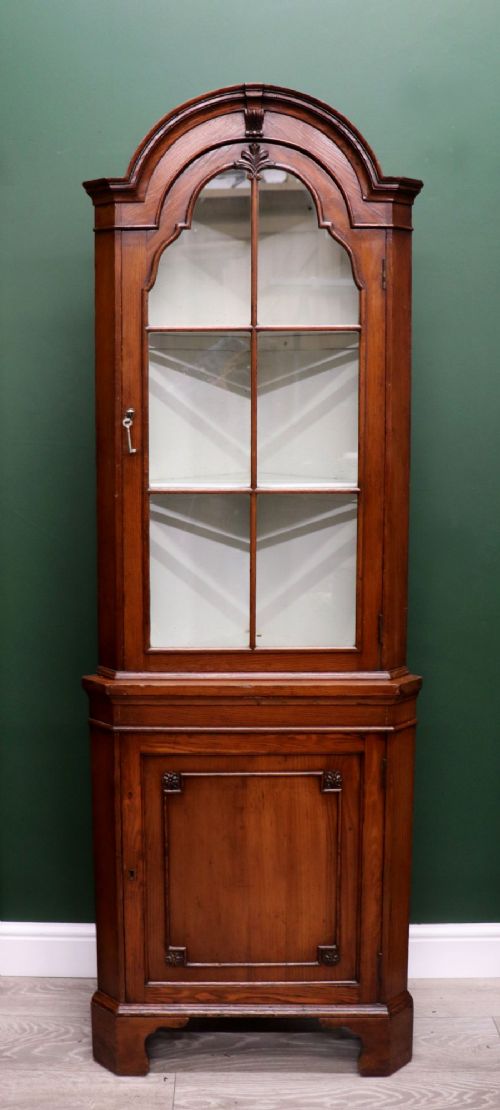
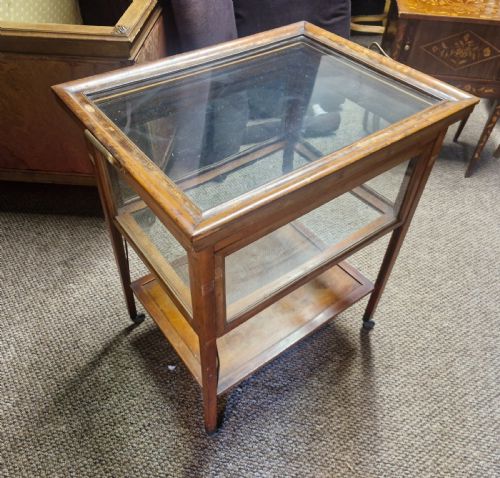
A wooden vitrine cabinet serves primarily to exhibit ceramics, books, and collections while protecting them from dust behind glass doors or panels. These pieces span from tall floor-standing bookcases and corner cabinets to compact countertop display cases and bijouterie tables.
The selections encountered most frequently on this page date from the Victorian and Edwardian eras, alongside early twentieth-century examples. Common formats include mahogany and satinwood display cabinets, walnut corner cupboards, and occasional tea trolleys with glazed compartments.
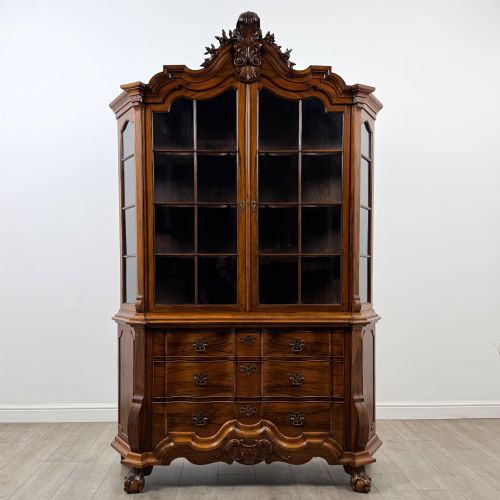
Origins vary across English, French, Dutch, and Italian workshops, bringing distinct regional aesthetic choices to the basic timber carcass. Some pieces draw on Georgian, Sheraton, or Louis XV revivals, incorporating stylistic nods to earlier centuries.
Materials and Construction
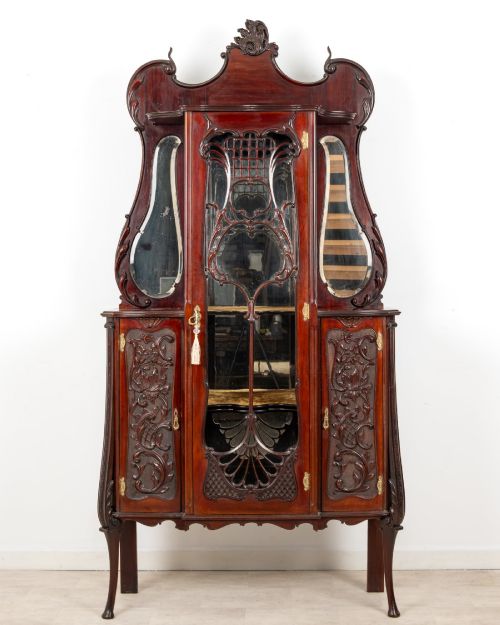
Makers built these cabinets using solid woods and veneers like mahogany, walnut, oak, satinwood, kingwood, and pine. Timber frames often received intricate marquetry inlays, brass or ormolu mounts, and painted or lacquered surfaces.
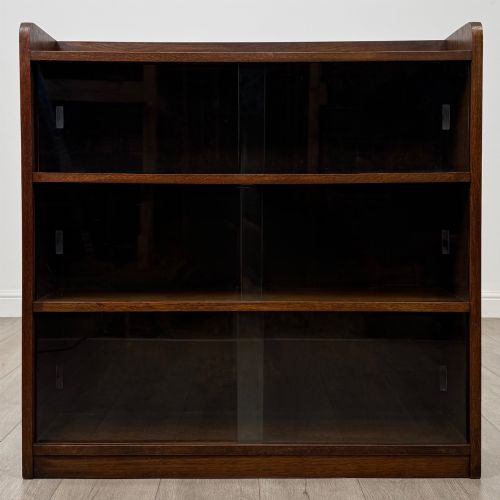
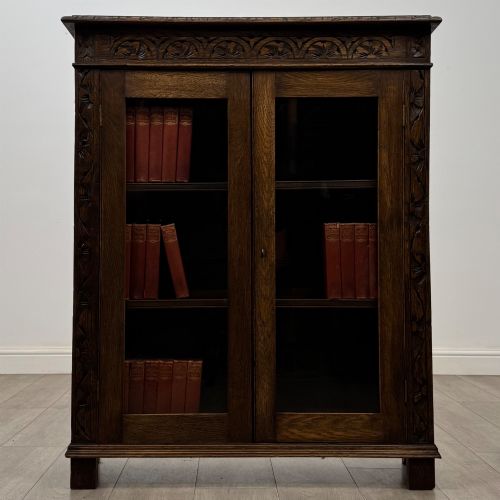
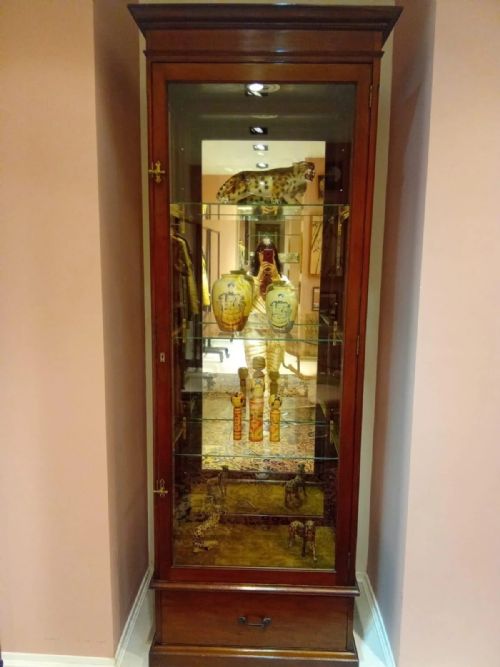
Glazing forms a central element of construction, utilising fitted glass panes in single, double, or sliding doors to enclose the interior shelves. Structural details range from carved oak mouldings and bombe bases to adjustable glass shelving within shop display units.
Wooden Vitrine Cabinet Retail Price Guide 2026
Typical asking prices for wooden vitrine cabinet among the pieces listed under this phrase on Sellingantiques today, from the lower quarter to the upper quarter. They describe what is for sale here now, not the wider market.
A grocery store model from the nineteenth century sneaks into the lineup, proving miniature architecture had its own display ambitions.
Distinctions in Quality
Quality rests upon the selection of timber figures, the precision of marquetry inlay work, and the crispness of any hand-carved wooden details. Finer cabinets utilise choice mahogany, satinwood, or kingwood veneers paired with substantial brass or ormolu hardware rather than simpler pine or basic painted finishes.
The sophistication of the joinery and the integrity of the original glass doors distinguish high-end examples from utilitarian or commercial storage pieces. Superior execution shows in balanced proportions, tightly fitted doors, and refined period revival styling such as Sheraton or Louis XV motifs.
Warings
The Wooden Vitrine Cabinet Glossary
- Vitrine
- A glass-fronted cabinet designed specifically for displaying fine objects or collections. They often feature glazed sides as well as doors to maximise visibility.
- Marquetry
- Decorative veneer work arranged in intricate patterns or pictures using various coloured woods. This technique frequently adorns the panels of Edwardian and revival furniture.
- Bombe
- A swollen or bulging convex shape characteristic of certain continental furniture bases. It adds distinct curving volume to the lower section of a cabinet.
- Ormolu
- Gilded bronze mounts applied as decorative ornaments to furniture. They lend a bright metallic contrast to dark woods on French and revival pieces.
- Bijouterie table
- A shallow display table with a glass top used for small personal valuables. These pieces raise curios to comfortable viewing height on slender legs.
Wooden Vitrine Cabinet: Frequently Asked Questions
What is a wooden vitrine cabinet?
A wooden vitrine cabinet is a specialised display piece featuring glazed doors or panels designed to showcase ornaments, china, and books.
These cabinets protect delicate items from dust while offering clear visibility from multiple angles.
How do I style a vitrine in a modern room?
Place a wooden vitrine cabinet against a solid wall to let the timber frame and glass panels stand out as a focal point.
Arrange collections inside with thoughtful spacing to maintain an airy aesthetic rather than crowding every shelf.
How do I tell Victorian from Edwardian cabinets?
Victorian display cabinets often feature heavier carved mahogany or walnut frames with darker finishes and ornate details.
Edwardian examples typically lean towards lighter satinwood, delicate Sheraton revival inlays, and brighter, more restrained proportions.
What were corner cabinets used for originally?
Corner cupboards and display cabinets maximised unused room angles in period homes for storing and showing off tableware.
They utilised awkward spaces effectively while keeping everyday or guest china readily accessible.