





Wooden Urn Planter
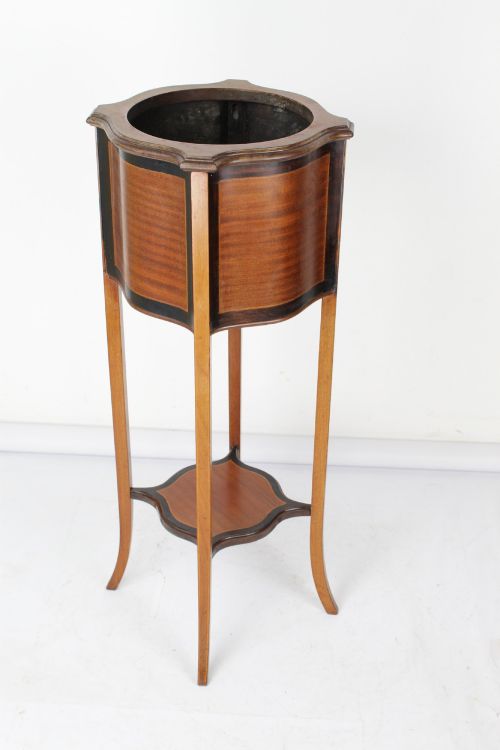
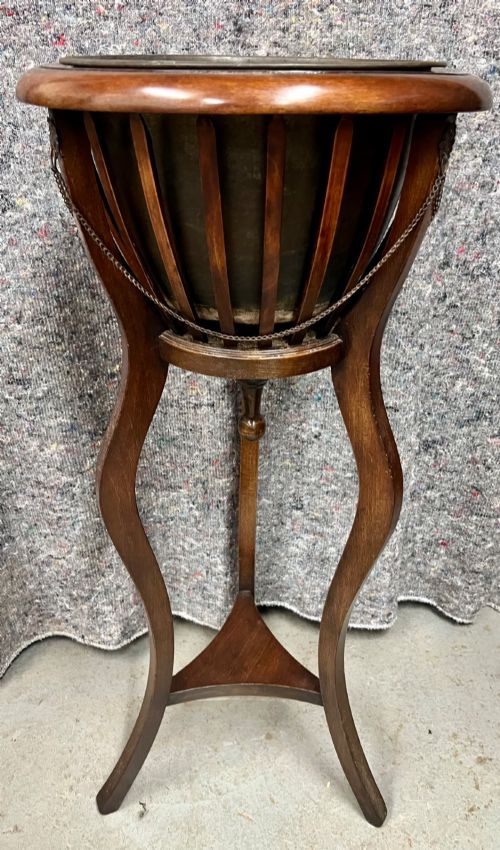
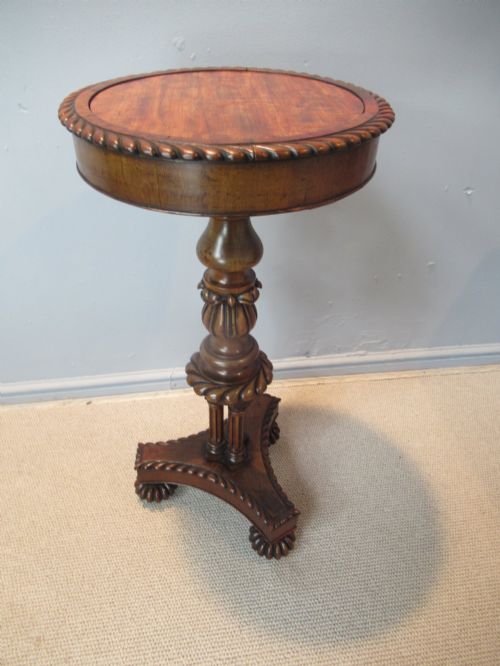
These wooden urn planters and kindred jardinieres bring architectural formality to greenery, pairing the warmth of mahogany and walnut with robust metal liners.
Wooden Urn Planter
When you search for a wooden urn planter, you encounter vessels designed to house potted plants inside domestic rooms without water damage. The pieces on this page span Georgian, Victorian, and Edwardian eras, taking the form of plant stands, jardinieres, and peat buckets.
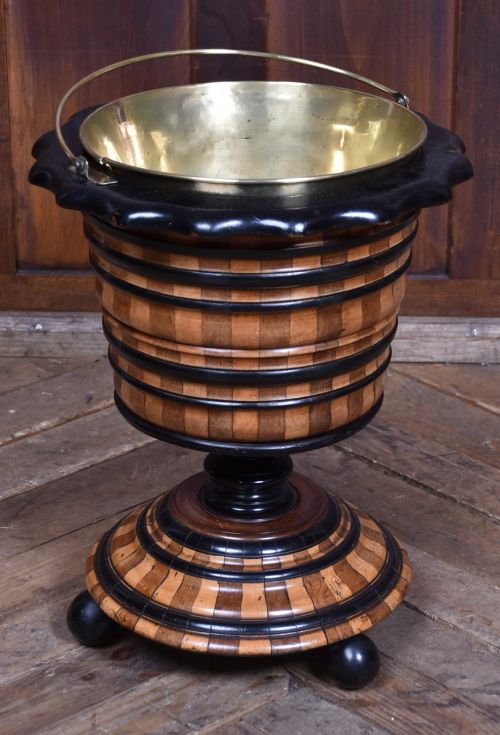
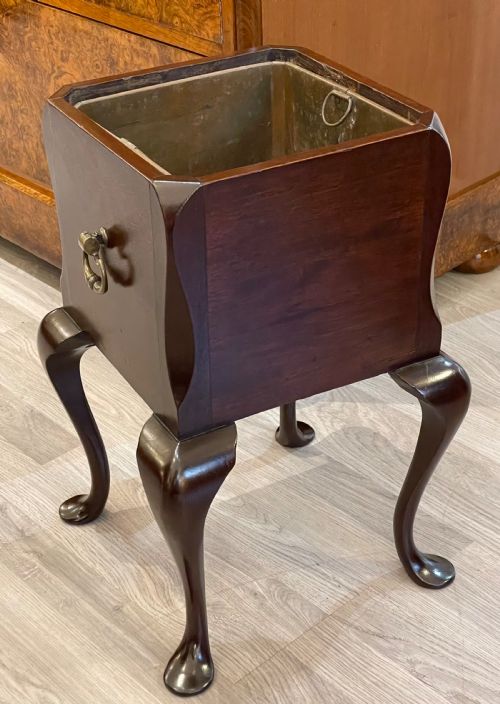
Forms range from simple mahogany torchere plant stands to elaborate Anglo-Indian ebony pieces and Dutch teestoofs complete with brass liners. You will also find walnut planter tables inset with marble, alongside Chinese export stands and oak barley twist designs.
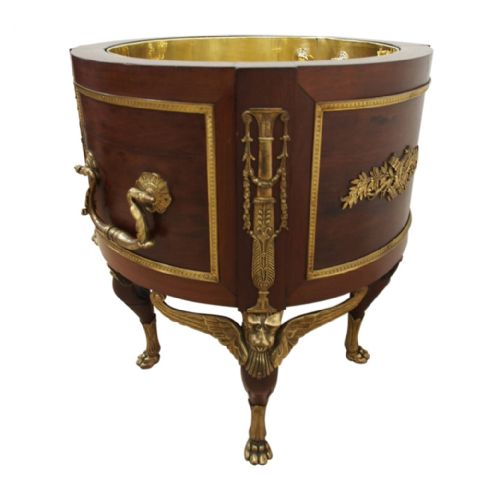
The materials reflect a preference for dense hardwoods capable of bearing weight and resisting moisture. Mahogany, walnut, satinwood, ebonised wood, and pine appear frequently, often enhanced by brass, metal, or ormolu mounts.
Materials and construction
Cabinetmakers utilised durable hardwoods such as mahogany, walnut, and ebony to construct the bodies of these vessels, turning timber on lathes or joining panels with precision. Inlaid satinwood and ebonised details added surface pattern without compromising structural integrity.
Metal liners, predominantly in brass, were integrated into the interior to protect the surrounding timber from damp soil and water. Ormolu mounts and carved elements embellished the exterior, bridging the gap between utilitarian garden accessories and fine furniture.
Wooden Urn Planter Retail Price Guide 2026
Typical asking prices for wooden urn planter among the pieces listed under this phrase on Sellingantiques today, from the lower quarter to the upper quarter. They describe what is for sale here now, not the wider market.
Footwarmers pivoted into plant pots when Dutch winters warmed up.
Assessing quality and craftsmanship
Quality rests upon the selection of timber and the precision of the joinery rather than mere ornamentation. Dense mahogany and figured walnut with harmonious grain patterns indicate superior workshop selection.
The integration of original brass liners and refined carving, whether in Chinese export styles or classical revival motifs, separates standard utility items from pieces designed for formal reception rooms.
The Wooden Urn Planter Glossary
- Jardiniere
- A decorative pot or stand for holding plants or flowers. Originating from the French word for gardener, these vessels often incorporate waterproof liners.
- Torchere
- A tall, slender stand designed to support a lamp or plant. These pieces elevate flora to eye level, typically featuring a small circular top and a slender column.
- Teestoof
- A traditional Dutch heating footstool that evolved into a container for plants. They frequently feature pierced wooden outer cases and removable metal liners.
- Ormolu
- Gilded bronze mounts applied to furniture and decorative objects. This technique adds metallic contrast to dark hardwoods like mahogany and ebonised timber.
- Barley twist
- A woodworking technique where a column is carved into a helical screw shape. This turned detail appears on the upright supports of various nineteenth-century plant stands.
Wooden Urn Planter: Frequently Asked Questions
Can I use them outdoors?
These antique vessels were constructed exclusively for interior domestic use in drawing rooms and halls. Subjecting fine hardwoods and historical adhesives to garden weather will cause rapid deterioration.
Keep them within climate-controlled rooms away from direct sunlight and radiators to preserve the timber and any delicate inlay.
How do I date a planter?
Examine the secondary woods, construction methods, and stylistic cues to determine the period. Georgian and Victorian examples often display hand-cut joinery and dense, aged mahogany.
Later Edwardian pieces frequently utilise satinwood or incorporate revival styles such as Empire or Chinese export motifs. Comparing the turnings and hardware to known furniture eras confirms the approximate decade of manufacture.
What is a peat bucket?
A peat bucket is a deep wooden vessel originally intended to hold fuel for a fireplace, which was later adapted as a planter. These pieces often feature sturdy stave construction and metal swing handles.
Their generous proportions make them well-suited for housing larger potted plants within a traditional interior scheme.