

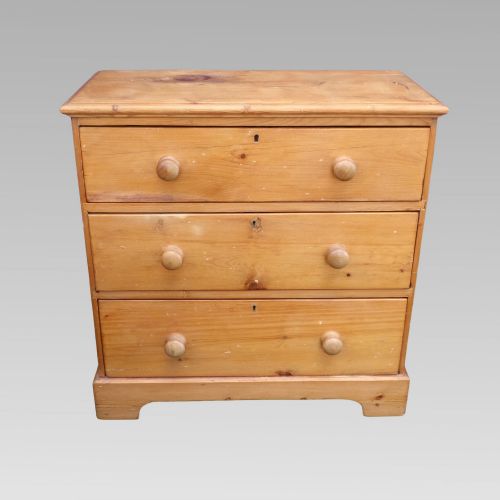


Wooden Turned Knob Drawers
Wooden turned knob drawers are classic storage pieces defined by cylindrical wooden handles, and collectors prize them for honest domestic utility.
Wooden Turned Knob Drawers
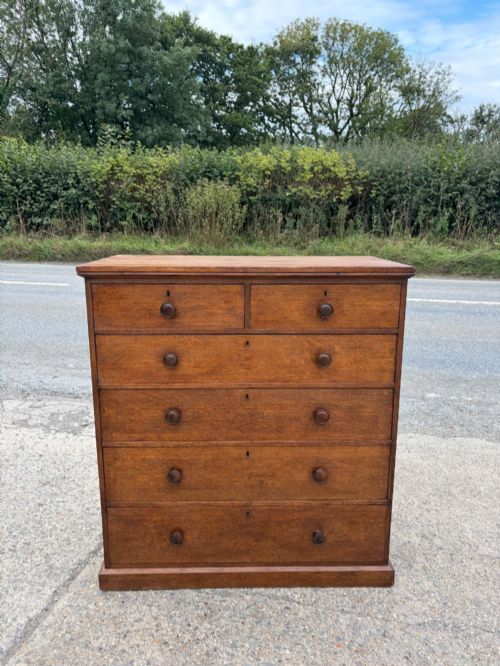
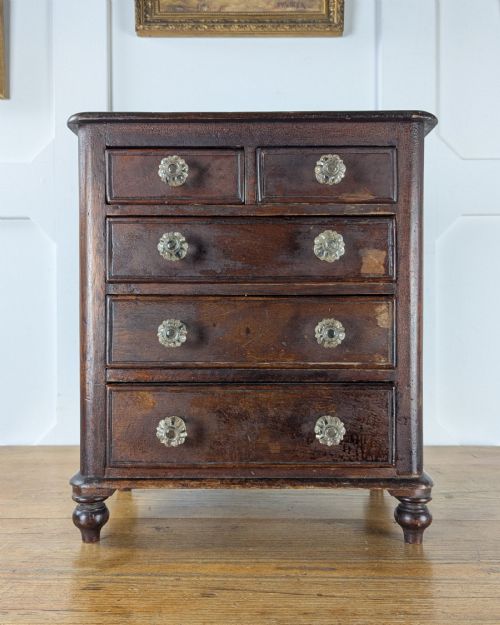
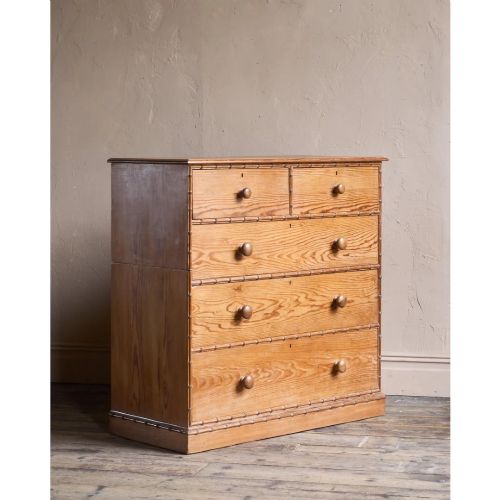
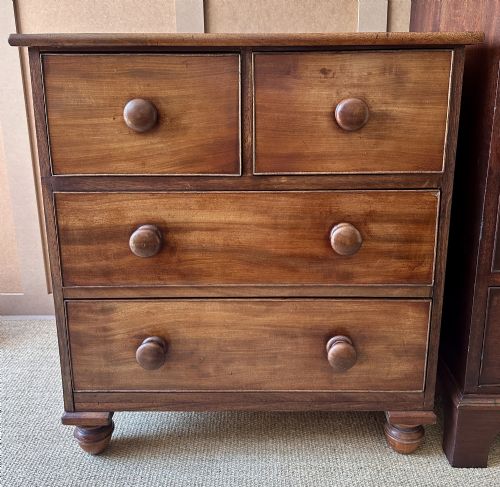
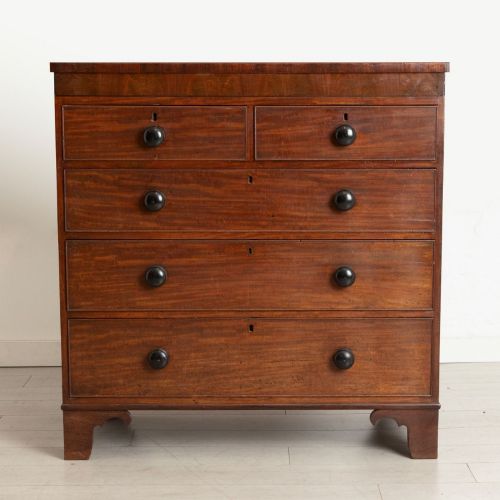
Wooden turned knob drawers encompass chest of drawers forms predominantly originating from the Victorian period and the wider nineteenth century. Pieces range from full size bedroom chests to small apprentice pieces and miniature furniture designed for compact spaces.
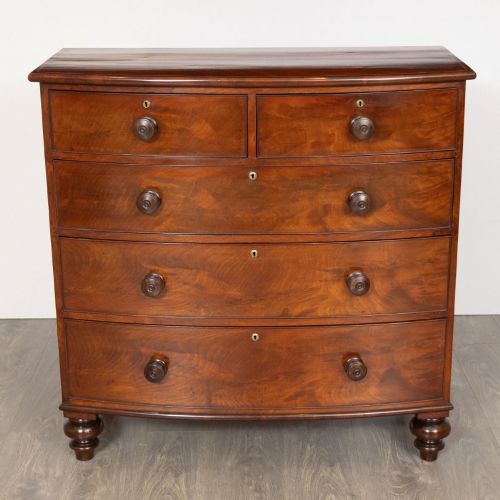
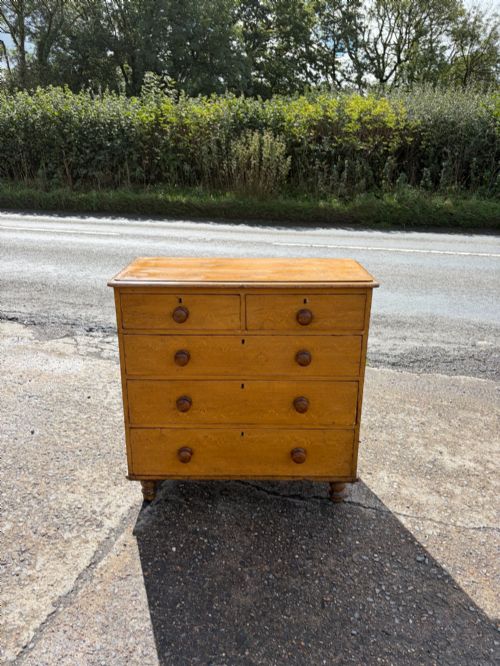
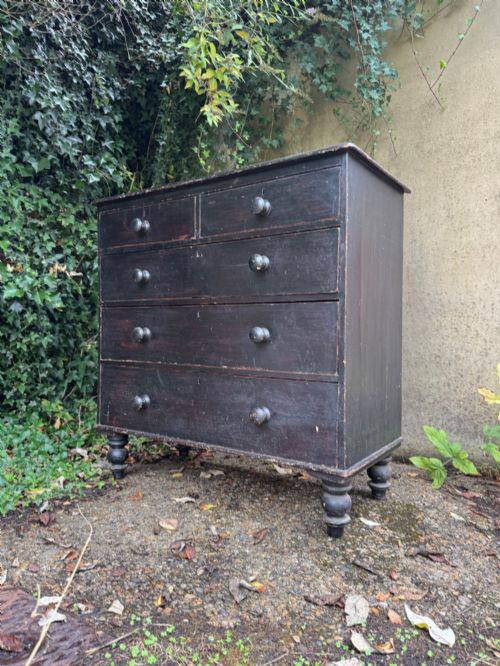
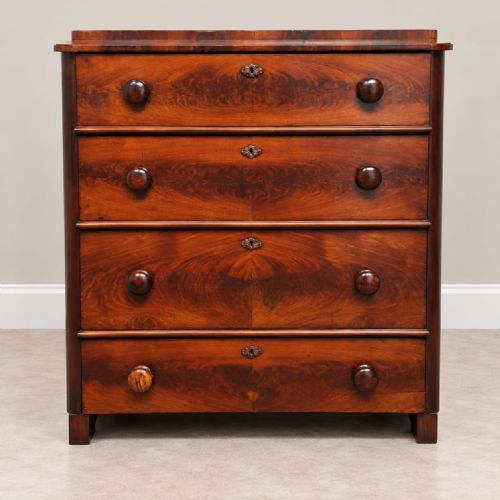
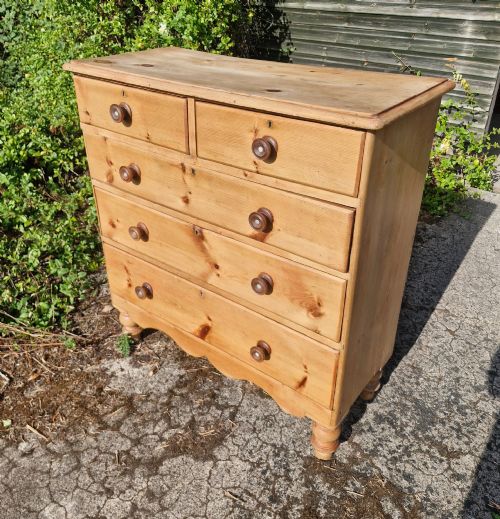
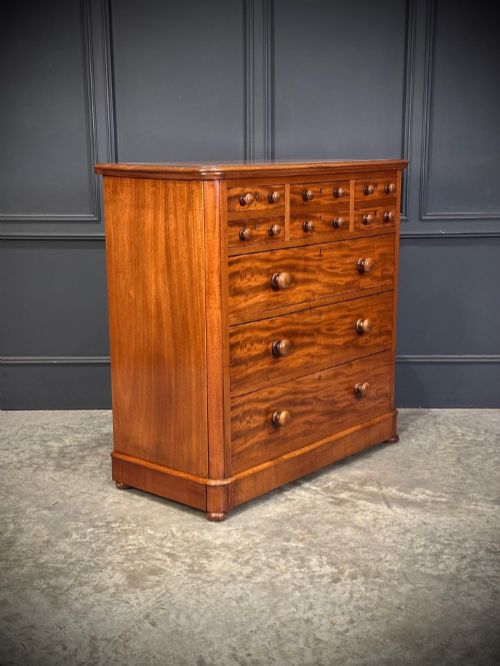
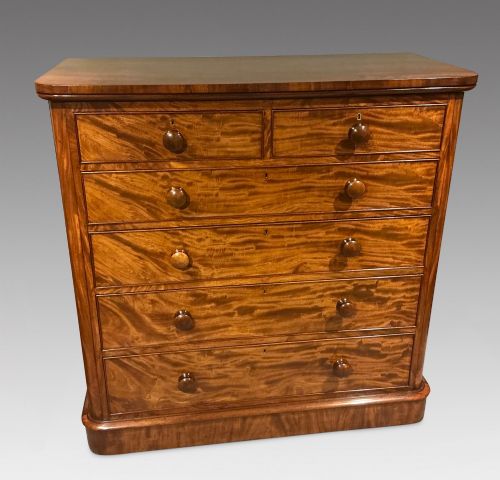
The pine and mahogany examples found here showcase regional workshops alongside larger formal pieces. Buyers encounter vernacular pine carcases alongside polished mahogany fronts featuring bow front configurations and classical proportions.
How they were made
Cabinet makers utilised solid pine and mahogany for structural carcases, frequently applying flame mahogany veneer to primary display surfaces. Drawer pulls were individually turned on lathes from matching or contrasting timbers.
Construction methods incorporated hand cut dovetails for drawer boxes and turned wooden feet to support the weight. Secondary materials such as brass, iron, glass and bone appear selectively on escutcheons, handles and internal fittings.
Secret drawers hidden within the upper framing of nineteenth century chests offer covert space for valuables.
What varies in quality
The standard of timber selection defines the upper tier of these pieces, particularly where figured mahogany veneers or clean knot free pine are present. Grain alignment across drawer fronts indicates greater workshop care.
Joinery execution in the drawer linings and carcase frame dictates longevity and smooth operation. Original turned knobs and feet preserved without replacement elevate the historical integrity of the piece.
Howard and Sons
The Wooden Turned Knob Drawers Glossary
- Bow front
- A convex curved cabinet front that projects outward at the centre. This curved profile requires specialised woodworking skill to shape drawer fronts and matching frames.
- Flame mahogany veneer
- A thin slice of mahogany timber cut from the fork of the tree where branches meet the trunk. It creates a distinctive rippled flame pattern across drawer faces.
- Apprentice piece
- A miniature version of standard furniture created by a trainee craftsman to demonstrate mastery. These small scale pieces mirror full size construction techniques.
- Biedermeier
- A Central European style dating to the nineteenth century focused on clean utility and minimalist form. Pieces in this style utilise domestic woods without excessive ornamentation.
- Dovetail joint
- An interlocking wood joint formed by wedge shaped fingers that resist pulling apart. Hand cut examples indicate traditional cabinet making methods.
Wooden Turned Knob Drawers: Frequently Asked Questions
How do I date a pine chest?
Pine chests from the nineteenth century often display construction clues such as hand sawn timber boards and early dovetail joints. Waxed finishes and original turned wooden knobs help confirm the period.
Later vernacular pieces retain simpler interior framing whilst retaining traditional proportions. Examining the backboards and drawer linings provides reliable indicators of age.
What is a miniature chest?
Miniature chests and apprentice pieces are scaled down versions of full size bedroom furniture. Cabinet makers produced these small items to display craftsmanship or for specialised tabletop storage.
Despite their reduced dimensions, they utilise the same construction methods as larger chests including turned feet and dovetailed drawers.
Are mahogany drawers formal?
Mahogany chests generally reflect formal parlour or bedroom use, particularly when constructed with bow fronts or flame veneer. Cabinet makers selected rich timbers to suit refined interior spaces.
These polished pieces contrast with simpler painted or waxed pine versions intended for everyday domestic service.
How do I maintain waxed pine?
Waxed pine surfaces benefit from occasional applications of natural beeswax to nourish the timber and preserve the sheen. Avoid placing these pieces in direct sunlight or near heat sources.
Gentle dusting with a soft cloth prevents dirt accumulation while protecting the original patina built up over decades.