

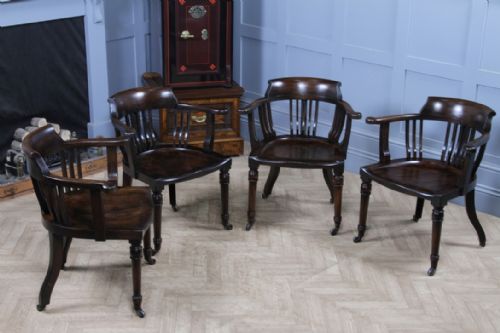


Wooden Tub on Legs
A wooden tub on legs provides deep, enclosing comfort through curved timber frames and sturdy supports.
Wooden Tub on Legs
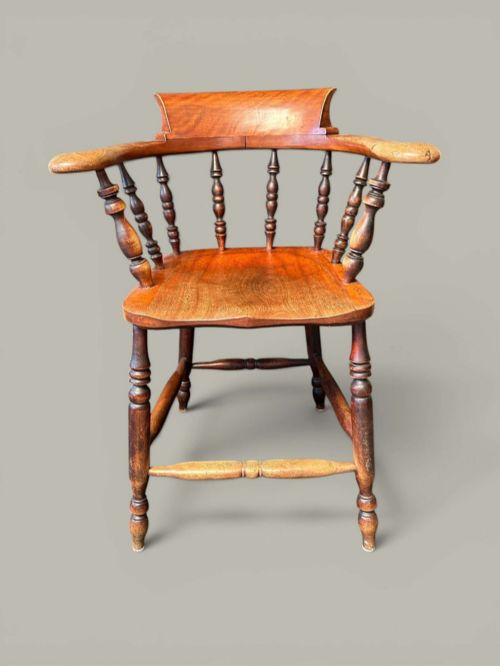
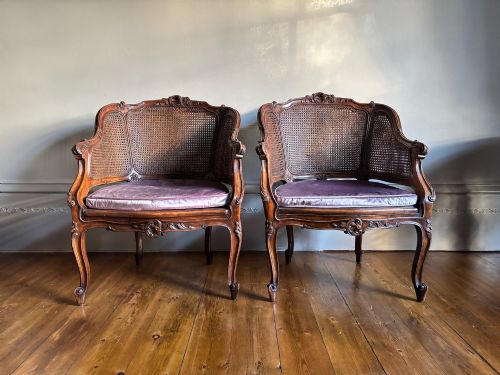
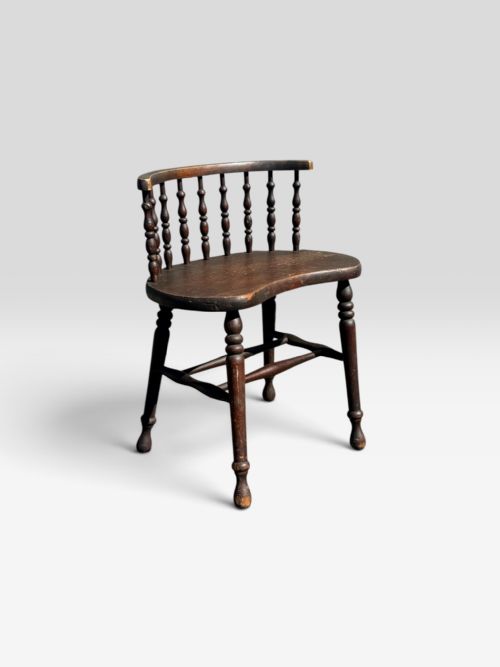
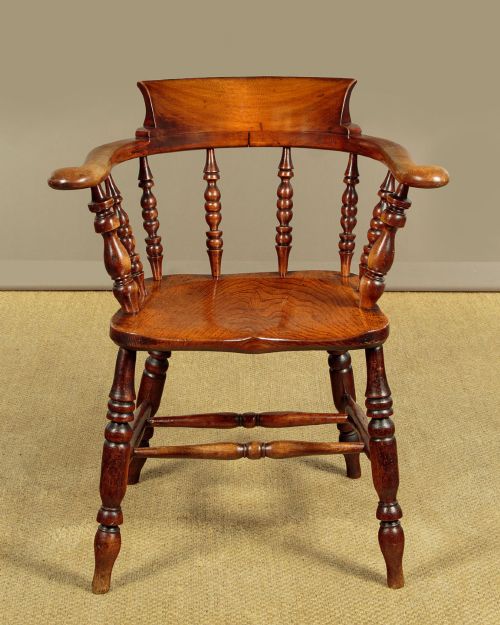
A wooden tub on legs takes the form of enclosing armchairs, desk chairs, and wine coolers spanning Georgian, Victorian, and Edwardian periods. Buyers encountering this search phrase discover seating such as smoker's bows, captain's chairs, and bergères alongside mahogany wine coolers on stands.
How they were made
Maker construction relies on traditional timber selection, combining dense native woods like elm, beech, ash, and oak for structural integrity and resilient curved backs. Mahogany appears in finer cabinet-made wine coolers and desk chairs.
Secondary materials including brass fittings, cane panels, and leather upholstery supplement the primary timber frames. Skilled joinery secures bentwood elements and fitted stands, uniting functional storage or seating with stable leg supports.
Wooden Tub on Legs Retail Price Guide 2026
Typical asking prices for wooden tub on legs among the pieces listed under this phrase on Sellingantiques today, from the lower quarter to the upper quarter. They describe what is for sale here now, not the wider market.
Object forms unite domestic seating like smoker's bows and bergères with serving vessels including wine coolers on stands.
What varies in quality
Quality separates through the integrity of the timber selection and the precision of the curved joinery shaping the tub enclosure. Superior examples display harmonious grain matching in woods like elm and mahogany, alongside well-preserved structural framing.
The refinement of carved stylistic details, such as Louis XV scrollwork or Chippendale influences, distinguishes standard vernacular pieces from master cabinet work. Original surface patination and intact auxiliary materials like cane or brass further elevate a piece.
The Wooden Tub on Legs Glossary
- Bergère
- An enclosed upholstered armchair with wooden framing, often featuring cane panels on the sides and back. These French-inspired seats emerged in various regional styles during the nineteenth century.
- Smoker's bow
- A sturdy vernacular armchair featuring a low curved back rail supported by turned spindles above a solid wooden seat. They appear frequently in ash, elm, and beech across the Victorian era.
- Captain's chair
- A robust desk or Windsor-style armchair designed with a continuous curved arm rail. They provide practical seating for office and domestic use.
- Wine cooler
- A specialised cabinet or tub used for chilling bottles, often lined and raised on a dedicated stand or legs. Georgian examples frequently employ solid mahogany.
- Caning
- Woven rattan material utilised for seat inserts and chair backs. It introduces textural contrast to the solid wooden framework.
Wooden Tub on Legs: Frequently Asked Questions
What is a wooden tub on legs?
A wooden tub on legs refers to enclosing armchairs, desk chairs, and wine coolers raised upon integrated or independent supports. These items incorporate curved wooden backs designed for enveloping comfort or specialised container use.
Such pieces span Georgian, Victorian, and Edwardian eras, utilising traditional timbers like elm, mahogany, and beech. Their forms range from simple vernacular seating to ornate French provincial designs.
How do I identify a smoker's bow?
A smoker's bow is a type of low-backed Windsor armchair built with a continuous bentwood rail resting on short spindles. They typically feature solid elm or beech seats shaped for extended sitting.
These chairs generally date to the nineteenth century and reflect practical English country craftsmanship. Their sturdy legs often feature simple turnings joined by H-stretchers.
Where were wine coolers placed?
Wine coolers were positioned in dining rooms during formal meals to keep bottles chilled near the dining table. Their raised stands allowed servants to access contents easily.
Georgian and eighteenth-century examples utilised fine mahogany and occasionally lead linings. They function today as decorative side vessels or plant stands.
How do I care for antique timber furniture?
Antique timber furniture requires stable room temperatures away from direct heat sources to prevent wood splitting. Regular dusting with a soft cloth preserves the natural finish without chemical buildup.
Applied beeswax conditioner maintains the historical patina on woods like oak, elm, and mahogany. Avoid excessive moisture on cane panels and leather upholstery inserts.