

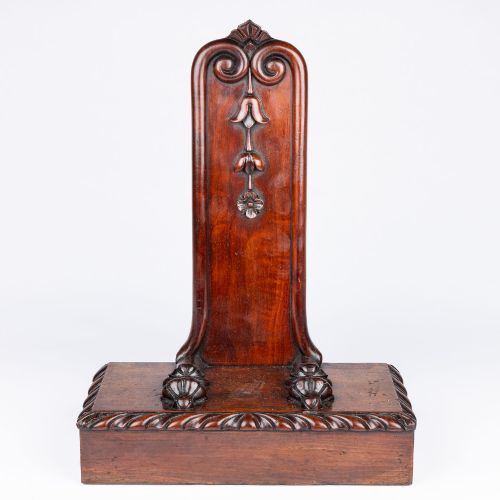
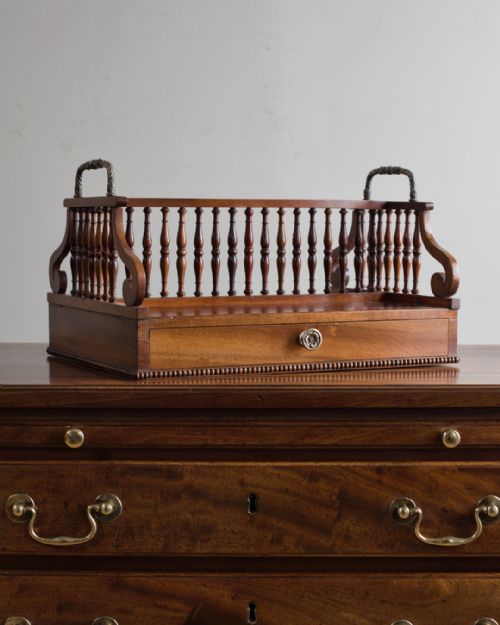
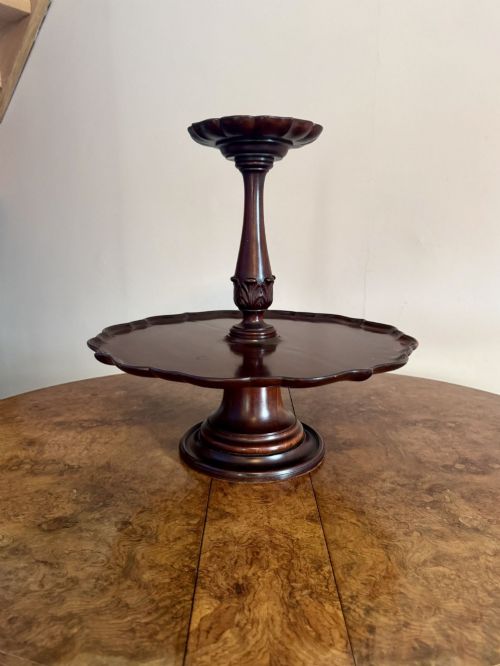
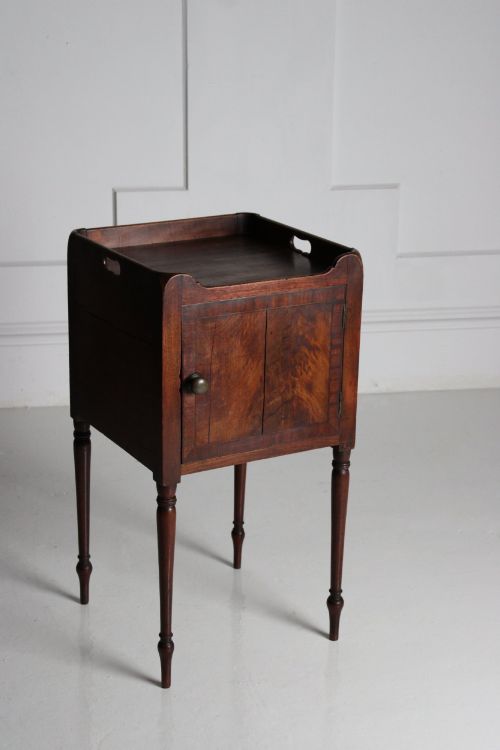
Wooden Tray with Stand
A wooden tray with stand combines portable serving surfaces with a stable base, offering a practical way to move and display items.
Wooden Tray with Stand
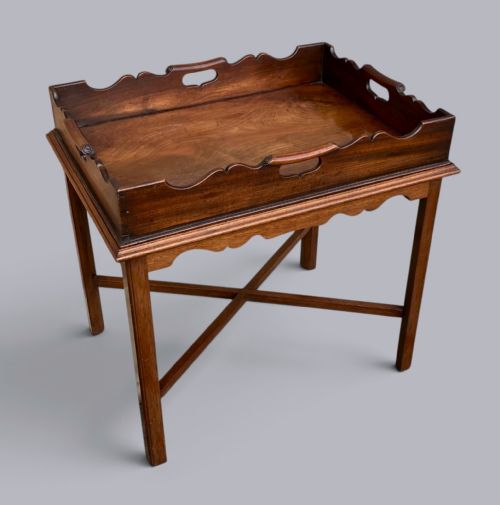
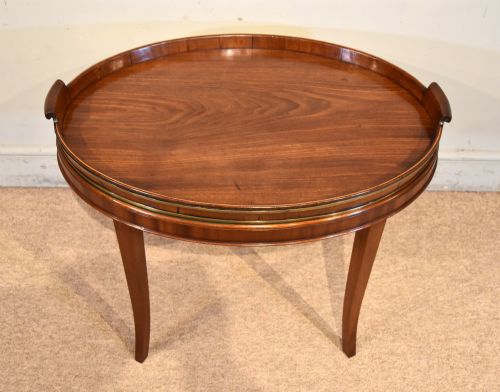
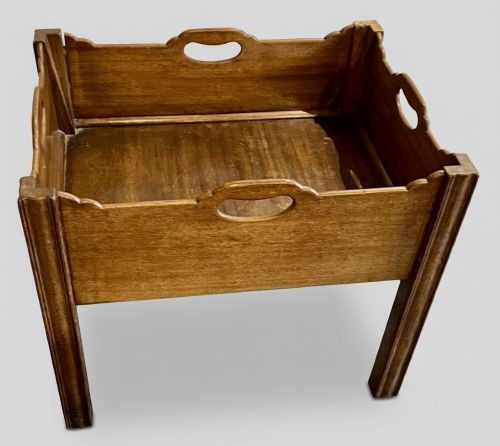
When searching for a wooden tray with stand, you encounter pieces designed primarily as butler's trays or low tables, spanning periods from the eighteenth century through to the mid twentieth century. These furnishings typically comprise a removable rectangular tray paired with a folding or fixed wooden or metal support structure, reflecting domestic utility across several eras.
The variations on this page most frequently appear in oak and mahogany, often dating from the Victorian and Edwardian periods or the 1930s. Alongside traditional butler's trays, the selection includes related wooden items on supports such as low tables with galleries and folding tray tables, demonstrating how makers adapted the basic tray and stand format for various household settings.
How they were made
Cabinet makers utilised timbers such as oak, mahogany, walnut and rosewood, often selecting solid planks or applying veneers to form the tray bases and surrounding galleries. Stands were constructed using matching or complementary hardwoods, sometimes incorporating brass hinges, handles or glass inserts to reinforce joints and add functional detail.
Construction methods range from simple pegged joinery on nineteenth century country pieces to more refined turned supports and inlaid decorative elements on Edwardian examples. Carved details and galleried edges were shaped by hand, ensuring the tray fitted securely onto its corresponding folding or rigid frame.
Wooden Tray with Stand Retail Price Guide 2026
Typical asking prices for wooden tray with stand among the pieces listed under this phrase on Sellingantiques today, from the lower quarter to the upper quarter. They describe what is for sale here now, not the wider market.
Listings feature oak and mahogany predominantly, alongside walnut and rosewood across Victorian, Edwardian, and 1930s periods.
What varies in quality
The standard of a wooden tray with stand depends heavily on the selection of timber and the precision of the joinery connecting the tray to its base. Superior pieces display well-figured grain, robust dovetail or mortise and tenon joints, and stands that lock or fold without wobble.
Refinement in carving, the presence of original brass hardware or gallery rails, and the harmony of proportion between the tray and the supporting frame distinguish finer examples from more utilitarian workshop productions.
James Shoolbred
The Wooden Tray with Stand Glossary
- Butler's tray
- A portable wooden tray with raised sides, often featuring cutout handles, designed to lift off a folding or fixed stand for serving.
- Gallery
- A raised wooden or metal border running along the edge of a tray or table to prevent items from sliding off.
- Inlay
- A decorative technique where contrasting pieces of wood or metal are inserted into recessed portions of a timber base.
- Mortise and tenon
- A traditional woodworking joint where a projecting tongue fits snugly into a corresponding cavity to secure two pieces at an angle.
Wooden Tray with Stand: Frequently Asked Questions
What is a wooden tray with stand used for?
These pieces served historically for serving drinks or meals and moving tableware between rooms, utilising a removable top that lifted straight off its folding base. Today, they function equally well as flexible side tables or display surfaces in living spaces.
Because the tray lifts away from the support, the furniture adapts easily to changing room layouts and provides portable utility whenever extra surface space is required.
How do I date a wooden tray with stand?
Dating relies on observing the timber species, construction methods, and stylistic details such as gallery shapes and leg turning. Pieces from the nineteenth century often feature heavier solid mahogany or oak with hand-cut joinery.
Later examples from the Edwardian era or the 1930s tend to show lighter construction, simpler folding frames, or veneers that reflect the prevailing manufacturing standards of those decades.
Are the trays permanently fixed to the stands?
Most traditional butler's trays lift completely free of their supporting frames, allowing the base to fold flat for convenient storage when not in use. Certain variations on this page integrate the tray more permanently into a low table structure with fixed legs.
Examining the underside of the tray and the top of the stand usually reveals whether the design intended for the surface to be removable.
Where should I place a wooden tray with stand?
These stands fit well beside armchairs or sofas as flexible low tables where drinks or books can be kept within easy reach. Their compact footprint also suits smaller corners or hallways where a rigid piece of furniture might obstruct movement.
Keeping the wood away from direct heat sources and sudden humidity changes helps preserve the finish and structural stability of both the tray and its stand.