






Wooden Tobacco Cabinet
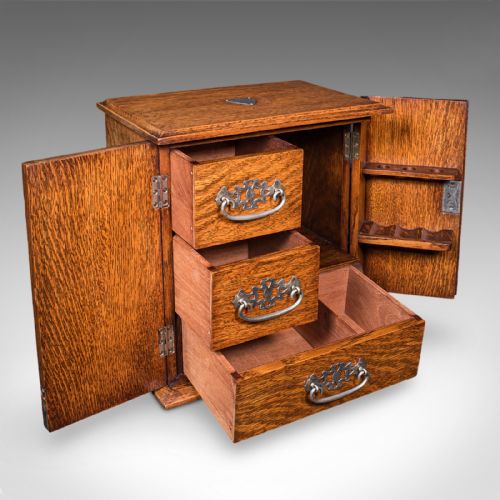
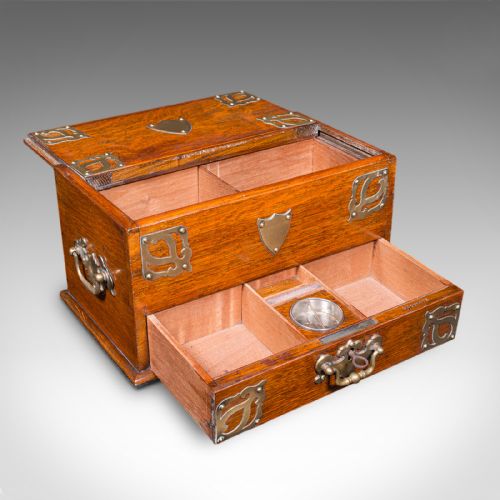
A wooden tobacco cabinet organises pipes, cigars and smoking gear in timber and brass.
Wooden Tobacco Cabinet
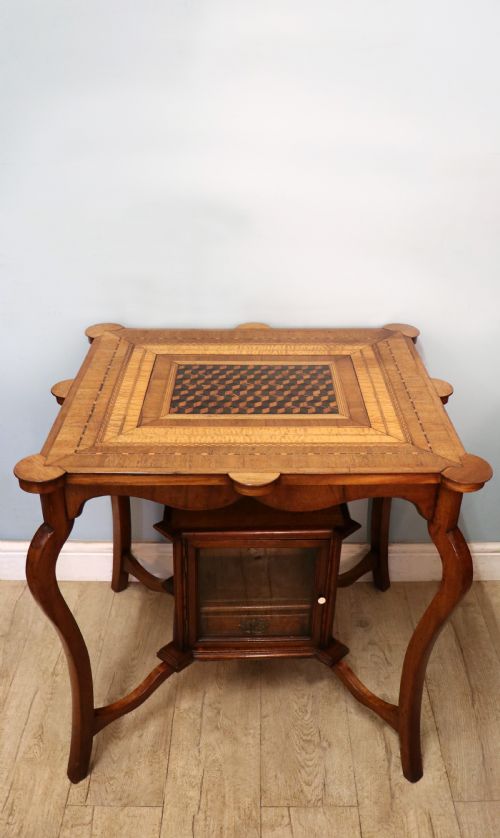
A wooden tobacco cabinet is a dedicated container for smoking equipment, designed for desks, tables and walls.
The pieces on this page span the Victorian and Edwardian eras through to the early twentieth century.
Forms include desktop humidors, smokers boxes, wall cabinets and shop display pieces.
How they were made
Cabinet makers utilised dense hardwoods such as oak, burr walnut and cedar to construct these containers.
Metal fittings in brass and copper appear alongside glass panels, leather and tambour fronts.
Wooden Tobacco Cabinet Retail Price Guide 2026
Typical asking prices for wooden tobacco cabinet among the pieces listed under this phrase on Sellingantiques today, from the lower quarter to the upper quarter. They describe what is for sale here now, not the wider market.
Listings feature oak, burr walnut and cedar across Victorian, Edwardian and early twentieth-century periods.
What varies in quality
Quality rests in the choice of timber and the precision of internal fittings like drawers and pipe racks.
Surface finish, inlay work and the presence of original locks or advertising elements elevate the piece.
The Wooden Tobacco Cabinet Glossary
- Humidor
- A cabinet or box designed to keep cigars moist. These feature cedar linings to maintain proper humidity.
- Tambour
- A sliding door made of narrow wooden slats attached to a flexible backing. This mechanism rolls along a track to conceal the interior.
- Smoker's cabinet
- A small piece of furniture built to house pipes, tobacco jars and matches. They often include locking doors for security.
- Burr walnut
- Timber taken from a walnut tree growth featuring swirling grain patterns. Cabinet makers prized this wood for decorative veneer work.
- Anglo-Indian
- A style of design combining British furniture forms with traditional Indian carving techniques. These items date primarily to the nineteenth century.
Wooden Tobacco Cabinet: Frequently Asked Questions
How were they used?
Smokers used these cabinets to store their daily supplies, including loose tobacco, cigars and smoking pipes. Many featured locking doors to keep contents private.
Tabletop and wall versions kept everything close at hand in studies, club lounges and smoking rooms.
How do I date a cabinet?
Dating depends on the timber, style and construction methods used by the maker. Victorian examples often display rich burr walnut or heavy carved details.
Edwardian pieces lean towards simpler oak designs or tambour fronts, reflecting changing domestic tastes.
Where should I place one?
These cabinets suit studies, living rooms and hallways as desktop or tabletop accessories. Wall-mounted varieties hang securely in similar rooms.
Keep them away from direct heat sources to protect the wooden structure and interior linings.