

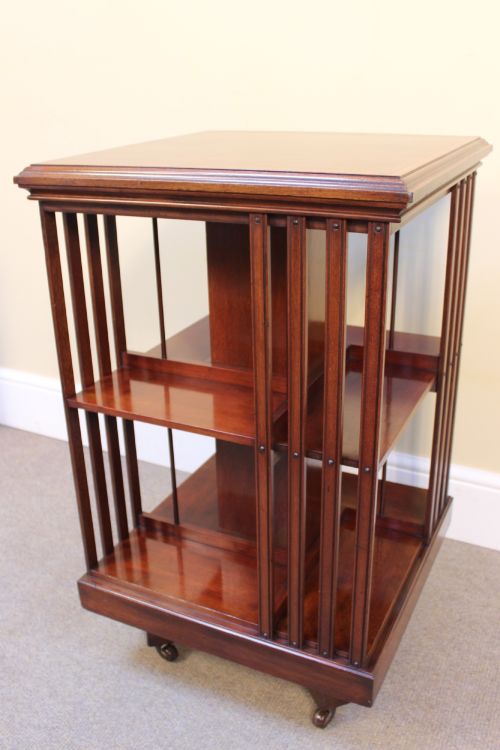
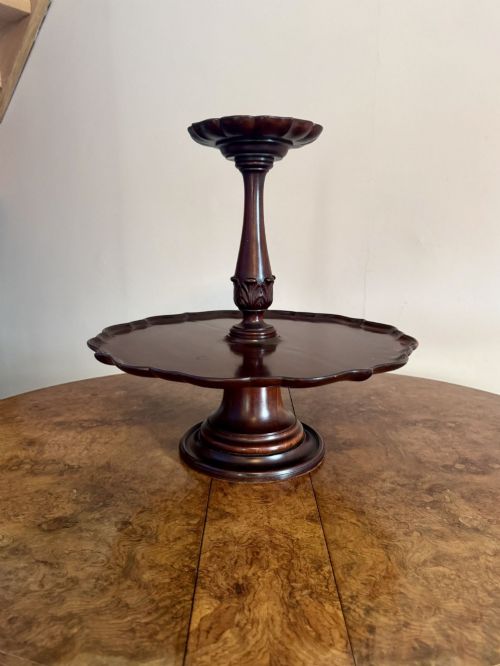
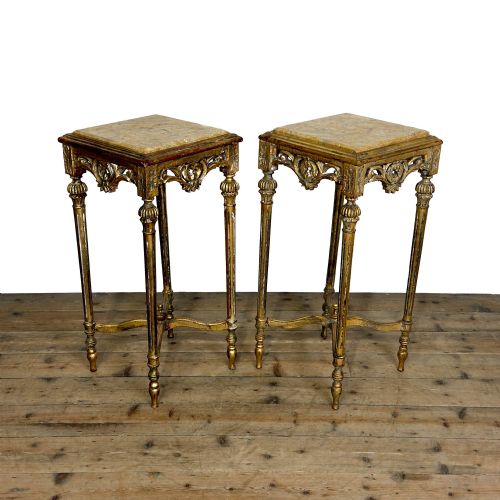
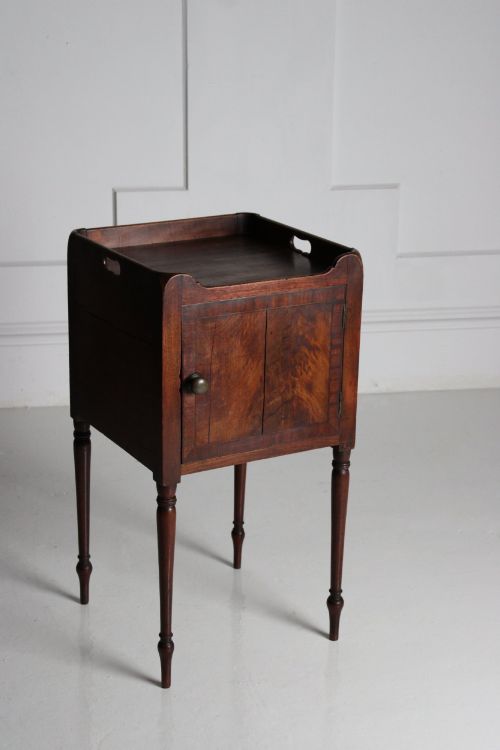
Wooden Table Stand
A wooden table stand offers a compact surface for lamps, drinks or display, bringing centuries of craftsmanship into everyday rooms.
Wooden Table Stand
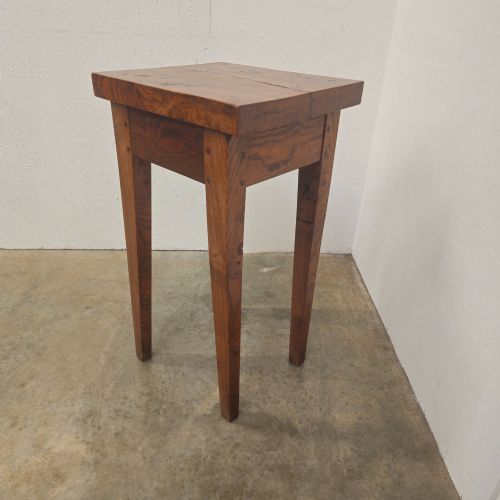
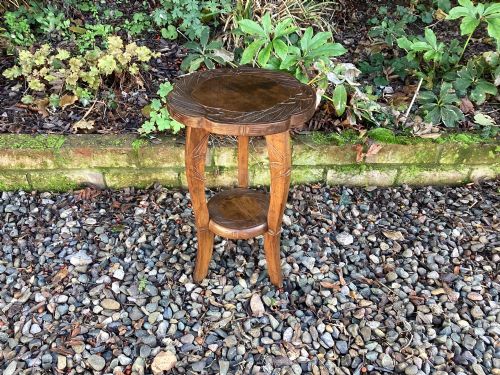
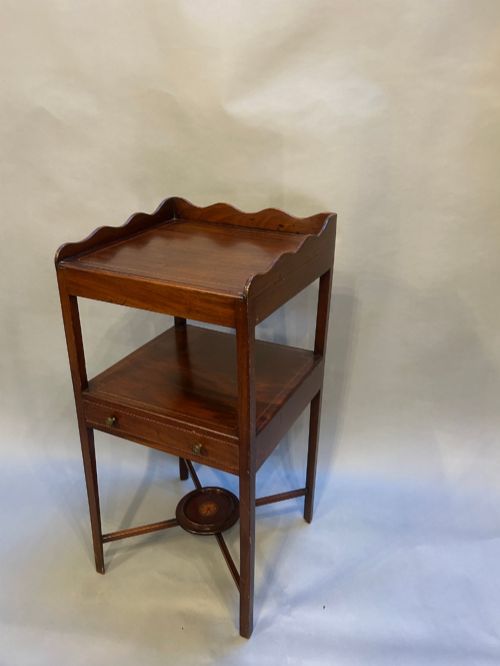
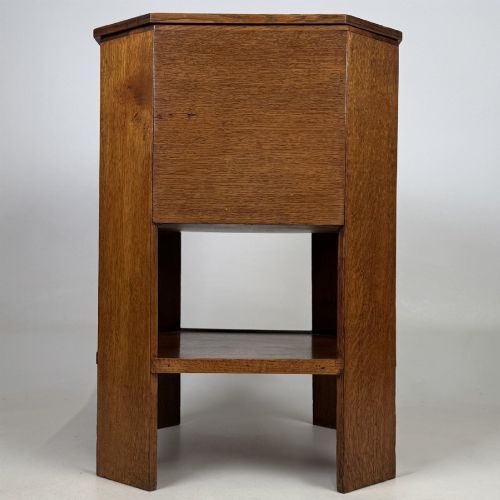
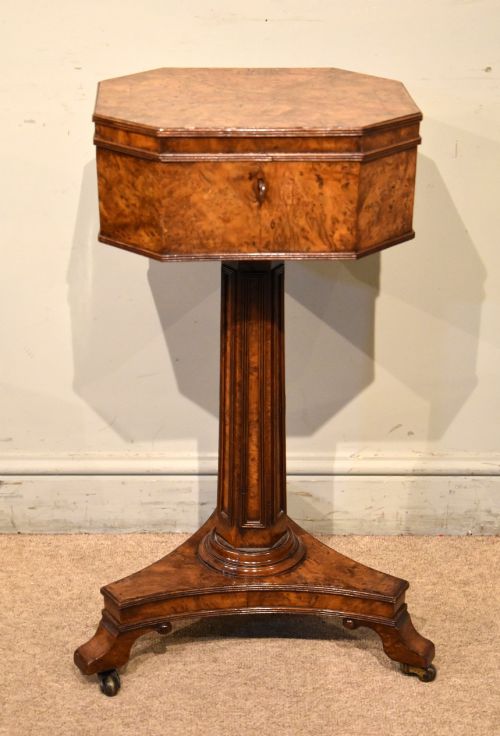
A wooden table stand encompasses versatile small furniture designed to elevate objects or serve restricted spaces. When searching for a wooden table stand, buyers encounter forms ranging from wine tables and kettle stands to plant pedestals and lamp tables.
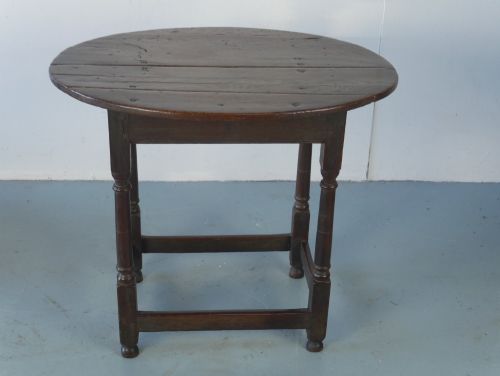
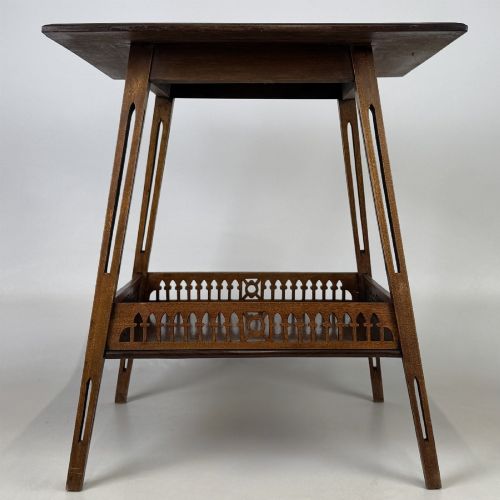
The selection spans multiple eras, drawing heavily from the eighteenth and nineteenth centuries. Pieces include Georgian tripod designs, Victorian bobbin-turned supports, Edwardian occasional tables, and Arts and Crafts oak creations.
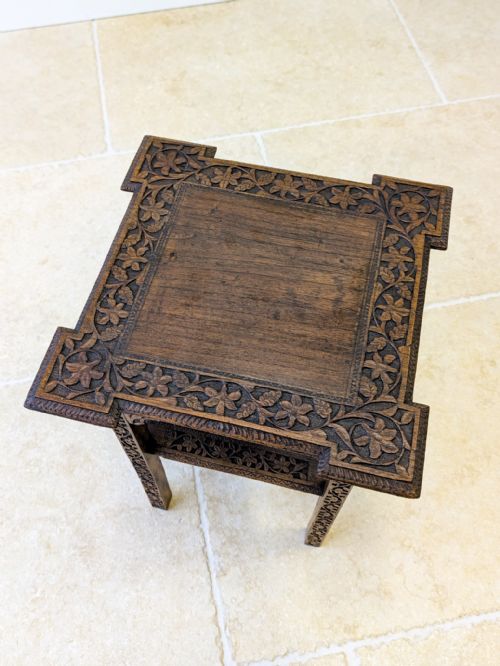
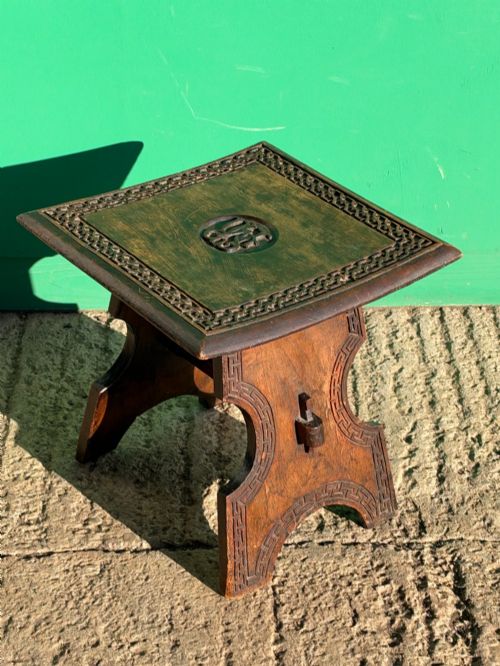
Origin and regional style also shape the selection, with English mahogany pieces appearing alongside Anglo-Indian carved tables, Chinese rosewood low tables, and Japanese examples from the early twentieth century.
Materials and construction
Makers utilised dense timbers suited to structural stability and fine turning, predominantly mahogany, oak, walnut, and rosewood. These hardwoods allowed craftsmen to fashion slender tripod legs, raised galleries, and twelve-sided tops without losing load-bearing strength.
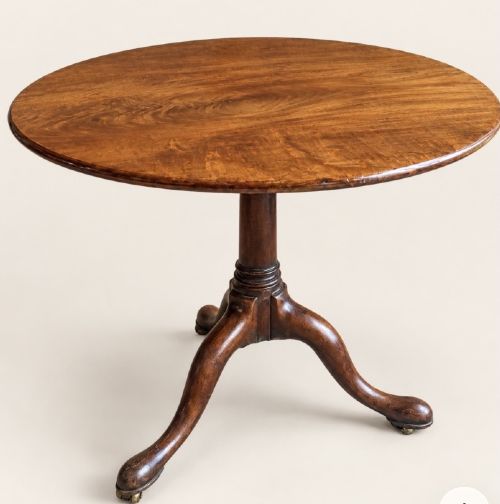
Secondary materials such as brass fittings, lacquer decoration, and glass elements complement the wood structure. Joinery techniques varied from pegged joints on earlier oak pieces to stable pillar-and-claw formations on tilt-top wine tables.
Wooden Table Stand Retail Price Guide 2026
Typical asking prices for wooden table stand among the pieces listed under this phrase on Sellingantiques today, from the lower quarter to the upper quarter. They describe what is for sale here now, not the wider market.
Object varieties span side tables, wine tables, washstands, plant pedestals, corner stands, and music canterburys.
Evaluating craftsmanship
Quality rests on the integrity of the timber selection and the precision of the carving or turning. Superior examples display crisp detail in mouldings, balanced proportions across tripod bases, and tight joinery that resists wobble.
Patina and surface finishing differentiate standard utility pieces from finer items. Hand-rubbed polish, careful grain matching, and well-preserved original hardware elevate a piece within its period style.
The Wooden Table Stand Glossary
- Tripod table
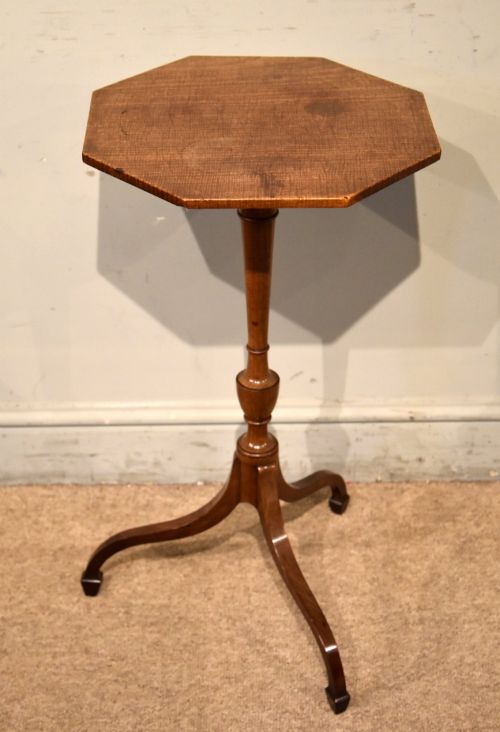
- A small freestanding table supported by a pillar above three legs. This form gained popularity during the Georgian period for flexibility in domestic rooms.
- Tilt-top
- A tabletop hinged to the central pillar so it can tilt vertically when not in use. This mechanism allowed tables to be stored flat against a wall.
- Gallery
- A raised wooden border running along the edge of a tabletop. Galleries prevent items such as lamps or decanters from sliding off.
- Canterbury
- A low stand featuring partitions, originally designed for sheet music or folios. These pieces often include integrated drawers or carrying handles.
- Whatnot
- An open set of multiple shelves supported by vertical pillars. These stands were utilised in nineteenth-century interiors to display ornaments and books.
Wooden Table Stand: Frequently Asked Questions
What is a wooden table stand used for?
These pieces serve as functional surfaces for task lighting, bedside storage, or displaying decorative objects.
Their compact footprints make them suitable for corners, halls, and beside seating where full-sized furniture will not fit.
How do I identify a Georgian wooden table stand?
Georgian pieces frequently feature solid mahogany construction, tripod legs ending in pad or claw-and-ball feet, and sometimes tilt-top mechanisms.
Proportions remain restrained, relying on classical turning rather than heavy ornamentation.
Are Victorian wooden table stands durable?
Victorian stands utilise robust hardwoods like walnut and oak, often reinforced with turned or bobbin-carved structural elements.
Properly maintained joints and sound timber ensure these tables withstand regular daily use.
Where should I place a plant stand or pedestal?
Pedestals suit corners, window spaces, or empty wall expanses where height variation benefits the room.
They provide a secure platform to elevate trailing foliage or sculptural vases away from floor traffic.