







Wooden Storage Baskets
These wooden storage baskets bring honest utility and character to a room, offering practical containment with centuries of craftsmanship behind them.
Wooden Storage Baskets
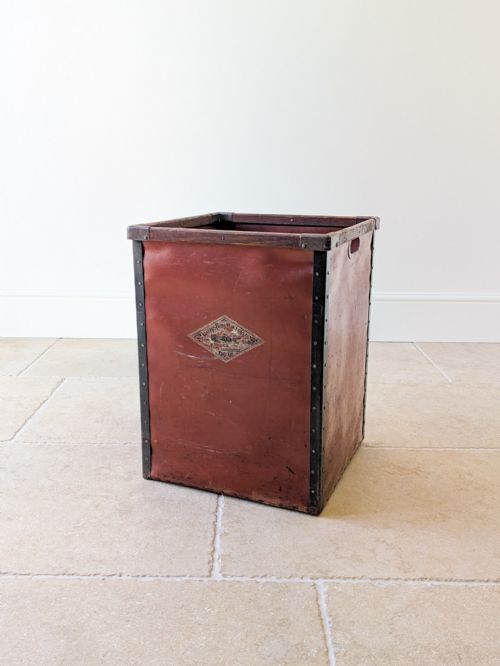
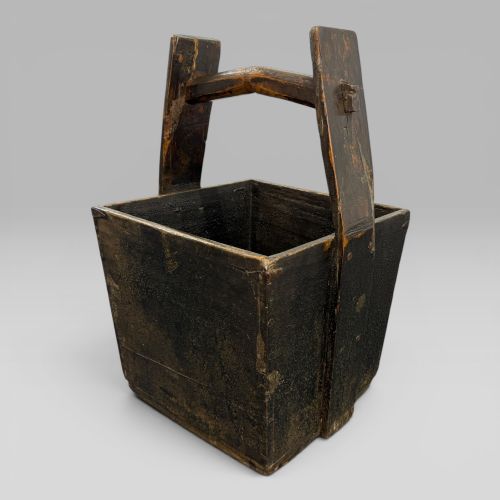
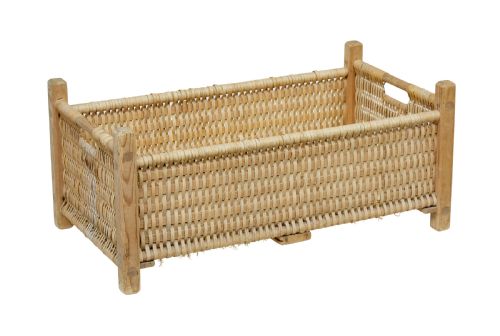
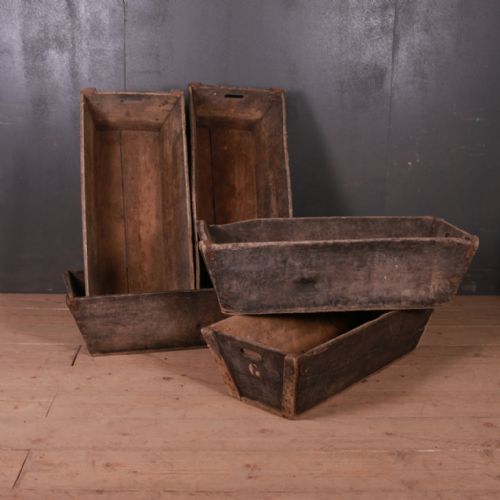
When you search for wooden storage baskets, you are looking at functional vessels shaped by rural and industrial needs, spanning the nineteenth century through to the Edwardian period. The selections here lean heavily toward Scandinavian hand-woven pine baskets, alongside substantial elm harvest bins and robust log carriers.
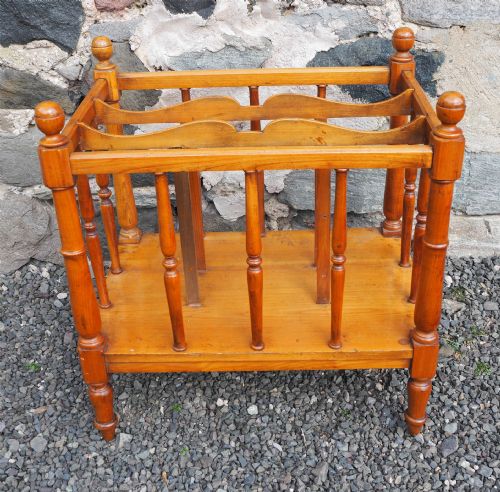
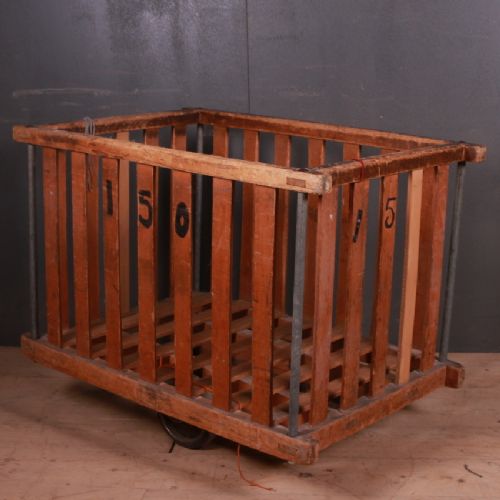
You will encounter various forms designed for specific domestic and work tasks, including fireside coal bins, coopered barrels, and magazine holders. These pieces bridge the gap between utilitarian workshop tools and rustic home organisation.
The materials reflect their demanding origins, utilising sturdy pine, oak, elm, and fruitwood, often reinforced with iron or brass fittings. Their presence in a modern interior brings a grounded, tactile quality rooted in practical history.
How they were made
The construction of these pieces relies on traditional carpentry and hand-weaving techniques suited to tough natural materials. Makers employed flexible woods like pine splints and fruitwood, weaving them tightly to create resilient walls capable of bearing heavy loads.
Heavier containers utilise traditional coopering methods, joining staves of oak or elm with metal bands to form barrels and bins. Iron and brass hardware frequently reinforce corners and handles, ensuring the structures endure decades of utilitarian service.
Wooden Storage Baskets Retail Price Guide 2026
Typical asking prices for wooden storage baskets among the pieces listed under this phrase on Sellingantiques today, from the lower quarter to the upper quarter. They describe what is for sale here now, not the wider market.
Listings feature nineteen-century pieces alongside Edwardian industrial bins, utilising pine, oak, elm, and iron.
What varies in quality
The distinction between ordinary utility items and superior examples lies in the integrity of the weave and the quality of the timber selection. Finer pieces display an even, tight hand-weave with minimal split breakage, alongside well-matched staves in coopered items.
Original hardware, such as hand-forged iron handles and period brass brackets, elevates a piece significantly compared to later replacements. The overall structural rigidity, preserved patination on the bare wood, and untouched surfaces separate superior survivals from heavily altered examples.
Liberty London
The Wooden Storage Baskets Glossary
- Coopered
- Built by joining narrow wooden staves together with metal bands, traditionally used for barrels and heavy bins. This method provides immense structural strength for containing dense materials like logs or grain.
- Pine splint
- Thin strips of pine wood peeled or split from the log and interwoven to form flexible yet sturdy basketry. It is a defining characteristic of nineteenth-century Scandinavian utility pieces.
- Harvest basket
- A large, durable vessel designed for gathering crops or field materials, typically featuring a reinforced base and a strong carrying handle. Chinese elm examples show distinct regional joining techniques.
- Log carrier
- A specialised fireside receptacle built to transport and store firewood cleanly beside a hearth. Examples range from simple open wooden troughs to fitted units with metal accents.
- Trug
- A shallow horticultural container traditionally made from thin strips of wood. Victorian examples adapted this garden form for light domestic storage and kitchen work.
Wooden Storage Baskets: Frequently Asked Questions
How do I clean an old pine basket?
Dust the woven surfaces gently using a soft, dry brush to remove settled debris without disturbing the dry pine fibres.
Avoid using water or chemical cleaners, as moisture can warp the aged wood and degrade the historic patina.
Were these baskets meant for logs?
Many of these vessels, particularly the nineteenth-century Scandinavian pine examples and Edwardian industrial bins, served heavy-duty domestic roles near the hearth.
Their robust timber construction makes them well-suited for holding firewood today.
How can I tell a nineteenth-century piece apart?
Look closely at the construction methods, such as hand-split pine splints, hand-forged iron nails, and traditional joinery rather than modern fasteners.
Surface wear and deep, unforced patination also indicate genuine age from the nineteenth century.
Can I use these baskets in a modern kitchen?
These rustic containers provide excellent storage for linens, dry goods, or root vegetables while adding texture to contemporary spaces.
Ensure the interior is clean and line the base with fabric if storing delicate items against rough wood.