





Wooden Stave Bucket
These wooden stave bucket examples are coopered vessels in oak, mahogany, and pine, prized for holding logs, wine, and plants.
Wooden Stave Bucket
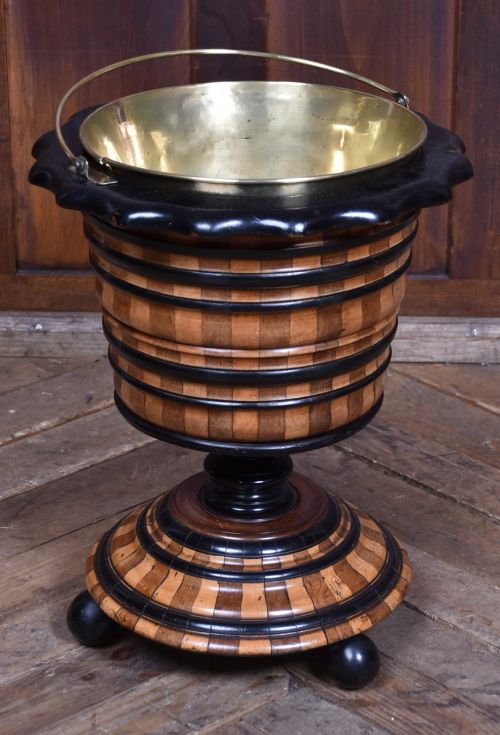
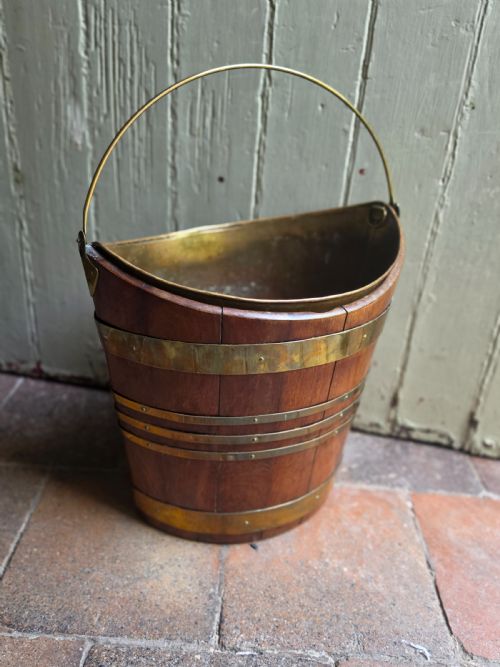
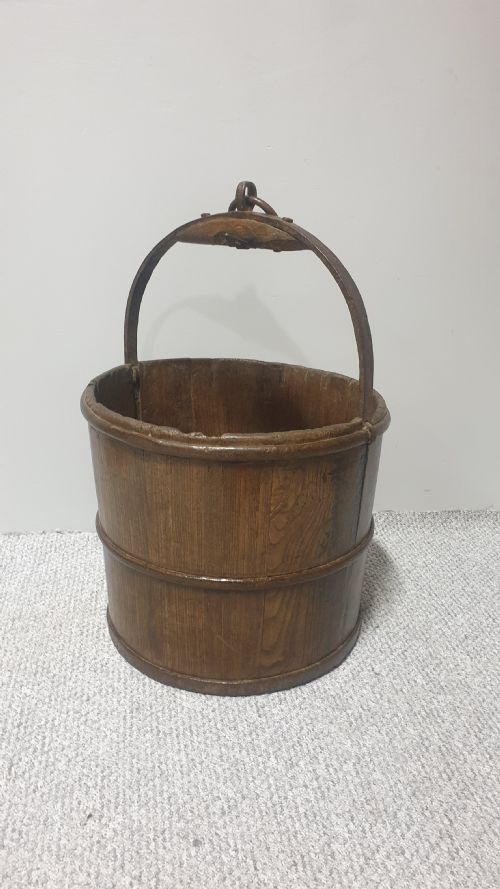
A wooden stave bucket is a coopered vessel formed from vertical wooden staves held together by metal bands such as brass or iron. Buyers searching this phrase encounter forms ranging from Georgian wine coolers and plate buckets to Edwardian jardinieres, log bins, and peat buckets.
The most common versions on this page are mahogany, oak, and pine vessels dating from the eighteenth and nineteenth centuries. These items frequently double as plant stands, storage barrels, and fireside containers.
Origins span English Georgian workshops, Scottish cooperage, Dutch teestoofs, and Scandinavian country pieces. Each regional variation demonstrates distinct proportions and functional adaptations for holding fuel, liquids, or earth.
How they were made
Makers shaped individual timber staves with bevelled edges to form tight conical or cylindrical walls, securing them with encircling bands of brass or iron. Woods like mahogany, walnut, oak, and pine provide the structural body for these coopered items.
Metal liners, brass drop handles, and copper or iron hoops strengthen the vessel and protect the wood from moisture. Ebonised finishes and mixed hardwoods also appear across the surviving pieces.
Wooden Stave Bucket Retail Price Guide 2026
Typical asking prices for wooden stave bucket among the pieces listed under this phrase on Sellingantiques today, from the lower quarter to the upper quarter. They describe what is for sale here now, not the wider market.
Listings feature oak, mahogany, walnut, and pine across eighteenth-century Georgian, nineteenth-century, and Edwardian periods.
What varies in quality
Quality rests in the precision of the cooperage, the weight and finish of the metal bands, and the selection of timber figure such as mahogany or walnut. Superior examples retain original brass liners, handles, and feet that match the period of the staves.
Later George III style reproductions and utilitarian pine storage barrels sit at a different level from eighteenth-century George III wine coolers and Dutch teestoofs. The integration of fine dovetailing, tight stave joints, and untouched patina separates utilitarian vessels from high-status containers.
The Wooden Stave Bucket Glossary
- Coopered
- Built from curved wooden staves fitted together and bound with hoops, a method used for barrels, tubs, and buckets. This traditional technique ensures the vessel holds its shape under pressure.
- Teestoof
- A Dutch container traditionally used to hold a foot warmer or fuel, often fitted with a brass liner. These pieces reflect specific domestic warming customs.
- Jardiniere
- An ornamental pot or stand designed for holding plants or flowers. They appear in oak, mahogany, and coppered variants.
- Treen
- Small handmade wooden objects for domestic use. This term covers unusual containers intended for specific tasks like collecting wine dregs.
- Stave
- One of the narrow vertical strips of wood that form the sides of a bucket or barrel. Staves are shaped precisely to create a watertight or secure cylinder when bound.
Wooden Stave Bucket: Frequently Asked Questions
What were wooden stave buckets used for?
These vessels served diverse household functions, from chilling wine and storing fireplace logs to holding peat and displaying plants. Wealthy Georgian dining rooms utilised mahogany plate buckets and wine coolers alongside the hearth.
Other regional variants functioned as storage barrels, plant stands, or specialised containers like Dutch teestoofs. Their robust coopered construction allowed them to handle heavy contents safely.
Are these buckets watertight?
While coopered vessels were originally designed to hold liquids or ice for cooling wine, antique examples often dry out over the centuries. Small gaps can form between the wooden staves as the timber ages and responds to modern indoor climates.
Many pieces now function effectively as log bins, plant holders, or dry storage containers rather than liquid vessels. Inserting a modern waterproof liner allows you to use a historic piece safely for fresh plants.
How can I tell a Georgian bucket apart from later pieces?
Georgian pieces frequently feature high-grade timber like figured mahogany or walnut, paired with substantial brass bands and drop handles. The joinery, timber grain, and patination reflect eighteenth-century cabinet-making standards.
Later Edwardian or George III style reproductions often display standardised machine-cut elements and different wood preparation methods. Examining the interior, the type of metal fixings, and the wear patterns helps distinguish original period items from later revivals.