

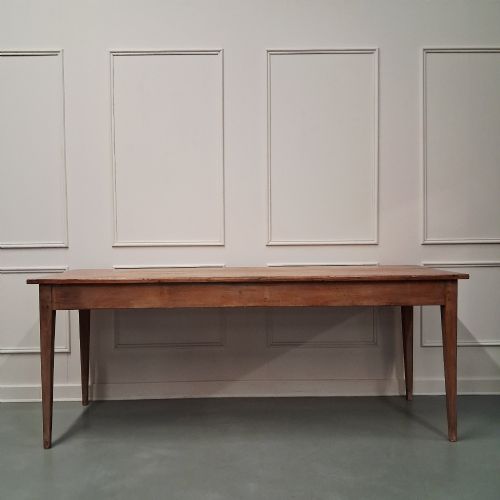
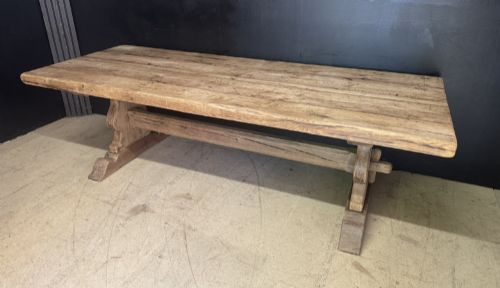
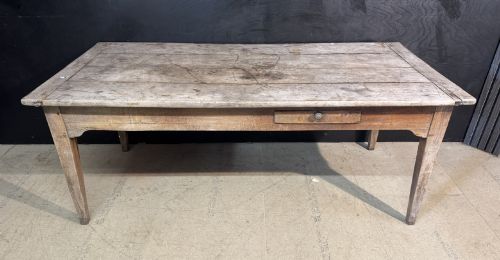
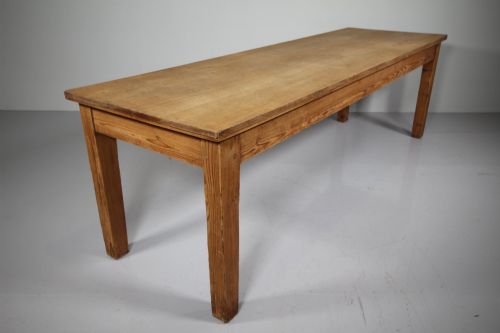


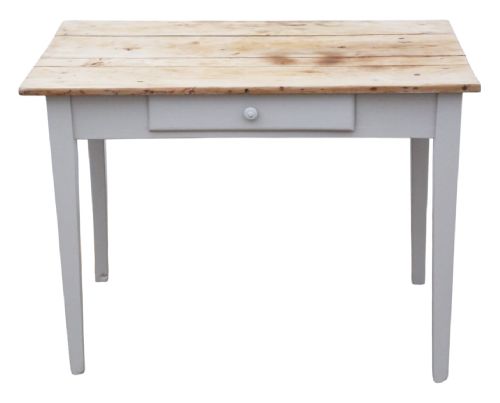

Wooden Scrub Top Table
A wooden scrub top table brings honest utility to a room, offering a pale, well-scrubbed surface designed for daily preparation and dining.
Wooden Scrub Top Table
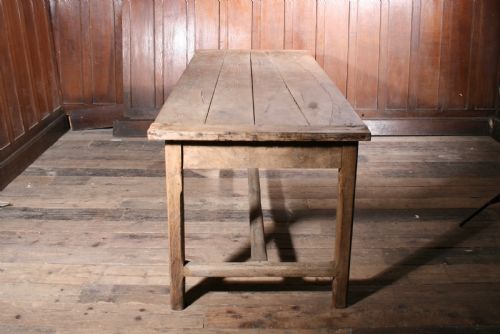
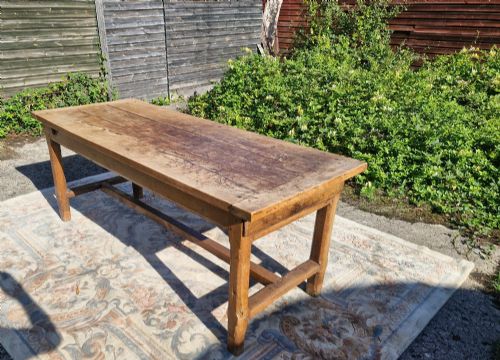
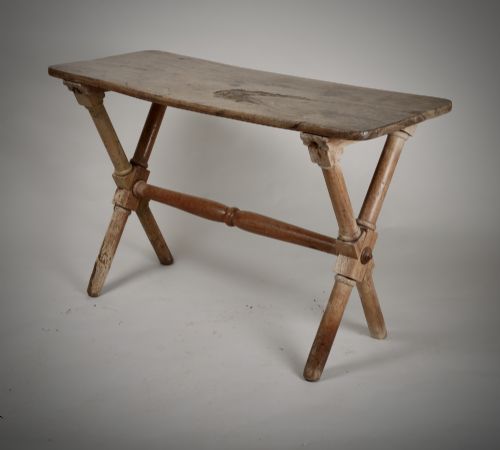
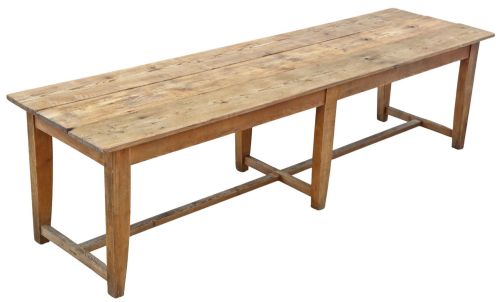
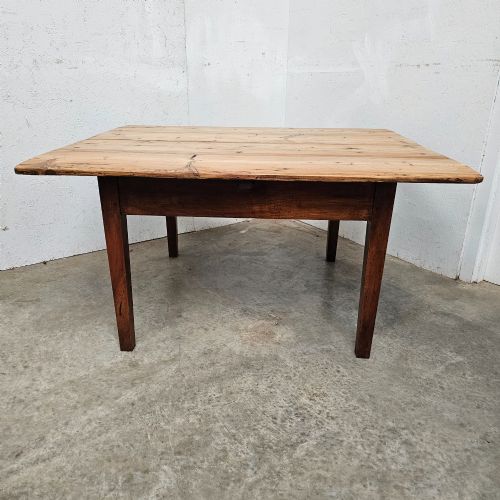
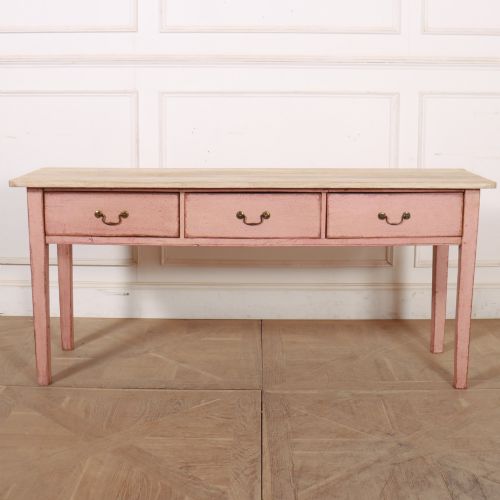
When you search for a wooden scrub top table, you find pieces built for hard domestic work rather than formal dining. The examples seen here range from large English and French farmhouse tables to smaller tavern, prep, and dairy tables.
Most pieces date from the 19th century and the Victorian era, constructed in formats like refectory, trestle, and simple dining tables. Pine and oak dominate the forms, frequently paired with painted legs or timber frames.
Regional variations appear across English, French, and Scandinavian styles, including Welsh dairy boards and Italian trestles. These functional items served kitchens, pantries, and workrooms before finding a place in modern homes.
How they were made
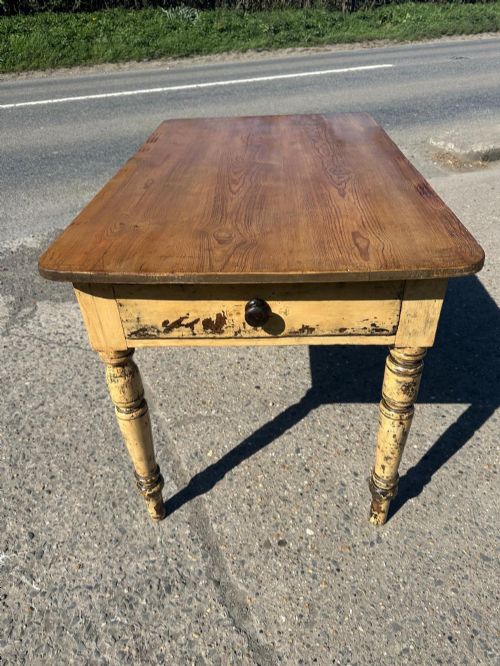
Makers built these tables using sturdy timbers suited to heavy labour, combining pine scrub tops with oak, fruitwood, sycamore, elm, or ash frames. Many pieces feature later or original paintwork on the bases, applied to protect the softer woods of the structure.
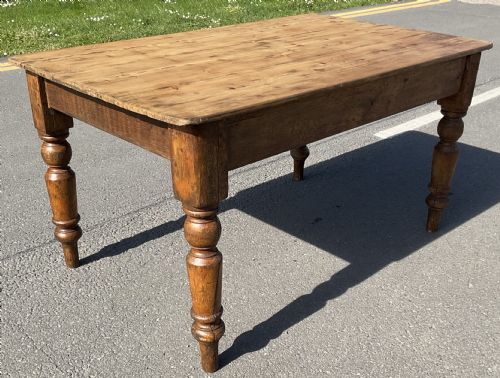
Construction techniques prioritised durability and stability, visible in trestle designs, refectory framing, and pegged joints. Plain timber boards formed the tabletops, which were repeatedly scrubbed with water and sand to maintain hygiene in kitchens and dairies.
Wooden Scrub Top Table Retail Price Guide 2026
Typical asking prices for wooden scrub top table among the pieces listed under this phrase on Sellingantiques today, from the lower quarter to the upper quarter. They describe what is for sale here now, not the wider market.
Listings for a wooden scrub top table show materials spanning pine, oak, sycamore, elm, ash, and fruitwood across 19th-century and Victorian periods.
What varies in quality
The character of the timber and the honesty of the wear define the upper tier of these tables. Sycamore, fruitwood, and scrubbed oak command attention when the grain shows deep patination from decades of use.
Originality in the painted bases and the depth of the scrubbed top separate ordinary examples from exceptional ones. Tables retaining untouched layers of old paint or well-proportioned trestle structures hold greater visual weight.
The Wooden Scrub Top Table Glossary
- Scrub top
- A tabletop finished by vigorous washing rather than heavy polishing, leaving the bare wood pale and smooth. This surface was standard for food preparation in kitchens and dairies.
- Trestle table
- A table comprising two or more supports connected by a horizontal beam holding a long top. This format allows maximum legroom along the length of the board.
- Refectory table
- A long, narrow dining table traditionally used in communal halls and large farmhouses. These pieces often feature substantial timber framing and stretcher bases.
- Tavern table
- A compact, sturdy table designed for commercial alehouses or domestic dining. They typically feature robust legs and plain tops suited to heavy daily use.
- Patina
- The surface sheen and colour acquired by wood and paint through age and frequent handling. It indicates the gradual accumulation of wear over generations.
Wooden Scrub Top Table: Frequently Asked Questions
How do I clean a scrub top?
Scrub the timber gently along the grain using warm water and a mild soap with a stiff brush. Rinse thoroughly and allow the wood to dry naturally.
Avoid harsh chemical detergents or soaking the planks, as excessive moisture can warp the antique timber and raise the grain.
Can I use these tables for dining?
These pieces function well for daily meals, bringing a relaxed and unpretentious character to dining spaces. Their working origins mean they accommodate family life easily.
Pair them with simple chairs or benches to match the rustic proportions and historic finish of the base.
What woods were used?
Makers utilised pine for scrubbed tops due to its light colour and ease of cleaning. Frames and legs frequently incorporate oak, ash, elm, sycamore, and fruitwood.
Painted timber bases are also common, showing historic layers of colour beneath subsequent patination.
How do I date a table?
Dating relies on construction methods, timber selection, and tool marks visible on the underside of the top and framing. 19th-century and Victorian examples often feature hand-sawn boards and pegged joinery.
Comparing the style of the legs, such as trestle supports or turned pine legs, helps narrow the period of manufacture.