



Wooden Scientific Box
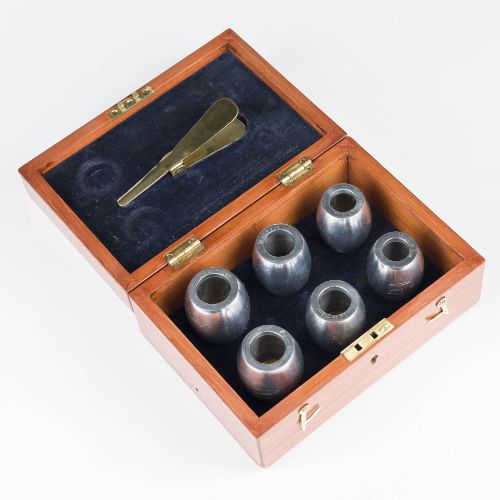
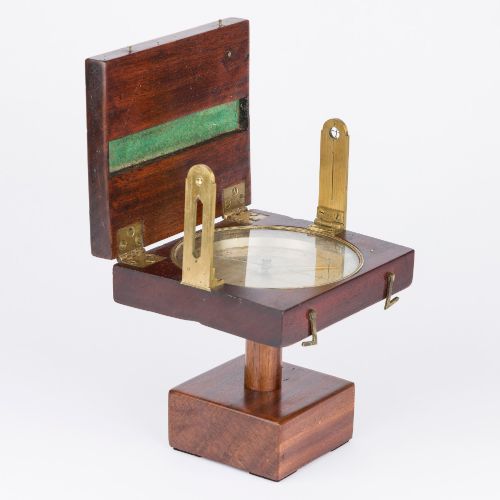
These wooden scientific box examples are fitted cases housing instruments, compasses, and slide collections made to endure fieldwork, laboratory analysis, and official standardisation.
Wooden Scientific Box
A wooden scientific box encompasses fitted enclosures designed to protect delicate apparatuses such as surveyors compasses, hydrometer sets, and beam scales. These containers serve travelling explorers, inspectors, and laboratory scientists across domestic and maritime contexts.
The selections available here span Georgian, Victorian, and Edwardian periods alongside mid-century examples. Common formats include microscope slide cabinets, travelling compasses, and specialised measuring instrument cases.
Makers construct these housings primarily to secure functional tools against transit damage and environmental shifts. Collectors find both portable pocket sundials and substantial cabinetry designed for extensive specimen storage.
How they were made
Workshops utilise dense hardwoods such as mahogany and walnut to form sturdy exterior shells capable of withstanding heavy daily use. Craftsmen line the interior compartments with velvet or paper to cushion delicate glass slides and brass mechanisms.
Makers integrate brass hardware, including hinges, carrying handles, and locking latches, to reinforce the wooden structures. Internal dividers and slots are custom-fitted to hold specific measuring instruments, compasses, and scales securely in place.
Wooden Scientific Box Retail Price Guide 2026
Typical asking prices for wooden scientific box among the pieces listed under this phrase on Sellingantiques today, from the lower quarter to the upper quarter. They describe what is for sale here now, not the wider market.
Some surveyors clearly needed reliable navigation alongside a sturdy lunch, judging by the robust construction of these pocket compass cases.
What varies in quality
Quality rests upon the precision of the internal joinery and the integration of specialised fittings designed for particular instruments. Superior examples display meticulous hand-finishing in the wood selection and robust mounting of brass hinges and locks.
The sophistication of the internal organisation marks the difference between standard utility pieces and finer items. Cabinets featuring numerous dedicated drawers for glass slides or complex fitted instrument nests represent higher tiers of craftsmanship.
De Grave Short & Co·G. Davis of Leeds·Samuel Porter·Stanley London·Swift & Son
The Wooden Scientific Box Glossary
- Mahogany
- A durable hardwood commonly used for the exterior casing of scientific instruments and cabinets. Its stability makes it ideal for protective enclosures.
- Hydrometer
- An instrument utilised for measuring the specific gravity of liquids. These sets are housed in fitted wooden boxes with specialised compartments.
- Collector Cabinet
- A specialised piece of furniture or box featuring multiple small drawers designed for storing microscope slides or small specimens.
- Beam Scale
- A weighing instrument consisting of a horizontal lever with arms of equal length. These precision tools require robust wooden cases for secure transport.
Wooden Scientific Box: Frequently Asked Questions
How were microscope slide cabinets used?
Microscope slide cabinets served laboratories, medical professionals, and private naturalists as organised storage systems for glass specimens. The shallow drawers kept individual slides flat, separated, and protected from dust and light.
Many of these cabinets held hundreds of prepared specimens, allowing researchers to categorise and retrieve biological or geological samples efficiently during study.
How do I identify the period of a box?
Dating relies on examining the timber species, construction methods, brass hardware styles, and any accompanying maker signatures or stamps. Georgian and Victorian examples often feature hand-cut dovetailing and heavy brass campaign handles.
Later Edwardian and mid-century pieces display machine-standardised joints and different interior lining materials. Consulting maker records associated with names on the instruments helps narrow the date range.
How should I care for wooden scientific boxes?
Maintain these boxes in stable indoor environments away from direct sunlight and extreme humidity fluctuations to protect the wood and internal velvet linings. Occasional dusting with a soft, dry cloth preserves the polished exterior finish.
Avoid applying modern chemical polishes, which can damage historic timber surfaces and degrade original paper or fabric interior components over time.