

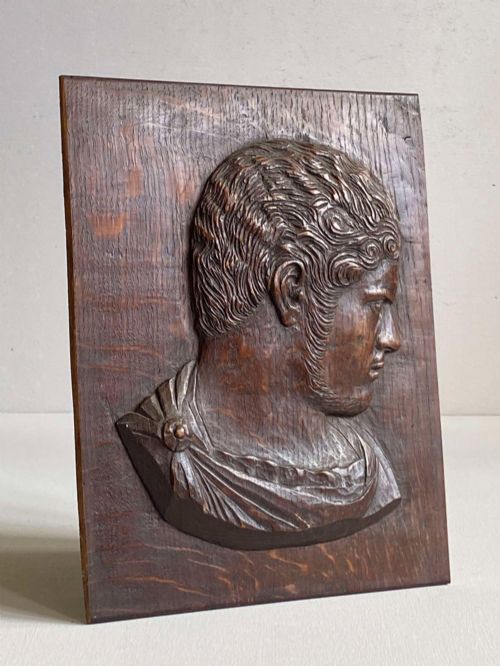
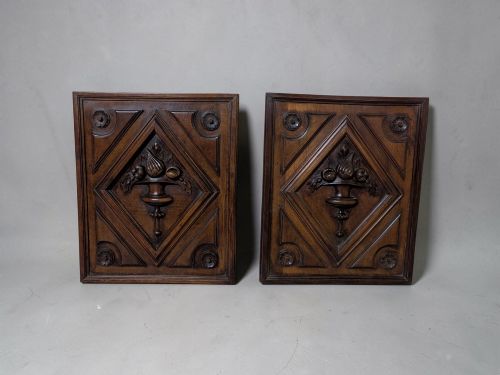
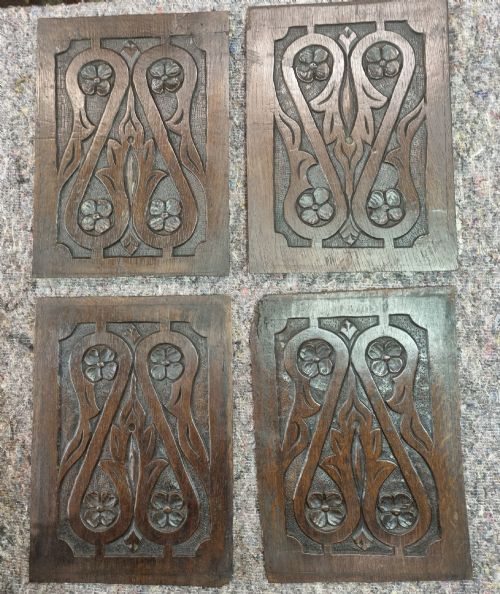
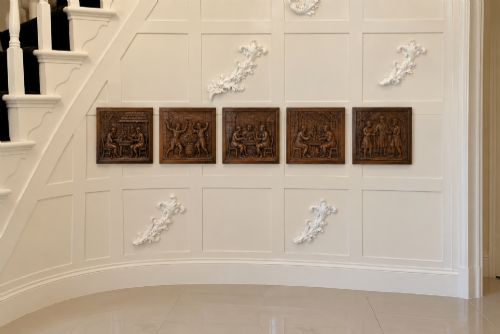
Wooden Relief Plaque
A wooden relief plaque brings tactile depth to a wall, combining sculptural form with the warmth of carved timber.
Wooden Relief Plaque
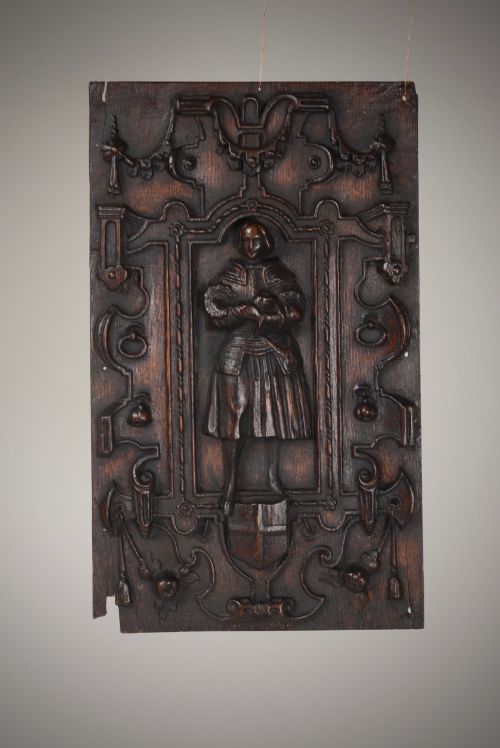
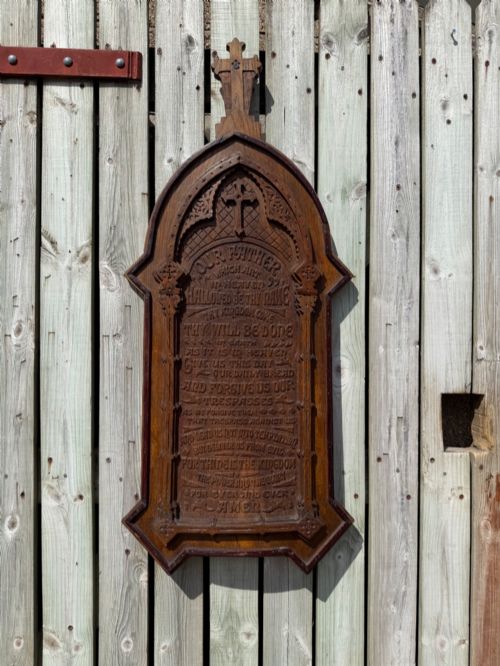
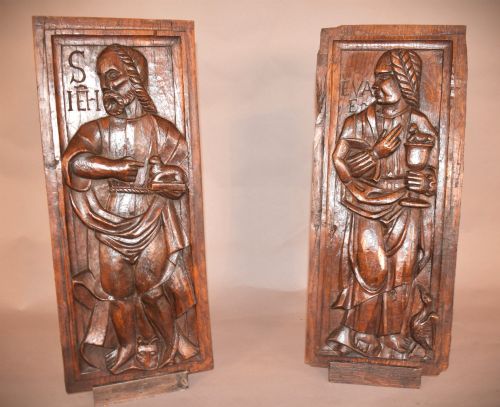
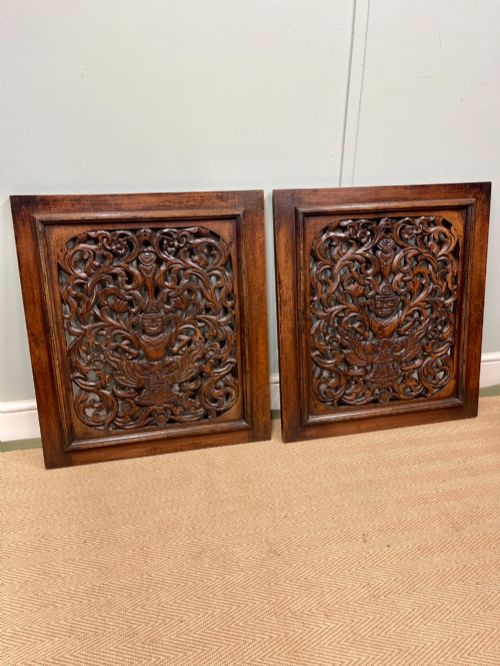
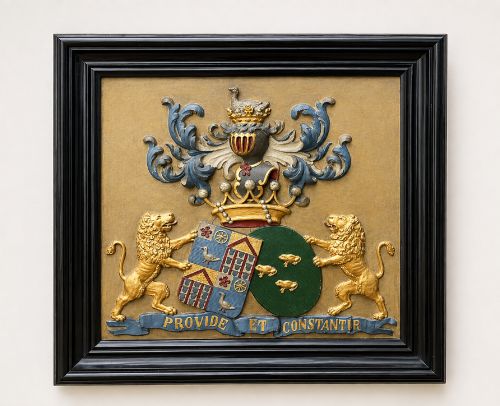
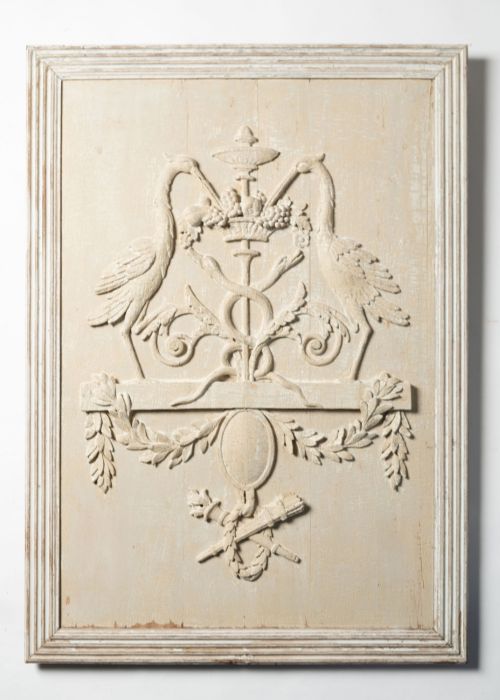
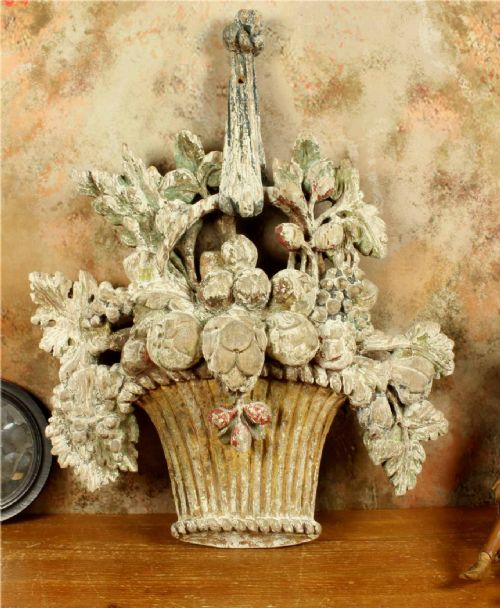
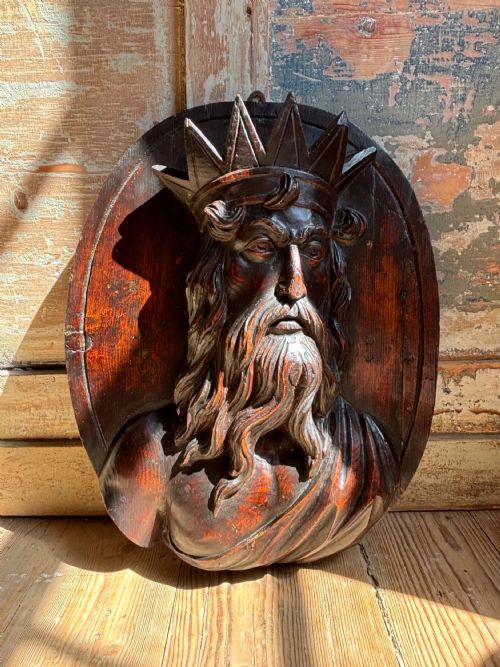
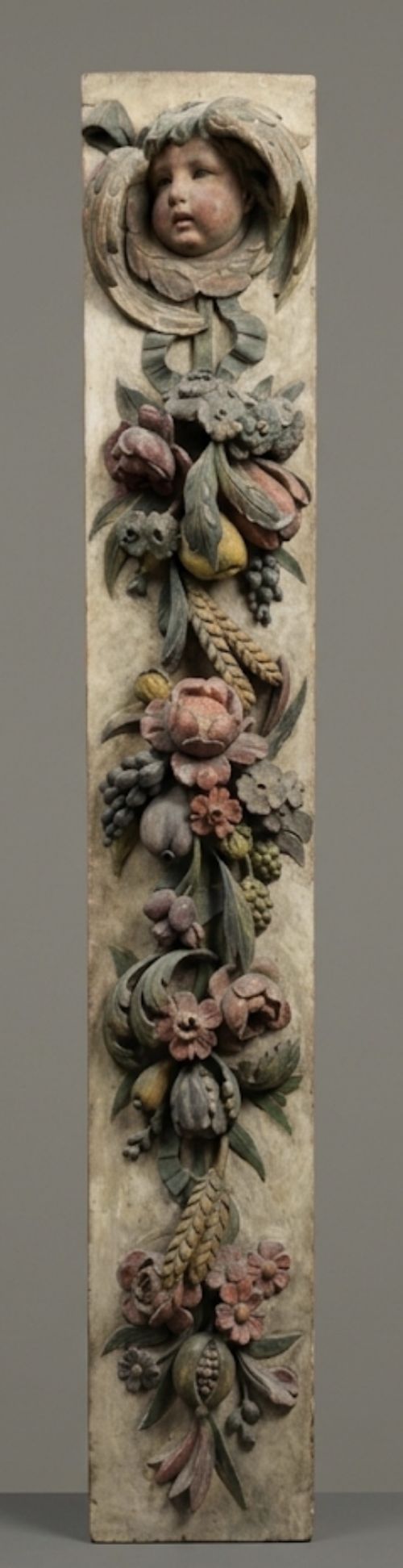
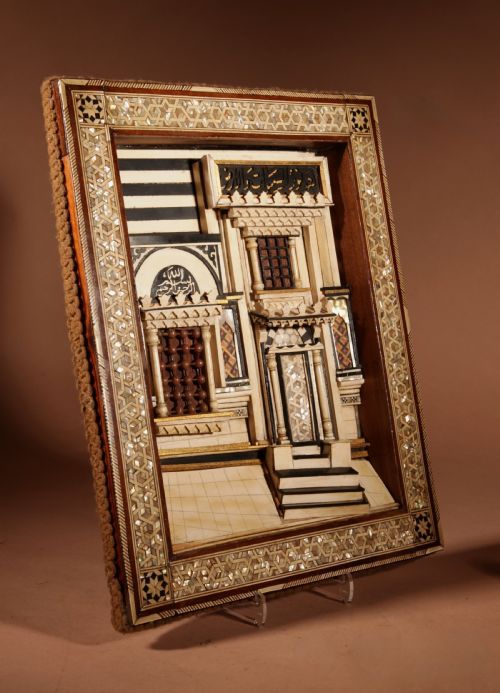
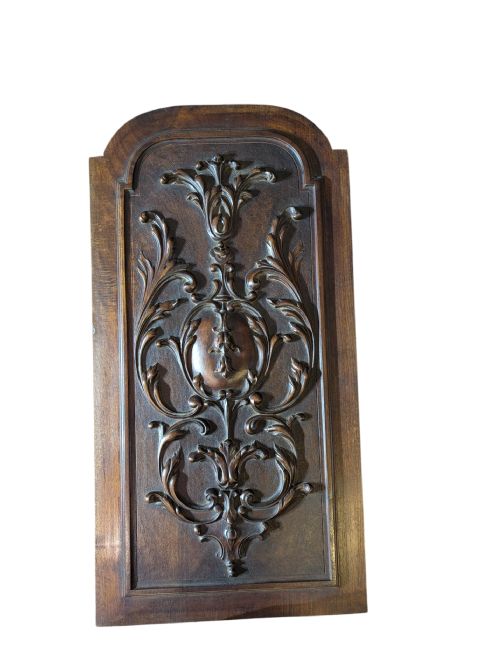
A wooden relief plaque takes the form of a carved wall panel, architectural salvage, or framed sculptural artwork designed to project from a surface. These pieces emerge from traditions spanning the seventeenth through the nineteenth centuries, capturing subjects from religious scenes to heraldic crests and natural histories.
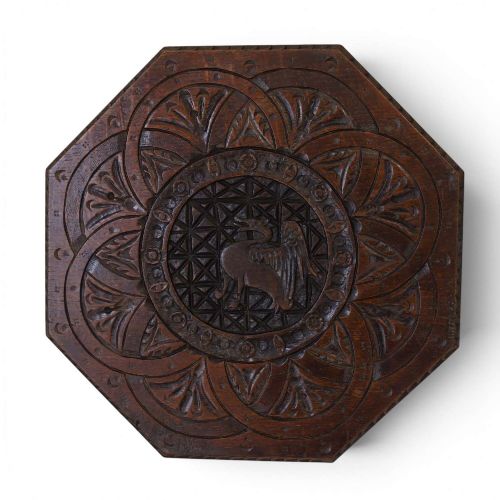
The most common examples encountered on this page are carved oak panels and decorative wall plaques from the Victorian and earlier periods. Pieces range from singular portraits and tavern scenes to matching pairs and multi-part sets originating from European and Asian workshops.
Makers utilised various timber types to produce architectural fragments, marriage plaques, and pictorial carvings intended for interior display. Each object preserves the hand of the carver within the limits of its historical period and regional style.
How they were made
Carpenters and carvers shaped these pieces primarily from dense hardwoods like oak, walnut, and chestnut, using gouges and chisels to create varying depths of relief. Some items incorporate secondary woods such as fruitwood, while others display traces of polychrome paint, lacquer, or gold leaf applied to the carved surface.
Techniques range from shallow pierced carving to high-relief figural sculpture, often utilising architectural framing or shaped borders. Master carvers worked the grain directly, leaving tool marks that distinguish hand-carved panels from later machine-milled work.
Wooden Relief Plaque Retail Price Guide 2026
Typical asking prices for wooden relief plaque among the pieces listed under this phrase on Sellingantiques today, from the lower quarter to the upper quarter. They describe what is for sale here now, not the wider market.
One unexpected survival depicts a yachting sign from the early twentieth century alongside centuries-old religious and heraldic carvings.
What varies in quality
Quality rests upon the crispness of the carving and the depth of the anatomical or decorative detailing. Master carvers achieved subtle transitions in perspective and facial expression, whereas lesser pieces rely on shallow, repetitive incisions with stiff drapery and flat foliage.
The integrity of the timber and the preservation of the original surface finish influence desirability. Panels retaining untouched patination, original polychromy, or intact gilt leaf demonstrate superior survival through the centuries compared to heavily stripped or later re-carved examples.
The Wooden Relief Plaque Glossary
- Relief
- Sculpture where the figures project from a flat background. High relief involves figures standing significantly out from the plane, while low relief stays closer to the surface.
- Polychrome
- The practice of decorating architectural elements or wooden carvings in multiple colours. This finish adds vivid realism to historical religious and figural scenes.
- Gilt wood
- Timber treated with gold leaf or gold paint to create a metallic sheen. This technique appears frequently on temple panels and decorative Baroque frames.
- Architectural salvage
- Elements rescued from buildings slated for demolition or alteration. These fragments often find new life mounted as decorative wall plaques.
Wooden Relief Plaque: Frequently Asked Questions
How do I hang a heavy wooden relief plaque safely?
Heavy carved panels require secure wall anchorages matched to the weight of the dense timber. Fixing brackets directly into wall studs ensures the structural load is distributed properly without straining the antique wood.
Professional mirror plates or hidden French cleats provide stable support while keeping the mounting hardware discreetly out of sight behind the plaque.
What is the difference between a wall panel and a plaque?
Wall panels typically originated as architectural elements integrated into room panelling, furniture, or over-doors. They often show finished edges designed to fit within a specific framing structure.
Plaques are generally self-contained artworks or decorative items created specifically for display on a flat wall surface. Both categories overlap considerably in historical carving styles and subject matter.
How do I clean an antique wooden relief plaque?
Dust accumulated in deep crevices should be removed gently using a soft-bristle brush rather than a cloth that might snag on splintered wood. Avoid commercial liquid cleaners or polishes, which can strip historic wax and damage vulnerable patination.
Microfibre cloths used dry are usually sufficient for routine maintenance of sealed timber surfaces. Professional conservators should handle any panels requiring deeper intervention.
How can I tell a seventeenth-century panel from a nineteenth-century revival piece?
Seventeenth-century panels display tool marks consistent with hand-riven timber and period chisels, alongside deep oxidation and shrinkage appropriate to aged oak or walnut. The joinery and peg construction reflect historical workshop methods rather than modern assembly.
Nineteenth-century Gothic Revival and Renaissance Revival pieces often exhibit mechanical saw marks or different wood preparation underneath the surface. Stylistic proportions and decorative symmetry can also reveal whether a piece dates to the original era or later revivals.