








Wooden Potboard Table
A wooden potboard table provides a sturdy surface paired with a useful low shelf, offering both function and timeless rural character.
Wooden Potboard Table
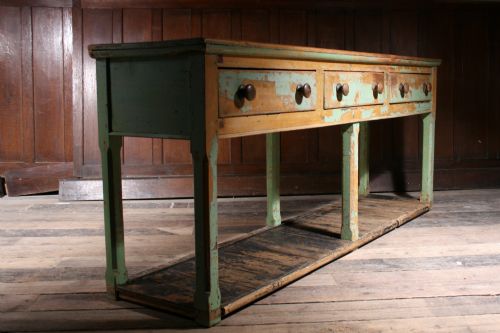
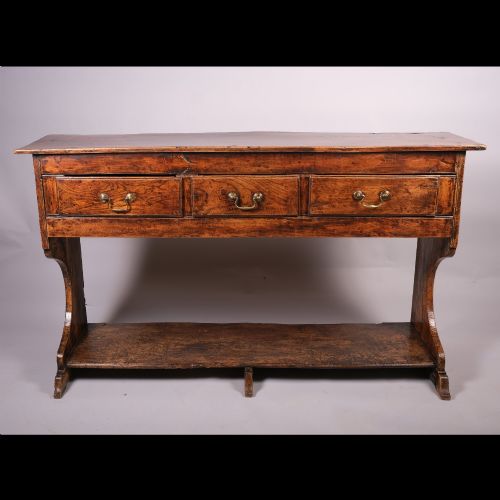
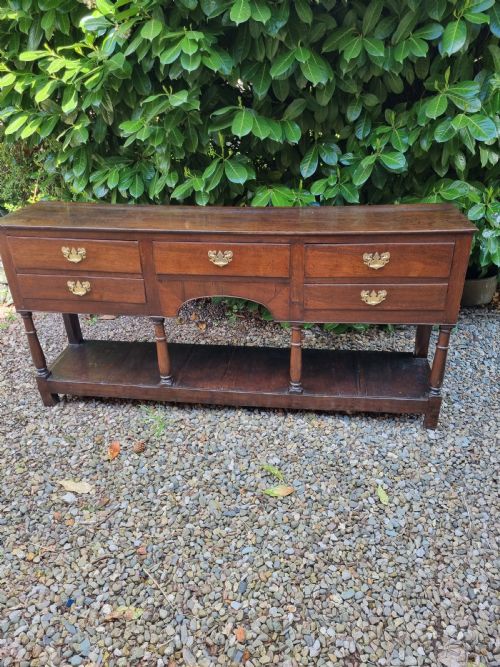
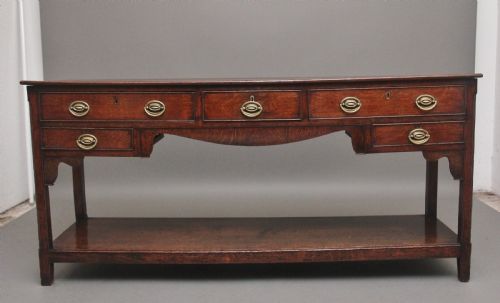
When you search for a wooden potboard table, you are looking at substantial utility furniture designed for historic kitchens and domestic spaces. These pieces combine a solid top surface for food preparation or serving with a low open shelf underneath, historically used for cooling pots and pans.
The versions you are most likely to meet on this page span the eighteenth and nineteenth centuries, taking forms such as dresser bases, serving tables, and coffee tables. They frequently originate from English, Welsh, Scottish, and French provincial traditions, reflecting regional craftsmanship.
Makers utilised robust timbers to build these tables for daily service rather than display. Their enduring appeal lies in this honest utility, which allows them to anchor modern kitchens, hallways, and living rooms with grounded historical presence.
How they were made
Makers constructed these pieces primarily using dense domestic hardwoods like oak and elm, often paired with pine for secondary framing or internals. These timbers were chosen for their strength and ability to withstand heavy daily use in busy households.
Construction techniques relied on sturdy joinery, utilising pegged mortise and tenon joints to lock the uprights and rails securely together. The low potboard shelf was then slotted or pegged directly into the lower stretchers to bear the heavy weight of kitchen ware.
Surfaces were frequently left bare to receive years of scrubbing and natural wear, though later examples and regional variants might feature painted wood finishes or iron and brass hardware additions.
Wooden Potboard Table Retail Price Guide 2026
Typical asking prices for wooden potboard table among the pieces listed under this phrase on Sellingantiques today, from the lower quarter to the upper quarter. They describe what is for sale here now, not the wider market.
Current listings feature pieces spanning the Georgian period through the nineteenth century, constructed primarily in oak, pine, and elm.
What varies in quality
The grade of timber and the honesty of construction separate the finer examples from simpler provincial work. Superior tables display well-figured oak boards with deep, rich grain patination built up through generations of use.
Proportion and scale dictate the visual success of the piece, with better examples maintaining balanced heights and depths that suit modern interiors. Drawer construction also varies, where hand-cut dovetails and retained original timber bottoms indicate superior workshop standards.
The Wooden Potboard Table Glossary
- Potboard
- The low slatted or boarded shelf positioned near the floor between the legs of a dresser base or serving table. It was traditionally designed to hold heavy cooking pots off the damp flagstone floor.
- Dresser base
- A low sideboard or cabinet featuring drawers along the upper section and a potboard or open space below. This form predated the full plate rack dresser in many rural homes.
- Vernacular furniture
- Domestic objects made by local tradesmen using regional styles and available materials rather than following metropolitan academic designs. These pieces tell the story of local building traditions.
- Patina
- The deep surface sheen and mellow colour developed by wood over decades of handling, cleaning, and exposure to light. It acts as a visual record of an object's age and history.
Wooden Potboard Table: Frequently Asked Questions
What is a wooden potboard table used for today?
These tables function brilliantly as kitchen islands, sideboards, or console tables in hallways and living spaces. The surface handles everyday tasks or display, while the low shelf stores baskets, books, or ceramics.
Their substantial construction allows them to handle heavy daily use while adding rustic character to contemporary or traditional interiors.
Are painted finishes original on these tables?
Many regional pieces, particularly from French and English country traditions, received coats of paint to protect or refresh the timber over their long histories. Painted surfaces often show layers of age and wear that add to their decorative appeal.
Determining whether paint is original or later applied requires examining the interface between the pigment and the wood beneath for signs of deep integration.
How do Welsh and English tables differ?
Welsh vernacular pieces often exhibit distinct regional proportions, sometimes utilising local woods like elm alongside oak and featuring unique drawer arrangements. They tend to reflect the specific domestic requirements of Welsh farmhouses.
English country examples share similar functional roots but vary in leg turning styles, apron shapes, and overall scale depending on the county of origin.