





Wooden Parlor Sofa
A wooden parlor sofa brings Victorian and Edwardian reception rooms to life with carved frames and inlaid timbers.
Wooden Parlor Sofa
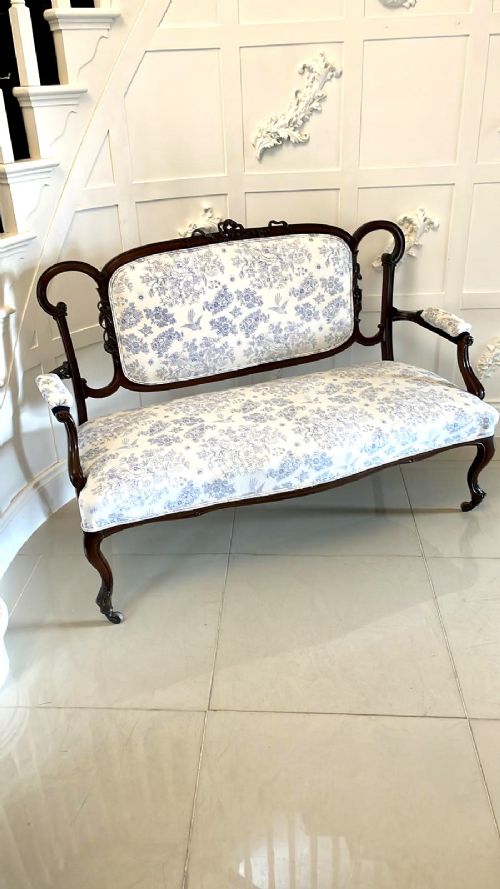
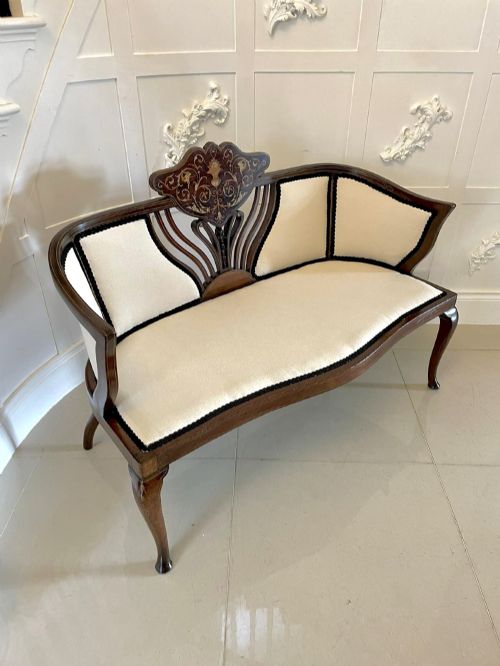
A wooden parlor sofa sits at the heart of period drawing rooms and reception spaces, serving as a principal seating piece for formal hosting. When searching for a wooden parlor sofa, buyers encounter settees, salon suites, and two-seater couches originating primarily from the Victorian and Edwardian eras. These seating forms range from robustly carved walnut frames to delicately inlaid mahogany pieces designed for refined interiors.
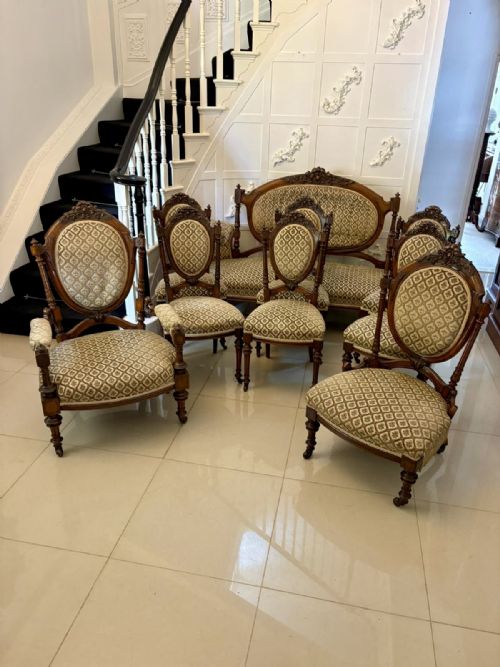
The most common examples on this page date from the late nineteenth and early twentieth centuries, particularly around eighteen eighty to nineteen ten. These items often appear alongside matching parlour suites and paired sofa chairs, reflecting the cohesive furnishing styles of the period. Makers utilised durable hardwoods to support expansive upholstered seats built for comfortable entertaining.
Originating within Victorian, Edwardian, and revival aesthetics, these sofas display varied regional influences including French Empire and Rococo styles. A wooden parlor sofa typically combines a solid timber show-wood frame with upholstered textile panels, velvet coverings, or fabric cushions. Buyers select these items to anchor traditional living spaces with authentic period craftsmanship.
How they were made
Cabinet makers constructed wooden parlor sofa frames using dense hardwoods such as mahogany and walnut, which provided the structural integrity needed for intricate carving and turning. These timber frames were frequently enhanced with contrasting satinwood inlay and delicate stringing to create geometric or floral motifs along the crest rails and aprons. Artisans shaped the structural supports by hand, employing traditional joinery techniques to ensure stability across wide seating spans.
Surface ornamentation relied on skilled hand-carving applied directly to the solid wood, alongside contrasting veneers and polished finishes that highlighted the natural grain of the mahogany or walnut. Upholstered elements were secured over internal webbing and springs using durable textile fabrics, velvet, and occasionally brass tacks. This combination of structural timber work and tactile upholstery defined the standard production methods of late nineteenth and early twentieth-century workshops.
Wooden Parlor Sofa Retail Price Guide 2026
Typical asking prices for wooden parlor sofa among the pieces listed under this phrase on Sellingantiques today, from the lower quarter to the upper quarter. They describe what is for sale here now, not the wider market.
His and her matching sofa chairs allowed Victorian couples to sit side by side while maintaining formal posture.
What varies in quality
Quality in a wooden parlor sofa rests upon the crispness of the timber carving and the precision of any satinwood inlay work. Pieces originating from exhibition workshops or marked by superior joinery exhibit tighter joints, deeper relief carving, and carefully selected wood grains compared to standard commercial outputs. The structural integrity of the mahogany or walnut frame dictates the longevity and overall caliber of the seating.
The execution of the upholstery and the retention of original decorative elements further distinguish finer examples. Sofas that preserve intricate textile work or high-grade velvet alongside sound internal padding represent the upper tier of surviving items. Subtle variations in proportions and the sophistication of revival styling separate standard parlour seating from exceptional collector pieces.
The Wooden Parlor Sofa Glossary
- Settee
- A medium-length upholstered wooden seat with a back and arms, designed for two or more people. These pieces formed essential elements of nineteenth-century drawing room suites.
- Satinwood Inlay
- Decorative contrasting wood veneer inserted into recesses within the primary mahogany or walnut surface. This technique created geometric patterns and floral details popular during the Edwardian period.
- Parlour Suite
- A matched set of seating furniture, including a sofa, armchairs, and occasional chairs, designed for formal reception rooms. These suites ensured decorative harmony within Victorian homes.
- Show-Wood
- The exposed polished timber portions of a sofa frame, such as carved rails and legs, left visible around the upholstered sections. High quality examples feature detailed hand-carved motifs in this area.
Wooden Parlor Sofa: Frequently Asked Questions
What is a wooden parlor sofa?
A wooden parlor sofa is a formal nineteenth or early twentieth-century seating piece featuring an exposed timber frame and upholstered cushions. These sofas were designed for reception rooms and formal drawing spaces.
They combine structural hardwoods like mahogany and walnut with decorative details such as carved rails and satinwood inlay.
How were parlor sofas used?
Parlor sofas served as primary seating furniture for entertaining guests, hosting callers, and displaying the taste of the household. They occupied central positions in Victorian and Edwardian drawing rooms.
Often purchased as part of a larger parlour suite, they coordinated with matching armchairs and centre tables.
How do I date a wooden sofa?
Dating relies on identifying stylistic markers, timber types, and construction methods associated with specific periods like the Victorian or Edwardian eras. Heavy carved walnut often points to mid-nineteenth-century work, while lighter inlaid mahogany frequently indicates Edwardian production.
Revival styles also provide clues, reflecting historical design movements popular between eighteen fifty and nineteen twenty.
Are these sofas comfortable for daily use?
These sofas were built for upright formal sitting rather than deep lounging, reflecting the social habits of their period of origin. Many surviving examples feature supportive sprung seats and padded backs.
Buyers planning regular daily use often assess the internal upholstery and support structure during selection.