


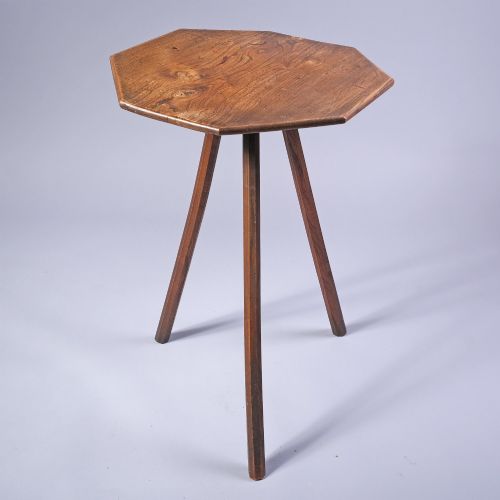

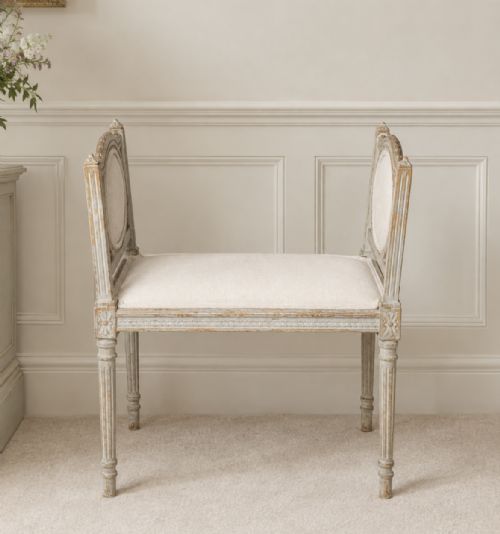


Wooden Occasional Stools
These wooden occasional stools offer adaptable seating and display surfaces rooted in centuries of vernacular craftsmanship.
Wooden Occasional Stools
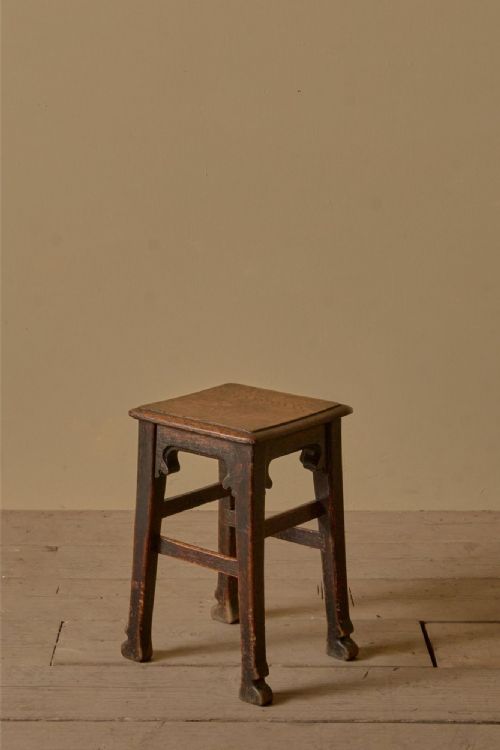
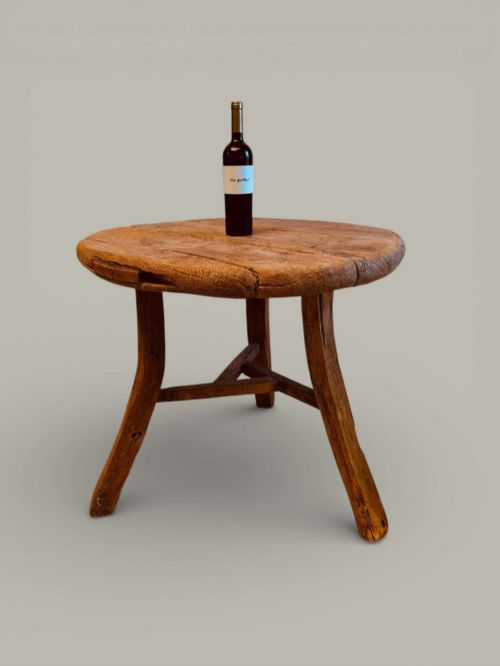
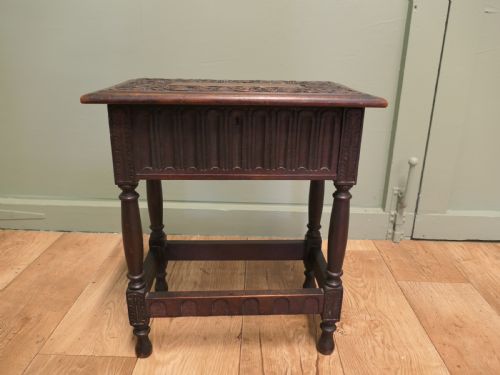
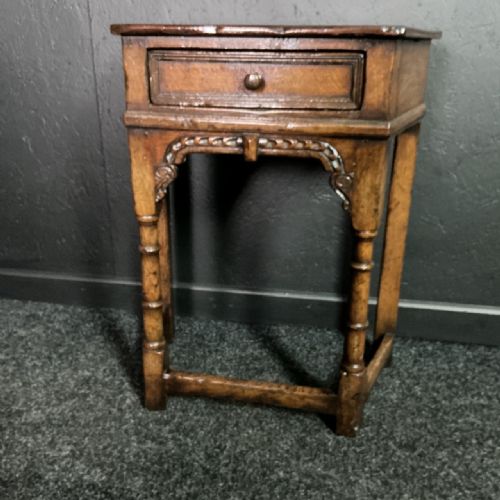
Wooden occasional stools span centuries of utilitarian design, taking the form of joint stools, box stools, and tripod supports that double as small tables. You will encounter forms originating from the seventeenth century through to the early twentieth century, reflecting diverse regional aesthetics.
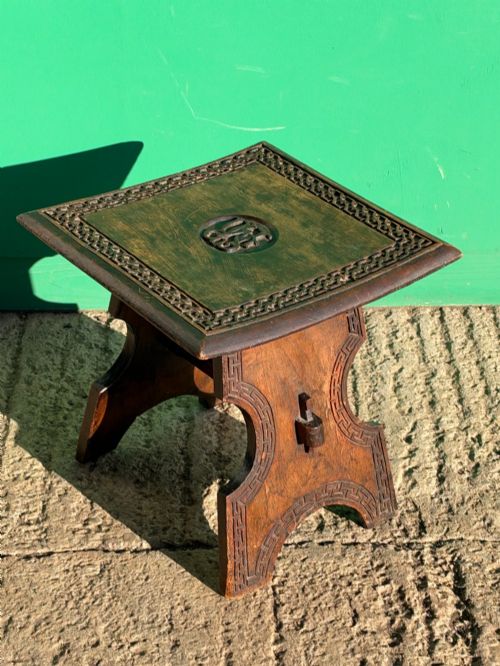
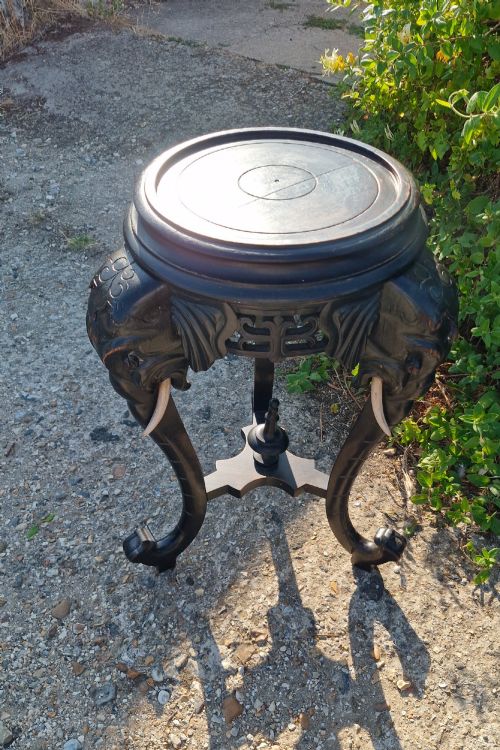
The selection here encompasses English country joint stools alongside Anglo-Indian, Burmese, and Chinese carved pieces. Many examples double as side tables, wine stands, or lamp tables, demonstrating the versatile nature of these small items of furniture.
How they were made
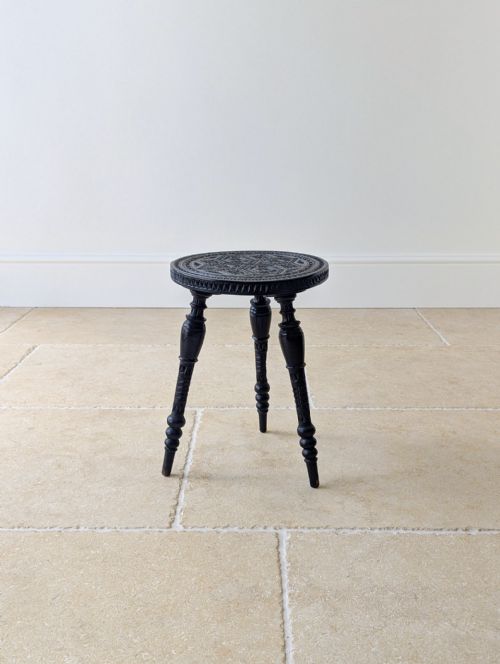
Joinery traditions rely heavily on solid timbers such as oak, elm, ash, and yew wood, constructed with mortise and tenon joints for structural stability. Ebonised hardwoods and exotic timbers like burr thuya also appear, often enhanced with chip-carving, bone inlay, or pearl inlay.
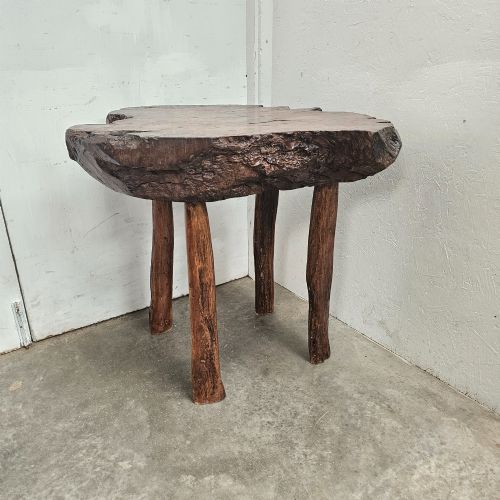
Makers utilised traditional hand tools to shape sturdy legs and flat tops, sometimes incorporating turned spindles, inset marble panels, or painted wooden elements. The construction prioritises practical daily use, resulting in robust frames designed to endure.
Wooden Occasional Stools Retail Price Guide 2026
Typical asking prices for wooden occasional stools among the pieces listed under this phrase on Sellingantiques today, from the lower quarter to the upper quarter. They describe what is for sale here now, not the wider market.
The listings on this page span the seventeenth through to the twentieth century, featuring oak, elm, yew wood, and ebonised hardwood.
What varies in quality
Quality rests in the selection of timber and the crispness of the hand-carving, distinguishing provincial work from accomplished metropolitan or regional output. Timber grain, density, and natural figure determine the visual weight of the piece.
The integrity of the original joinery and the survival of surface patination dictate the standing of an individual stool. Pieces retaining their primary structural assembly demonstrate superior enduring craftsmanship compared to heavily restored examples.
The Wooden Occasional Stools Glossary
- Joint stool
- A traditional wooden stool constructed with pegged mortise and tenon joints rather than turned legs glued into a seat. These sturdy items frequently served multiple domestic purposes.
- Box stool
- A seat featuring a lidded compartment beneath the top surface for storage. They double as compact tables or sewing boxes.
- Ebonised
- Wood treated with a dark finish to imitate expensive ebony. This technique gained popularity during the Victorian period for accentuating carved details.
- Sgabello
- An Italian Renaissance wooden chair featuring a distinct upright back and solid trestle supports. They often functioned as hall furniture or occasional seats.
- Thebes stool
- An ancient Egyptian inspired stool design popularised during the late nineteenth century. They typically feature splayed legs and a concave seat.
Wooden Occasional Stools: Frequently Asked Questions
What is a wooden occasional stool?
A wooden occasional stool is a small, movable seat or stand used flexibly around the home for sitting or holding objects.
These pieces bridge the gap between seating and small tables, often functioning as lamp stands or plant pedestals.
How were joint stools used?
Joint stools originally provided seating at the dining table and served utility roles throughout seventeenth and eighteenth-century households.
Over time, their sturdy flat tops made them convenient for supporting domestic items or sitting by the hearth.
How do I care for antique wooden stools?
Keep wooden stools away from direct heat sources and dramatic humidity changes to prevent timber splitting. Regular dusting and occasional application of appropriate wax help preserve the surface patination.
How can I tell the period of a stool?
Dating relies on examining the timber species, tool marks, joinery methods, and stylistic cues present in the carving. Seventeenth-century pieces display heavier oak framing, while Victorian and later pieces show diverse revival styles and exotic influences.