



Wooden Music Bench
A wooden music bench provides a sturdy seat for musicians while offering practical storage for sheet music.
Wooden Music Bench
A wooden music bench is designed to support pianists and instrumentalists during practice and performance, frequently doubling as a repository for scores. Buyers searching for a wooden music bench will encounter various seating forms including piano stools, duet stools, and musical seats dating from the nineteenth and twentieth centuries.
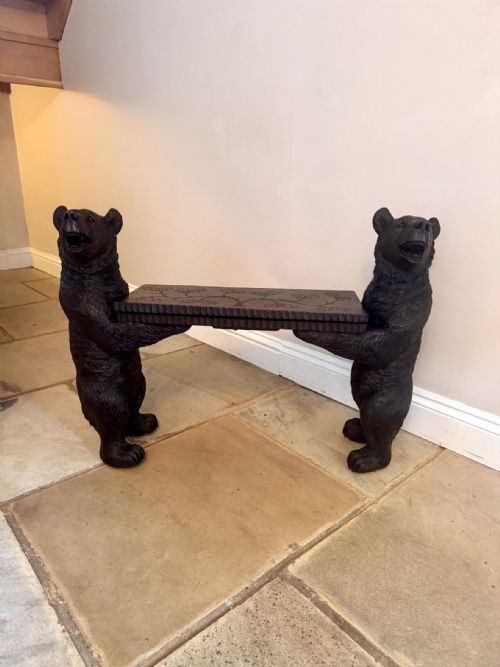
The selections available span multiple historic revivals and design movements, notably Edwardian, Sheraton Revival, Queen Anne Revival, Art Deco, Aesthetic Movement, Victorian, Jacobean Revival, and Black Forest styles. Single seats and larger duet stools appear regularly, often incorporating hinged lids or adjustable mechanisms.
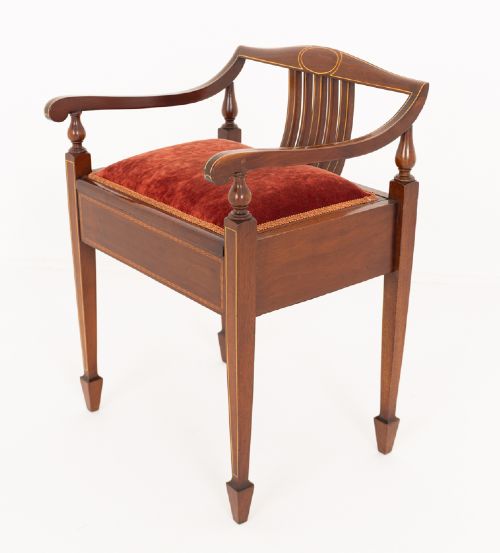
Originating predominantly from the nineteenth century up to the nineteen-twenties, these pieces reflect the domestic musical habits of their eras. Mahogany and oak form the bulk of the construction, sometimes enriched with satinwood inlay or ebonised finishes.
Construction methods and materials
Makers utilised solid timbers such as mahogany and oak alongside lindenwood and carved wood to build these frames. Joinery methods relied on traditional cabinet-making practices to ensure durability under regular use at the keyboard.
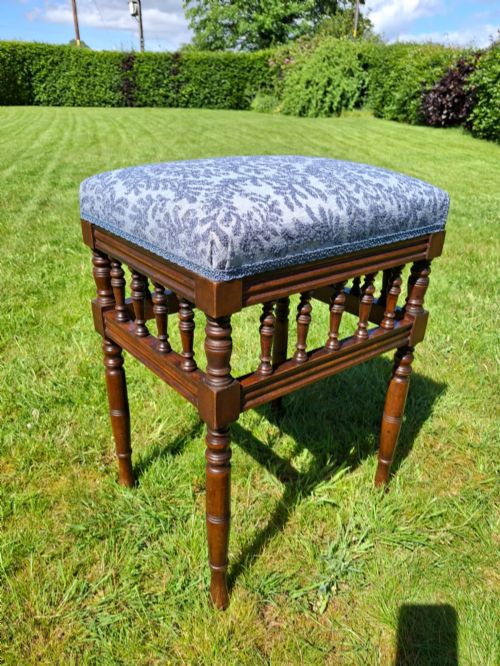
Surface decoration frequently involved intricate carving, as seen in Black Forest examples, or delicate satinwood inlay characteristic of Sheraton Revival pieces. Upholstery materials included fabric and velvet, padding the seats for extended periods of practice.
Wooden Music Bench Retail Price Guide 2026
Typical asking prices for wooden music bench among the pieces listed under this phrase on Sellingantiques today, from the lower quarter to the upper quarter. They describe what is for sale here now, not the wider market.
Listings span the nineteenth and twentieth centuries, featuring Edwardian, Victorian, and Art Deco eras.
Assessing quality in seating
Quality separates standard utilitarian items from exceptional pieces through the crispness of woodcarving and the choice of primary timbers. Finer examples display meticulous attention to inlay work and the smoothness of any adjustable seating mechanism.
The choice of upholstery fabric and the integrity of the internal storage compartment further distinguish superior examples. Superior items maintain robust structural joinery alongside refined decorative details appropriate to their specific design period.
The Wooden Music Bench Glossary
- Duet stool
- A wider seating bench designed to accommodate two musicians side by side at a piano. These often feature hinged lids revealing deep compartments for storing multiple music books.
- Black Forest
- A style of woodwork originating from the mountainous region of central Europe, characterised by deeply carved animal figures and foliage. Pieces from this tradition often incorporate musical movements into the seat structure.
- Sheraton Revival
- A late nineteenth and early twentieth century design movement inspired by the lightness and classical motifs of eighteenth century cabinet-maker Thomas Sheraton. Such items frequently feature satinwood inlay on mahogany surfaces.
- Ebonised
- Wood finished with a dark stain or polish to imitate the appearance of expensive ebony. This treatment was particularly favoured during the nineteenth century for decorative and Aesthetic Movement furniture.
- Aesthetic Movement
- A late nineteenth century design approach prioritising visual beauty and artistic expression over strict historical revival. Pieces influenced by this movement display refined proportions and alternative surface treatments.
Wooden Music Bench: Frequently Asked Questions
What is a wooden music bench used for?
A wooden music bench provides a stable and appropriate seat for musicians playing seated instruments such as the piano. They allow performers to maintain correct posture during long practice sessions.
Many examples include internal compartments beneath the seat specifically built to hold sheet music and folios. This keeps scores organised and close to hand near the instrument.
How do I identify an Edwardian piano stool?
Edwardian piano stools date from the reign of King Edward VII and the early twentieth century. They often feature mahogany frames combined with inlaid decoration.
These pieces typically display lighter proportions than their heavy Victorian predecessors. They frequently incorporate upholstered tops in fabric or velvet.
How should I care for antique wood and upholstery?
Antique wooden frames benefit from gentle cleaning with a soft cloth and occasional application of appropriate furniture wax. Avoid exposing the timber to direct sunlight or sudden temperature changes.
Fabric and velvet upholstery should be treated with care, using gentle vacuuming attachments to remove dust. Professional cleaning is recommended for antique textile covers.