





Wooden Mail Box
These wooden mail box pieces are practical containers for post and correspondence, offering both period utility and fine timber construction.
Wooden Mail Box
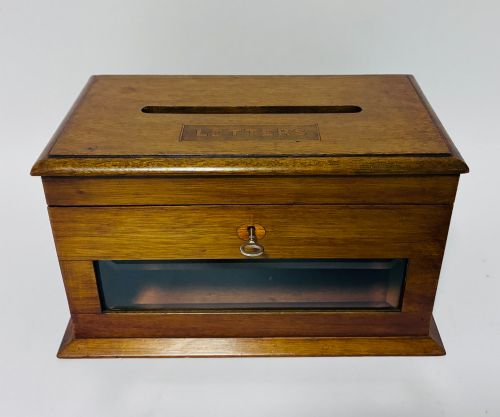
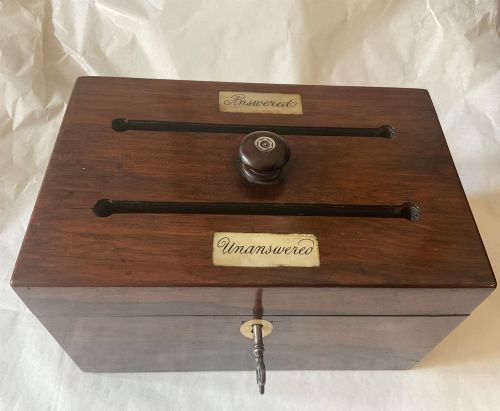
When you search for a wooden mail box, you find various containers designed for sorting and holding post, including wall-mounted receptacles and desk accessories. The examples on this page span several eras from the Georgian period through to the 1930s, reflecting domestic and institutional uses.
You are most likely to meet oak and mahogany letter boxes from the Victorian and early twentieth-century periods. These items range from simple country house postal boxes to more elaborate hotel letterboxes fitted with brass mountings.
How they were made
Cabinet makers utilised dense hardwoods such as oak, mahogany, and satinwood to build these storage pieces. Many examples incorporate brass hinges, locks, and mounts alongside glass viewing panels or iron hardware.
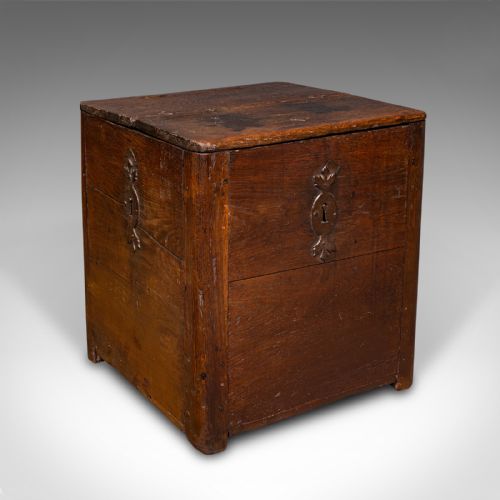
Surface decoration varies from cut steel embellishments on French items to utilitarian construction seen in industrial and trench art pieces. Joinery techniques range from country house carpentry to refined Regency cabinet work.
Wooden Mail Box Retail Price Guide 2026
Typical asking prices for wooden mail box among the pieces listed under this phrase on Sellingantiques today, from the lower quarter to the upper quarter. They describe what is for sale here now, not the wider market.
Some Victorian letter boxes doubled as novelty piano desk correspondence stations to keep musical notes tidy.
What varies in quality
The distinction between standard utility items and finer examples rests on the selection of timber and the sophistication of the hardware. Golden oak and figured mahogany set a higher standard than plain pine or utilitarian workshop boxes.
The Wooden Mail Box Glossary
- Letter Box
- A container or wall-mounted receptacle specifically designed to receive and hold incoming mail. These items range from domestic desk boxes to large hotel postal units.
- Pigeon Holes
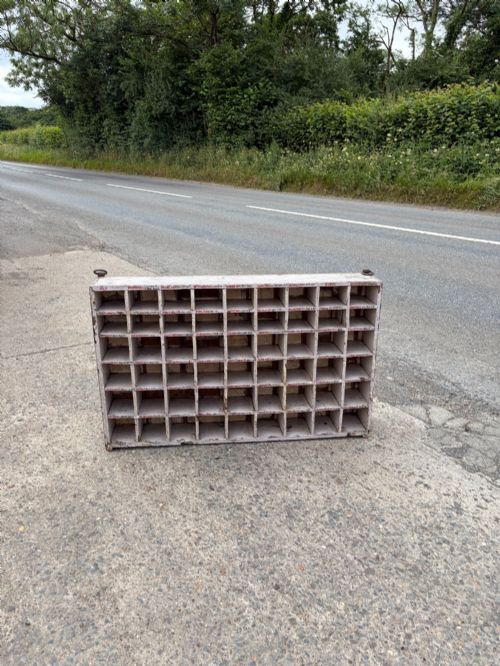
- Open compartments within a desk or wall unit used for sorting letters and documents. They provide immediate visibility for incoming and outgoing correspondence.
- Trench Art
- Objects created by soldiers, prisoners of war, or civilians from military debris and scrap materials during wartime conflicts. These items often include carved wooden and metal components.
- Regency
- A British design period spanning the early nineteenth century, characterised by refined classical influences and elegant cabinet work. Pieces from this era often feature exotic timbers and decorative metal mounts.
Wooden Mail Box: Frequently Asked Questions
What is a wooden mail box used for?
These pieces served to sort, secure, and organise incoming and outgoing post in large homes, hotels, and offices. They kept correspondence neat on desks or secured letters near entryways.
Today, they function as decorative storage for letters, stationery, and small household items while adding period character to a room.
How do I date a wooden mail box?
Dating relies on identifying the timber species, construction methods, and hardware styles associated with specific periods like the Georgian or Victorian eras. Examining locks, hinges, and fixings provides further clues to manufacture.
Makers often utilised materials popular in their decade, such as golden oak in the nineteen-hundreds or heavy mahogany in the nineteenth century.
Where were these letter boxes placed?
Many examples were wall-mounted near entrances to receive daily deliveries in country houses and hotels. Others sat upon partner desks or writing tables to hold pending correspondence.
Desk accessories and pigeon holes remained within studies or libraries for convenient sorting of daily post.
Are these mail boxes secure?
Period pieces often incorporated brass locks, security bars, or heavy iron elements to protect confidential letters. Strong boxes and hotel letterboxes were built with robust timber to restrict access.
Domestic wall boxes generally prioritised sorting convenience over high-security locking mechanisms.