







Wooden Log Planters
Wooden log planters bring natural form indoors, offering sturdy vessels originally crafted for wine, fuel, and peat that now hold plants.
Wooden Log Planters
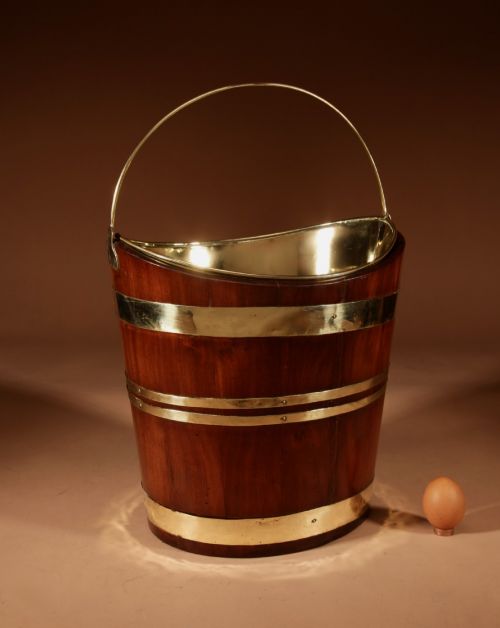
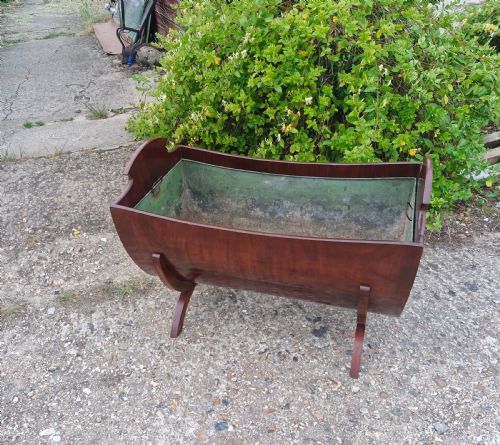
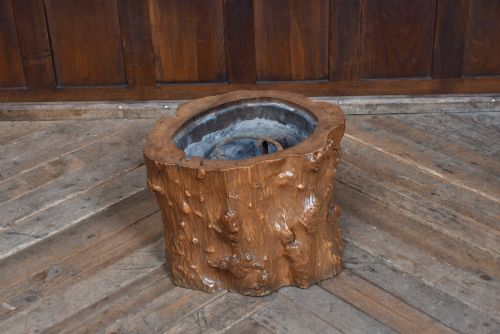
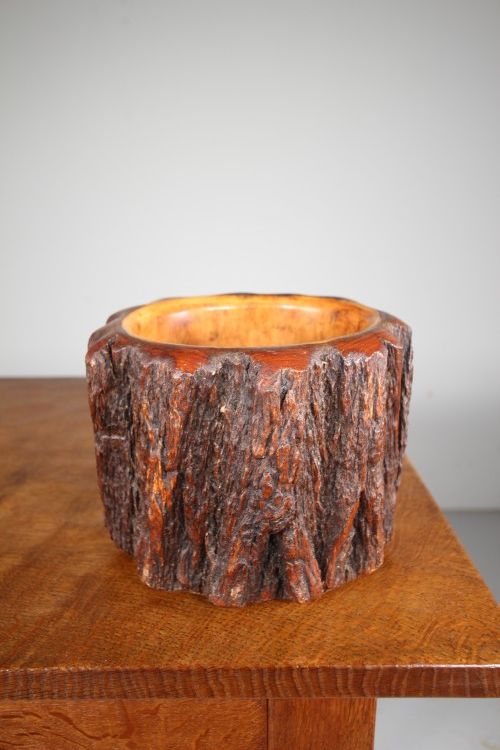
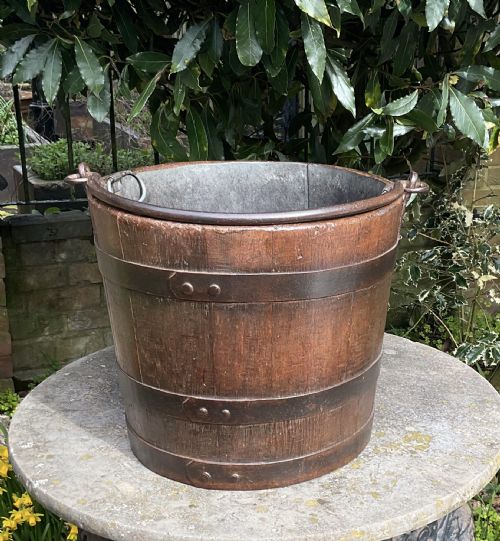
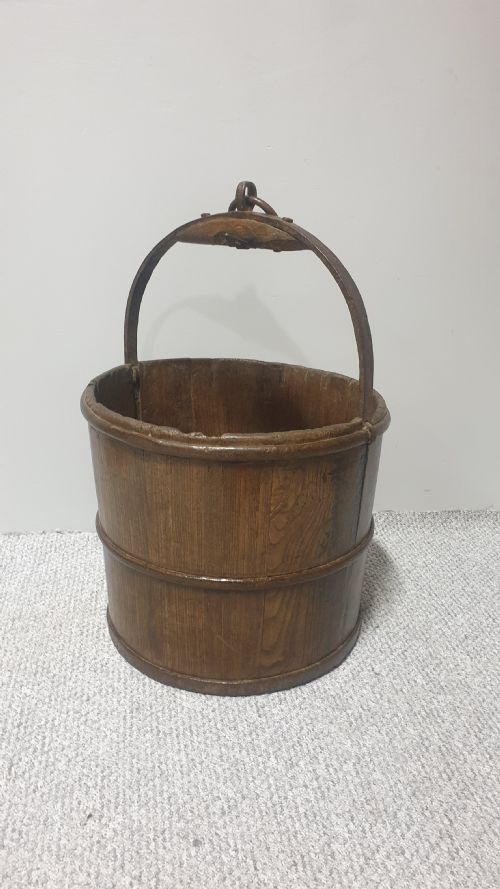
Wooden log planters encompass rustic dug-out tree trunks, coopered oak barrels, and brass-bound mahogany buckets adapted from earlier functional uses. When exploring wooden log planters, buyers encounter items ranging from Georgian wine coolers and Scottish peat buckets to simple elm mortars and pine storage barrels.
Many examples originate from the nineteenth century, utilising traditional woodworking techniques to shape natural timber into vessels suited for domestic storage and display. These pieces frequently double as fireside accessories and garden containers, reflecting a long history of repurposing robust timber items.
Materials and Construction
Craftsmen built these vessels from durable timbers such as oak, mahogany, elm, walnut, and pine, selecting woods capable of enduring heavy daily use. Construction methods relied heavily on traditional cooperage with staves bound by brass or iron bands, or alternatively involved carving straight from solid tree trunks.
Metal fittings provide both structural reinforcement and decorative contrast against the dark grains of the timber. Liners and handles appear on specific iterations, particularly those designed to hold moisture or transport heavy loads of fuel.
Wooden Log Planters Retail Price Guide 2026
Typical asking prices for wooden log planters among the pieces listed under this phrase on Sellingantiques today, from the lower quarter to the upper quarter. They describe what is for sale here now, not the wider market.
Several vessels started life chilling champagne before retiring to a quieter life holding ferns.
Assessing Quality and Craftsmanship
Quality rests upon the selection of timber, the precision of the cooperage or carving, and the preservation of original metal bands. Superior examples display tight grain matching, secure joints, and patination achieved through decades of handling.
Finer pieces incorporate refined details like cast brass fittings, carefully turned handles, and secondary woods that indicate higher-status country house commissions rather than utilitarian farm use.
The Wooden Log Planters Glossary
- Coopered
- Method of construction using curved wooden staves joined together to form a cylindrical vessel, traditionally held tightly in place by metal or wooden bands. This technique ensures the container remains stable and watertight.
- Dug-out
- A form created by hollowing out a single solid tree trunk rather than assembling individual pieces of wood. These items exhibit organic, irregular contours reflecting the natural shape of the log.
- Jardiniere
- An ornamental pot or stand designed to hold growing plants or flowers indoors. They frequently appear in ceramic, metal, or coopered wood.
- Peat bucket
- A traditional receptacle used in rural homes for storing and transporting dried peat fuel near the fireplace. Many surviving examples feature metal liners and swing handles.
- Wine cooler
- A large vessel originally filled with ice and water to chill bottles at the dining table during the eighteenth and nineteenth centuries. Their deep proportions make them well suited for large houseplants.
Wooden Log Planters: Frequently Asked Questions
What were wooden log planters originally used for?
These objects served various practical functions in historic homes, ranging from chilling wine at dining tables to storing peat and coal by the fireplace. Others functioned as general storage barrels or garden well buckets.
Over time, many of these sturdy timber vessels transitioned into decorative roles, serving as jardinières and planters for domestic greenery.
How do I care for a wooden planter?
Protecting the interior wood from direct moisture is essential, typically by using a suitable plastic or metal liner inside the vessel. This prevents the historic timber from rotting or swelling.
Regularly dusting the exterior and applying appropriate wax helps maintain the natural finish and rich patination of the wood without sealing the grain.
How can I tell the period of a wooden bucket?
Dating relies on examining the construction marks, the type of timber used, and the style of the metal bands. Georgian and Victorian pieces often feature hand-forged iron or cast brass fittings alongside dense native hardwoods like oak and mahogany.
Hand-carved dug-out items and rustic folk art pieces display tool marks that assist in identifying their nineteenth-century or earlier origins.
Can these planters be used outdoors?
While many pieces originated as garden well buckets or outdoor storage, historic wooden items generally survive best in controlled indoor environments. Exposure to harsh weather and damp soil accelerates decay in antique timber.
Using them on patios or in conservatories requires careful shelter from direct rain and freezing temperatures to preserve the historic structure.