



Wooden Liquor Decanter
A wooden liquor decanter brings together period craftsmanship and functional barware, offering a secure and stylish vessel for fine spirits.
Wooden Liquor Decanter
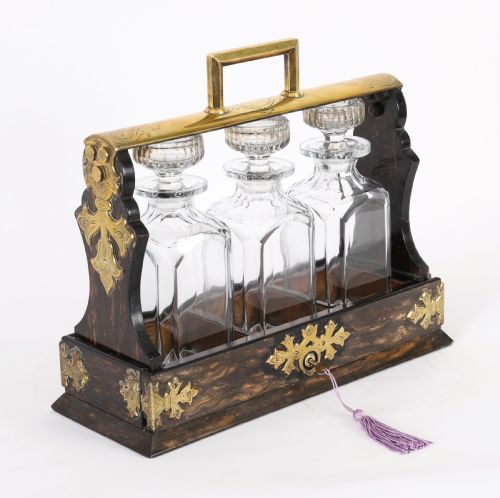
A wooden liquor decanter encompasses various forms designed to store and display spirits safely, ranging from simple bottle carriers to complex locking cabinets. When exploring this selection, buyers frequently encounter pieces designed to hold multiple glass vessels securely.
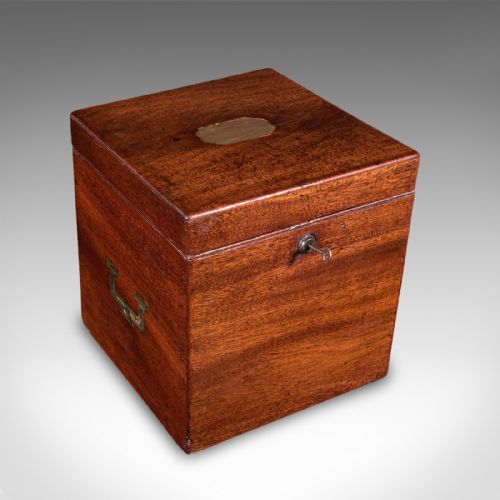
The objects span from the Georgian and Regency eras through the Victorian period, appearing as cellarettes, tantalus cabinets, and fitted boxes. Mahogany, oak, and walnut form the structural basis of these items, often housing cut crystal decanters inside.
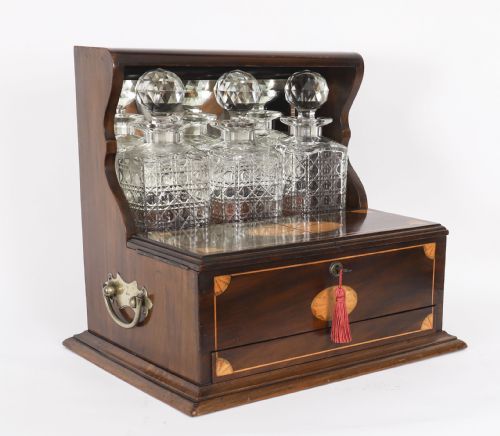
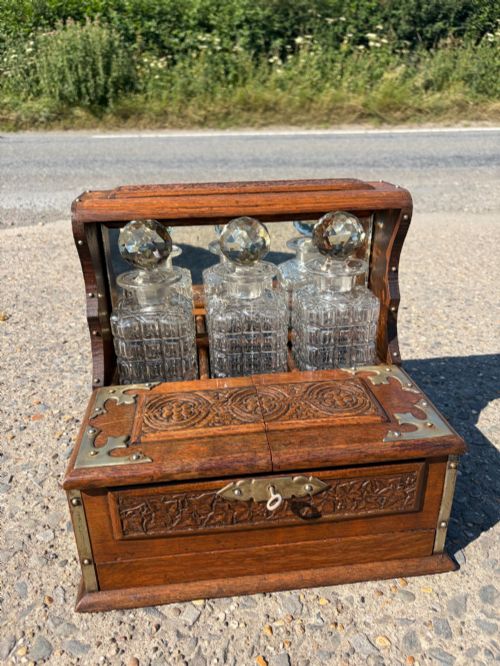
Early examples include freestanding wine coolers and table boxes with internal partitions. Later nineteenth-century versions introduce locking mechanisms and mirrored backs to display the glass contents effectively.
How They Were Made
Cabinetmakers utilised solid hardwoods such as mahogany, oak, walnut, and pollard oak to construct the exterior carcases. These woods were frequently selected for their grain pattern and durability, then joined using traditional cabinet-making techniques.
Metal fittings in brass provided structural reinforcement, hinges, and secure locking systems such as Bramah locks. Interior compartments were tailored precisely to fit cut crystal decanters, sometimes accompanied by integrated games compendiums or dry bar accessories.
Listings feature items from the Georgian, Regency, Victorian, and Edwardian periods, constructed in mahogany, oak, walnut, and brass.
What Varies in Quality
The standard of execution in the timber selection and joinery marks the primary difference across these pieces. Superior items display finely figured veneers, precise marquetry stringing, and robust framing that withstands the weight of glass and liquid.
Hardware and internal fittings further distinguish the range, with integrated silver hallmarks, functional locking mechanisms, and undamaged cut crystal sets representing finer manufacturing standards. The complexity of the fitted interior, whether simple bottle separation or multi-tier dry bar organisation, influences the sophistication of the piece.
The Wooden Liquor Decanter Glossary
- Tantalus
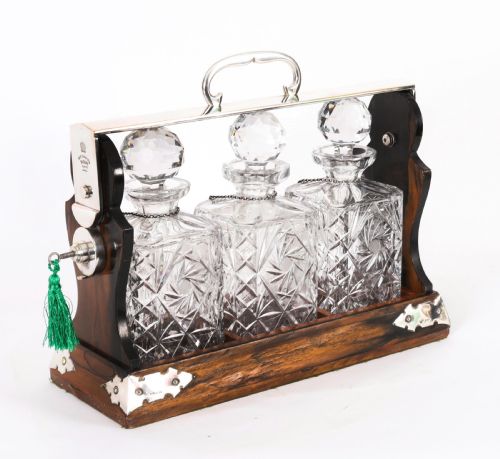
- A locking cabinet that secures decanters within a metal bar frame while still displaying the contents. This mechanism prevents unauthorized access to the liquor inside without removing the bottles.
- Cellarette
- A freestanding or floor-standing box designed to hold bottles of wine or spirits near the dining table. Georgian and Regency examples often feature lead linings for cooling.
- Bramah Lock
- A high-security cylindrical lock patented by Joseph Bramah in the eighteenth century. These mechanisms are frequently found on better-quality antique storage boxes and tantalus units.
- Marquetry
- Decorative inlay work using various coloured woods to create patterns on the surface of furniture. It appears on select Victorian oak pieces to enhance the exterior appearance.
- Compendium
- A fitted box containing multiple pastimes or accessories, such as games pieces alongside liquor storage. These dual-purpose items combine social recreation with barware.
Wooden Liquor Decanter: Frequently Asked Questions
What is a tantalus?
A tantalus is a locking liquor cabinet that holds decanters in place with a metal bar. It displays the bottles while keeping the contents secure.
The name derives from the mythological figure Tantalus, as the locked spirits are visible yet out of reach.
How do I date a decanter box?
Dating relies on timber choices, construction methods, and hardware styles. Georgian and Regency pieces often feature simpler mahogany designs, while Victorian versions frequently use oak, brass mounts, and locking bars.
Internal fittings and lock types provide additional clues for determining the approximate period of manufacture.
Were these boxes used for travel?
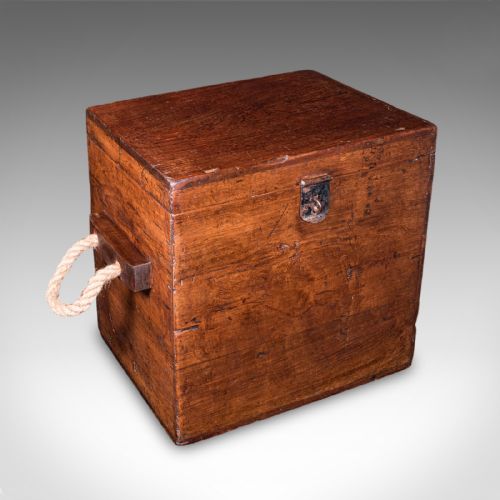
Many decanter boxes and bottle carriers were built for maritime or carriage transport. Sturdy hardwood construction and fitted interior partitions protected the glass vessels during movement.
Handles and robust brass hardware facilitated safe handling and relocation.
What are the common woods used?
Mahogany, oak, and walnut predominate among the surviving examples. Cabinetmakers also utilised pollard oak and coromandel for decorative effect on finer Victorian pieces.
Brass hardware and mirror glass frequently complement these primary timbers.