
Wooden Library Table
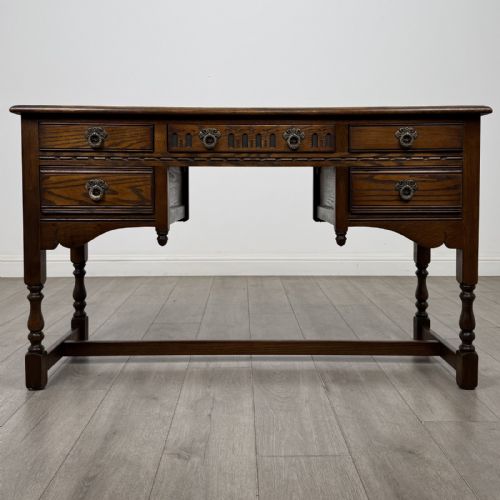
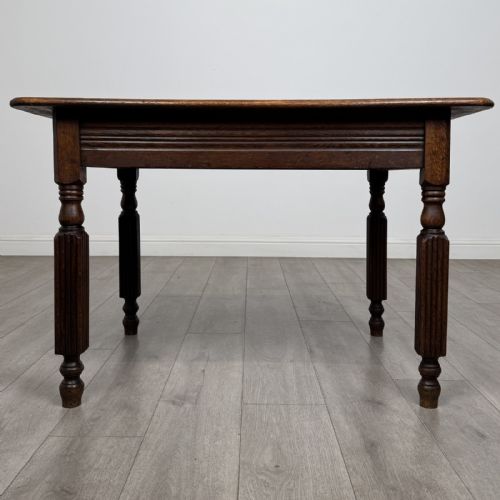
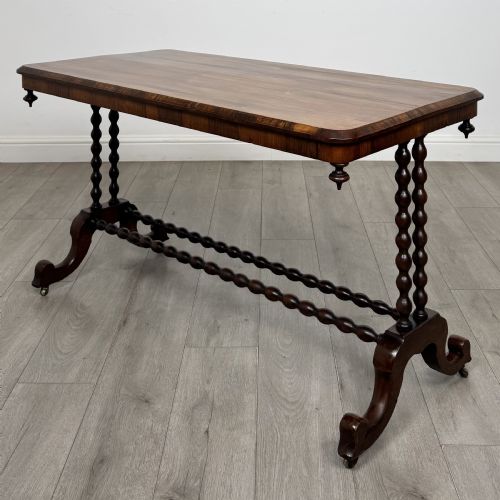
A wooden library table offers a solid surface for research and writing, bringing period character and sturdy utility into a room.
Wooden Library Table
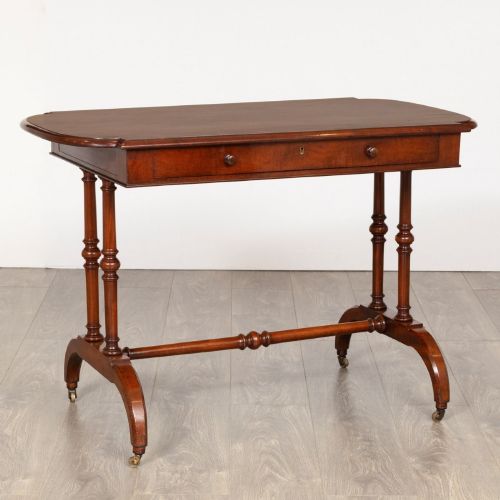
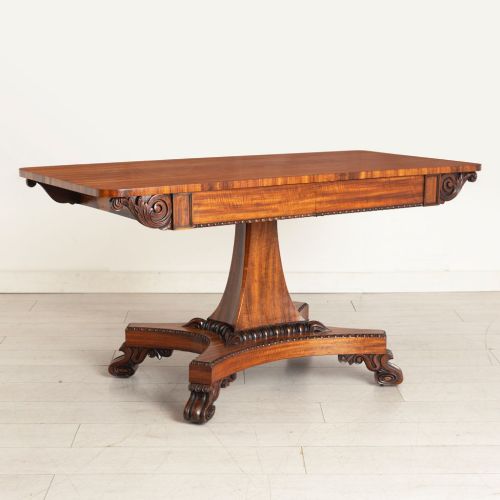
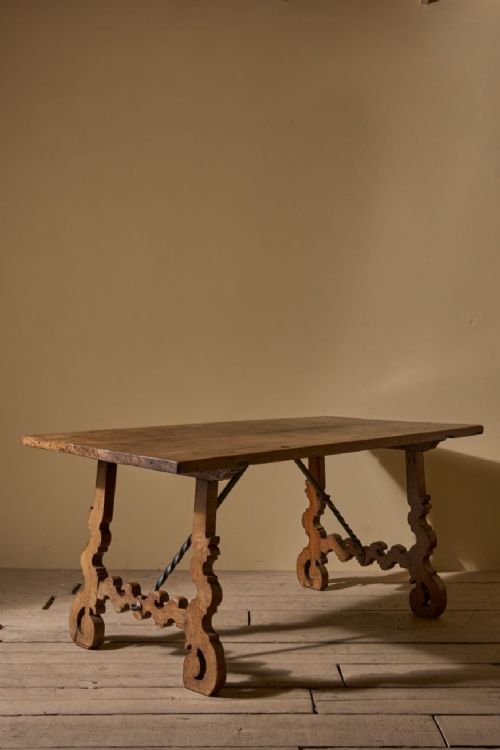
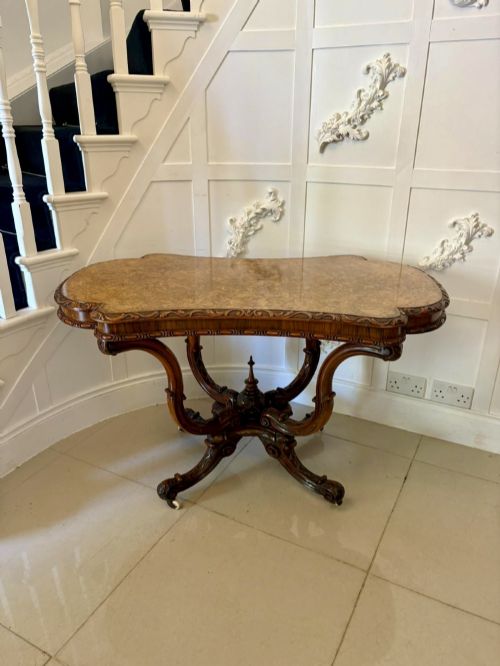
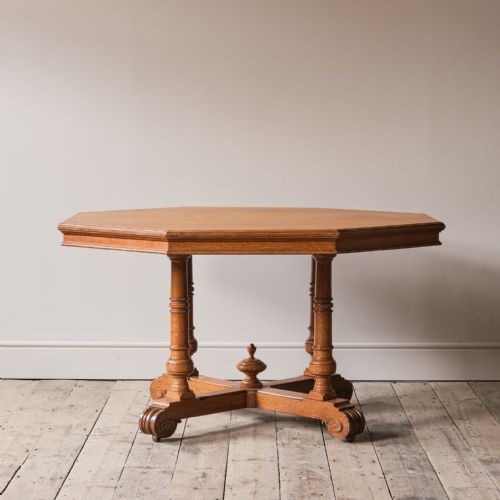
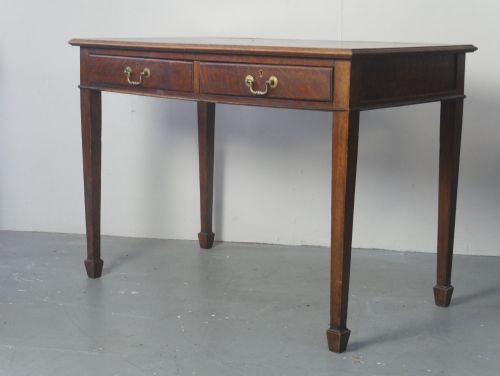
When you search for a wooden library table, you encounter substantial writing surfaces, partners desks, and freestanding centre tables designed for heavy use. The pieces span periods from the seventeenth century through the Georgian, Regency, and Victorian eras up to Edwardian examples.
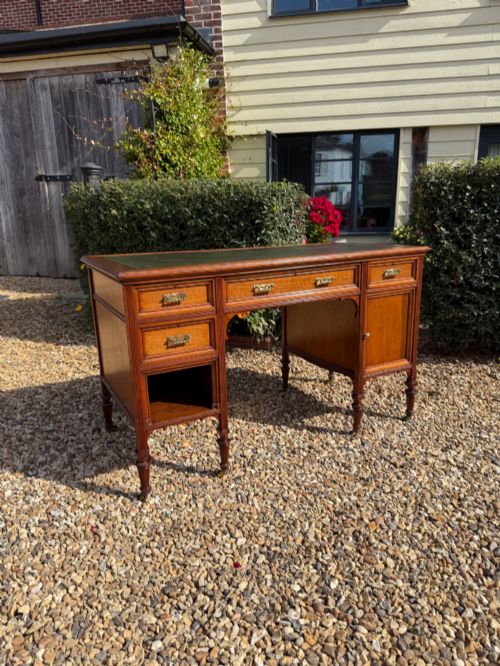
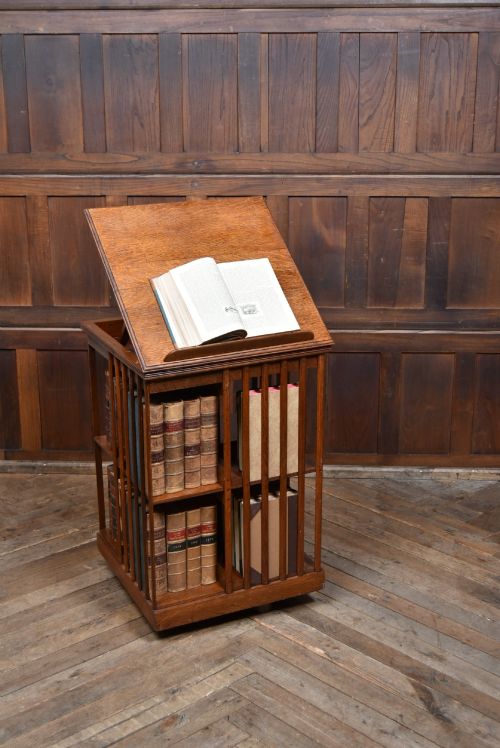
Mahogany and oak dominate the selection, often accompanied by walnut, burr walnut, and ebonised wood. You will frequently find variants equipped with leather inserts, drawers, or revolving tiers intended for books and papers.
The objects serve multiple roles in contemporary interiors, functioning as central workspaces, writing desks, or large reading tables. Their proportions reflect domestic and institutional requirements from the past, built to anchor a room.
Materials and construction
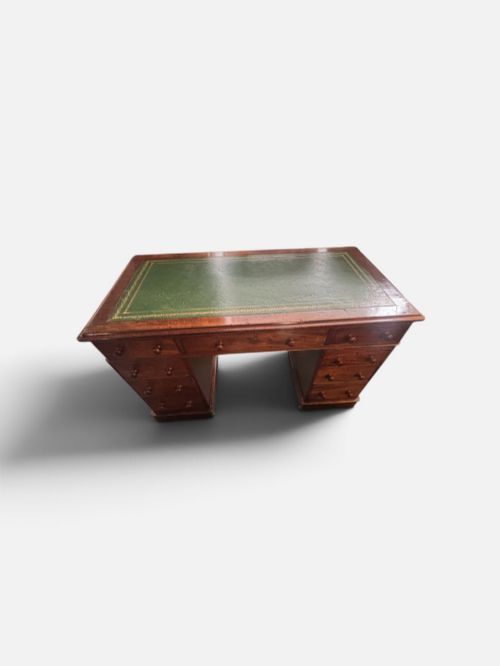
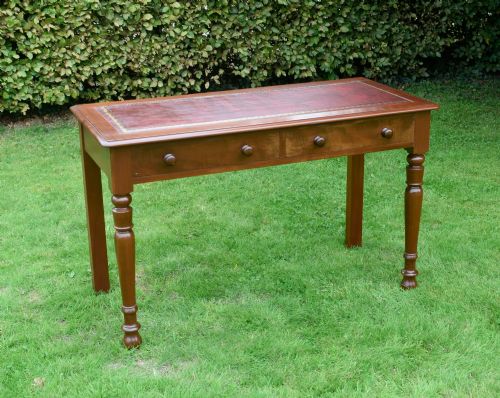
Secondary materials include brass fittings, applied ebonised wood, and inset leather writing surfaces tooled with gilt borders. Joinery techniques such as dovetailed drawers and sturdy pedestals ensured the tables withstood decades of heavy daily handling.
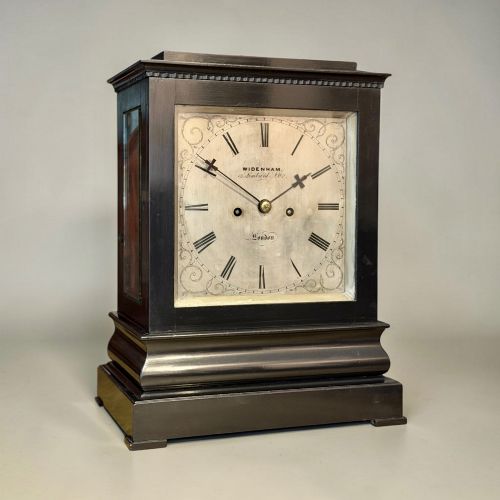
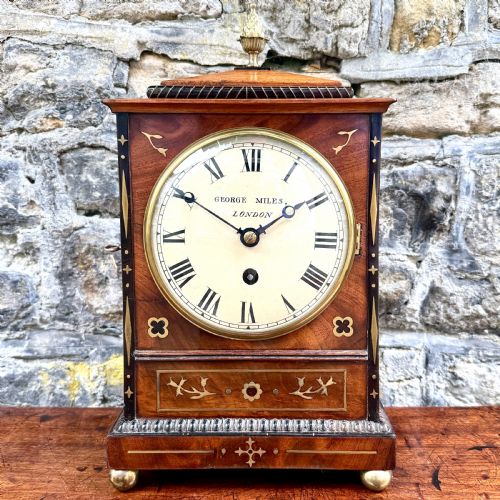
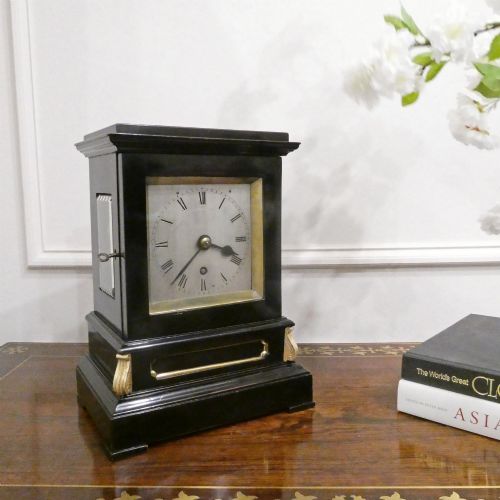
Timekeeping devices occasionally share the library space with writing furniture, including bracket clocks by London makers.
Judging the range
The grade of timber and the ambition of the carving set examples apart, ranging from plain utilitarian oak to intricately figured burr walnut with elaborate mounts. Original patination and intact leather inserts preserve the integrity of the surface.
Proportion and structural balance dictate the success of the form, whether dealing with a compact writing desk or a large partners table. Finer pieces demonstrate careful attention to secondary timbers and the crisp execution of mouldings.
Widenham of London·Bush of London·Webster Cornhill London
The Wooden Library Table Glossary
- Partners desk
- A large double-sided desk designed for two people to work opposite one another, featuring drawers and cupboards on both faces.
- Centre table
- A freestanding piece finished on all sides so it can sit in the middle of a room rather than against a wall.
- Drop leaf
- A table fitted with hinged flaps that fold down to reduce the overall surface area when not in use.
- Fusee clock
- A timekeeping mechanism driven by a spring and a fusee cone to ensure even tension, often associated with library clocks.
- Patina
- The surface sheen and colour developed through age, use and polishing on wood.
Wooden Library Table: Frequently Asked Questions
How do I date a wooden library table?
Dating relies on identifying the primary wood species, construction methods, and stylistic cues associated with periods like Regency or Victorian. Examining drawer linings and secondary timbers offers further clues.
Changes in hardware, such as brass handles and locks, also help narrow down the decade of manufacture.
Are leather top tables original?
Many library tables were fitted with leather tops from the outset to provide a smooth writing surface free from glare. Original leather often displays heavy wear, scuffs, and tool-gilded borders.
Replacements are common due to the soft nature of the material over centuries of use.
How do I care for a mahogany library table?
Keep wooden surfaces away from direct sunlight and extreme temperature fluctuations to prevent timber splitting. Regular dusting with a dry cloth maintains the finish without buildup.
Occasional application of appropriate wax preserves the patina on older furniture.