

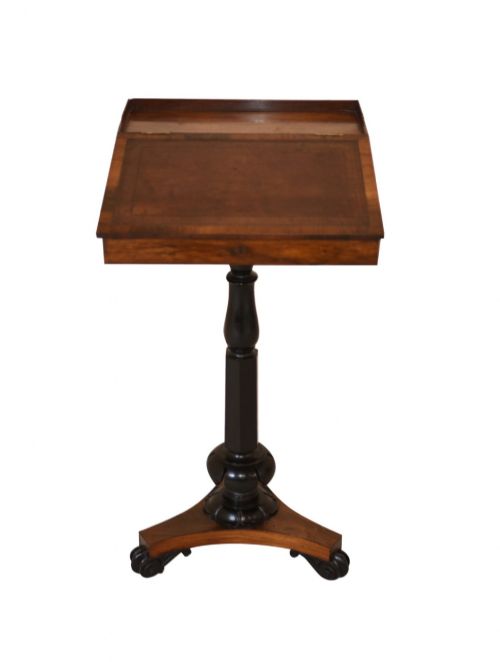
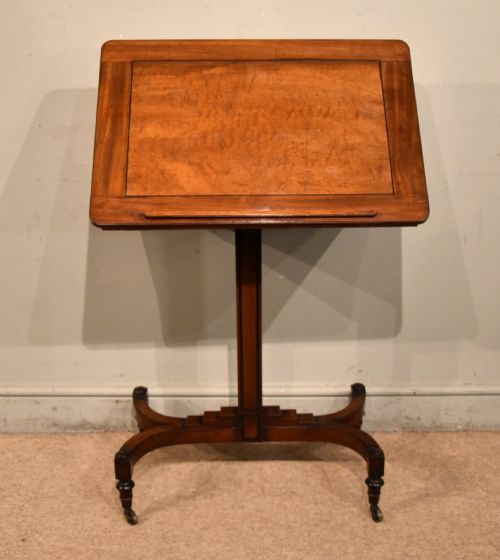
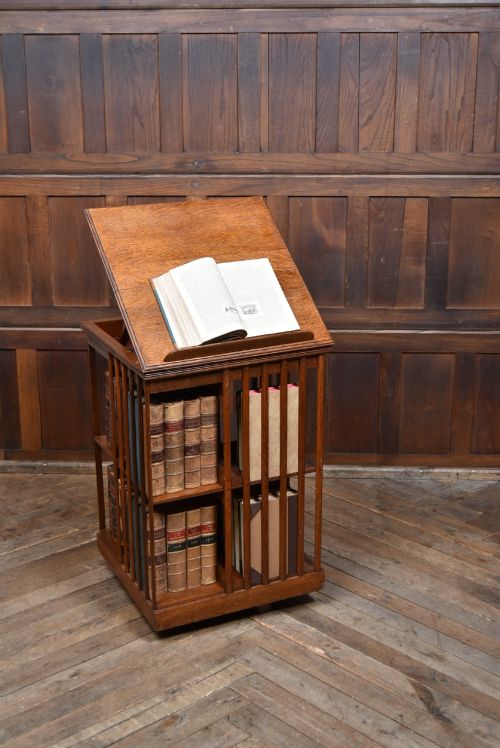
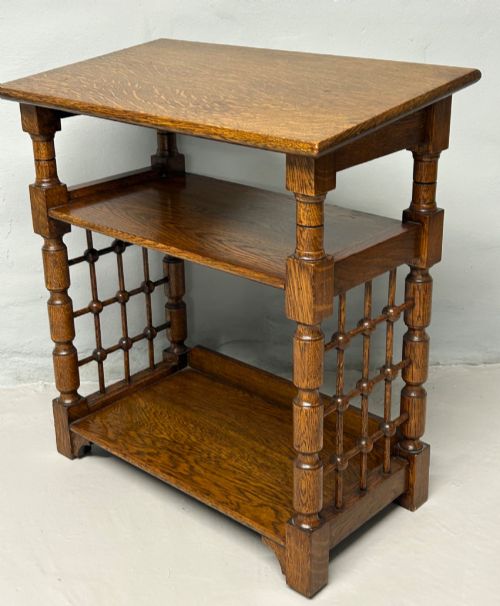



Wooden Lectern Table
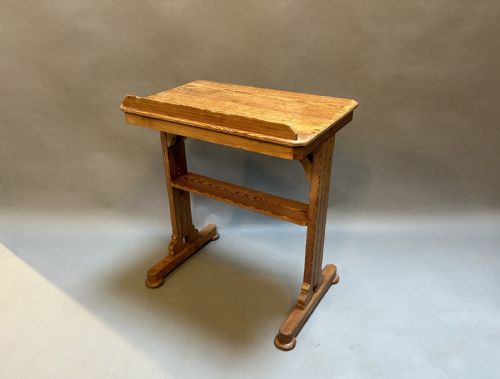
A wooden lectern table combines the practical height of a reading stand with the solid presence of period timber.
Wooden Lectern Table
When buyers search for a wooden lectern table, they encounter a variety of reading stands, adjustable music tables, and revolving bookcases designed for holding books at a comfortable angle. These pieces serve as functional furniture for studies, libraries, and living rooms, offering stable surfaces for reading and display.
The versions most frequently met on this page span the Georgian, Regency, Victorian, and Edwardian periods, alongside early twentieth-century examples. Forms range from classical mahogany reading tables to oak arts and crafts book stands and pine lecterns.
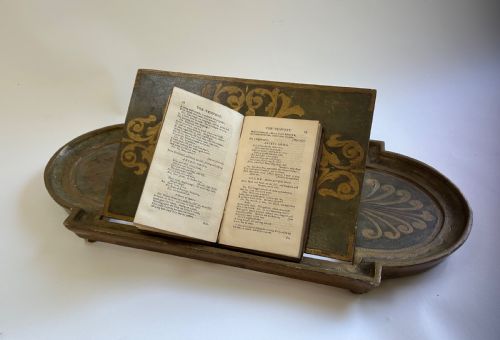
Origin and stylistic influences vary widely across the selection, encompassing traditional British cabinetmaking as well as Florentine and Anglo-Indian designs. Buyers find both standing lecterns and compact table versions suited to diverse interior settings.
Materials and construction
Cabinetmakers constructed these pieces primarily from solid hardwoods such as mahogany, oak, and teak, complemented by secondary timbers like pine. These woods provided the necessary structural integrity and weight to support heavy volumes and adjustable mechanisms.
Metal components in brass, cast iron, and iron frequently appear in the fittings and adjustable reading ratchets. Gilding and painted finishes also feature on specific regional items like Florentine book stands, adding decorative surface detail to the timber framework.
Wooden Lectern Table Retail Price Guide 2026
Typical asking prices for wooden lectern table among the pieces listed under this phrase on Sellingantiques today, from the lower quarter to the upper quarter. They describe what is for sale here now, not the wider market.
The periods represented stretch from Georgian design through to early twentieth-century utility pieces.
Qualities of craftsmanship
The refinement of the timber selection distinguishes the highest grade of pieces, particularly where figured mahogany displays prominent grain patterns. Lesser examples rely on simpler pine or standard utility construction without decorative figure.
Mechanisms for height and angle adjustment dictate the functional superiority of a piece. Smoothly operating brass ratchets and stable pivoting joints represent a higher standard of manufacture than rigid or fixed alternatives.
The Wooden Lectern Table Glossary
- Lectern table
- A furniture piece combining a sloping reading surface with a table base. It supports books or manuscripts at an ergonomic angle for the reader.
- Ratchet
- An adjustable mechanical bracket fitted beneath the reading slope. It secures the book rest at various fixed angles.
- Revolving bookcase
- A rotating wooden tier designed to hold books upright. It allows access to multiple volumes from a stationary seating position.
- Figured mahogany
- A specific cut of mahogany timber exhibiting distinctive wavy or mottled grain patterns. Cabinetmakers reserved this material for prominent surfaces on high-status furniture.
Wooden Lectern Table: Frequently Asked Questions
What is a wooden lectern table used for?
These tables provide a sloping surface designed to hold books, music sheets, or documents at a comfortable reading angle. They allow users to read standing up or seated nearby without holding heavy volumes.
Historically, libraries, studies, and drawing rooms utilised them for studying large reference books, atlases, or periodicals. Today, they function effectively as reading desks or display stands in home interiors.
How do I date a wooden lectern table?
Dating relies on identifying the prevailing style, timber choices, and construction methods characteristic of periods like Georgian, Regency, or Edwardian. Regency pieces often feature saber legs and brass details, whereas Edwardian items frequently employ lighter oak frames.
Examining the underside, drawer construction, and metal hardware reveals the manufacturing era. Machine-cut screws and secondary pine often point toward later nineteenth or early twentieth-century production.
Are these tables adjustable?
Many examples feature mechanical ratchets or pivots that alter the angle of the reading surface. Some variants also permit height adjustments via central wooden or metal columns.
Fixed stands remain common, particularly among smaller revolving bookcases and stationary book racks. Checking the description confirms whether a specific piece includes moving mechanisms.
How do I care for antique timber?
Maintain antique wooden surfaces by dusting regularly with a soft, dry cloth. Avoid placing tables near direct heat sources or in strong sunlight to prevent the timber from drying and splitting.
Occasional application of appropriate beeswax feeds the wood and preserves its natural finish. Avoid modern silicone sprays, which can damage historic polished surfaces over time.