



Wooden Knob Chest
A wooden knob chest brings honest utility to a room, offering sturdy drawer storage grounded by simple, tactile pulls.
Wooden Knob Chest
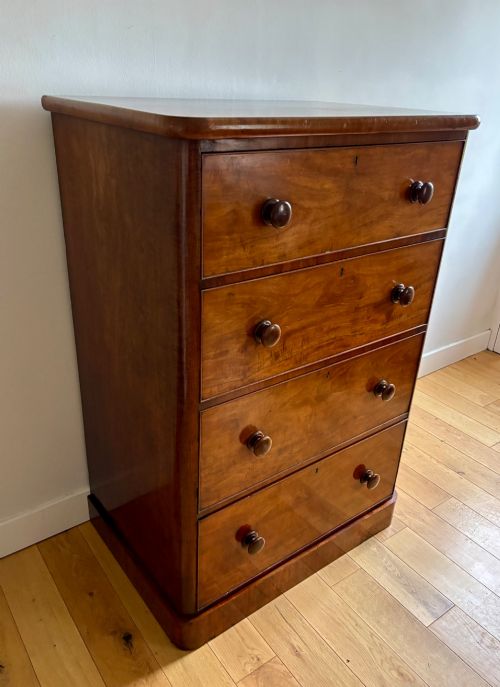
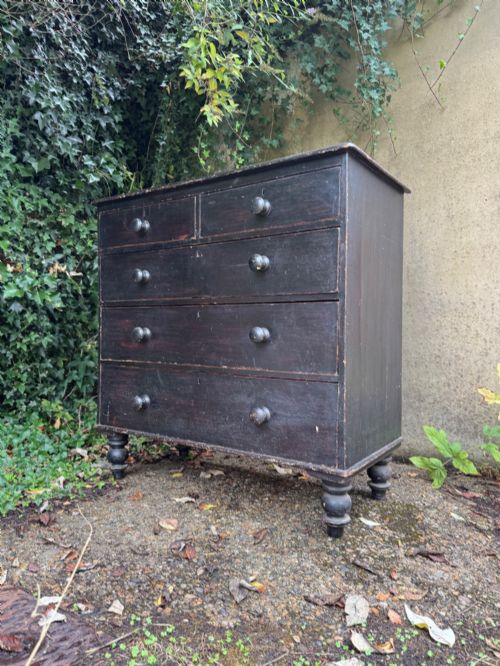
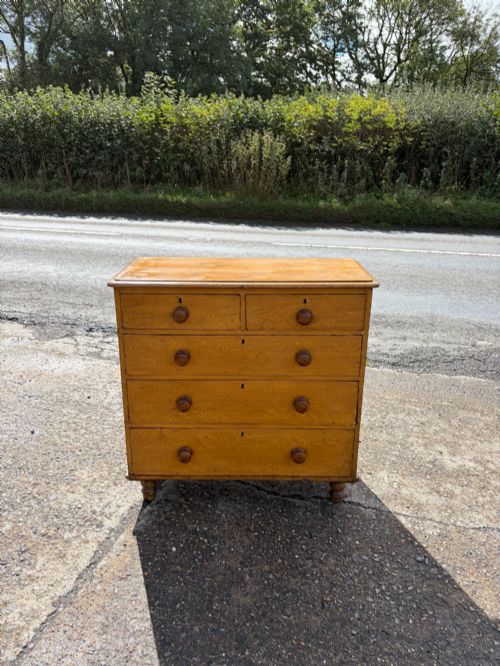
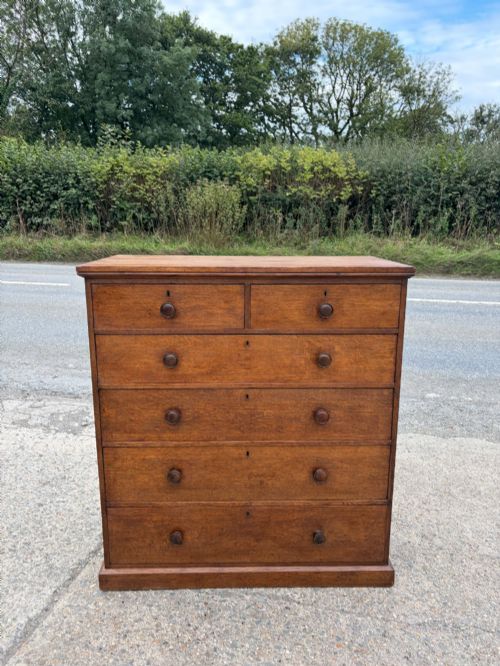
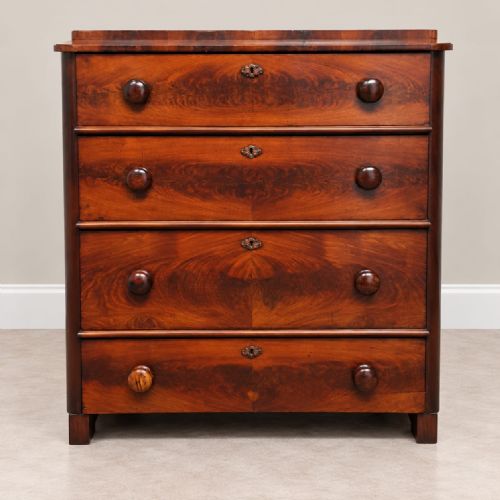
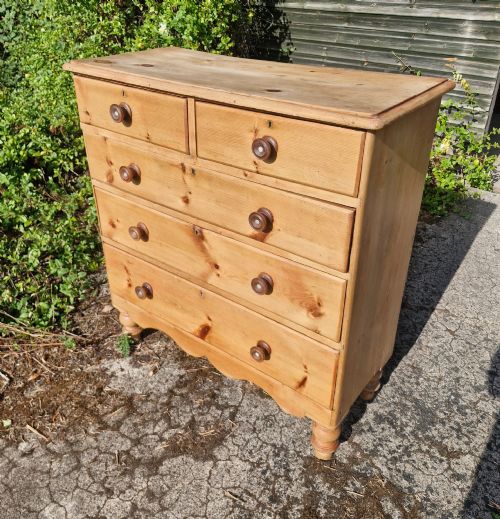
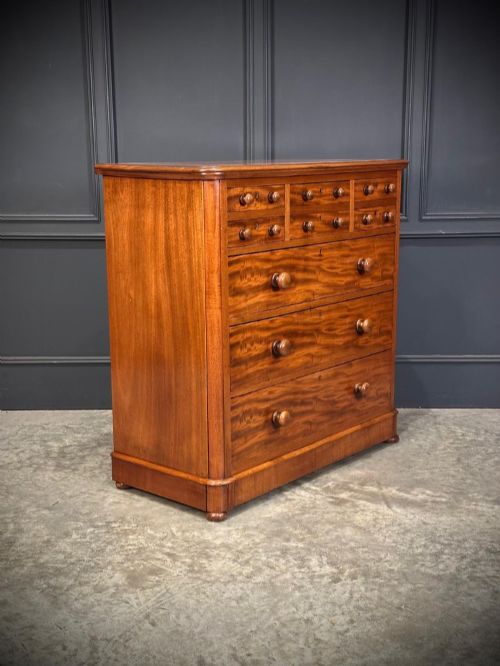
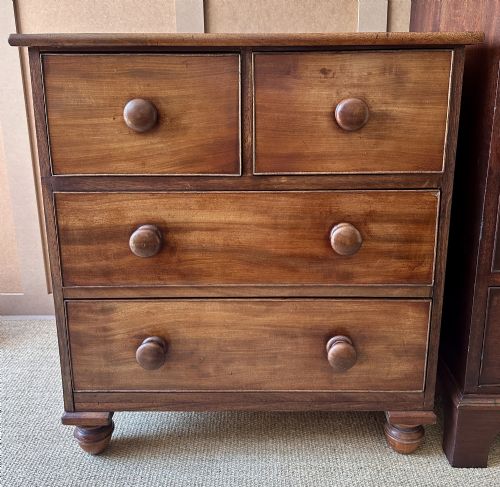
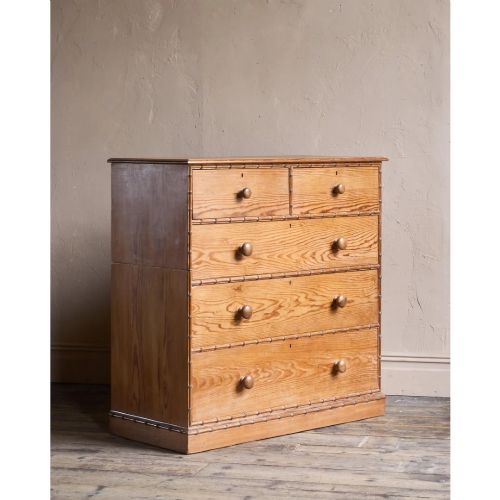
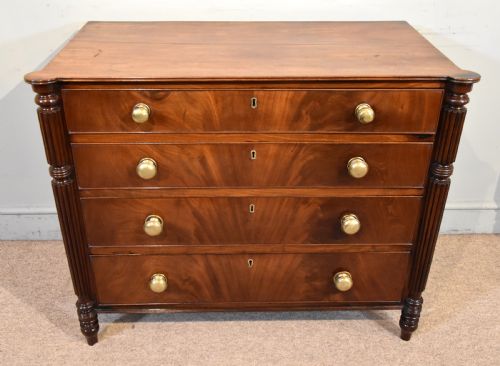
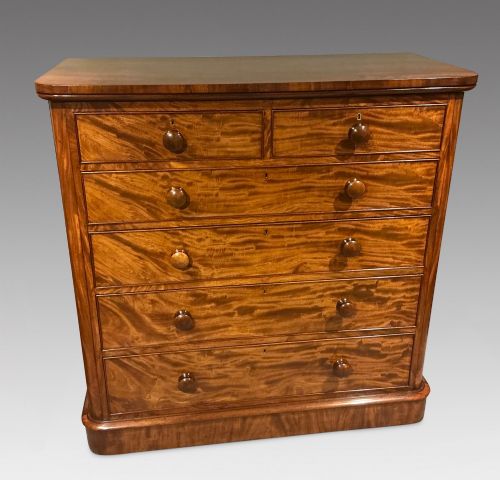
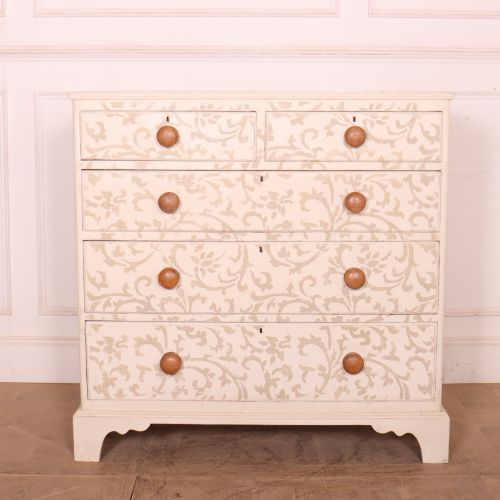
A wooden knob chest principally manifests as a chest of drawers, spanning utilitarian pine examples and refined mahogany or oak pieces. These functional items serve bedrooms and living spaces alike, providing organised storage through multi-drawer arrangements.
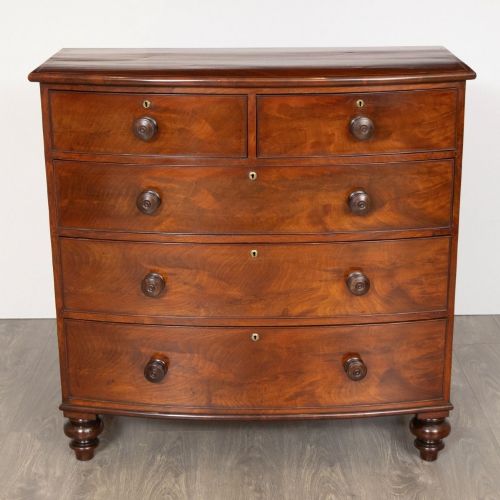
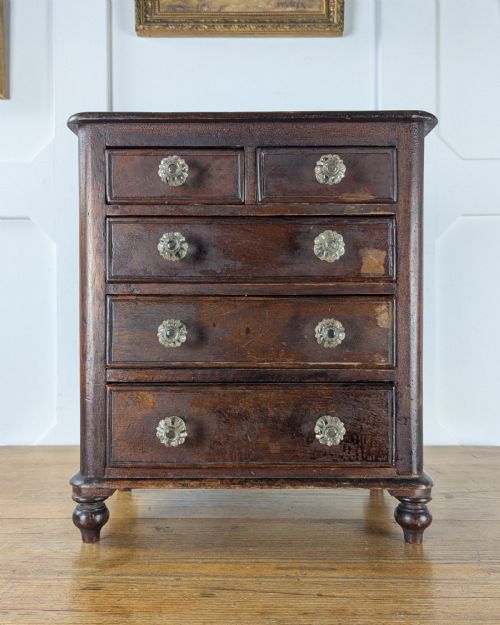
Victorian and nineteenth-century pieces dominate the selection, alongside earlier Georgian items and twentieth-century examples. Buyers frequently encounter pine and mahogany versions, ranging from compact miniature apprentice pieces to large Scottish chests and bow-front designs.
Materials and construction methods
Cabinetmakers utilised solid pine, mahogany, oak, and occasionally painted or grained surfaces to build these chests. Wood serves as the primary medium, supported by brass, glass, and iron details on select hardware or fittings.
Construction relies on traditional joinery methods suited to domestic furniture, featuring turned wooden knobs affixed to drawer fronts. Surfaces appear waxed, polished, or finished with original paint and graining as recorded across the periods.
Wooden Knob Chest Retail Price Guide 2026
Typical asking prices for wooden knob chest among the pieces listed under this phrase on Sellingantiques today, from the lower quarter to the upper quarter. They describe what is for sale here now, not the wider market.
Miniature chests were once created by aspiring makers to prove their skill before joining the guild.
Distinctions in craftsmanship and finish
Quality rests in the selection of timber and the integrity of the original surface, whether polished mahogany or untouched painted pine. Finer pieces display careful proportioning, clean drawer movement, and well-turned wooden knobs that complement the scale of the carcass.
Subtleties in secondary woods, original backboards, and untouched finishes separate standard domestic examples from superior items. The preservation of original graining or rich wax patination elevates the standing of a piece within its period.
Howard and Sons
The Wooden Knob Chest Glossary
- Bow-front
- A convex curved chest front that projects outward at the centre, typical of refined mahogany pieces.
- Graining
- A decorative surface treatment mimicking finer timber figure or texture, often found on nineteenth-century pine pieces.
- Apprentice piece
- A miniature version of a chest of drawers made by a craftsman to demonstrate skill or as a travelling salesman sample.
- Waxed
- A surface finish applied to timber to nourish the wood and produce a soft, low-lustre sheen over time.
Wooden Knob Chest: Frequently Asked Questions
How do I date a wooden knob chest?
Dating relies on timber choice, construction techniques, and stylistic traits like bracket feet or bow fronts. Georgian and Regency pieces tend to show finer proportions, while nineteenth-century pine versions often exhibit original painted finishes or simpler joinery.
Examining secondary woods inside the drawers and the style of the turned knobs provides further clues to the manufacturing decade.
Where were these chests used?
These chests functioned primarily as bedroom furniture for storing garments and linens. Smaller variants and apothecary formats also served in studies, parlours, or kitchens for general organisation.
Miniature versions served as display items or skill demonstrations by cabinetmakers rather than heavy domestic storage.
How do I care for a waxed pine chest?
Maintain waxed pine surfaces by dusting with a dry cloth and applying occasional natural beeswax to feed the timber. Keep the furniture away from direct heat sources and strong sunlight to prevent the wood from drying out.
Preserving the original wax finish maintains the soft patina developed over the centuries.